
November 21, 2026
The issue of November 21, 2026
Every question from this issue, with the answers, the hints and the reading behind them.
Play the November 21, 2026 issue
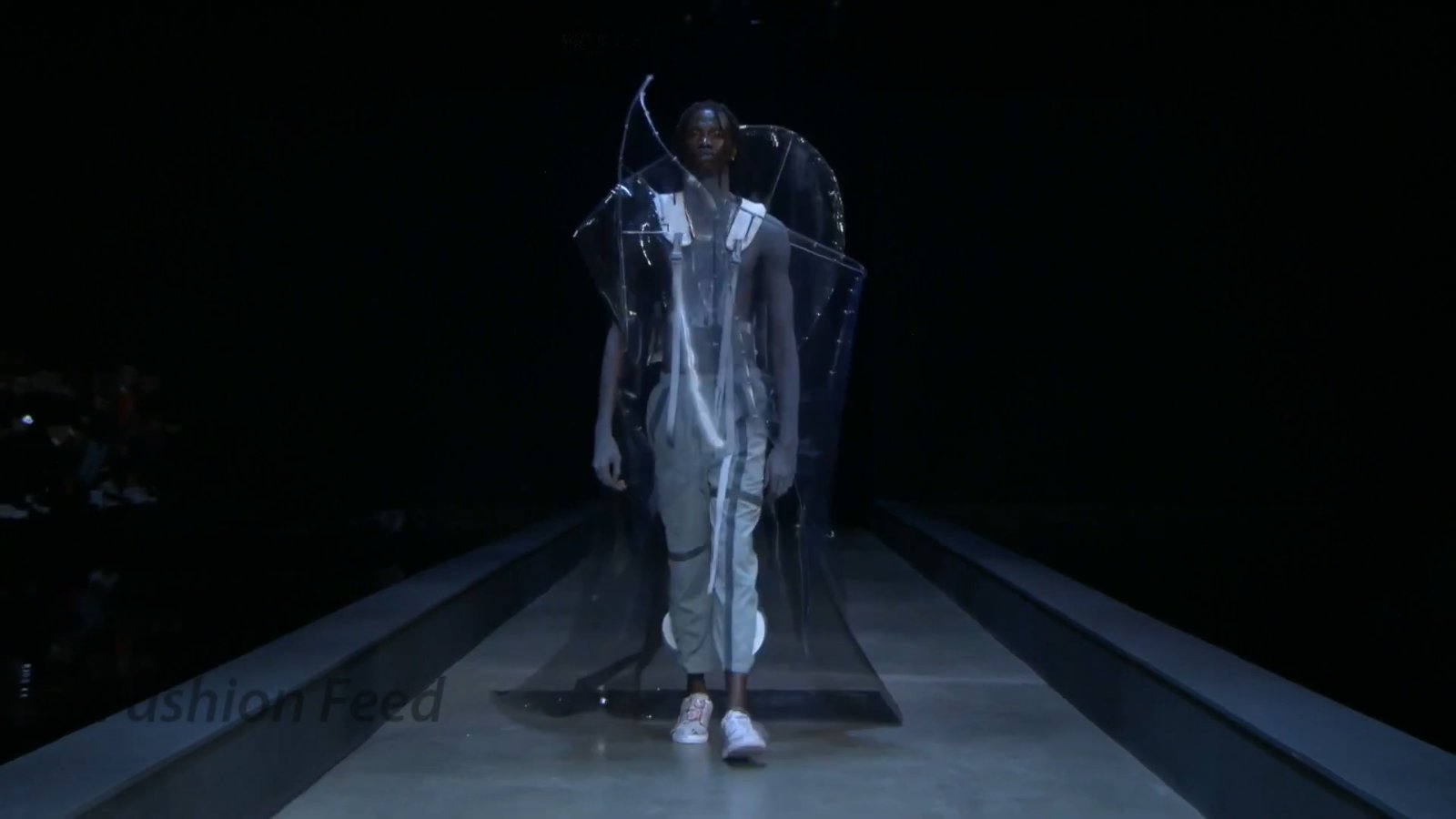
House: A-COLD-WALL* · Designer: Samuel Ross · Season: Fall/Winter 2019
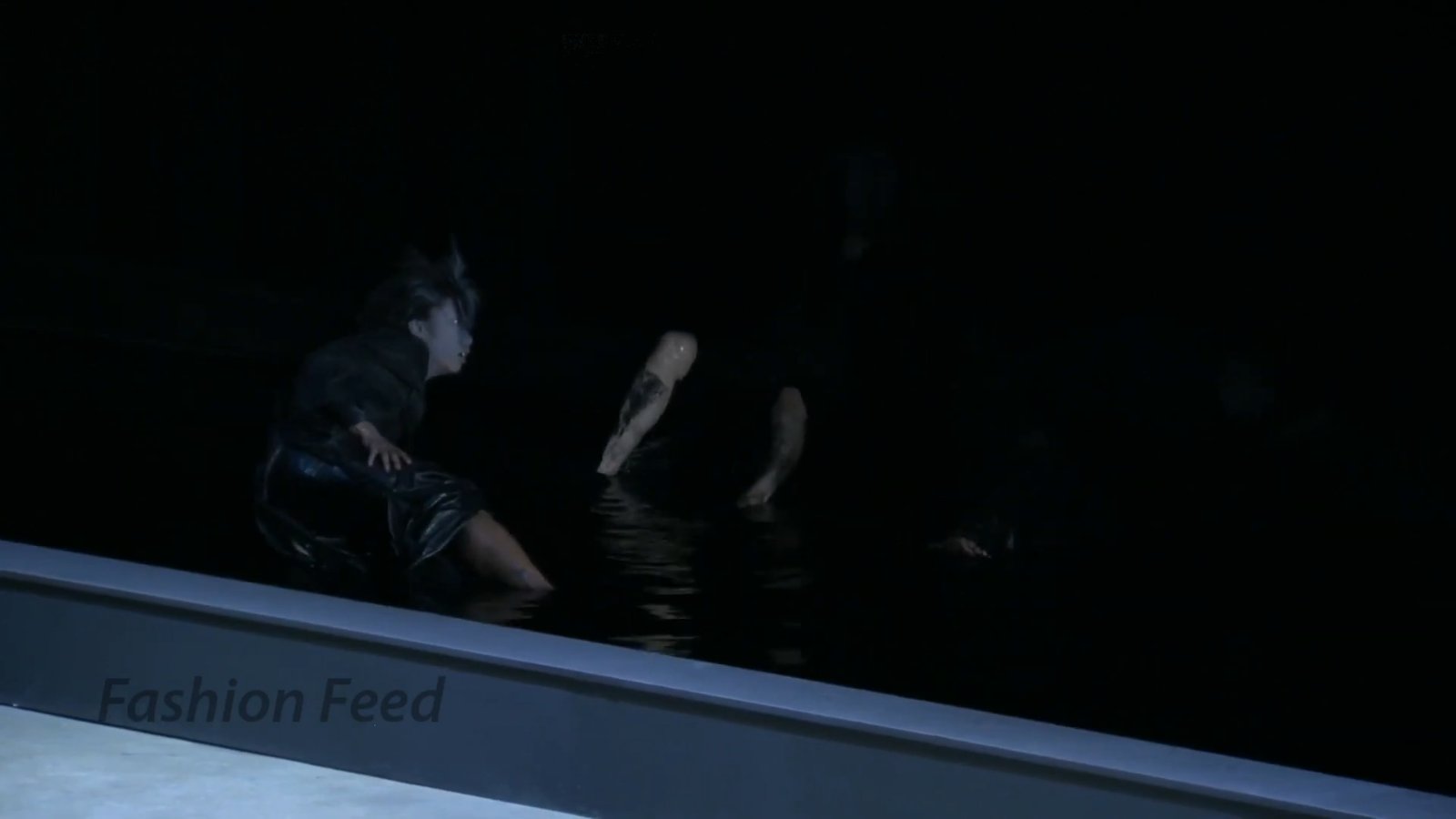
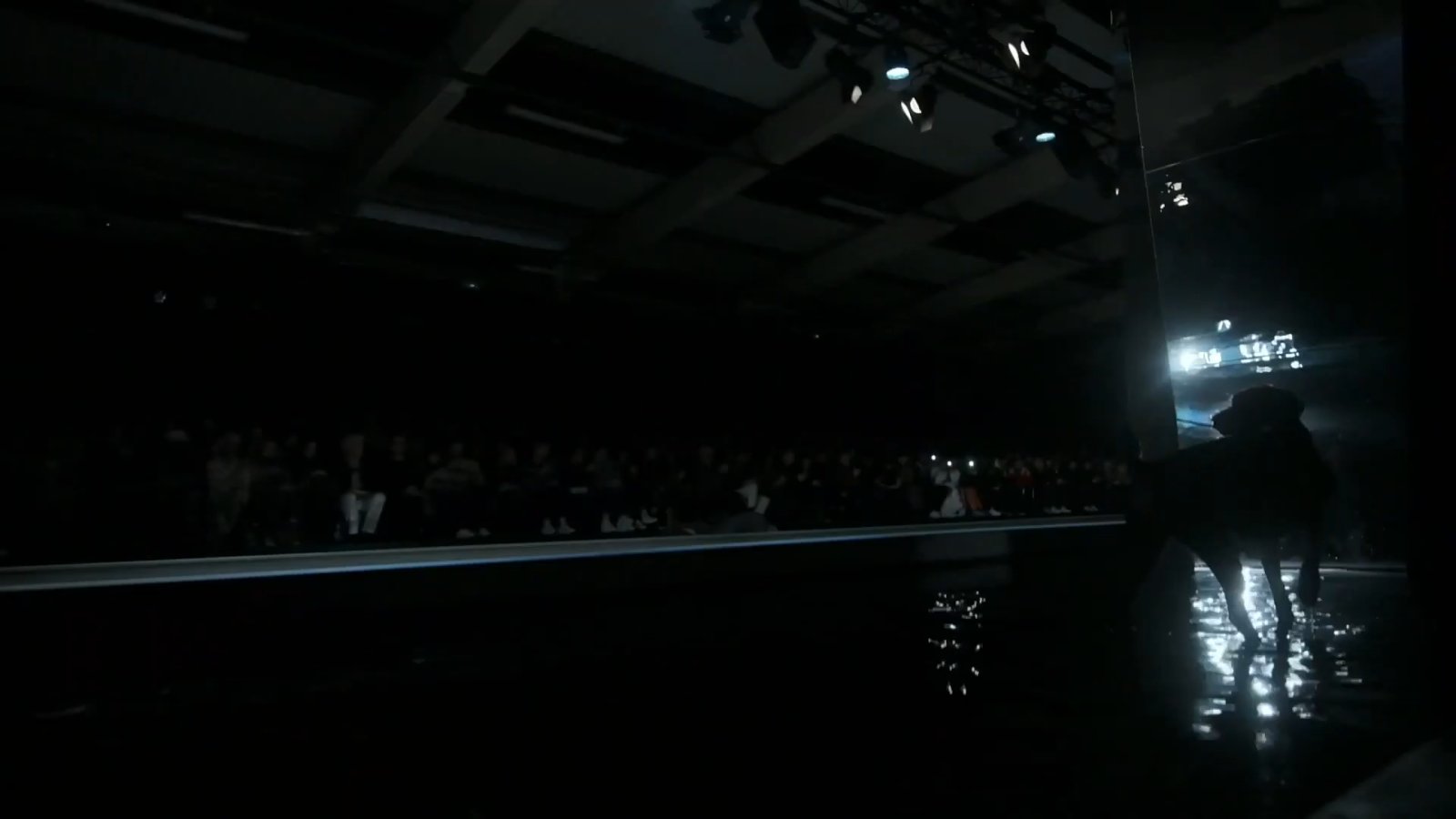
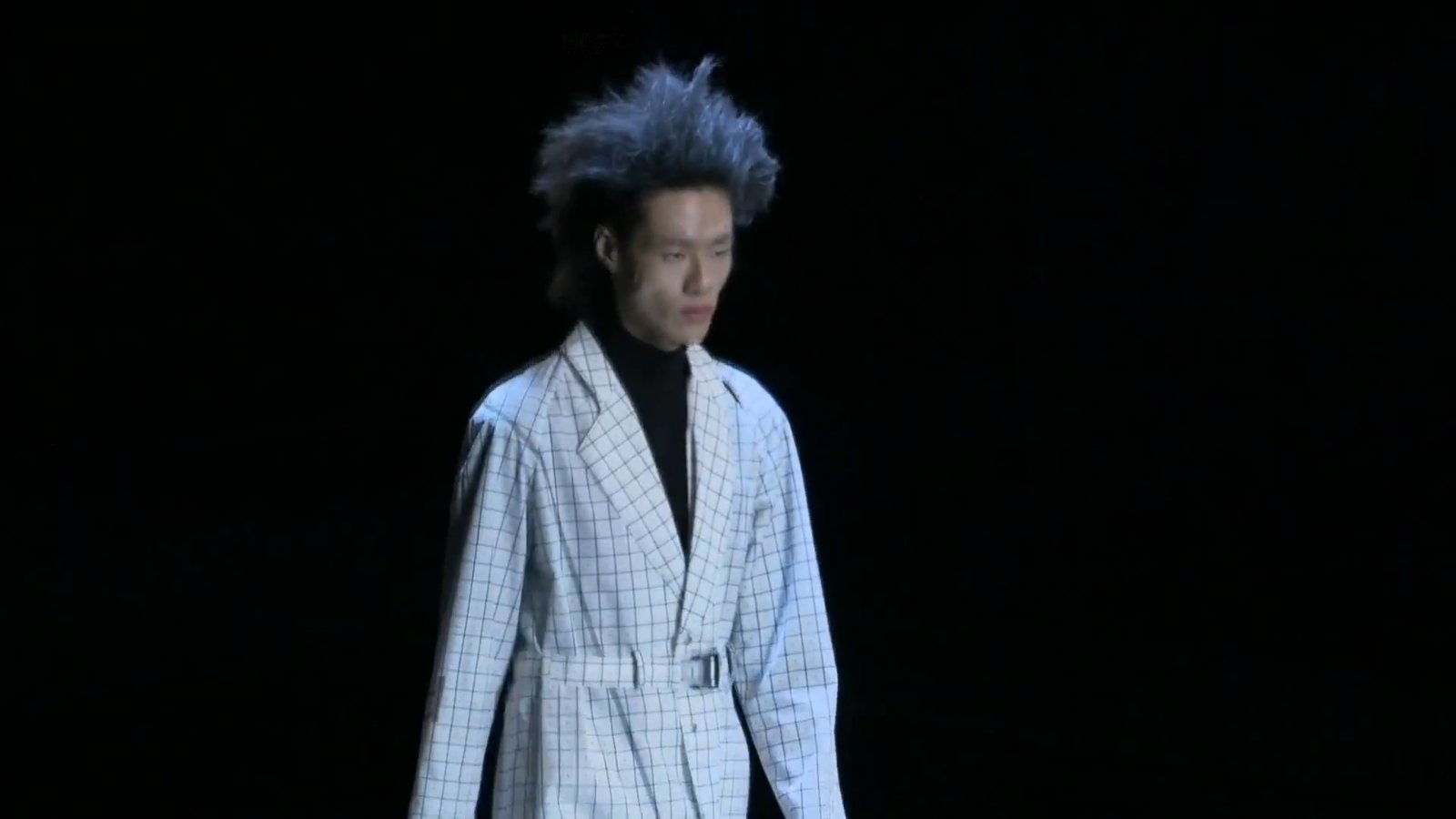
Tim Blanks wrote that Samuel Ross spent six months on the performance side of this show and composed “an elaborate electronic soundtrack to underscore the whole thing.” Ross called it “a symphony compared to his aggressively chaotic last” show, and Blanks noticed the models “cast nervous backward glances, like they were being pursued” (Tim Blanks, The Business of Fashion) [1]. Laura Hawkins compared the dark water lining the catwalk to the River Styx and singled out “the eerie barking of a single Doberman.” She found the clothes cocooning, padded and cut out, in memory nylon, clear acetate, welded steel and Jesmonite (Laura Hawkins, Wallpaper*) [2]. Nicolaus Li read the performers helping each other through the liquid-filled tanks as a reference to migrants intercepted crossing the English Channel to seek asylum (Nicolaus Li, Hypebeast) [3].
Backstage, Ross said he wanted to bring “back the era of McQueen,” and was “not just creating a runway installation piece.” He explained that “the pool closest to the audience represents the pool of fear and preservation in the age of nationalism,” while “the pool further away is the innate human sense of progression.” “Socially, this generation is really seeing the rise of AI,” he said, “while on the other hand we see right-wing nationalism and xenophobia in this moment of Brexit.” He summed it up as “progression versus sovereignty” [4]. The show notes put it more bluntly: “self-preservation is key to survival.” Measurement was built into the clothes: one boiled-wool collarless Austrian jacket carried a black-and-white meter scale [4], and other pieces had compasses built into them [5]. The collection also included pieces from Ross’s Nike and Diesel collaborations [5]. The “chaotic” show Ross was comparing it to was Spring/Summer 2019, in June 2018. There, models smashed the walls of a large square structure, and a bloodied, naked figure emerged from inside (Dazed) [6].
The sound design does a lot of the work in this show. It plays with time and measurement. Parts of it stutter and push back against time moving forward, or maybe it’s the models overpowering the past so they can move ahead? I didn't know about the political implications of the show until I did research on it and found it incredibly poignant. To me, populism tries to address the genesis of society’s ills. Some start at the trunk and hack away at the branches. Others, rightfully so in my opinion, take aim at the root, where the material conditions of the matter reside. The bark in between is left up for grabs, to be exploited, manipulated, and hacked away at. The rotting tree must come down and not be allowed to spread its seed, and its wood must light the fire that illuminates the path toward a better world. Buzzing!
Answer: Zandra Rhodes
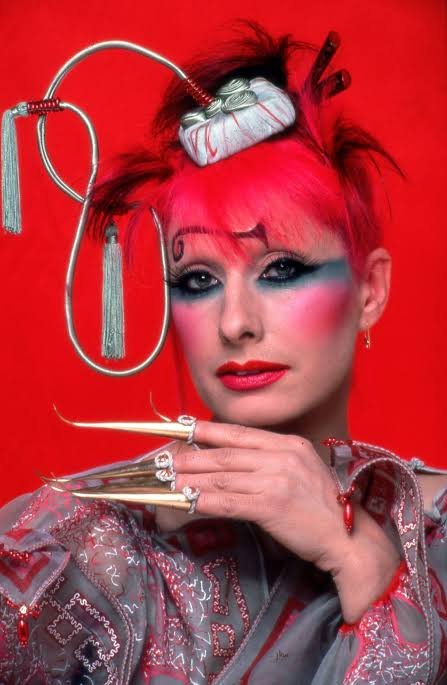
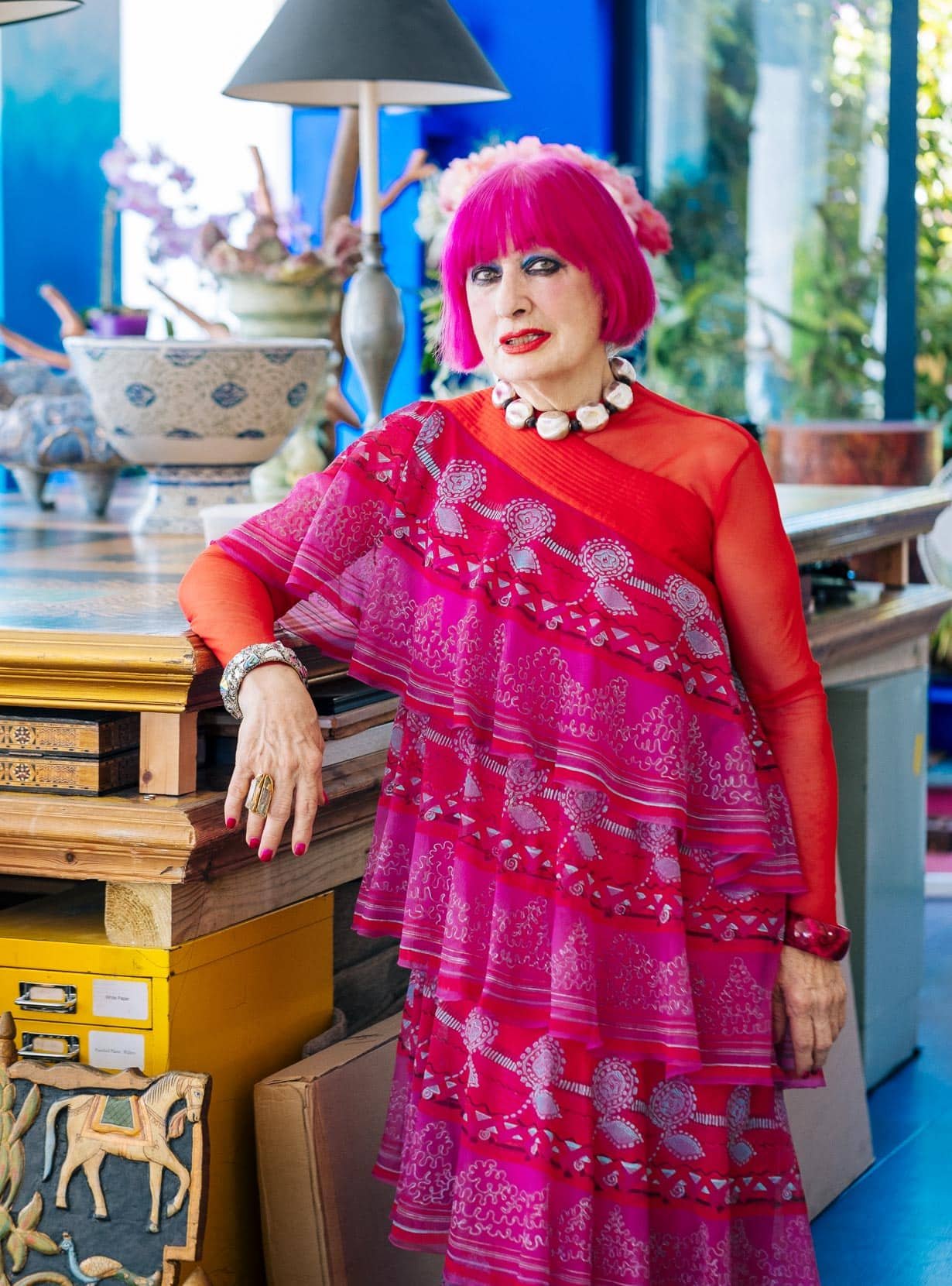
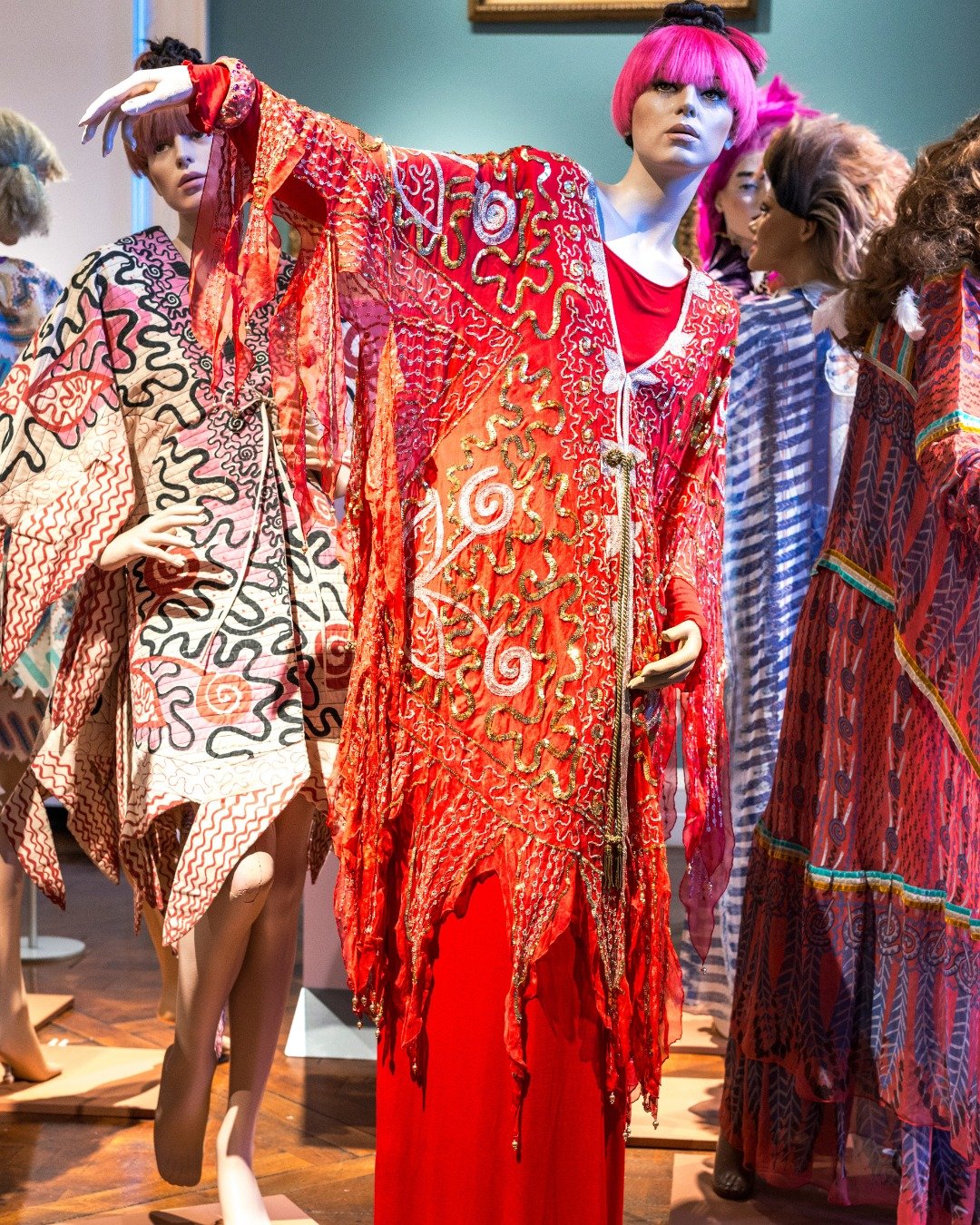
Zandra Rhodes was born on September 19, 1940, in Chatham, Kent. Her mother worked as a fitter at the legendary House of Worth in Paris. Rhodes studied textile design at the Medway College of Art and then at the Royal College of Art. She showed her first solo collection in 1969. Her prints shape her clothes, which are loose, flowing and fanciful, and as one source puts it, “Rhodes has no imitators and her work is instantly recognizable.” Her 1977 collection “Conceptual Chic” borrowed safety pins and torn fabric from punk. She was named English Fashion Designer of the Year in 1972, was made a Commander of the Order of the British Empire in 1997, and founded the Fashion and Textile Museum in Bermondsey, London (Encyclopedia.com) [1]. Rather than sketching first, Rhodes “relied on draping and pinning to discover new silhouettes” and “let the fabric direct her work.” She described her interest in “patterns which would not hang flat but would be cut and put together again in many different ways” (ASU FIDM Museum) [2]. Before her solo career, she met the fashion designer Sylvia Ayton while both were teaching at the Ravensbourne College of Art. With backing from the actress Vanessa Redgrave, who agreed to fund them in exchange for clothes, the two opened the Fulham Road Clothes Shop in London in 1966. “We worked from my flat. Zandra printed at her studio, and I made the patterns and samples,” Ayton recalled. The shop closed in 1969, weighed down by debt. “We made super garments, but investment was missing,” Ayton said (Kevin Almond, The Journal of Dress History) [3].
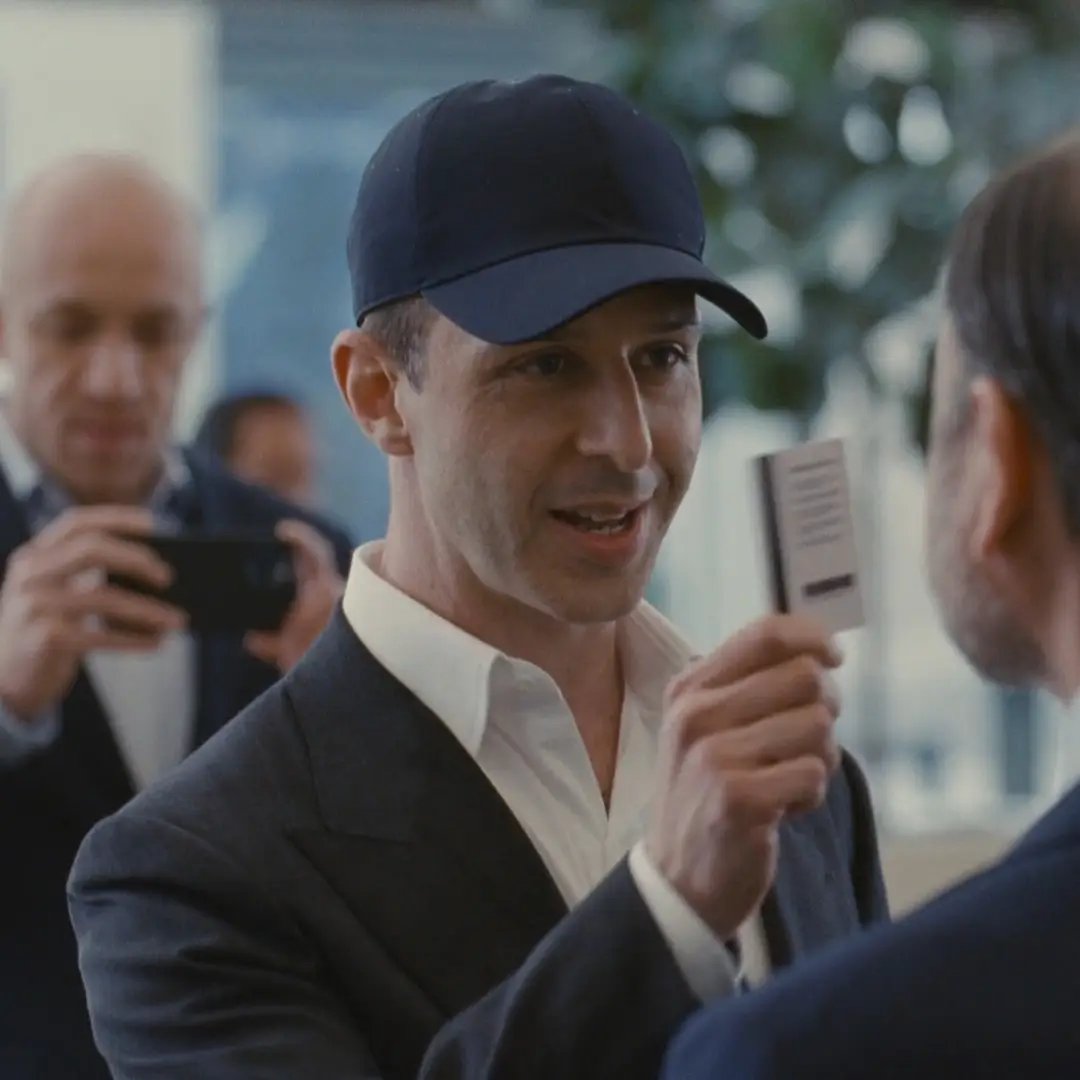
Answer: Loro Piana
One of my favorite shows ever!
Kendall Roy’s signature looks on Succession often featured a baseball cap from Loro Piana. The costume designer Michelle Matland said her team searched the country for a cap in the right color and size, and when a delayed shipment finally arrived through a store saleswoman, she “almost fainted.” The look stuck because it worked, she said, comparing it to the comfortable uniforms some wealthy people adopt. She described the show’s “disdain for the logo world—the Versace, overt color palette, big names on your t-shirt,” and tied it to old money versus new money (Marissa G. Muller, W) [1]. In a 2021 interview with the Wall Street Journal, Matland said the lack of a logo on Kendall’s caps says “there’s no relevant team but...team Me,” and FASHION called the cap “a marker of the Roy family’s stealth wealth” (Jennifer Berry, FASHION) [2]. The show helped fuel the “quiet luxury” or “stealth wealth” trend of 2023: expensive but discreet clothing from labels such as Loro Piana, Brunello Cucinelli, Tom Ford, Zegna, Khaite and The Row, set against logo-heavy brands like Louis Vuitton, Gucci and Moncler. “Only those who are wearing them and those who really scrutinize them know they’re quiet luxury or luxury at all,” the fashion TikToker Charles Gross told Fortune (Rachel Shin, Fortune) [3].
Answer: Clip C
Loewe is spelled with a “w” but pronounced with a “v”: lo-weh-vay. Founded in 1846, it’s LVMH’s oldest luxury fashion house, and plenty of people get its name wrong, including some who have walked its runway. In March 2024, Loewe leaned into the confusion with “Decades of Confusion,” a short film directed by Ally Pankiw, written by Dan Levy and creative-directed by Jonathan Anderson. Levy plays a spelling bee judge, and Aubrey Plaza plays a contestant who keeps missing the word in 1971, 1986, 1995 and the present day, all in pieces from Loewe’s archive. When Levy’s character finally spells it out, Plaza snaps, “Are you f*****g kidding me? There’s a W in there?!” (Inquirer Lifestyle) [1]. The Zoe Report spells the correct pronunciation “LO-WEH-VAY” (Kelsey Stewart, The Zoe Report) [2].
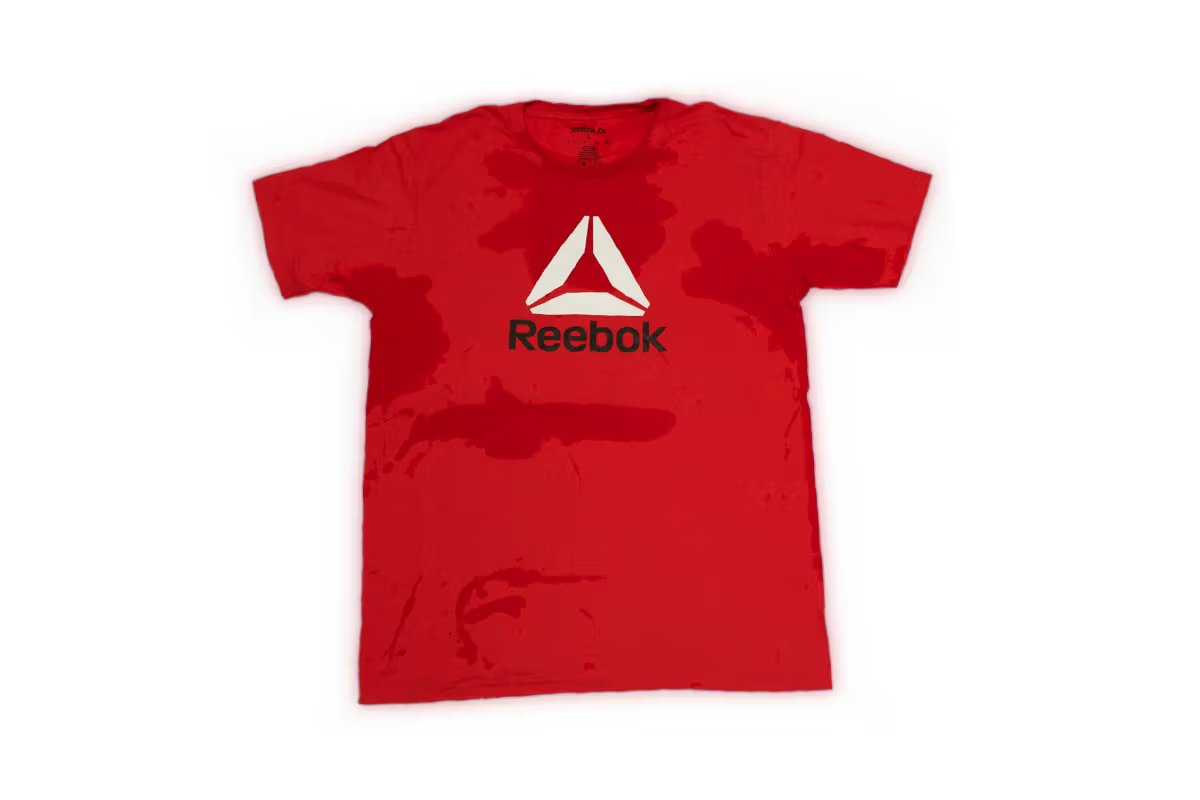
In April 2017, Nordstrom started selling a $425 pair of “pre-dirtied” jeans covered in fake mud, and the internet clowned them right away. Reebok joined in the next day with its own $425 “sweat-stained” T-shirt, pitched as a pre-sweated tee “for that post-workout look and smell.” Reebok said the pit stains were real sweat from employees who had worked out that day and warned buyers never to wash it. The listing showed the shirt as sold out from the start, which was part of the joke.