
November 20, 2026
The issue of November 20, 2026
Every question from this issue, with the answers, the hints and the reading behind them.
Play the November 20, 2026 issue
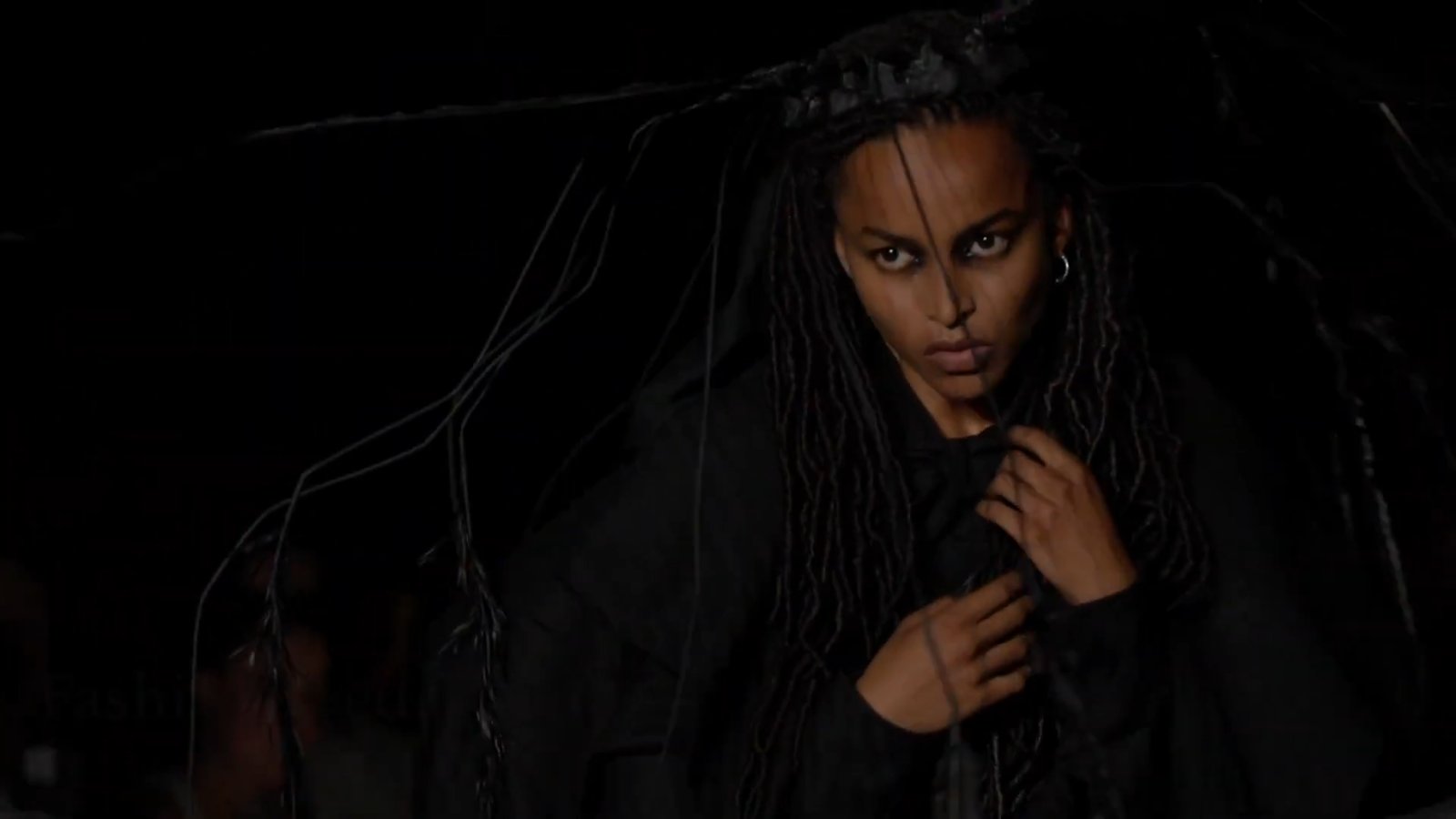
House: Charles de Vilmorin · Designer: Charles de Vilmorin · Season: Haute Couture Fall/Winter 2024
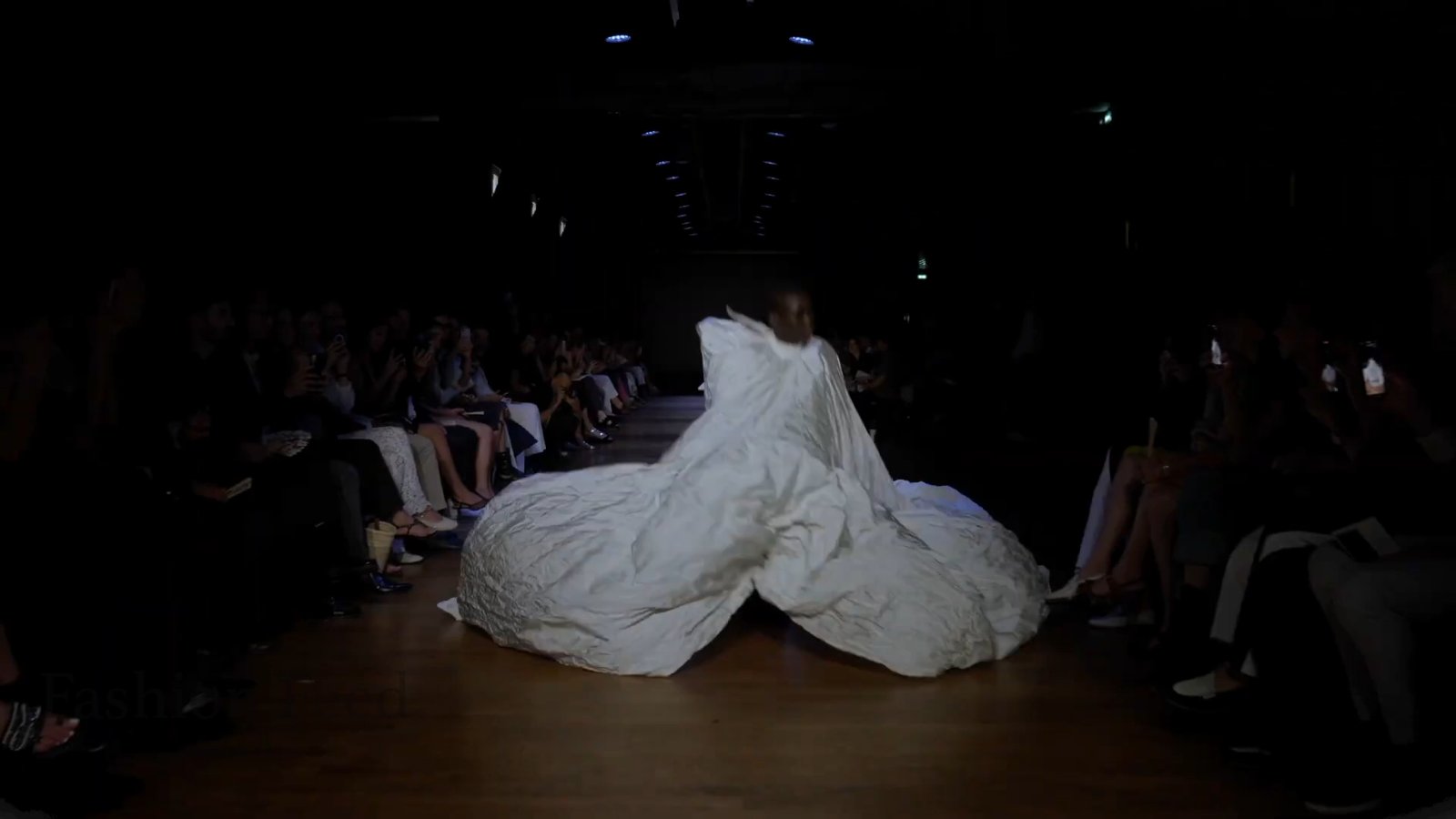
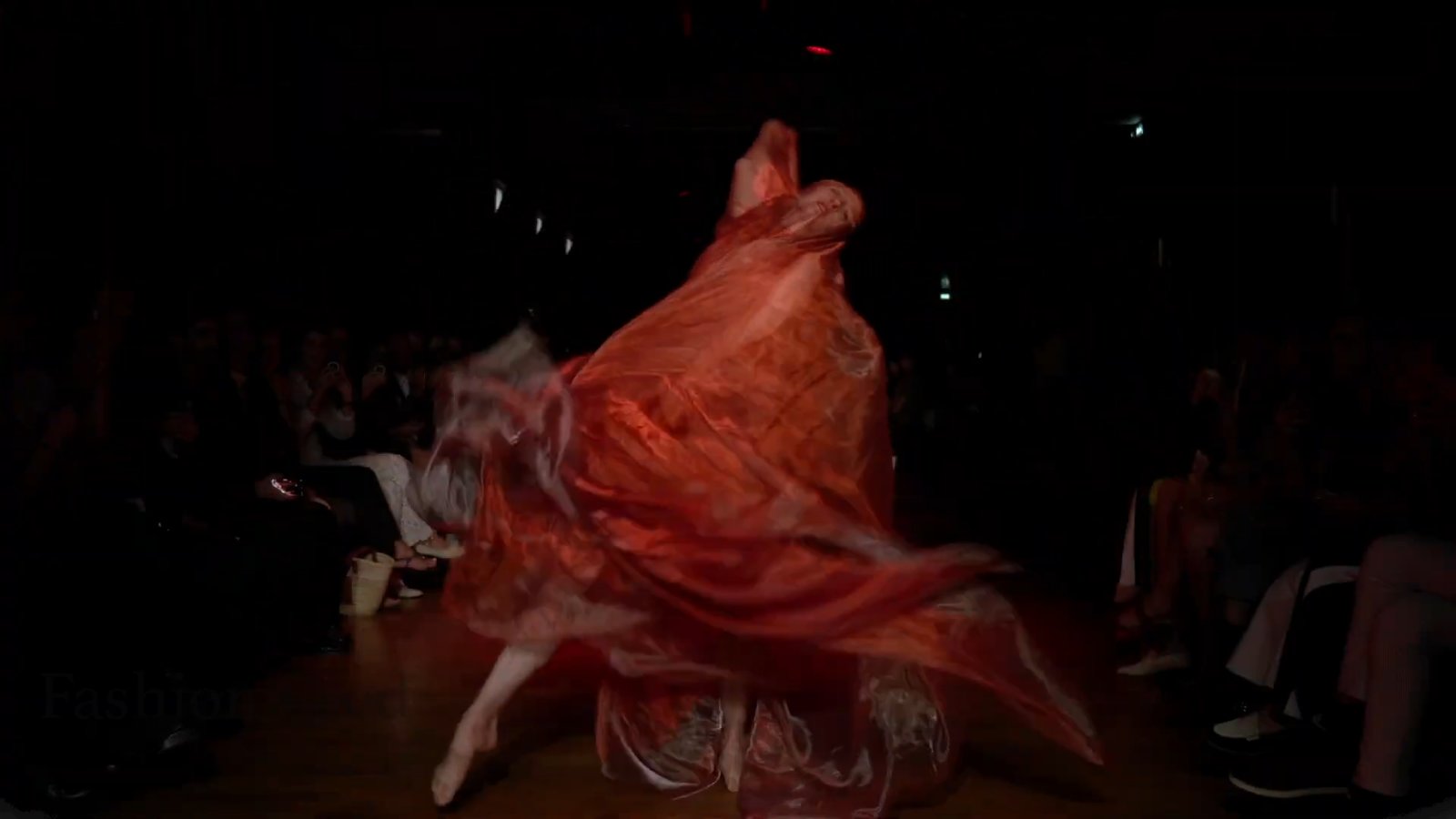
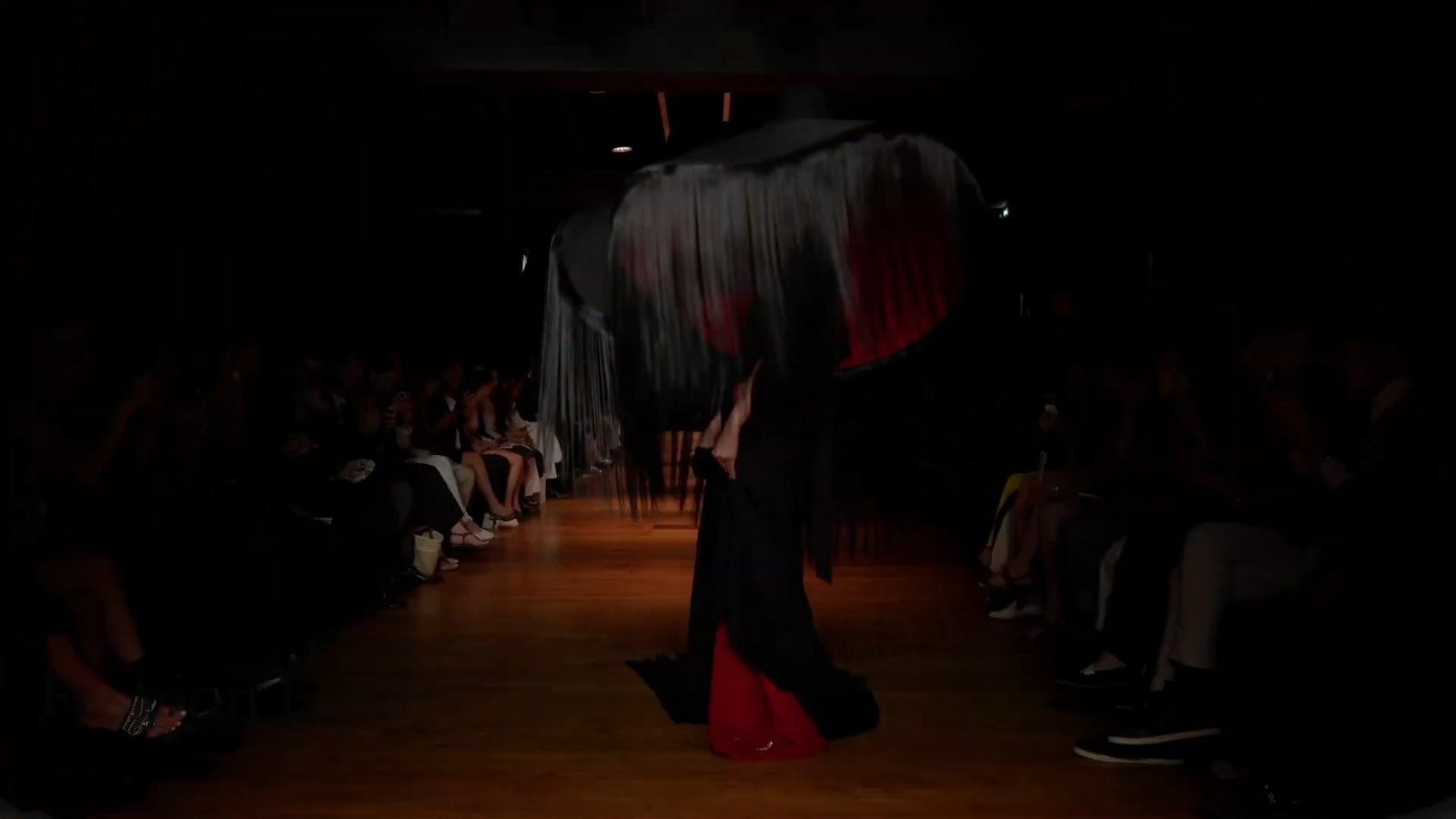
WWD called the show a murder mystery in the style of an Agatha Christie film, with a cast drawn from Gothic fairy tales: witches, wicked stepsisters, a dashing prince, and a Little Red Riding Hood trailed by a model in a wolf costume. One model collapsed dramatically in front of the photographers, possibly as part of the script. In place of the hand-painted prints he’s known for, Charles de Vilmorin used jacquards shaped into bulbous silhouettes, curly wire frames that turned his drawings into 3D, a giant floppy hat fringed with horsehair, and corset-laced tops that bound the arms to the waist (WWD) [1]. Tony Glenville called it the most theatrical show of the couture week, with “centuries of story telling plundered,” and noted that its black, red and white recalled a deck of cards. “A complex story unfolded including a wolf, and possibly a princess in trouble,” he wrote, adding that it “demanded applause” (Tony Glenville, A Shaded View on Fashion) [2]. Seele’s Ally Portee wrote that it was very different from his usual colorful, illustrated work, but that it “held the audience’s attention” (Seele) [3].
De Vilmorin described the collection as “Poirot meets Sleepy Hollow,” drawing on Agatha Christie and Tim Burton. His studio developed its own jacquard, hand-painted with his artwork, worked with embroiderers and feather artisans on the headpieces, and had the show’s music composed specifically for it (Fédération de la Haute Couture et de la Mode) [4]. The collection notes describe characters “bound together by our love, our rivalries, and everything we’ve been hiding for years” (Seele) [3]. De Vilmorin has a background in ballet and was previously creative director at Rochas. “I went through a period of doubt, but now I just want to have fun,” he said. The finale featured the prima ballerina Marie-Agnès Gillot in glossy red fabric, dancing to Françoise Hardy’s “Mon Amie la Rose” as a tribute to the singer, who had died that month (Anastasija Pavic, DSCENE) [5].
It’s a fantasy crossover. It reminds me of The Wolf Among Us, the video game, or even Hoodwinked, the movie where all the folktales and fantasy ideas and stories collide. It also feels like the characters and enemies from Elden Ring throwing a party together, waiting for your character to walk in so they can attack you. Haunting!
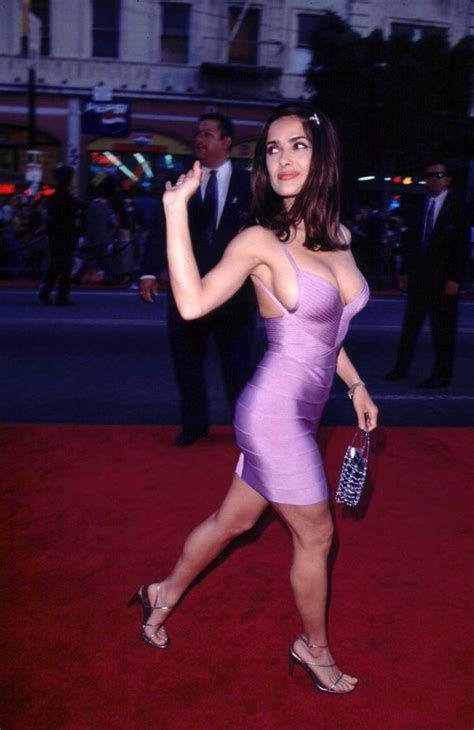
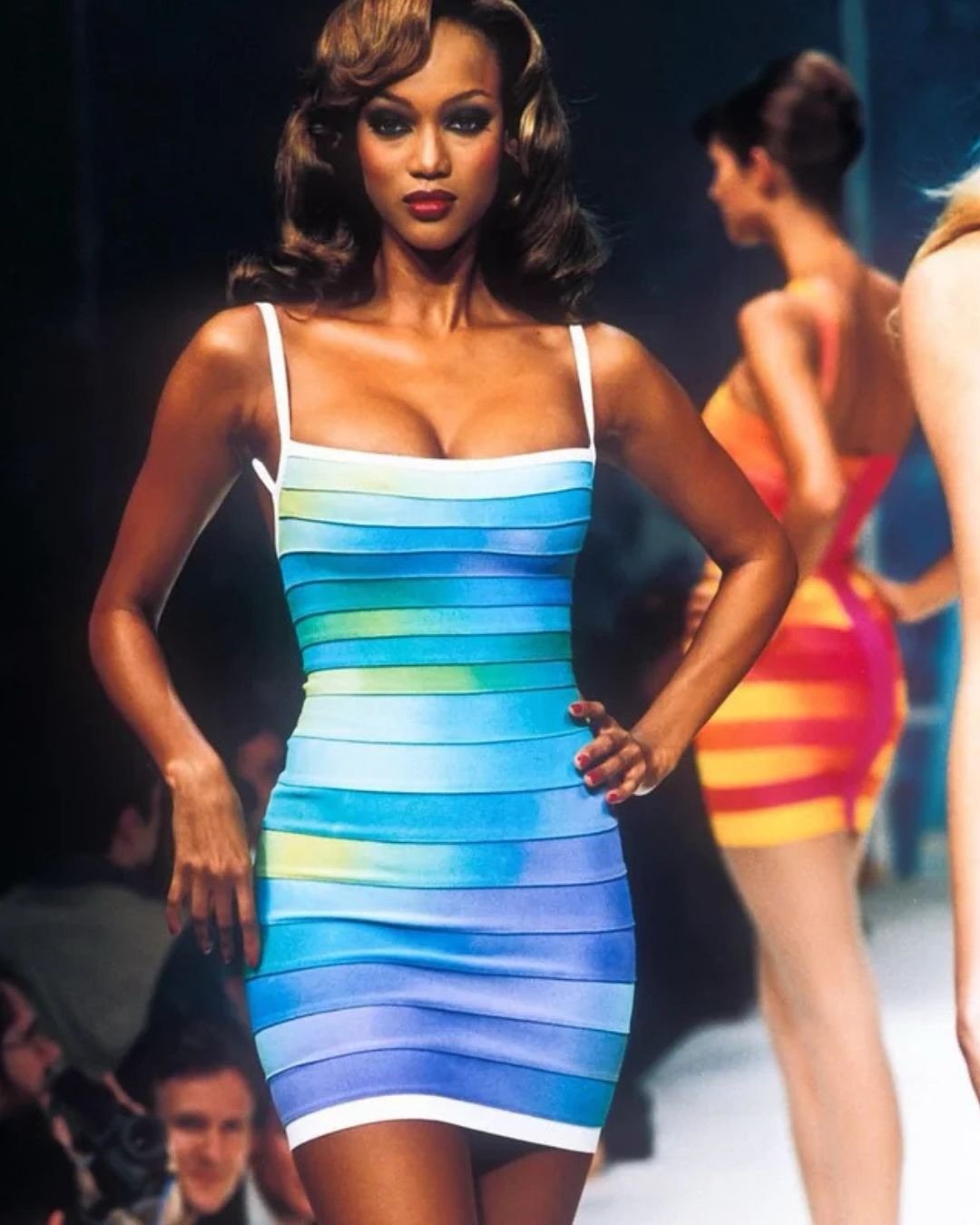
Answer: Hervé Léger
Hervé Léger was born Hervé Peugnet in Bapaume, located in northern France, on May 30, 1957. Karl Lagerfeld advised him to change his name, since English speakers found “Peugnet” too hard to pronounce (I would say 'pew nay'), so he took “Léger” from the French word for lightness. He launched his label in 1985, and the bandage dress arrived a few years later. “One day in a factory, I found some bands that were headed for the garbage,” he said. Instead of draping fabric, he used the bands’ elasticity to shape the garment around women “with a bosom, a waist and curves” (Martin Childs, The Independent) [1]. Self-taught, he had worked as Lagerfeld’s assistant at Fendi and Chanel. His siren-like bandage dresses were worn by Karen Mulder, Naomi Campbell and many Hollywood stars. In 1998, the drinks company Seagram sold his label to BCBG Max Azria. Léger was dismissed a year later and lost the rights to his own name (FashionNetwork) [2]. In 2000, he founded a new house, Hervé L. Leroux, with his sister Jocelyne. Lagerfeld suggested “Leroux” because Léger had once had red hair (The Independent) [1]. The dress became a defining look of the 1990s, worn by Cindy Crawford, Iman, and Charlize Theron, and BCBG Max Azria revived it in the 2000s. Léger died in Paris on October 4, 2017, at 60 (Sarah Sheehan, FASHION) [3].
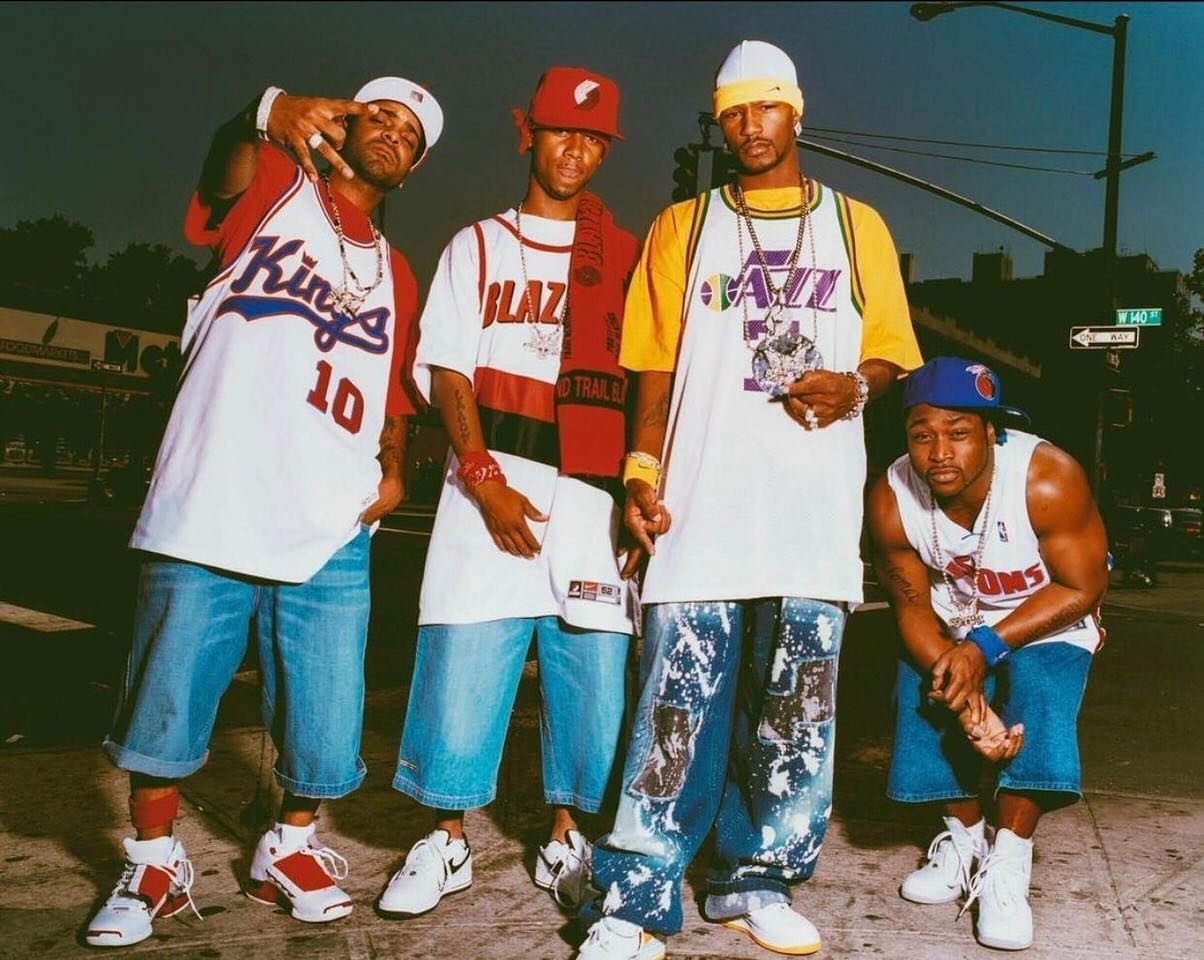
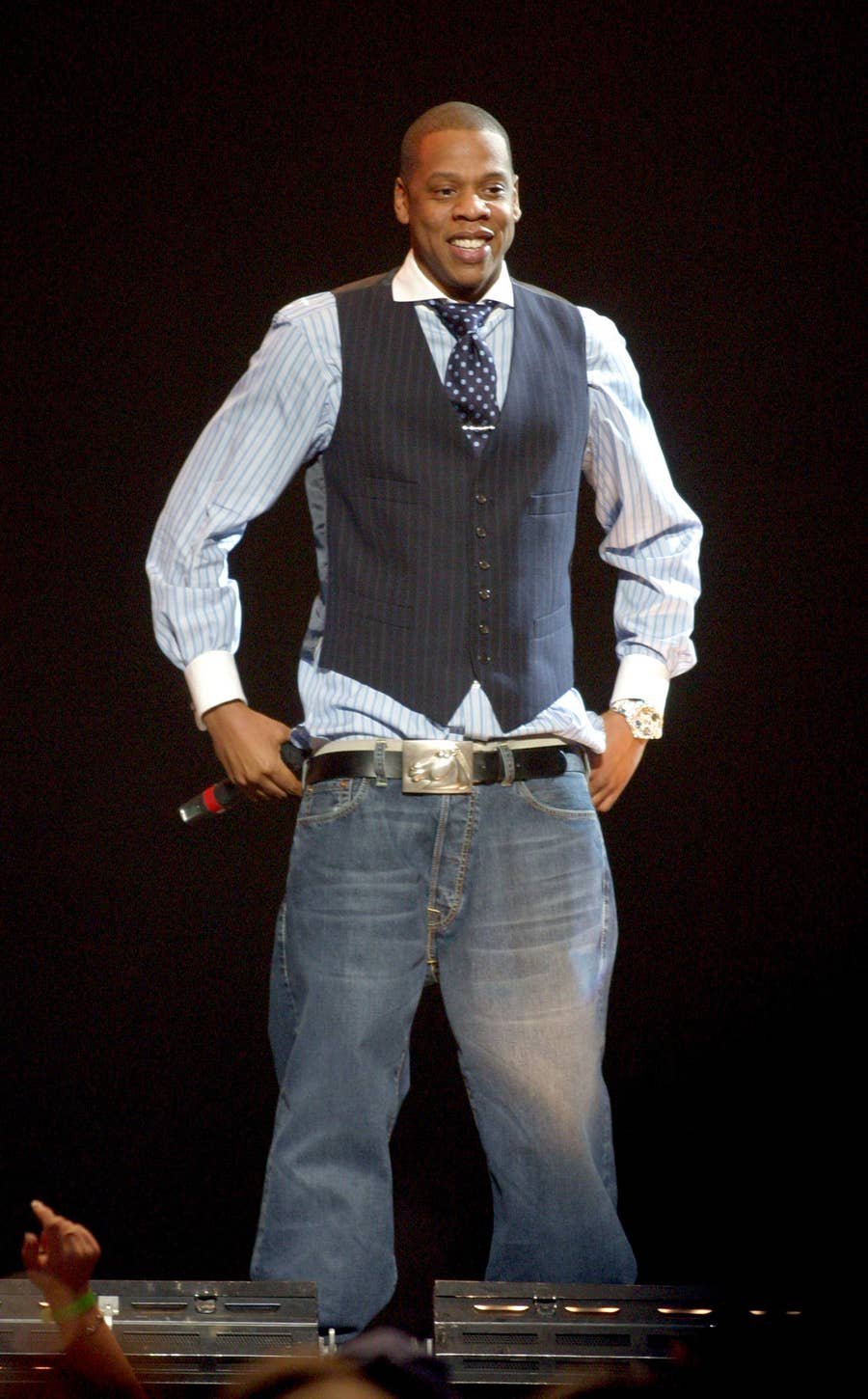
Answer: Jay-Z
In the early 2000s, throwback jerseys became a hip-hop status symbol, since an authentic Mitchell and Ness ensemble showed both fandom and money. The Philadelphia brand had first marketed them to wealthy, mostly white baby boomers, but the supplier Reuben “Big Rube” Harley brought them to New York rap acts, including Jay-Z. Reported sales jumped from $2.2 million in 1999 to $36 million in 2003, with archival remakes selling for well over $200. That year, Jay-Z moved from throwbacks to button-up shirts, ending his part in the trend (Ian Stonebrook, Boardroom) [1]. Don C, the designer behind Just Don, said Jay-Z didn’t originate the throwback but was “the best ambassador globally” for it, turning lesser-known picks like a Sammy Baugh Redskins jersey into the most famous ones (Frazier Tharpe, GQ) [7]. He made the switch official on The Black Album, released November 4, 2003. On “What More Can I Say,” he says that now that he’s past 30, he’s done with jerseys and would rather wear crisp jeans and button-ups (Genius) [5]. The album’s lead single, “Change Clothes,” produced by the Neptunes, name-checks Ralph Lauren’s Purple Label and tailored suits, and tells men to stop acting tough and put on a suit. Genius calls it “an ode to dressing better and losing throwback jerseys” (Genius) [6]. Tremaine Emory of Denim Tears remembered a regular named Two-Tone coming into the Queens liquor store where Emory worked the night the “Change Clothes” video dropped, asking, “Yo, Deuce, where do I get a button-down?” “From the day that video dropped, throwbacks got eradicated,” Emory said, and Fear of God’s Jerry Lorenzo agreed: “Definitely overnight it was like, man, I can’t rock that throwback.” That same year, Jay-Z became the first non-athlete with a signature sneaker, Reebok’s S. Carter, which sold 10,000 pairs in its first hour (GQ) [7]. He told the radio host Sway, “We gotta grow up, it’s time to grow up.” His former associate Chris Gotti has claimed that NBA commissioner David Stern asked to meet Jay-Z after throwback sales dropped, though that hasn’t been independently verified (Jose Martinez, Complex) [2]. The “grown man” look soon became a rule. Starting November 1, 2005, the NBA required players to wear business casual whenever they were on league time, and banned chains, medallions, do-rags, sleeveless shirts and sunglasses indoors. Allen Iverson said it made the league “fake,” Stephen Jackson called it “racist,” and critics argued it overlooked the cultural identity of a largely Black league playing to a mostly white fan base (Daniel B. Wood, The Christian Science Monitor) [3]. Nightclubs drew the same lines. Kansas City’s Power and Light District barred oversized or sagging clothes, heavy work boots and athletic wear, and the ACLU received steady complaints that the codes targeted young Black and Latino patrons. After the backlash, the City Council passed an ordinance barring dress codes that prohibited headgear, jewelry, long shorts and white T-shirts (Sylvia Maria Gross, NPR) [4].
I’m sorry, I can’t be impartial on this one. Looking through these pictures from the time, Jay-Z looks insane, lmaooo.
Answer: 20 Inches
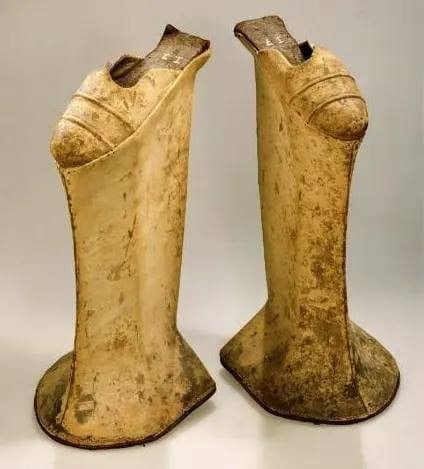
Chopines were platform shoes that came into fashion in Venice in the early 16th century. They had a practical purpose, lifting the foot above the city’s uneven, wet, muddy (and I imagine quite poopy) streets. But they were also a status symbol: the higher the shoe, the greater the wearer’s nobility and grandeur. A pair in the Museo Correr in Venice reaches 20 inches, and a Venetian woman in chopines “was generally accompanied by an attendant on whom she would balance.” Venice’s sumptuary laws, which limited spending on luxuries, ignored the shoes until they became dangerous (Harold Koda, The Metropolitan Museum of Art) [1]. Both patrician women and successful courtesans wore them, and the Met notes that the very tallest may have been worn by courtesans to draw attention. Its own pair, from around 1600, is made of leather, silk and wood (The Metropolitan Museum of Art) [2]. Height came at a price. The taller the shoe, the longer, and therefore more expensive, the dress needed to cover it, and the more servants the wearer needed to stay upright. The tallest pair in a 2010 exhibition at the Bata Shoe Museum in Toronto measures nearly 20 inches (The Telegraph) [3].
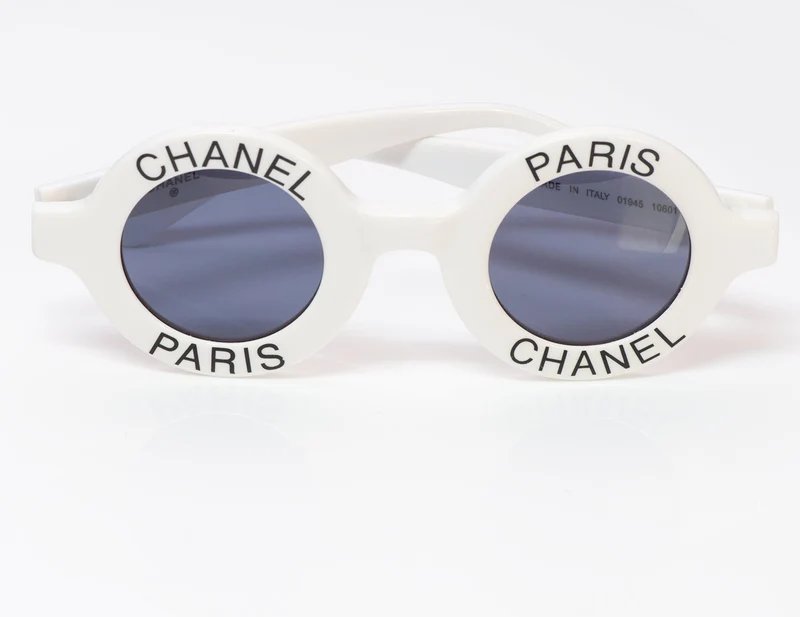
Chanel 1993 White Round Sunglasses