
November 18, 2026
The issue of November 18, 2026
Every question from this issue, with the answers, the hints and the reading behind them.
Play the November 18, 2026 issue
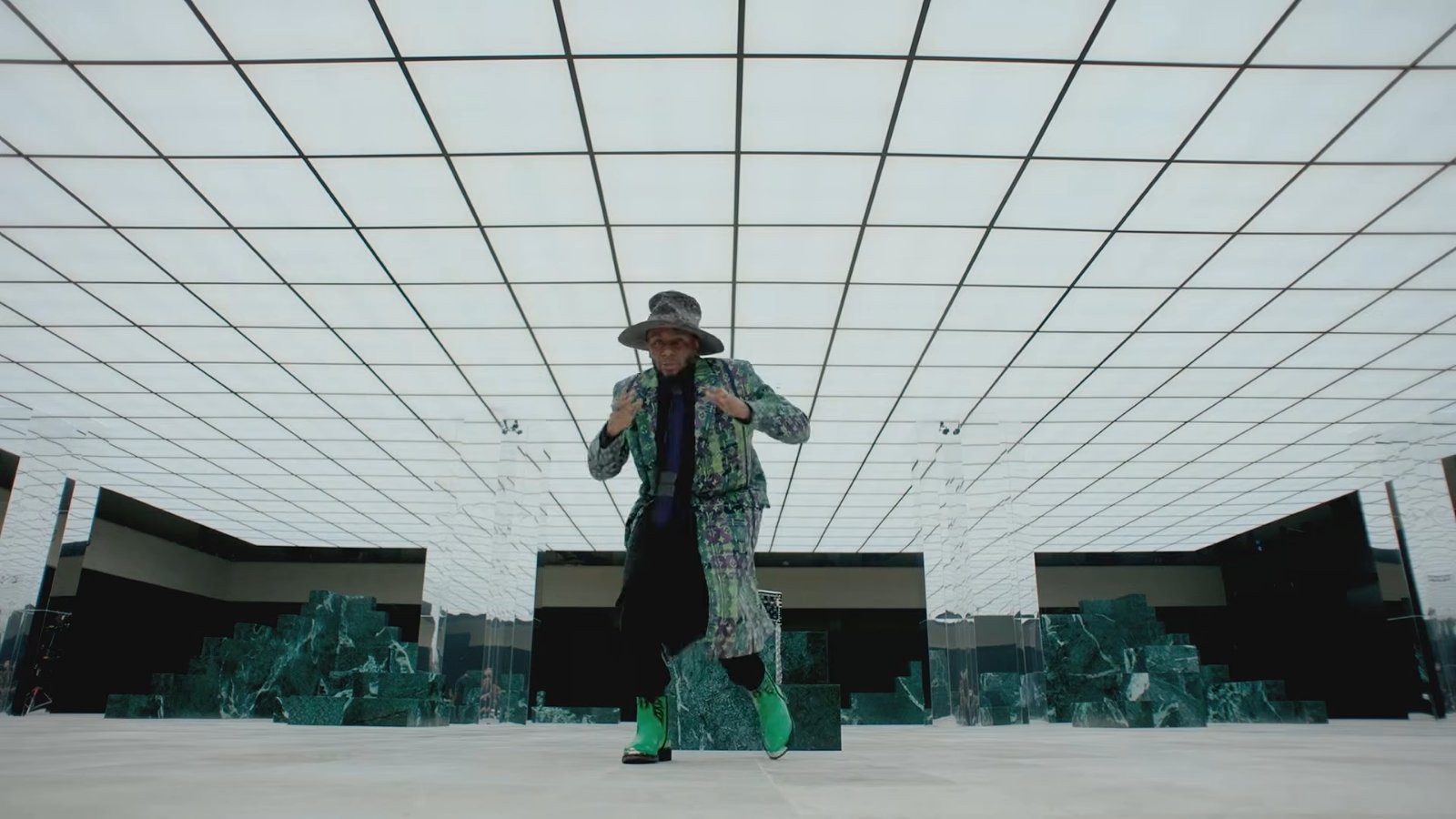
House: Louis Vuitton · Designer: Virgil Abloh · Season: Fall/Winter 2021 - Peculiar Contrast, Perfect Light
This is probably my favorite Virgil Abloh Louis Vuitton show. I always had a passive interest in fashion, but Virgil was one of the designers who made me really fall in love with it and all its lore. RIP.
Dazed’s Emma Elizabeth Davidson praised the collection for its wit and the way it broke boundaries, reading it as Virgil Abloh’s architecture training finally meeting his fashion (Dazed) [1]. nss magazine’s Lorenzo Salamone called it one of Abloh’s most successful collections for Louis Vuitton, singling out the skyline outerwear and the monogram Airplane-Keepall bag as the standout pieces (nss magazine) [2].
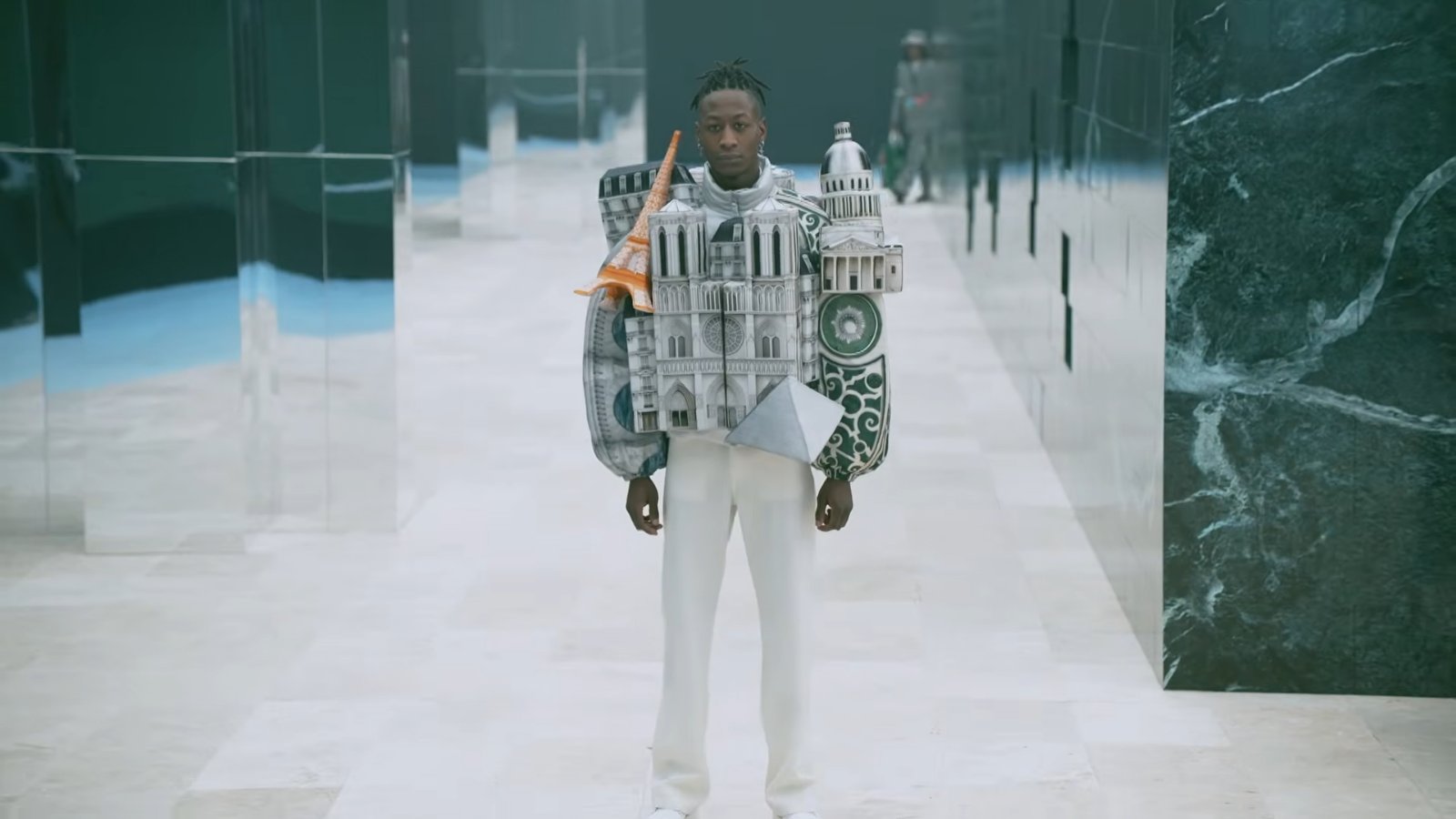
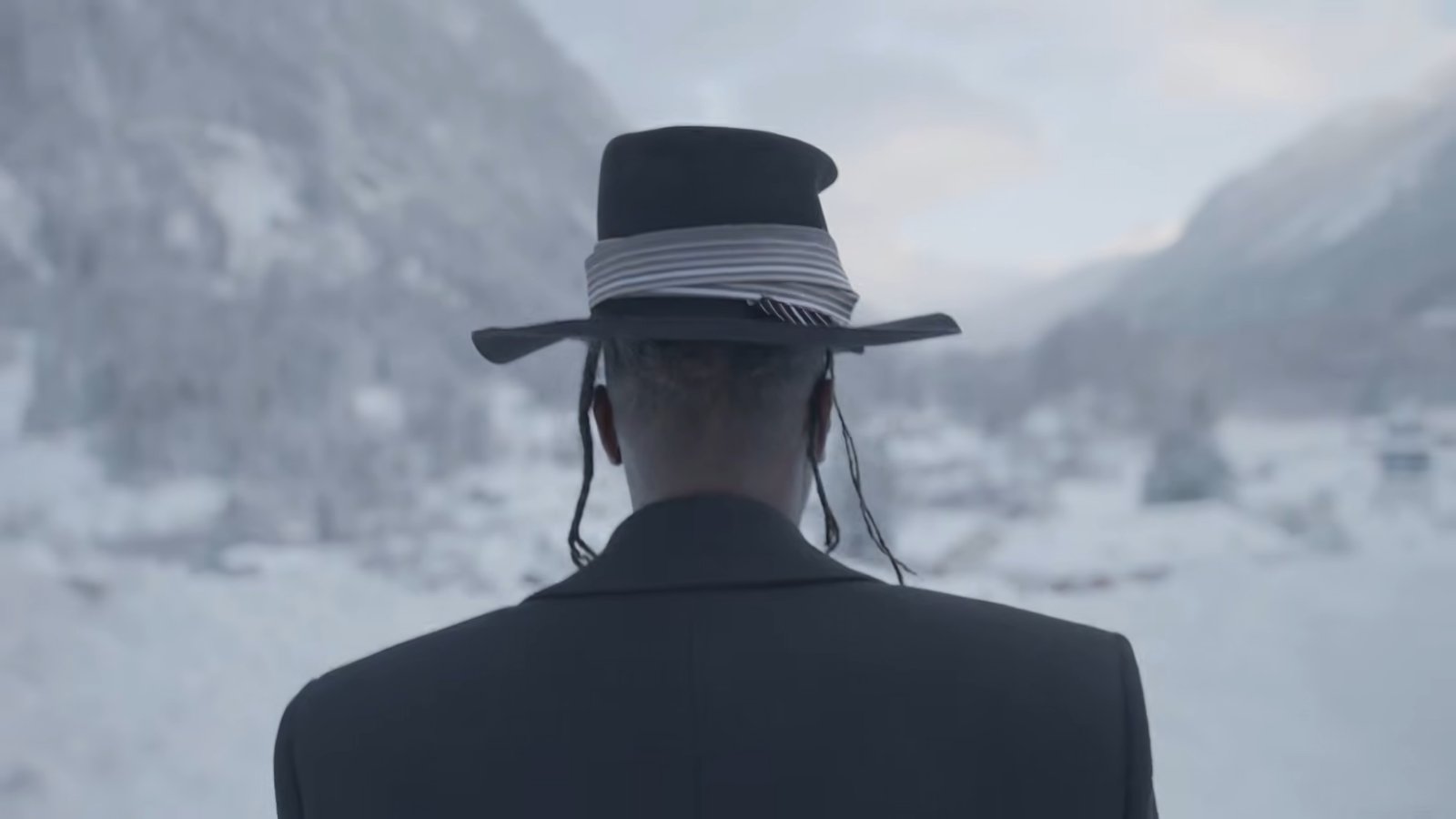
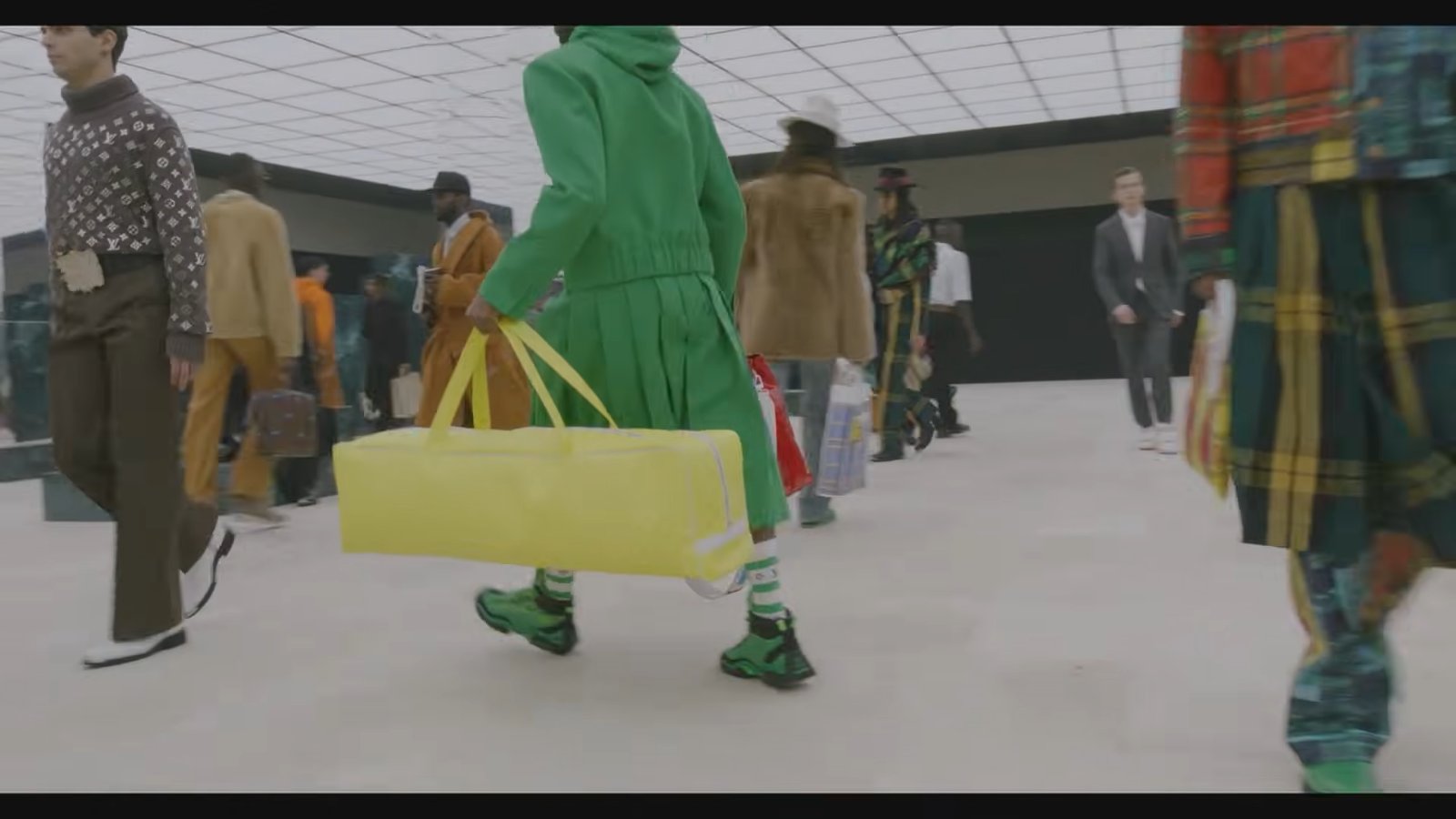
The show was presented as a film during Paris Men’s Fashion Week on January 21, 2021, when the pandemic had shut down travel. Its tagline was “If you can’t go to the city, bring the city to you,” and the invitation was a flight recorder box holding the parts for a wooden plane, along with a Louis Vuitton airline sick bag. The film was based on James Baldwin’s 1953 essay “Stranger in the Village,” and featured Saul Williams, Yasiin Bey and Kai-Isaiah Jamal. Abloh wrote that the season explored “the presumptions we make about people based on the way they dress: their cultural background, gender, and sexuality.” The looks included jackets topped with skyscrapers, the Eiffel Tower and the Louvre pyramid, kente cloth made from Scottish tartan, durags worn with Stetson-style hats, and skirts layered over trousers (Emma Elizabeth Davidson, Dazed) [1]. Abloh framed the collection around “Tourist vs. Purist,” writing that “applied to fashion, the idea of ‘Tourist vs. Purist’ can echo that of low vs. high,” and he called the process of turning clothes into miniature cities “monumentamorphosis” (Lorenzo Salamone, nss magazine) [2]. Titled Peculiar Contrast, Perfect Light, the film was directed by Wu Tsang and mixed dance, ice skating and poetry. It was shot in Paris and in a Swiss mountain village, on a set inspired by Mies van der Rohe and Lilly Reich’s 1929 Barcelona Pavilion. Abloh called Mies “my other Michael Jordan.” Baldwin’s essay recalls his time as the only person of color in the Swiss village of Leukerbad in the 1950s, and the show notes said the collection explored being Black in Europe and a Black artist in the birthplace of European art (designboom) [3].
Tourist vs. Purist was an idea Abloh returned to throughout his career. His seven-point manifesto, “Personal Design Language,” included designing for “the tourist and purist simultaneously” (Harvard Gazette) [4]. He described the tourist as someone “bright-eyed, curiosity-driven, that has a lust for learning,” and told Vogue that “a tourist is someone who’s eager to learn, who wants to see the Eiffel Tower when they come to Paris.” The purist, he said, “is the person who knows everything about everything,” the one who dismisses new work as already done (Om Malik) [5]. For this collection, he framed the pair as outsiders versus insiders. “I’m trying to make space for them to interact,” he said, describing his hope for “a melting pot, a way forward for harmony” (The Business of Fashion) [6].
Tourist vs. Purist, to me, is about how long you’ll stick around, and what for. Some are drawn to what's popping at the time and where it’s popping, and then go home when the noise subsides, oftentimes taking the speakers, in whole or in parts, back home with them. Others have the patience and care to build up a culture, nourish it, water it, watch it grow, watch the next generation inhabit it, and guide them in doing so. I also read it as a take on gentrification (like the Hood By Air show from a little while back): people move in for the culture and then, intentionally or not (often intentionally), make it stagnate and go stale. The tourists fail to maintain that purity. I also see it as a person having to prove they belong, having to conform, and struggling to stay pure and avoid being corrupted. Consider that purity perhaps doesn't deserve to be maintained and that it's corrupted in its own way and that it takes the outsider to change that, much like a lawman or cowboy drifting into a town with a bandit for mayor and callousness as currency. What I see here: we make the home. Culture is built on the backs of the people, and that culture imprints itself back onto them. I don't think this show is about finding your place in the world, but rather finding a world that you can place yourself in and plant at the core of it a seed that will one day sprout and steward over the people who once nourished it.
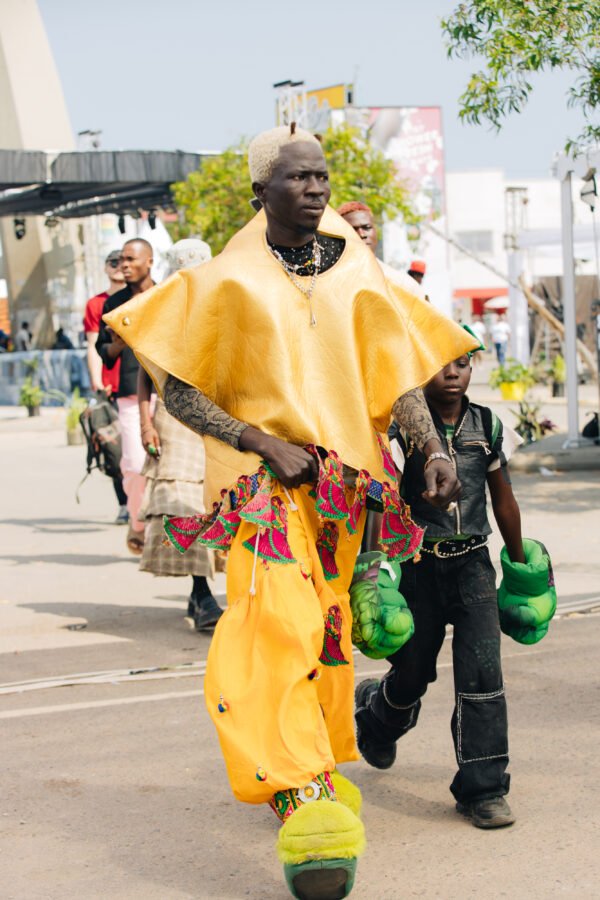
Answer: Secondhand and upcycled clothing.
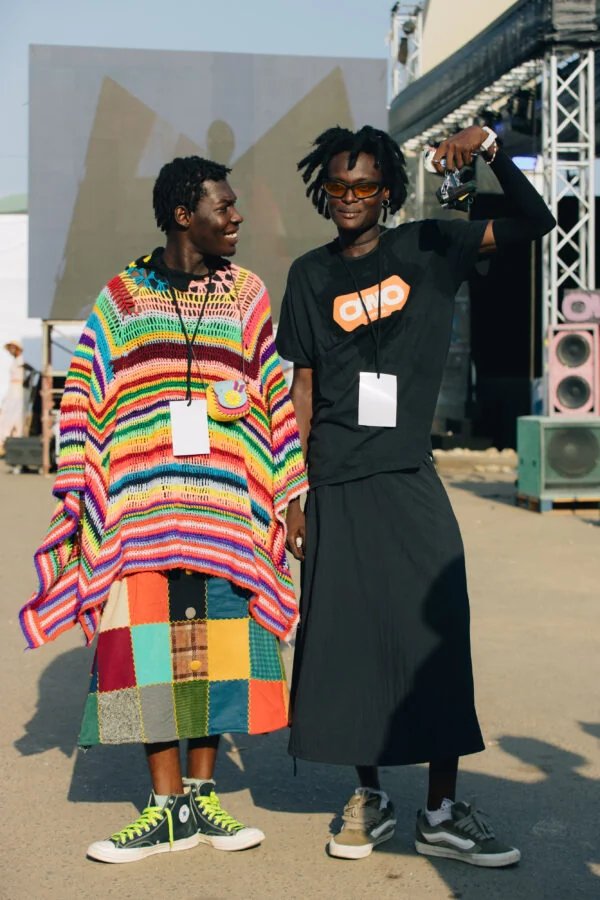
Obroni Wawu October, or OWO, began in 2022 as a celebration of fashion, creativity, community and upcycling, “created by, for and with the Kantamanto community” in Accra (The Or Foundation) [1]. Kantamanto is Ghana’s largest secondhand clothing market, and the first OWO there was a single-day event. Strong turnout made it an annual festival, and its founder, Sammy Oteng, moved it from a stage to an open space so more people could join in. The 2023 edition ran over several days. It included a free “Foose Friday” party where guests wore secondhand clothes, a Circle Talk hosted by The Or Foundation with participants from eight countries, and a finale at Rawlings Park with a runway of Kantamanto upcycling designers, pop-up shops, live alterations and a “drip contest” with a GH¢2,000 prize. “None of the designers are formally trained, they are all people who took interest in shopping in Kantamanto,” Oteng said (Efia Akese, Graphic Online) [2]. “Obroni wawu” literally translates to “dead white person,” the colloquial name for used clothing shipped from the West. Organizers reframed the discarded garments as a story of rebirth, creativity, and circular fashion (Sena Walter, 3Music) [3]. Kantamanto receives about 15 million used clothes from the Global North every week. In January 2025, a fire destroyed nearly two-thirds of the market and affected about 10,000 traders (Semafor) [4]. That October, OWO returned to Rawlings Park with upcycling challenges, the Foose Drip Contest, the Kanta Talent Show, and performances by Joey B and Sister Derby (3Music) [3]. The 2026 edition, OWO’s fifth, ended on October 25 with The Upcycling Bazaar at Untamed Empire in Accra (The Or Foundation) [1]. A great story I came across!
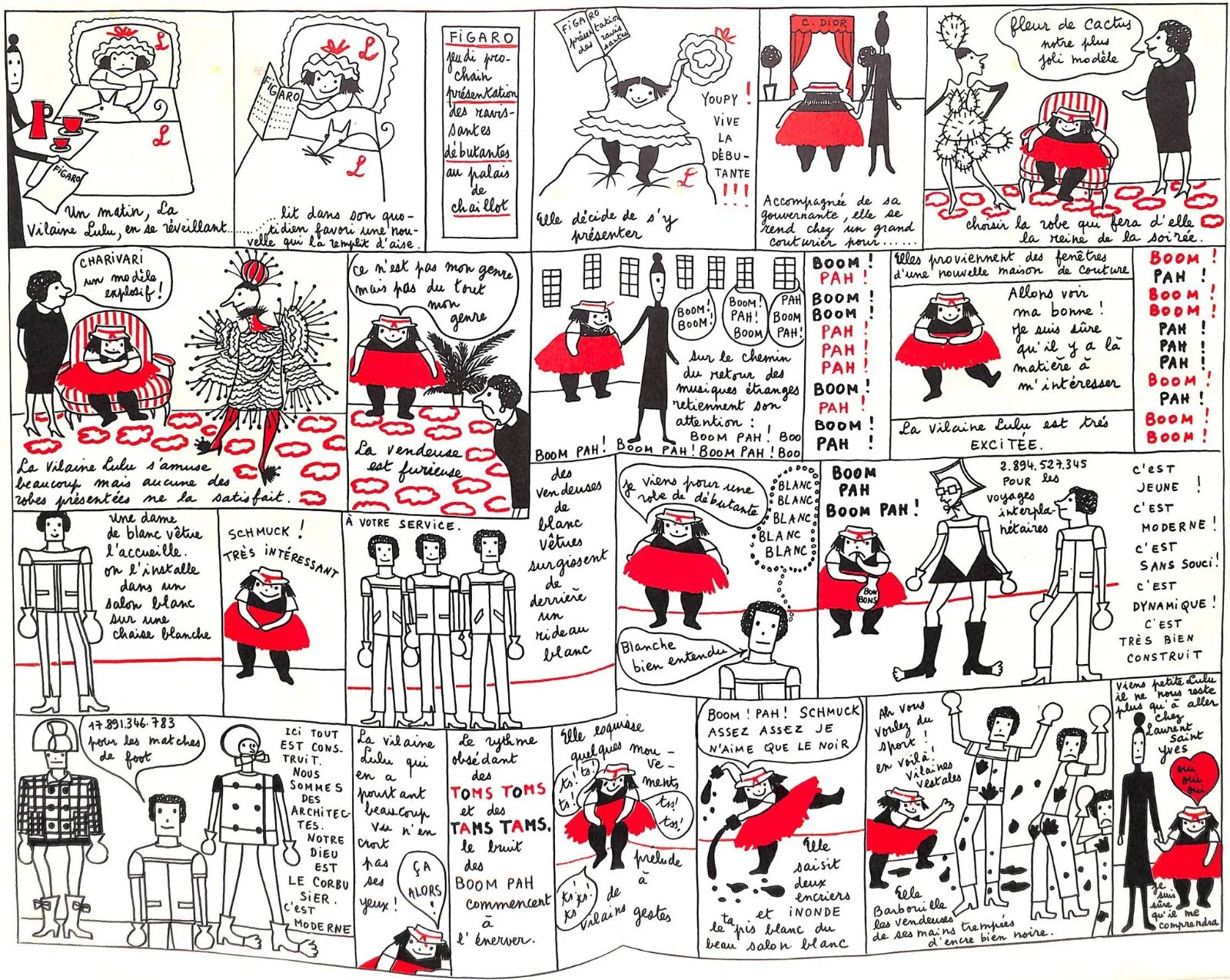
Answer: A comic book
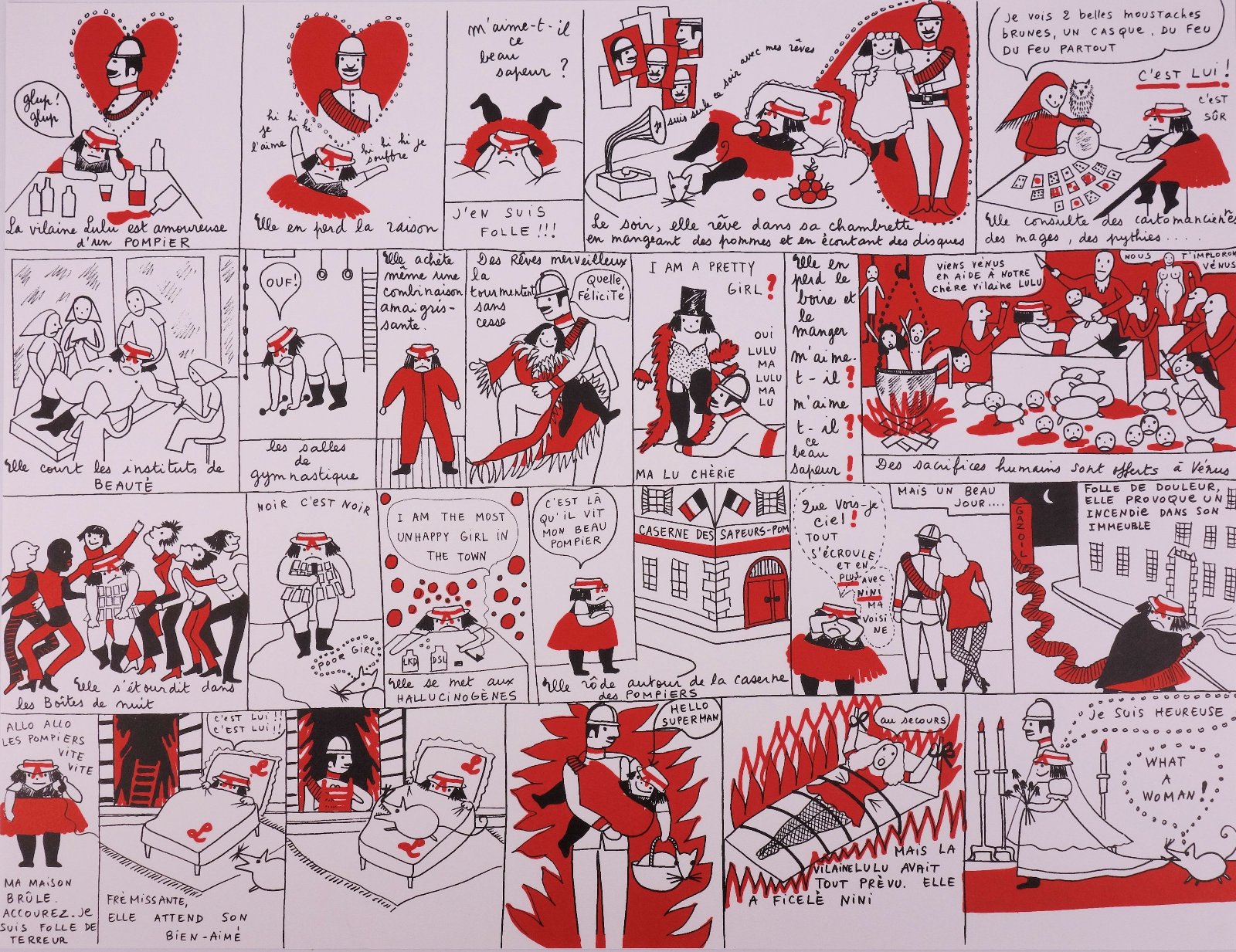
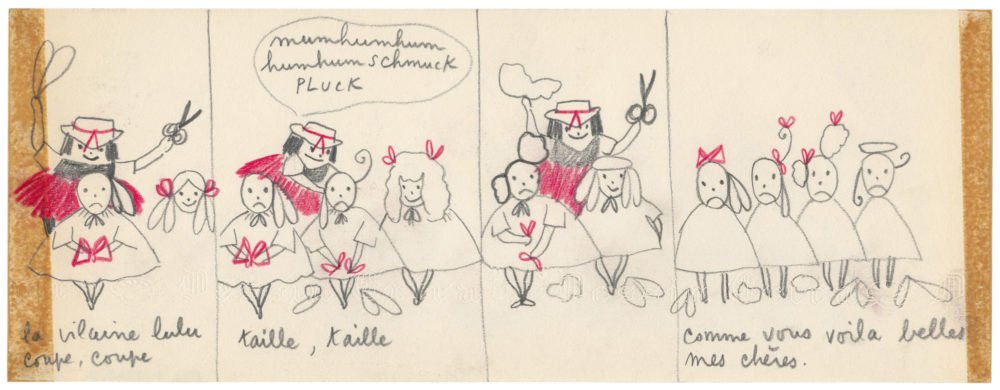
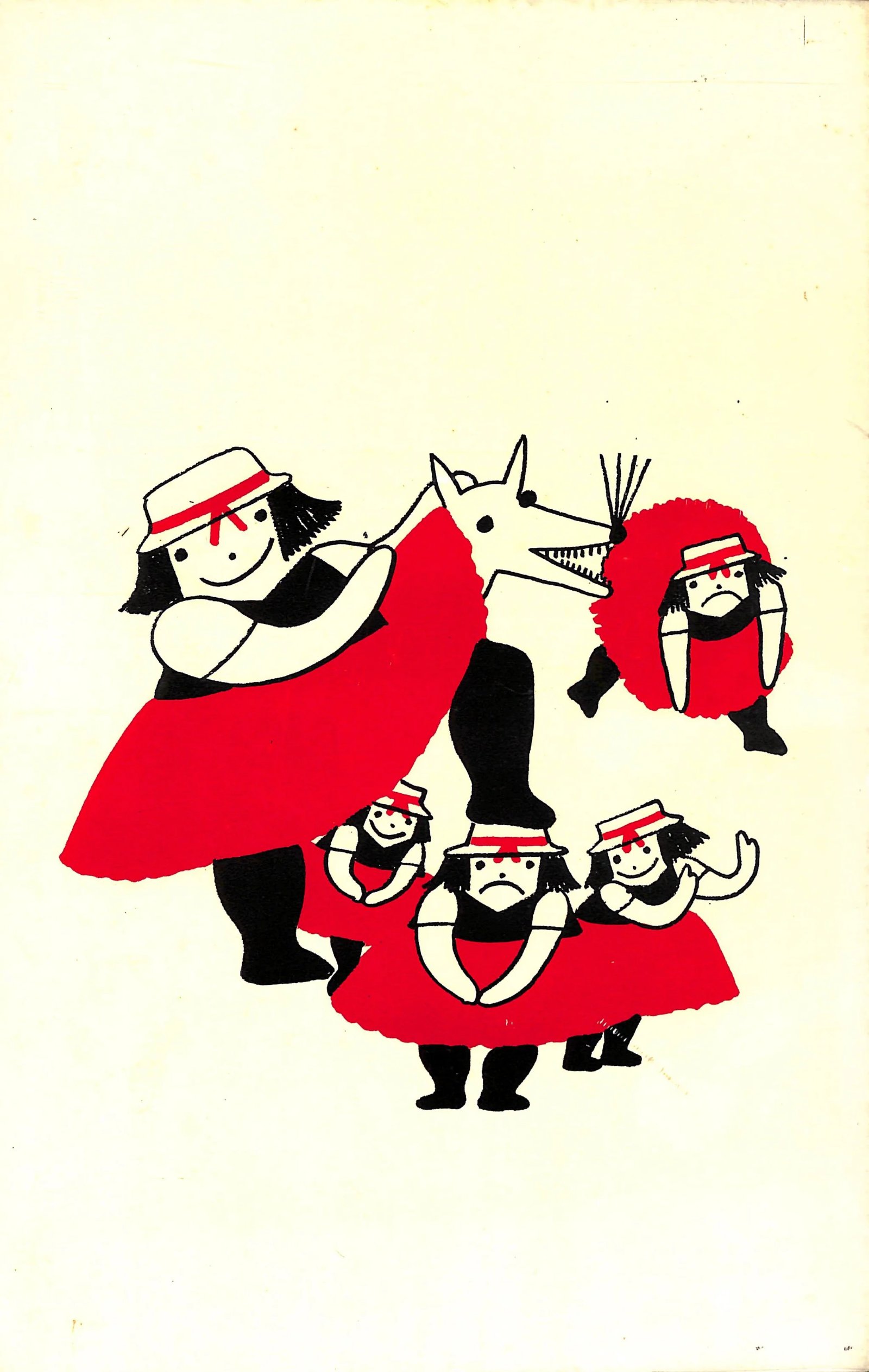
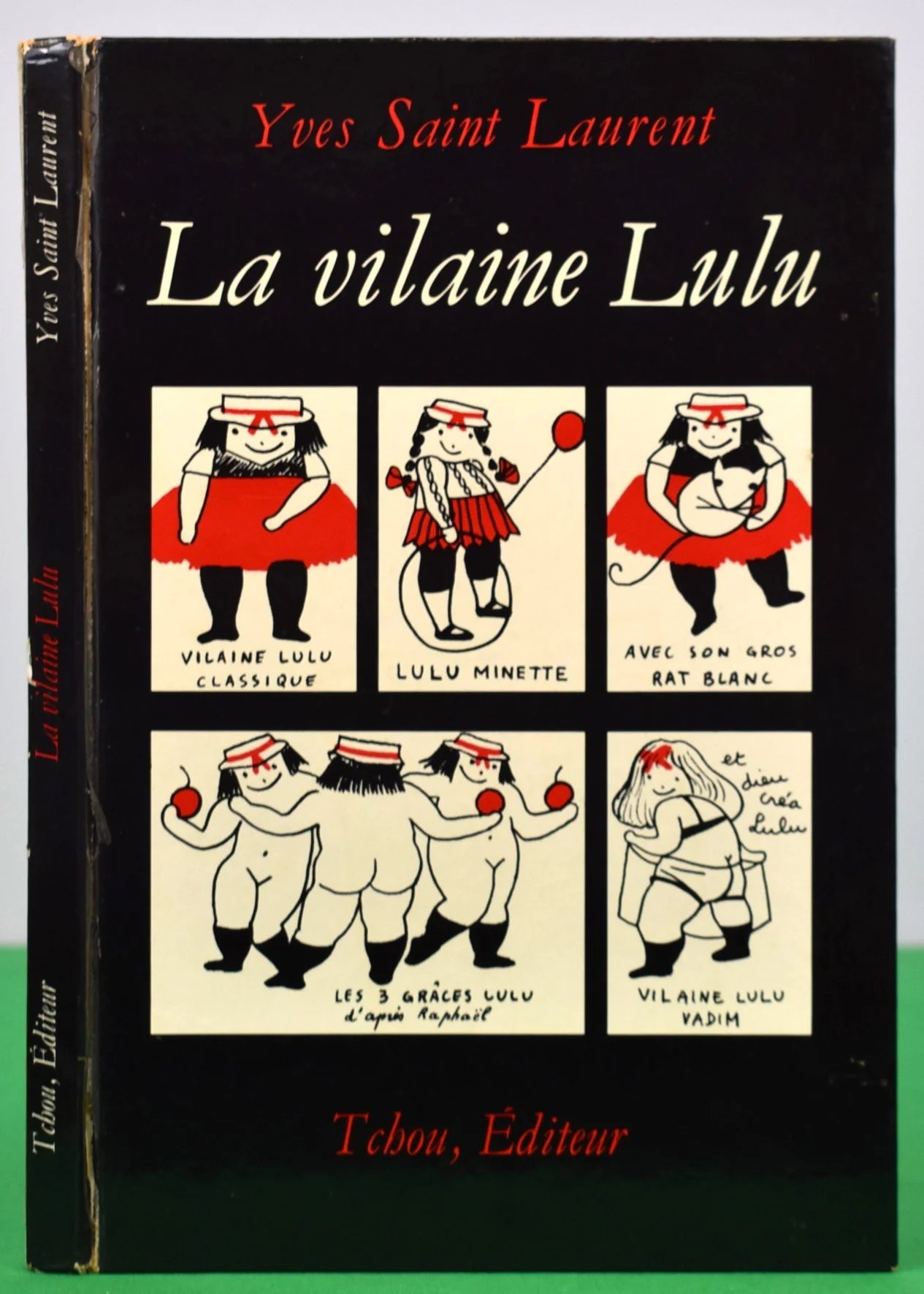
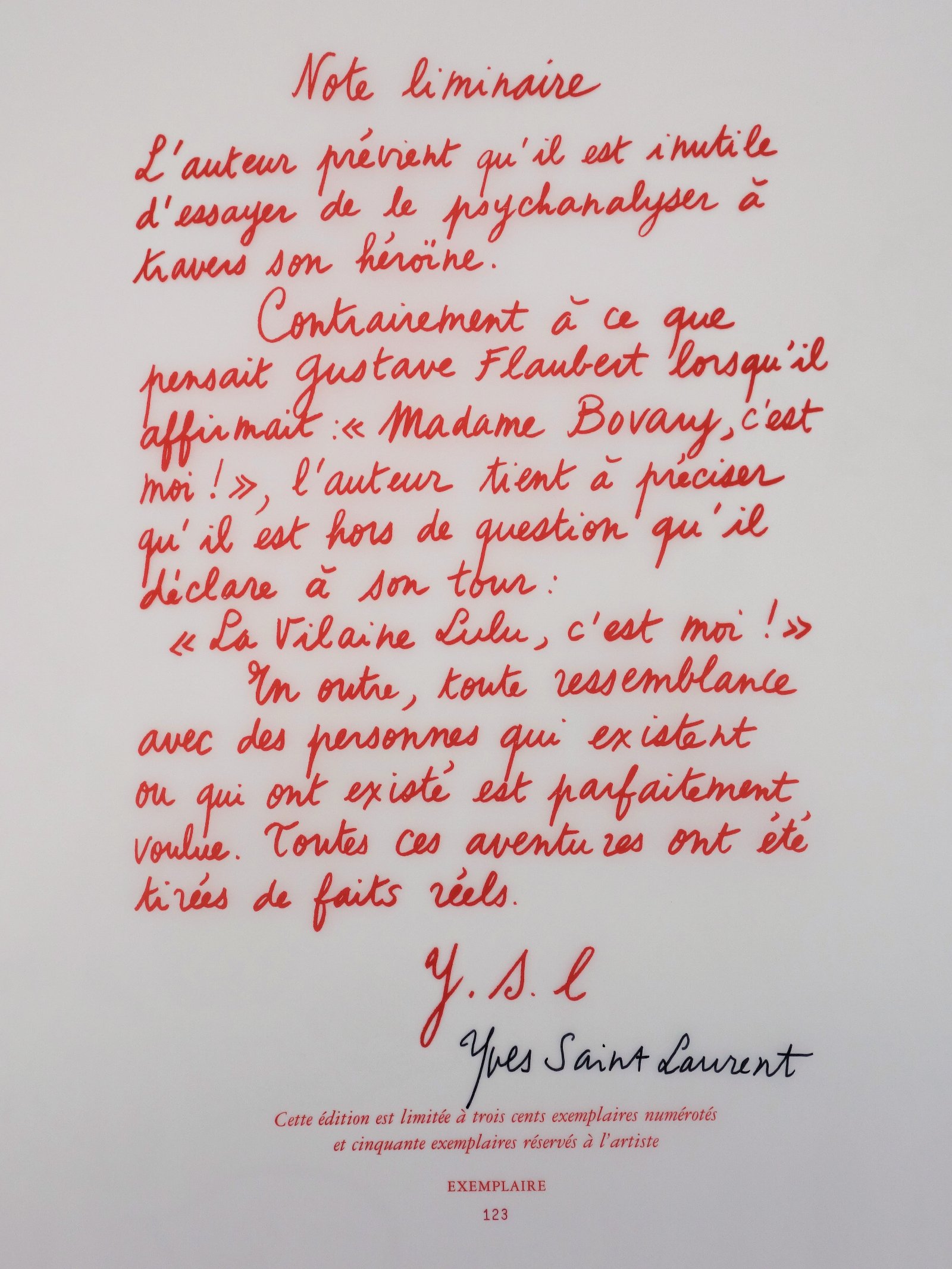
In 1956, while working at Christian Dior, the young Yves Saint Laurent began drawing La Vilaine Lulu, or “Naughty Lulu,” a comic strip about a mean little girl who rebels against society’s rules, norms, and tendencies. The name came from a joke: Saint Laurent told Jean-Pierre Frère, a Dior colleague who dressed up after 6 p.m., “You are la vilaine Lulu.” The strip became the young couturier’s “scathing and humorous take on his era.” Ten years later, the novelist Françoise Sagan encouraged him to publish it, and Éditions Tchou released the album in 1967. His introduction warned, “toute ressemblance avec des personnes qui existent ou qui ont existé est parfaitement voulue,” meaning that any resemblance to real people, living or dead, is entirely intentional. He also insisted that it was out of the question to claim “I am la Vilaine Lulu!” The album has been reissued three times (Musée Yves Saint Laurent Paris) [1]. The first edition ran about 127 unnumbered pages at 12½ by 8½ inches, and a copy has sold for $500 (The Cary Collection) [2]. In 1985, Lulu returned in a series of offset lithographs, including La vilaine Lulu et le pompier, or “Naughty Lulu and the Fireman,” in an edition of 300 (Plazzart) [3].
Answer: Sugar
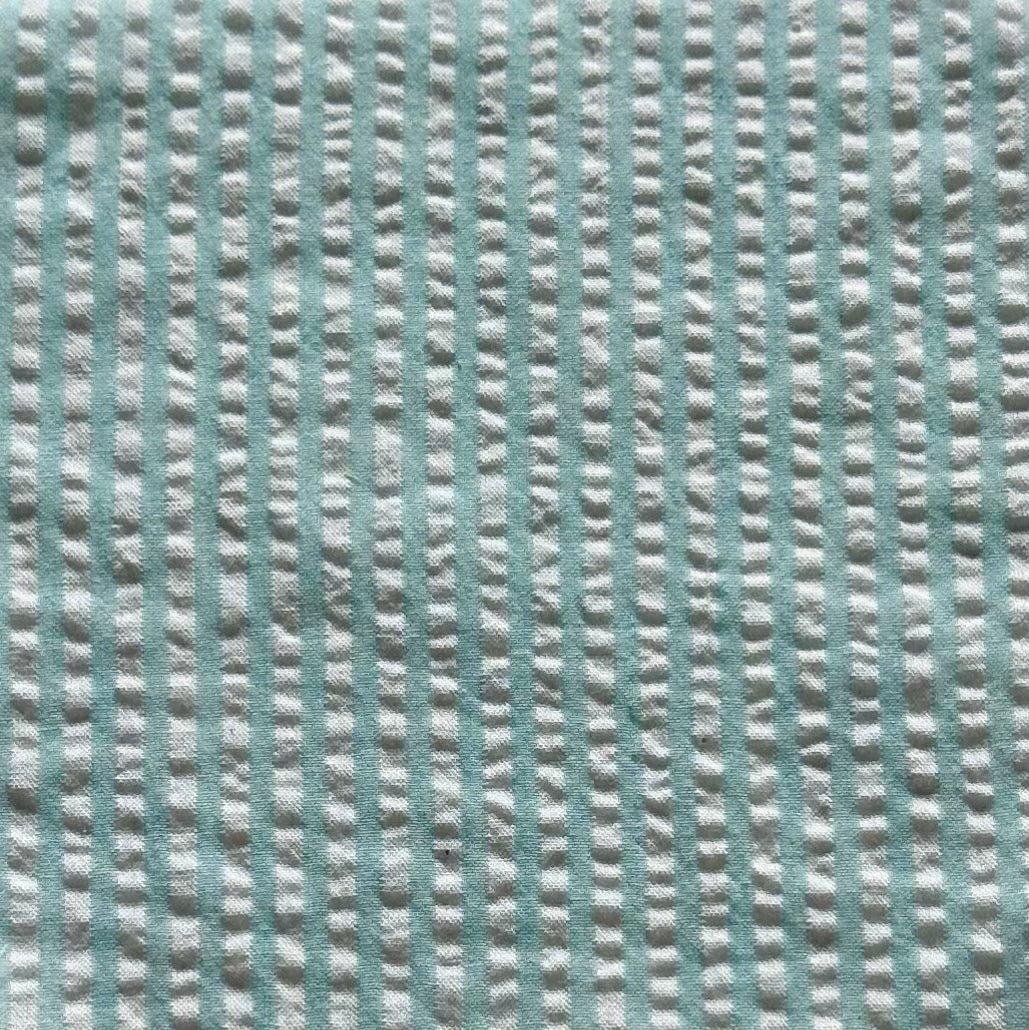
Seersucker is a light fabric of linen, cotton or rayon, usually striped and slightly puckered. Its name comes from the Hindi and Urdu words for “milk and sugar,” borrowed from the Persian “shīr-o-shakar,” first recorded in English in 1722 (Merriam-Webster) [1]. The name refers to the fabric’s alternating smooth and puckered stripes, and the cloth was first imported from the East (Etymonline) [2]. In 1909, the New Orleans merchant Joseph Haspel began popularizing the seersucker suit as lightweight cotton that wrinkles naturally and holds up in humidity (Kinsey Gidick, Garden & Gun) [3]. Senator Bill Cassidy credits Haspel with designing the first seersucker suit at his Broad Street plant, and quotes him as saying, “hot is hot, no matter what you do for a living” (Office of Senator Bill Cassidy) [4]. In 1996, Senator Trent Lott started Seersucker Thursday to show that “the Senate isn’t just a bunch of dour folks wearing dark suits.” That was despite a 1986 Senate memo warning that “Striped seersucker suits and striped shirts are really bad” on TV, since the fine stripes blur on camera. After the tradition lapsed in 2012, Cassidy revived it in 2014 as National Seersucker Day (Garden & Gun) [3].
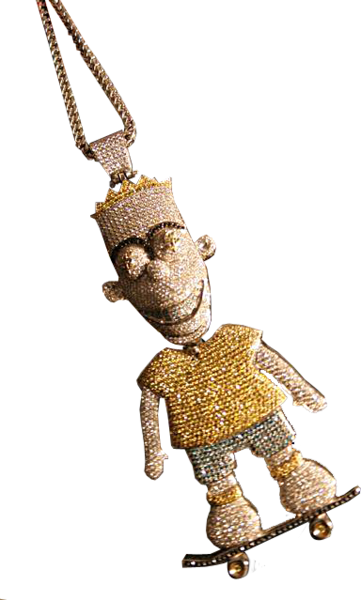
Gucci Mane's Bart Simpson Chain. "I got a iced out Bart where my heart used to be."