November 14, 2026
The issue of November 14, 2026
Every question from this issue, with the answers, the hints and the reading behind them.
Play the November 14, 2026 issue
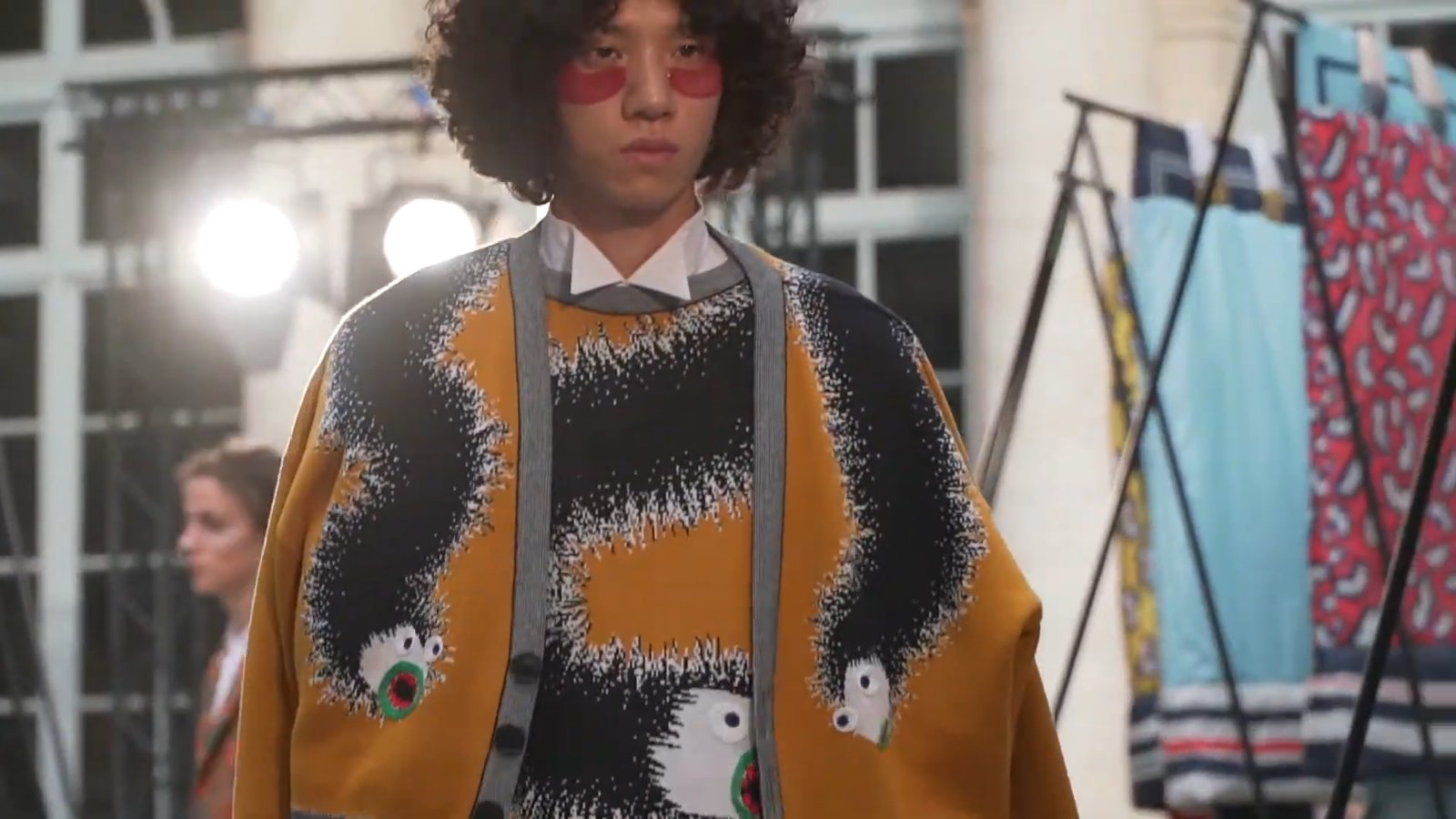
House: Henrik Vibskov · Designer: Henrik Vibskov · Season: Spring/Summer 2018 - The Great Chain of Sleepers
Nicolaus Li of Hypebeast called the collection eccentric and color-heavy, built on “playful prints and geometric lines” (Hypebeast) [1]. Elli Ioannou of Design and Art Magazine wrote that “the process of creating a collection was the focal point of the storytelling.” She singled out “Vibskov’s charming caterpillar monsters” winding across tops, along with red and white art smocks and kimono-style brocade robes (Design and Art Magazine) [2].
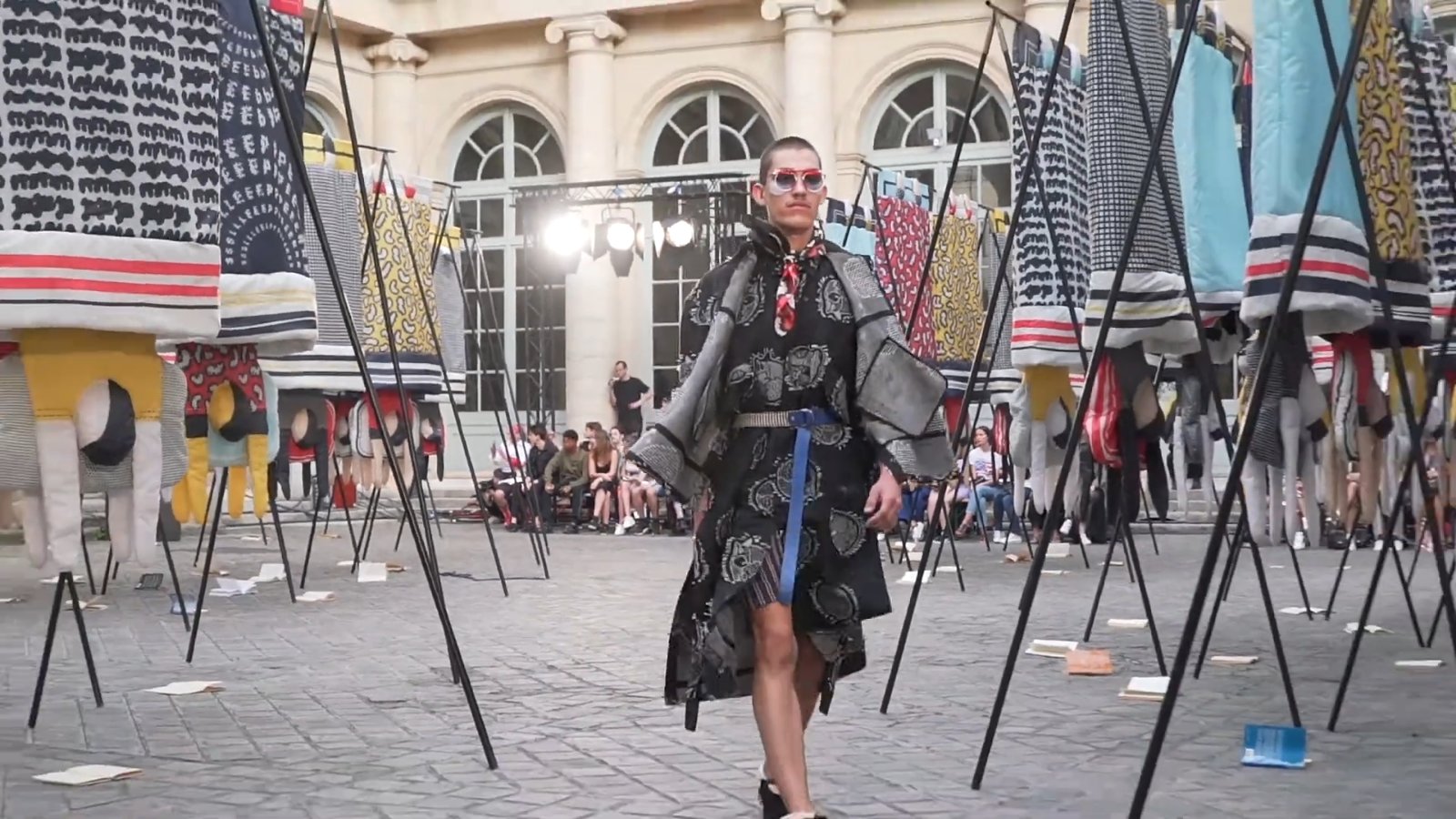
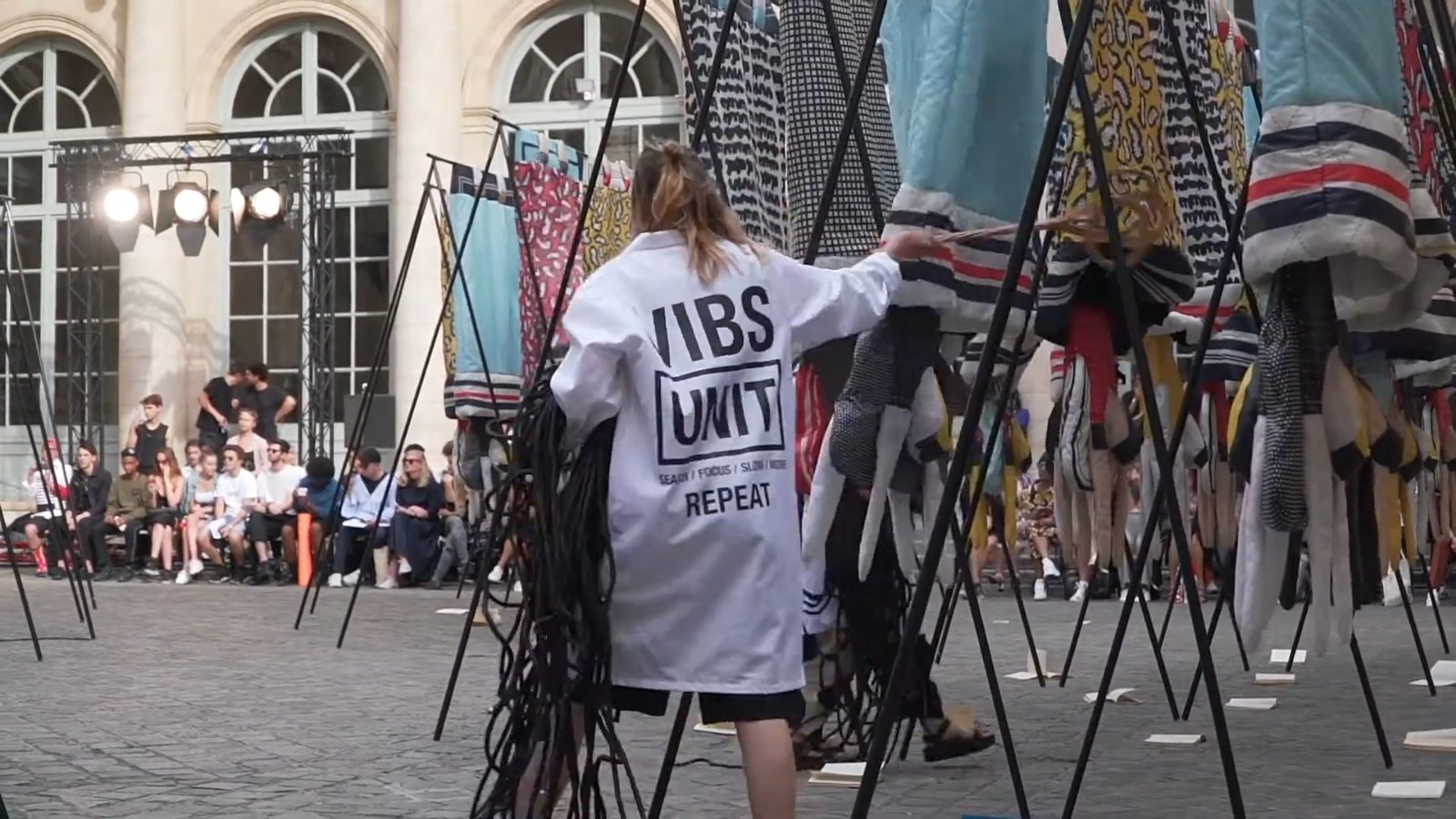
The collection is called The Great Chain of Sleepers, and it’s about sleep: unusual places to sleep, insomnia, night visions, monsters under the bed and wrinkled bedsheets. The idea came from the previous season, when a performer fell asleep for a few minutes while filming Vibskov’s Fall/Winter 2017 show, “The Five O’Clock Leg Alignment.” Sleeping bags shaped like giant caterpillars hung upside down across the set, and Bastian Zeiselmair designed the sound (Freya McOmish, Scandinavia Standard) [3]. The show was staged in the courtyard of the École de Médecine in Paris, where 18th-century neoclassical columns stood behind the clothes. Black pillows marked “sleepers” hung from tall wooden poles above open books, and performers in white lab coats (à la Margiela) unwrapped bundles of printed duvets and beat them with brooms [2]. The clothes carried prints of people sleeping under colorful blankets, on sporty taupe suits, alongside white and blue striped pajama shirts, and some models wore under-eye masks (Patrizia Wilk d’Elia, COEVAL Magazine) [4]. Vibskov grew up in a farming family, graduated from Central Saint Martins, and started his label in 2001. He’s also a drummer and a set designer, and he stages his shows as installations: for Fall/Winter 2009’s “Human Laundry Service,” models powered hamster wheels (Culture Trip) [5].
The books read to me as bedtime stories, and the pillows and duvets as deep sleep, when we’re one with the bed, and comforted with comforters. What’s a good night’s rest? One where you dream of happiness? One where your anxiety is confirmed? One where you wake up at all? I actually considered becoming a somnologist, a sleep doctor, as a career path (didn't dream big enough at the time). Dreams really interest me, especially how involuntary they are. Mine tend to be very lucid and play out like movies. Over the past few years, I’ve been having more dreams within dreams, which from what I understand is concerning, but to me it’s a welcome plot twist. There were times in my life when I was afraid to fall asleep, like I could feel a dream creeping up on me. Sometimes I’d even hear a humming in my ear, a whooshing like deep-sea sonar, or a solar spaceship hovering over me, waiting to attack my brain. I always fell asleep anyway, and to this day, I still wake up. One time I dreamt about medieval drug dealers; that was cool. Dreams are the heart's printing press that presents us with stories we need to experience, whether we want to or not. Wake it up!
Answer: “Dress as though your life depends on it, or don’t bother.”
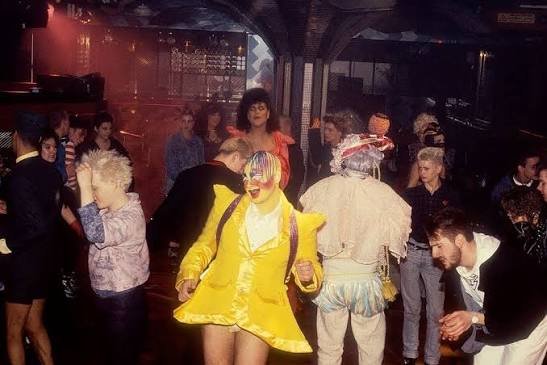
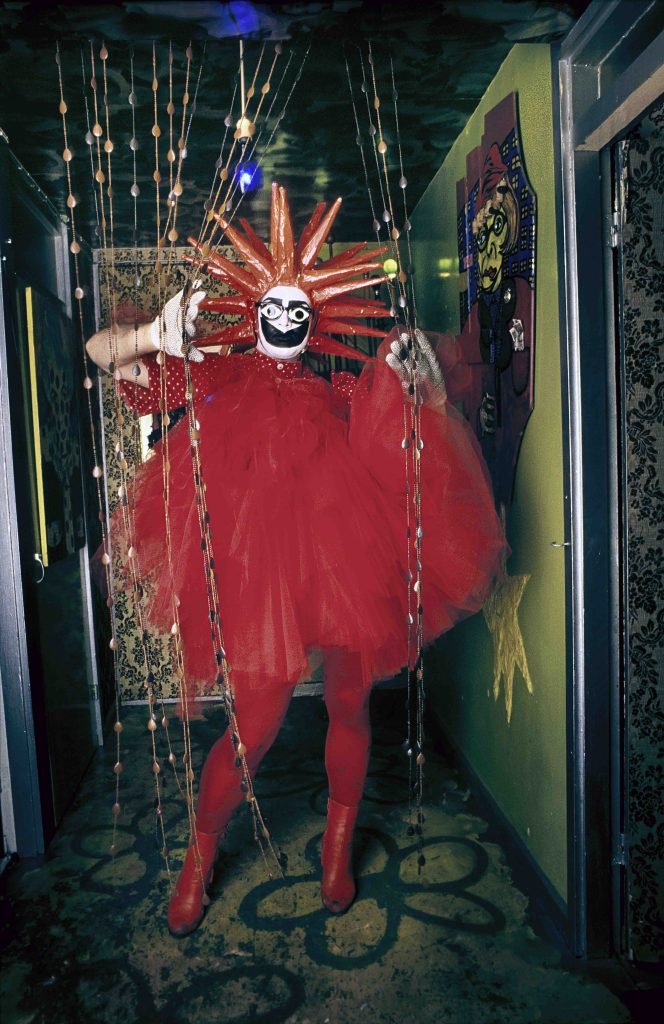
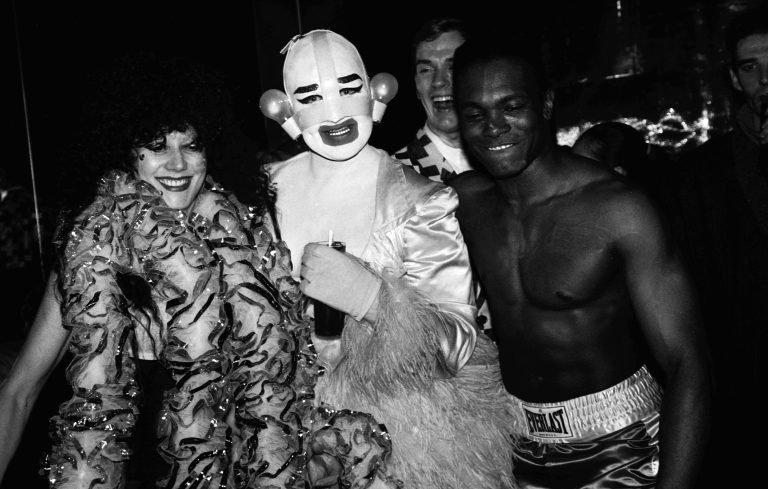
Leigh Bowery was born in 1961 in Sunshine, a suburb of Melbourne, Australia, and moved to London in 1980 (Naomi Attwood, Dazed) [1]. In 1985, he and promoter Tony Gordon started Taboo, a Thursday club night that Time Out called “London’s sleaziest, campest and bitchiest club of the moment” and “the most fashionable place to see-and-be-seen.” Its dress code was “Dress as though your life depends on it, or don’t bother.” The doorman, Marc Vaultier, held a hand mirror up to badly dressed guests and asked, “Would you let yourself in?” Jeffrey Hinton was the main DJ. Bowery met the painter Lucian Freud there, who painted him in 1991. From 1984 to 1992, Bowery designed costumes for dancer Michael Clark’s company, and Leigh died young on December 31, 1994, at 33 from an AIDS-related illness (Tate Modern) [2].
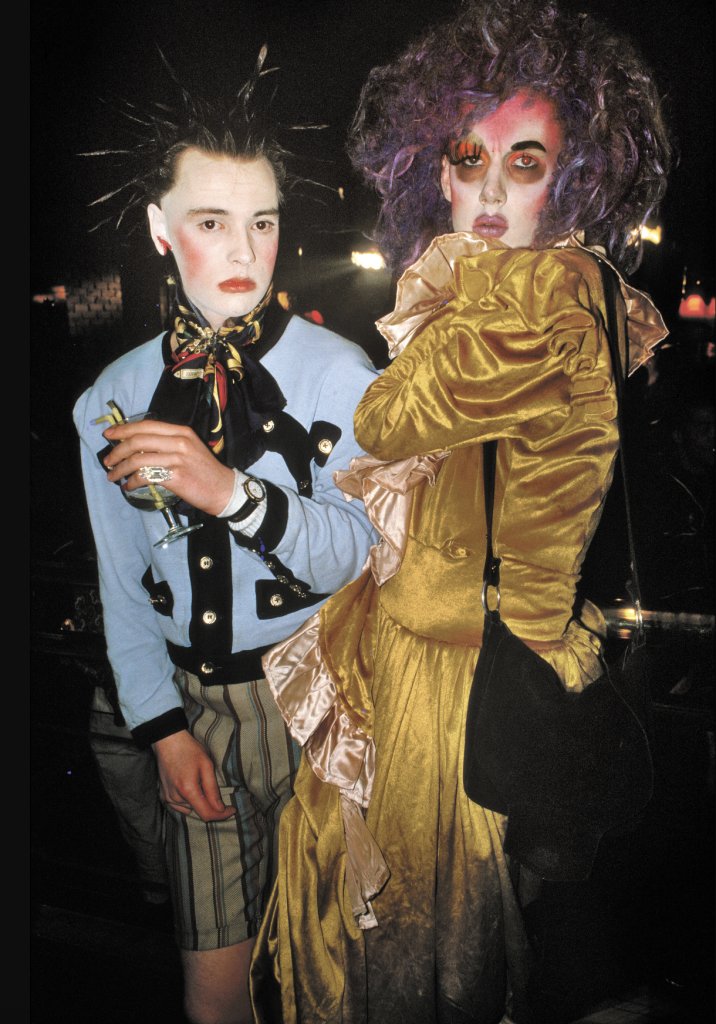
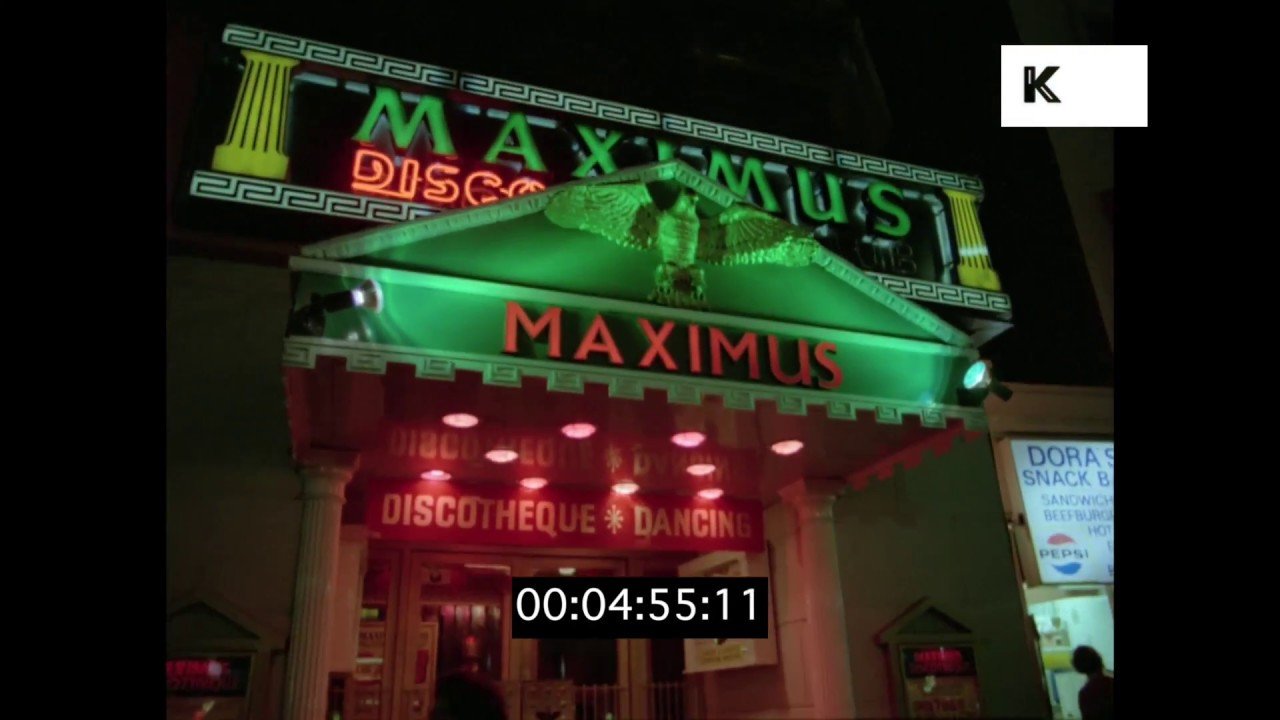
At Taboo, Bowery showed up every week with increasingly bombastic outfits. He would buzz around the spot fraternizing with his folks, shattering the floor as he danced the night away. The designer Rachel Auburn said she found him “terrifying” and ran off before “he could pick me up by my ankles” [1]. Taboo was held at Maximus, a club on Leicester Square, with red velour banquettes, mirrors, three bars and a mirror ball over the dance floor. Hinton played almost anything, from hi-NRG to Italo disco, and the regulars included Boy George, John Galliano and Janet Street-Porter, while Michael Clark and the photographer David LaChapelle go-go danced. Ecstasy had just arrived from New York, along with acid and heroin, the latter blamed for the club’s decline. Once the tabloids and i-D drew attention to the drugs, the management took back the key (Bill Brewster, DJ History) [3]. Boy George called Taboo’s door policy “fascist” and said Bowery made up fake guest lists full of famous names and invented stories about people being turned away, to build the legend. Hinton also played hip-hop, reggae, and film soundtracks, and the night celebrated “trash” records like Baccara’s “Yes Sir, I Can Boogie.” According to Boy George, Bowery drank heavily but wasn’t a big drug user, and Taboo went on to inspire New York’s Disco 2000, a legendary Wednesday night event at the Limelight club in the 90s. “Flesh is my most favorite fabric,” Bowery said (Mark Ronson, Interview) [6]. And the flesh certainly went to work at Taboo.
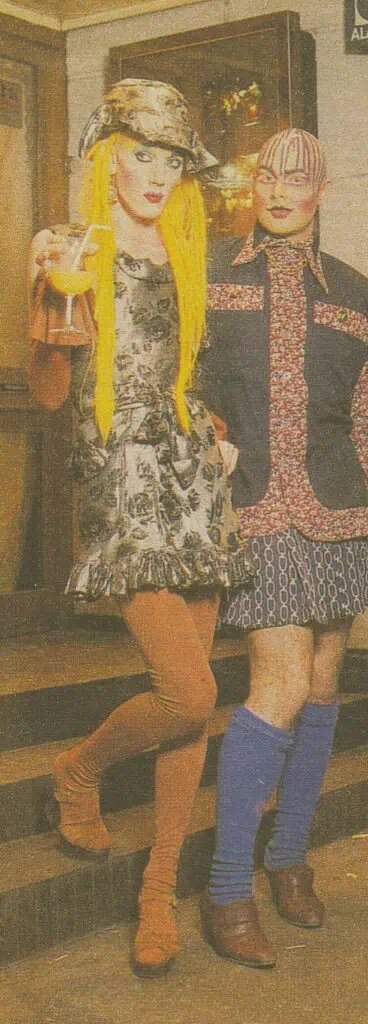
Marc Vaultier was born Mark Golding in 1966 and grew up in a military family in Farnham, Surrey. He moved to London in 1983, squatted and sulked around, eventually joining Bowery’s circle, wearing Bowery’s designs his own way with charity-shop platforms, striped tights, several wigs at once and asymmetric makeup. The Mail on Sunday’s You magazine called him the club’s “meeter, greeter, [and] arbiter of acceptability.” He died young of a drug overdose on December 21, 1986, at 20 (Stephen Brogan, NOTCHES) [4].
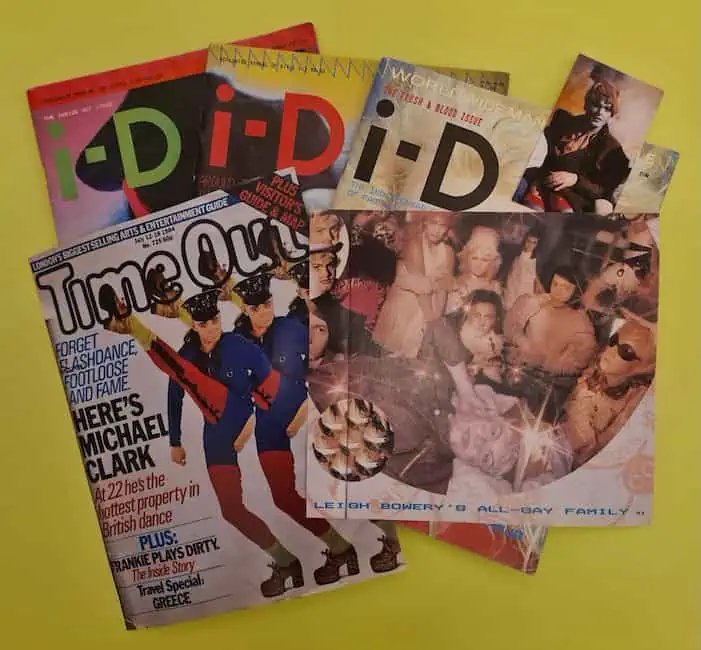
Taboo ran from January 1985 to May 1986 and closed after You magazine reported widespread drug use there on June 1, 1986. Historian Stephen Brogan, who went clubbing in that era, argues that Taboo was “over-hyped within the media” and calls The Face’s rumors of people being crushed outside the club “ludicrously” unfounded. i-D nicknamed its crowd the “All Gay Family” in April 1985, and the club’s legend kept growing after it closed, through documentaries and Boy George’s musical Taboo (Stephen Brogan, NOTCHES) [5]. Maximus itself was a “boxy basement,” and at Taboo’s peak, queues ran around the block with TV cameras outside. In 1991, Martin Green started his own club night, Smashing, in the same venue (Cyna Mirzai, Huck) [7]. Sounds like it was quite the time!
Answer: Massimo Bottura
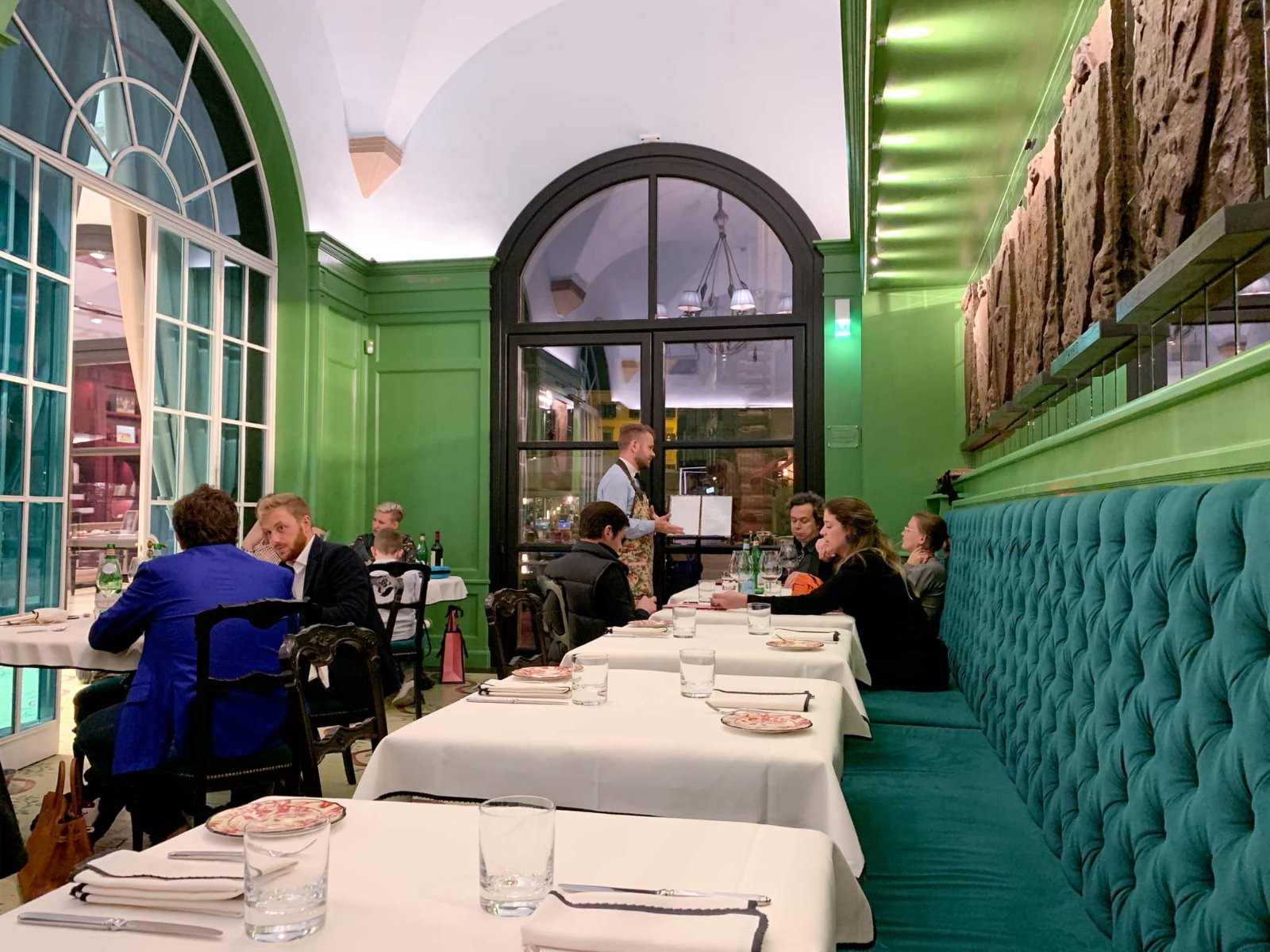
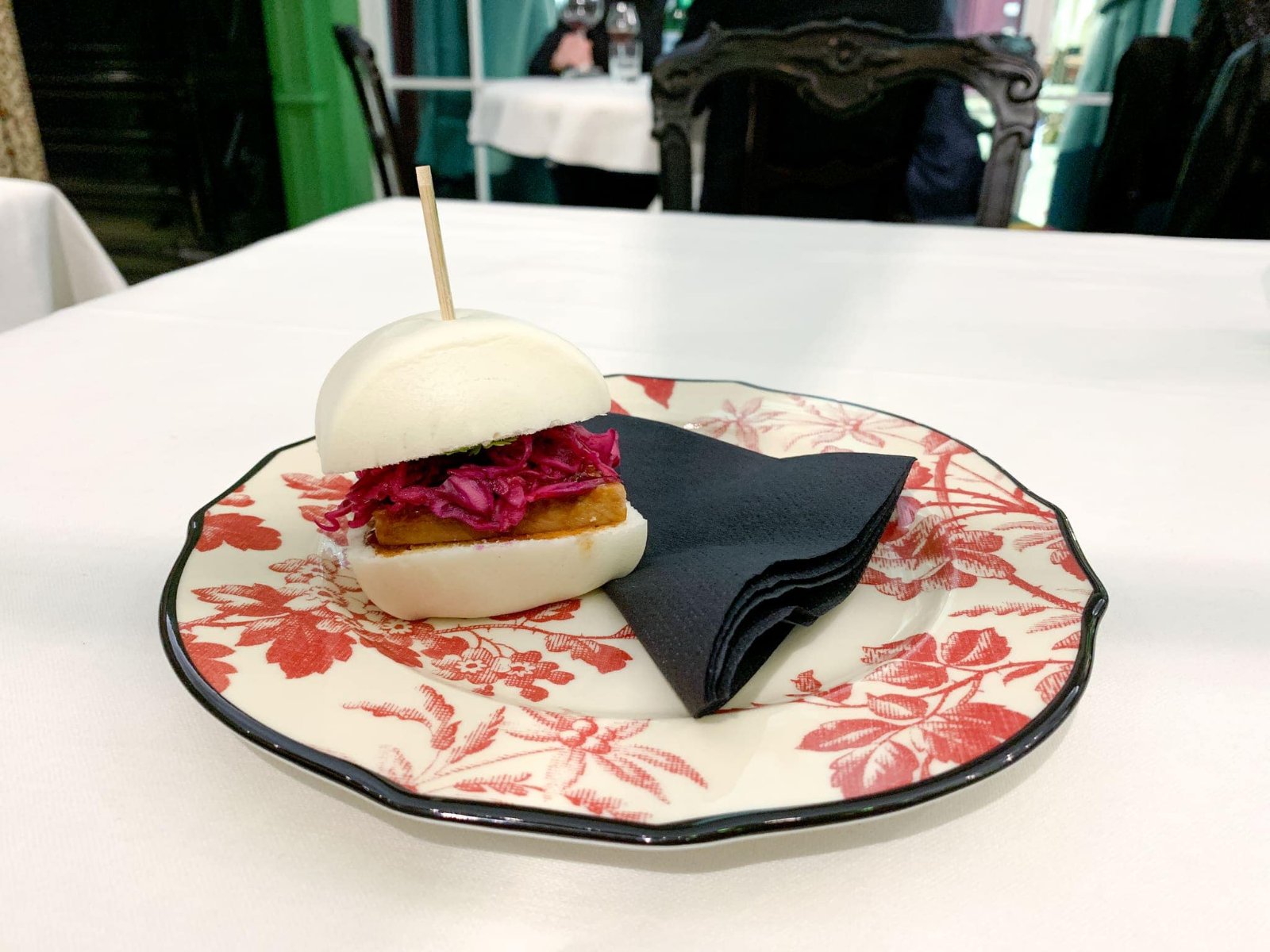
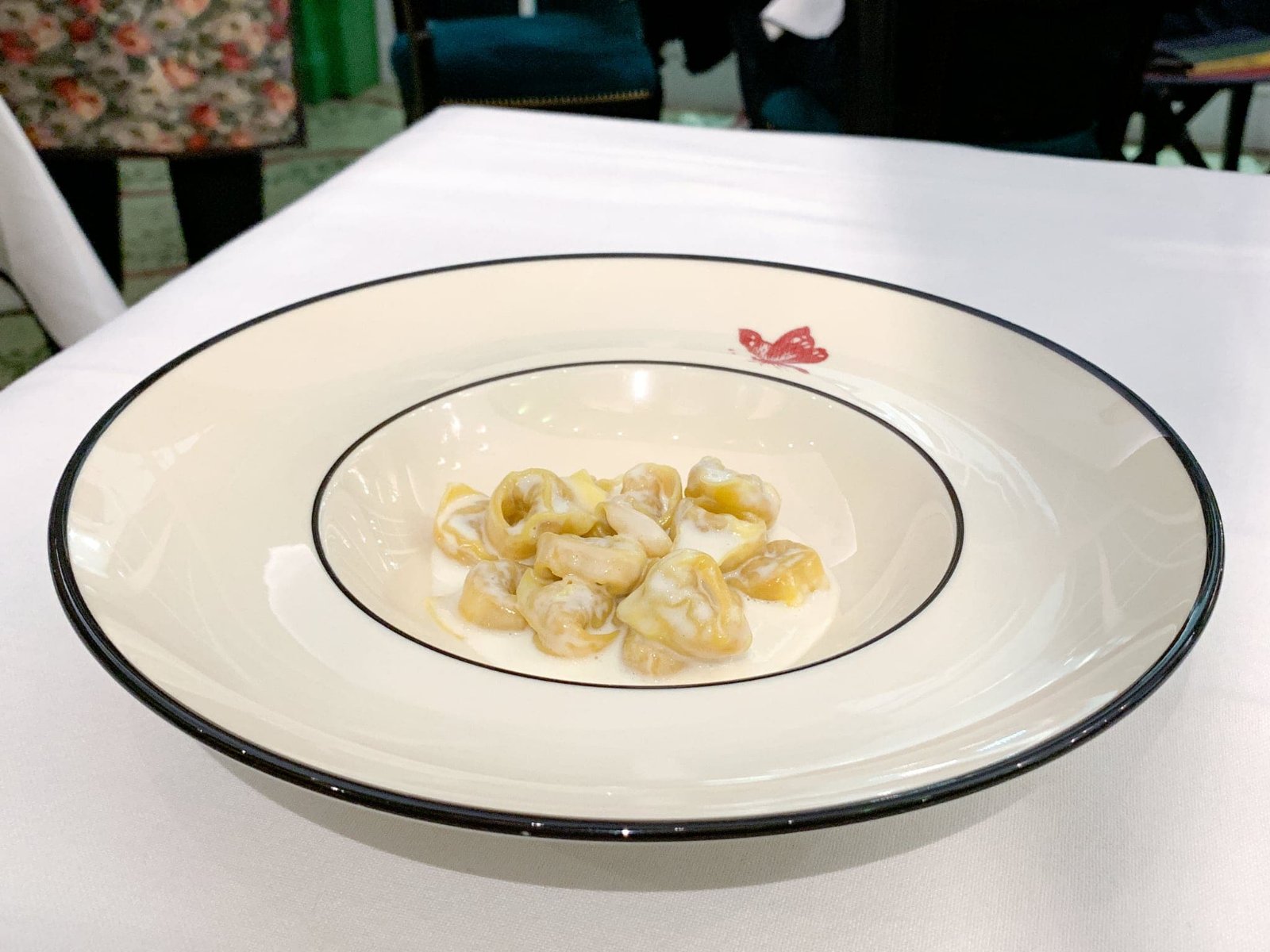
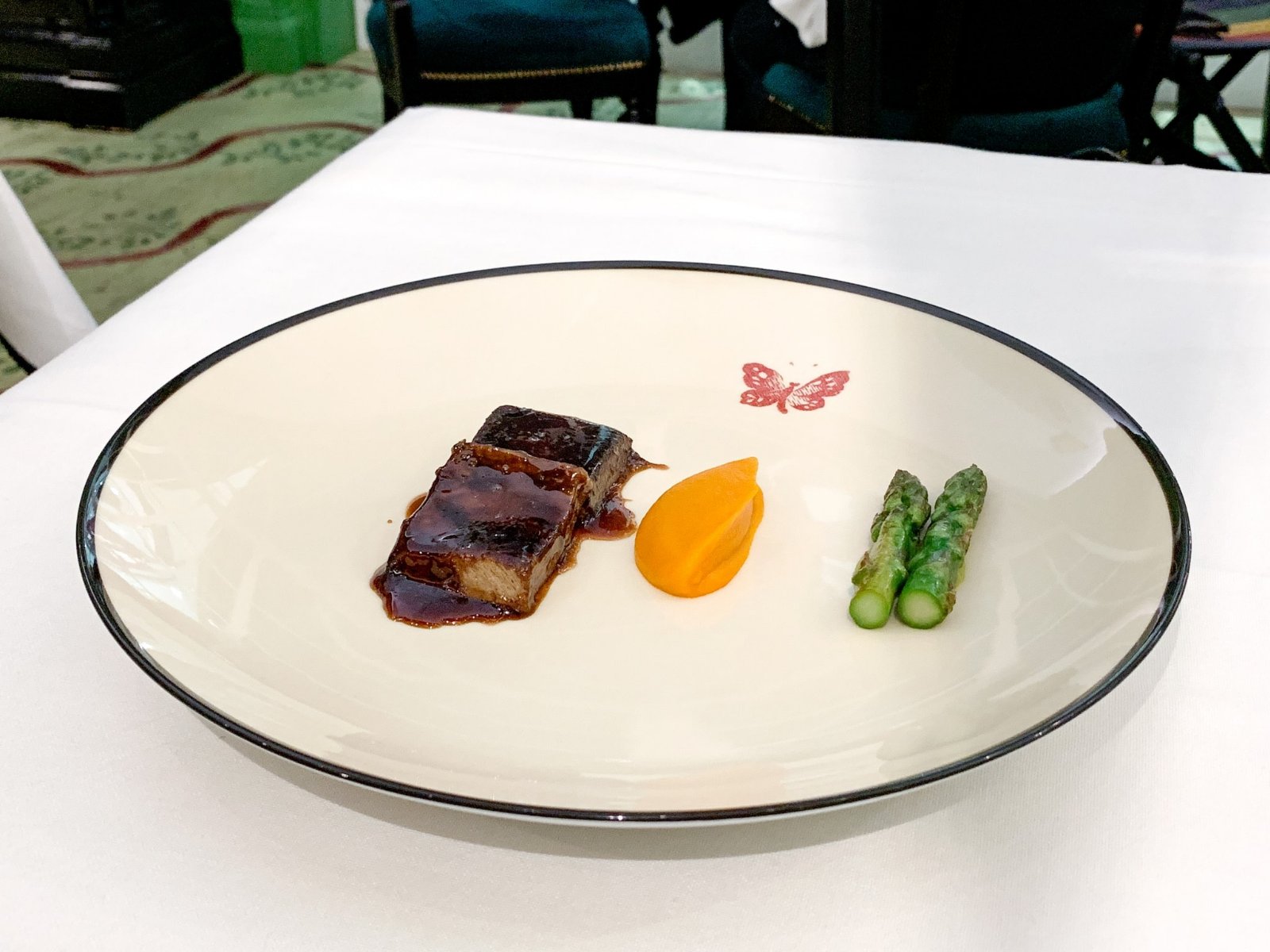
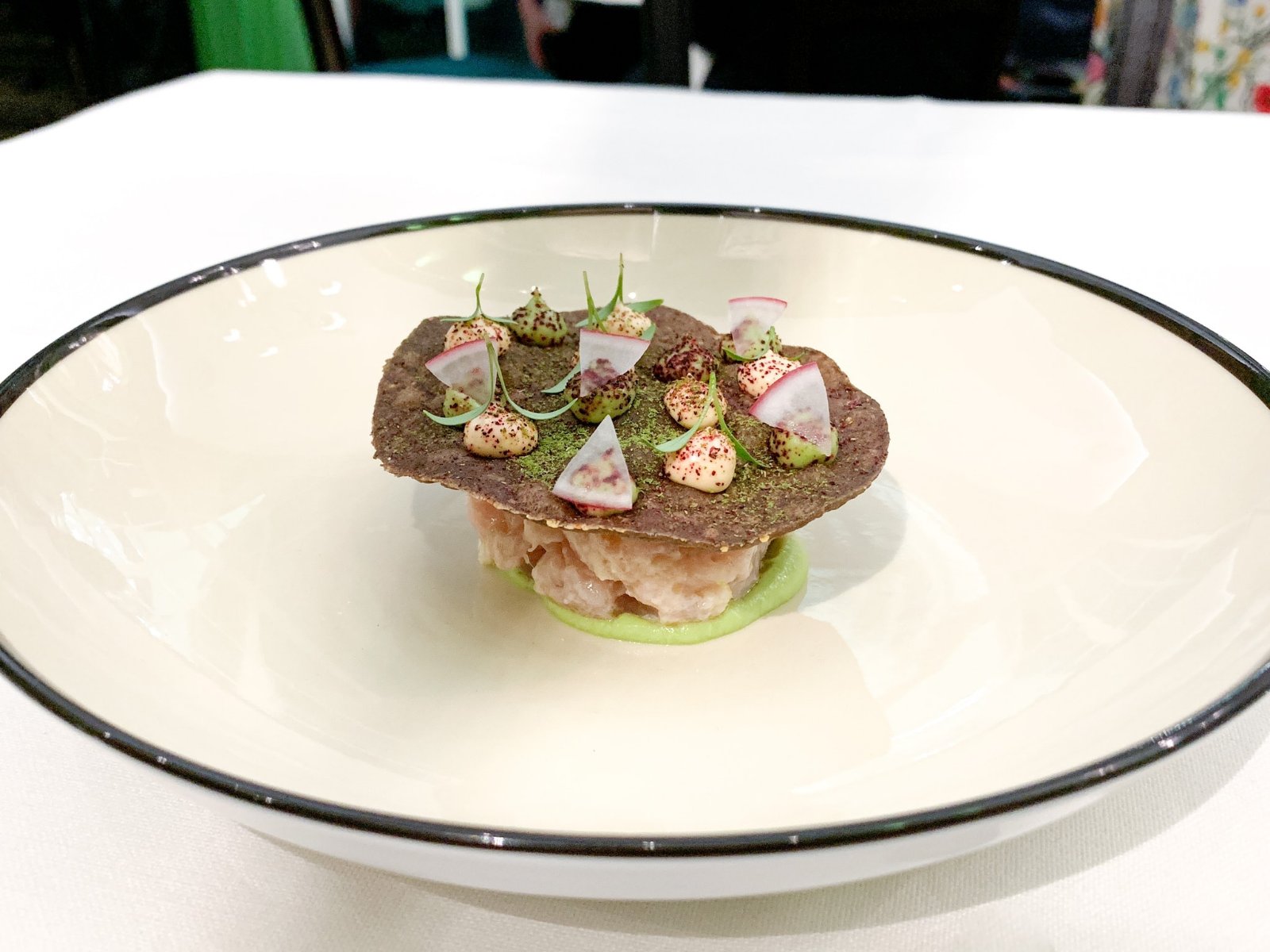
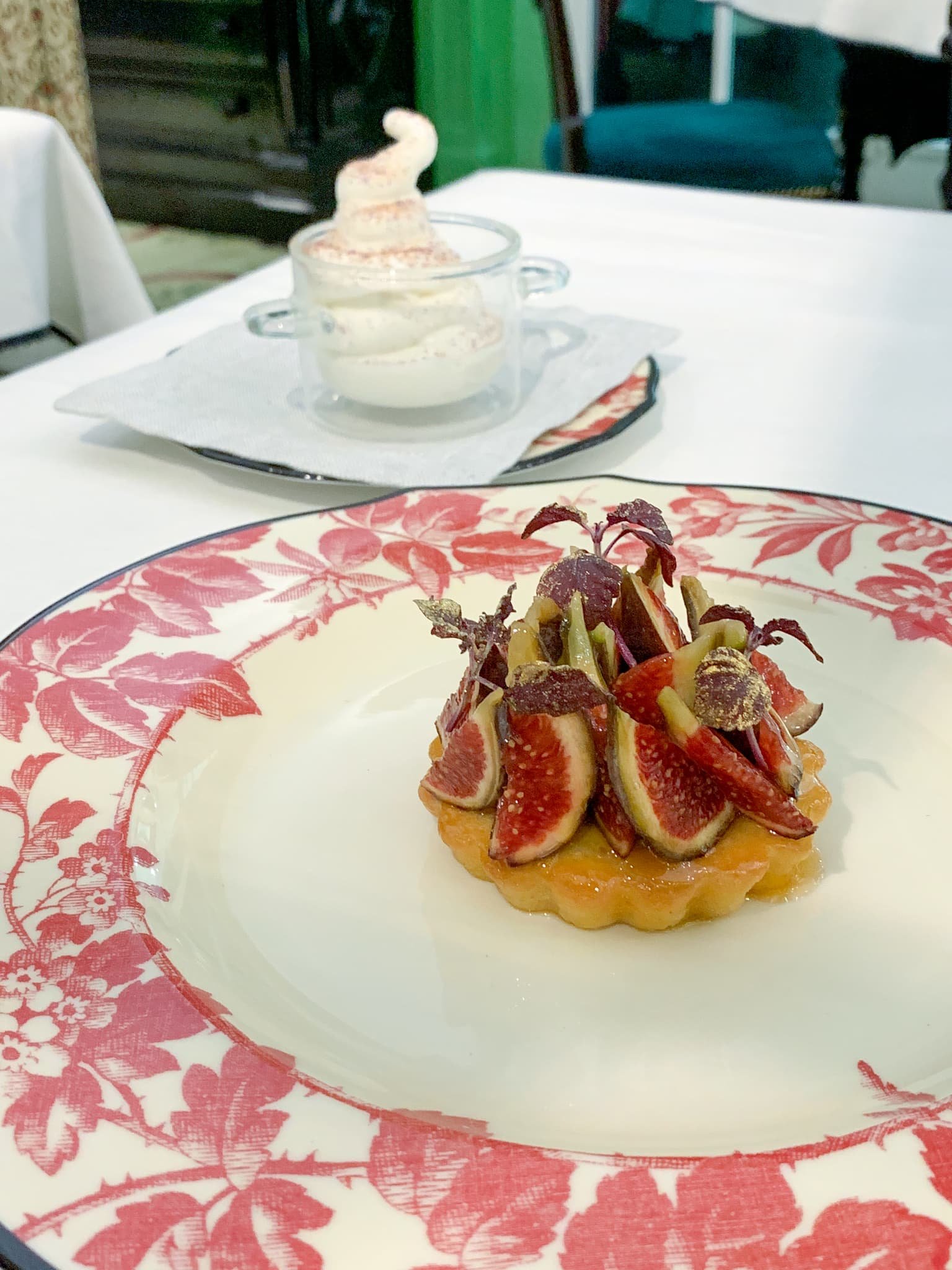
Massimo Bottura’s Osteria Francescana, on Via Stella in Modena, holds three Michelin stars in the 2027 Michelin Guide Italia (Michelin Guide) [1]. Gucci Osteria da Massimo Bottura opened in Florence in January 2018. It sits on the ground floor of the Palazzo della Mercanzia, a 14th-century building that had housed the Gucci museum since 2011, as part of Gucci Garden, along with an exhibition space and a boutique (Betty Wood, The Spaces) [7]. It seated 50, and its menu mixed tortellini and risotto with Latin American tostadas and East Asian pork belly buns, inspired by Bottura’s travels (Wilder Davies, Fortune) [2]. Its first head chef was Karime López, who had worked at Mugaritz, Noma, Pujol and RyuGin and spent five years as sous chef at Central in Lima. The kitchen was first lit on January 9, 2018, and the restaurant earned its first Michelin star in 2020 (Melissa Lupo, nss magazine) [3]. That made López the first Mexican woman to earn a Michelin star. “Haute couture and haute cuisine are a recipe made in heaven,” Bottura said when it opened. Gucci Osteria has since expanded to Tokyo and Seoul (Adele Shevel, TimesLIVE) [4]. Its first U.S. location opened in February 2020, on top of Gucci’s Rodeo Drive store in Beverly Hills, with a menu built around produce from the Santa Monica Farmers’ Market (Lotte Brouwer, Livingetc) [5]. Good eats!
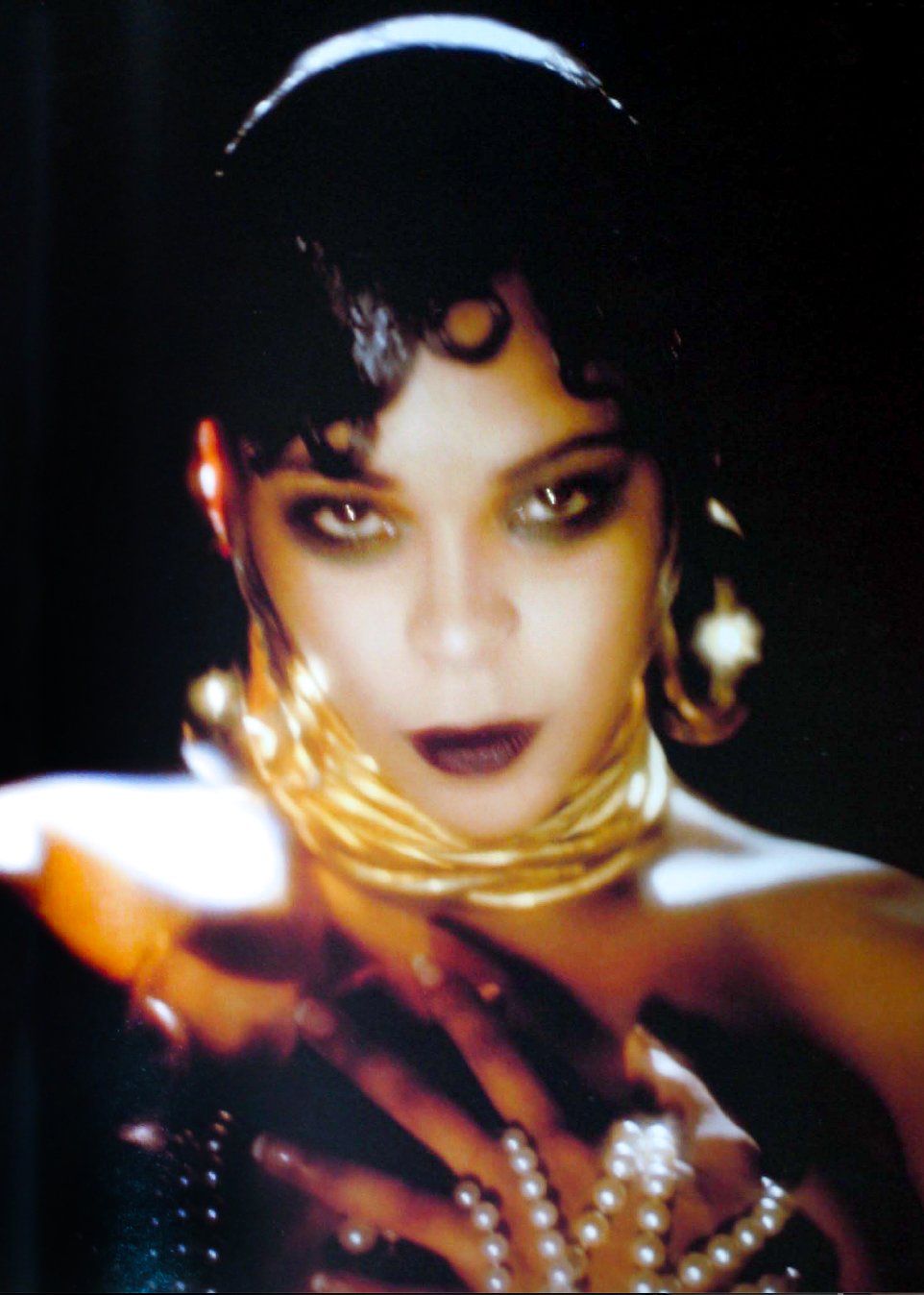
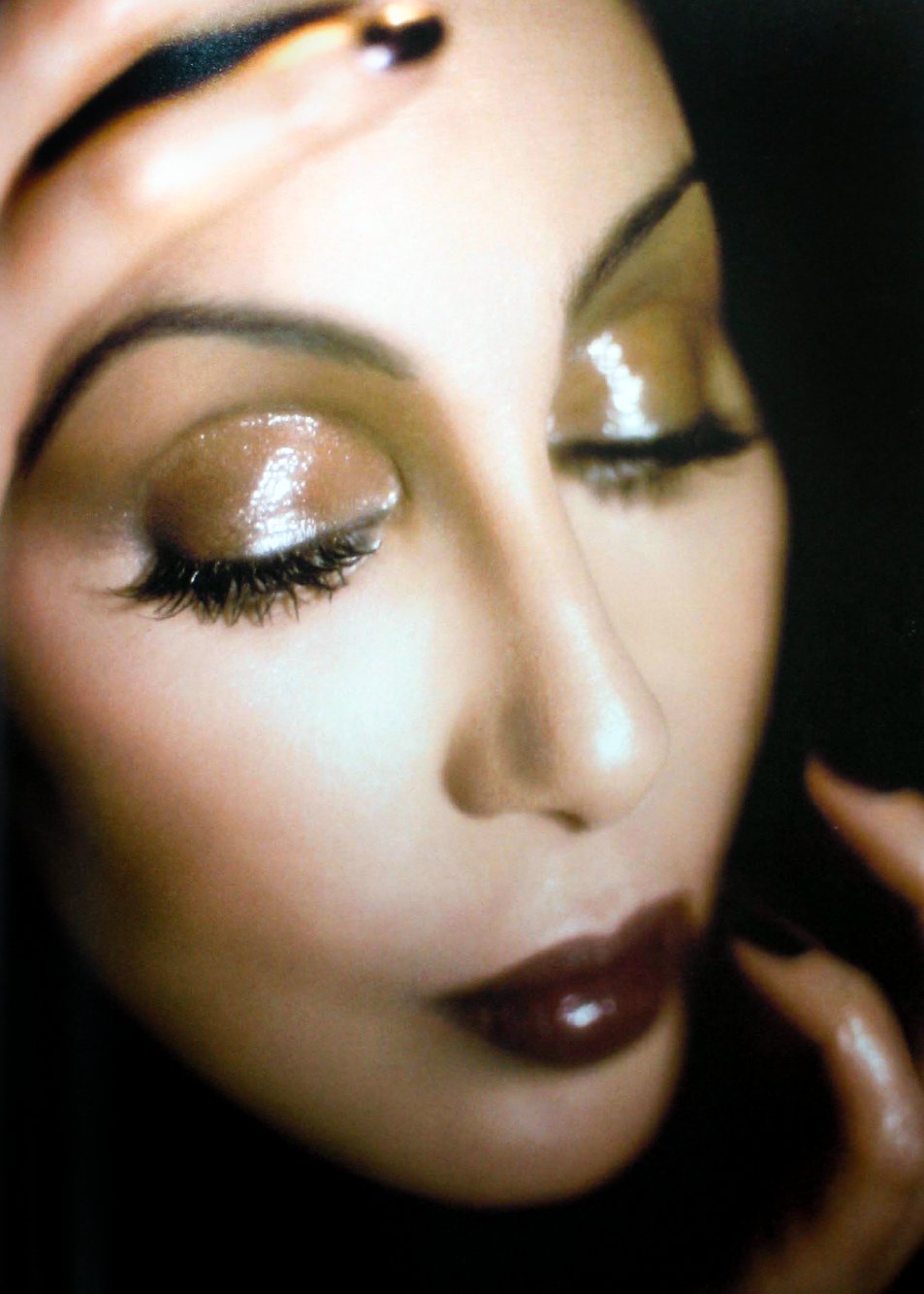
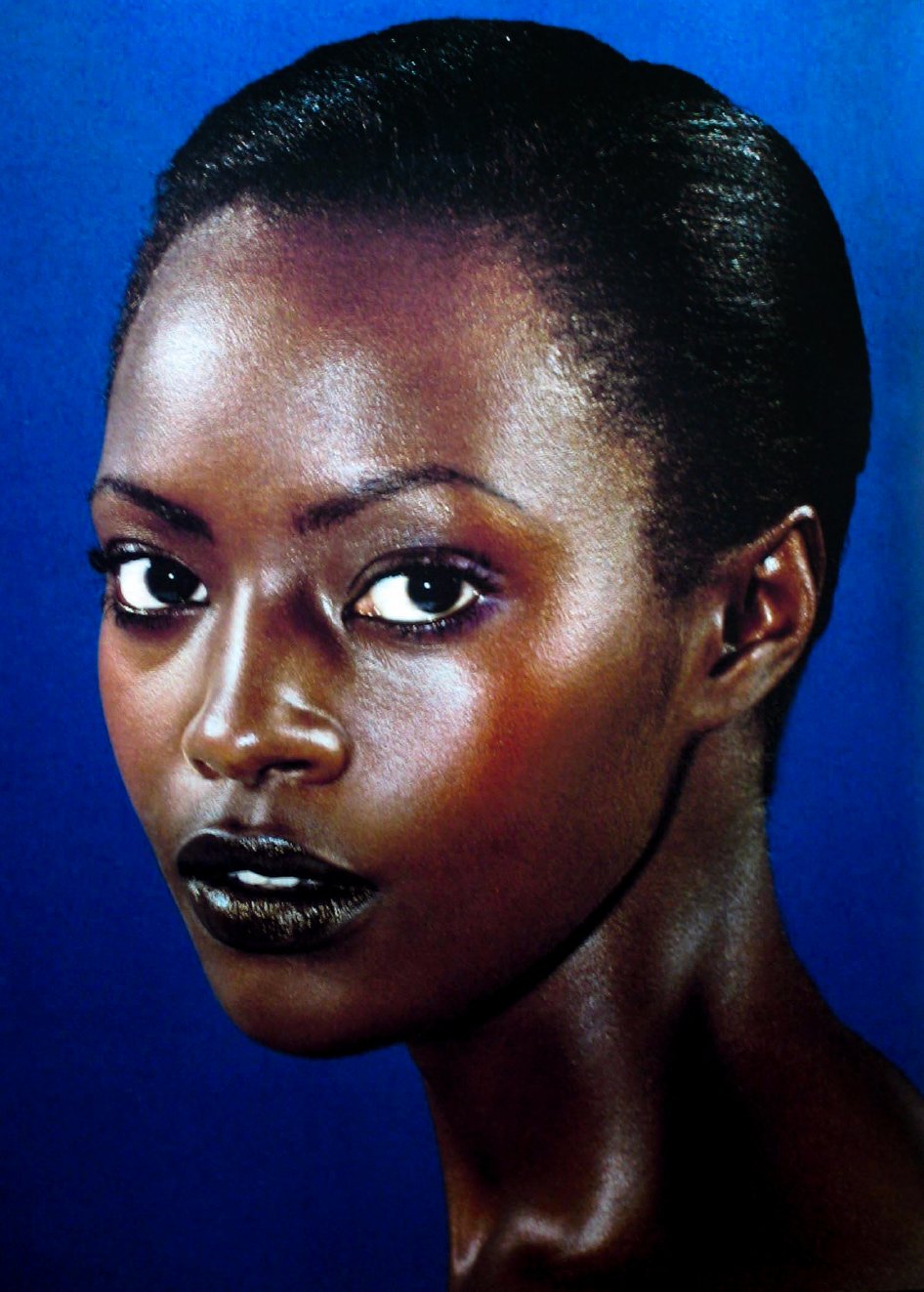
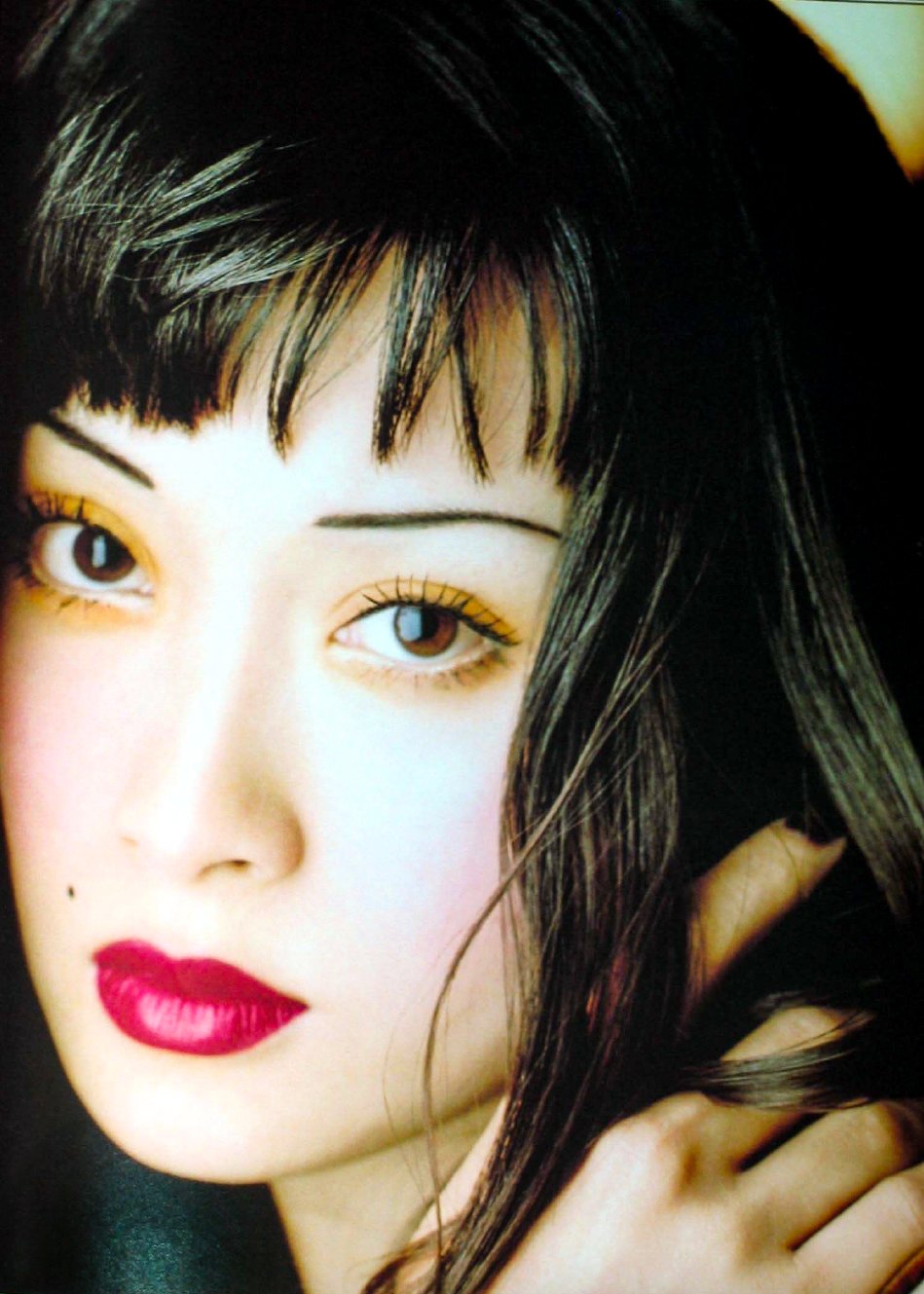
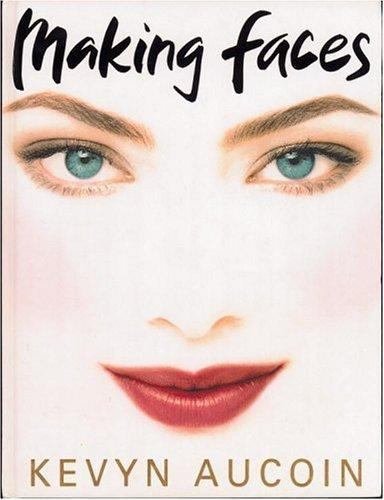
Answer: Kevyn Aucoin
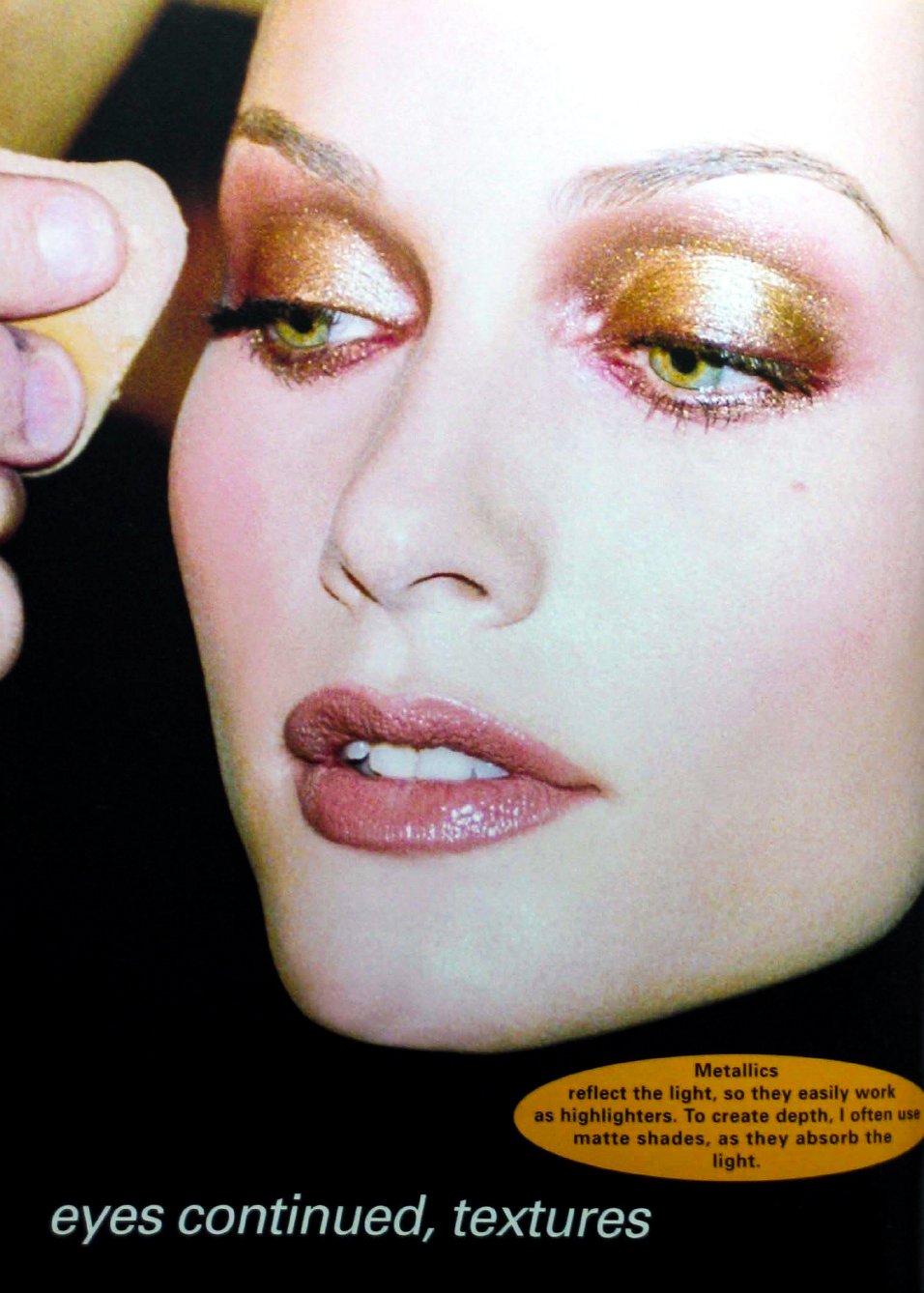
Kevyn Aucoin was born on February 14, 1962, in Shreveport, Louisiana, and adopted as a baby. He started doing makeup at 11, practicing on his sister Carla and a best friend and photographing the looks with a Polaroid camera. To get his start, he waited outside Vogue’s office with his portfolio until someone gave him a chance (Kevyn Aucoin Beauty) [1].
Sidenote: It's a shame this is just not a thing anymore.
He moved to New York in 1982 and built his portfolio with free photo shoots. In 1983, he became creative director of Ultima II, a Revlon brand, where he helped launch The Nakeds, a line of nude shades for a range of skin tones (Megan Reynolds, Jezebel) [2]. His work appeared on 19 Vogue covers in three years, and his clients included Madonna, Tina Turner, Whitney Houston, Kate Moss, Naomi Campbell, Janet Jackson and Cher. In 1995, he won a CFDA Award, the only one ever given to a makeup artist. He wrote three books: The Art of Makeup (1994), Making Faces (1997) and Face Forward [1]. Making Faces became a “bible” for his look: soft, natural makeup on real women. Contouring, often credited to Kim Kardashian, was a big part of his style, though he treated it as one subtle tool among many [2]. He is credited with pioneering the “no-makeup” makeup look. He died in 2002 from complications of a pituitary brain tumor, and the 2017 documentary Kevyn Aucoin: Beauty and the Beast in Me, directed by Lori Kaye, was built largely from footage he filmed himself (Inquirer Lifestyle; Neal Broverman, The Advocate) [3][4]. He launched his brand, Kevyn Aucoin Beauty, in 2001 [1]. Ambitious!
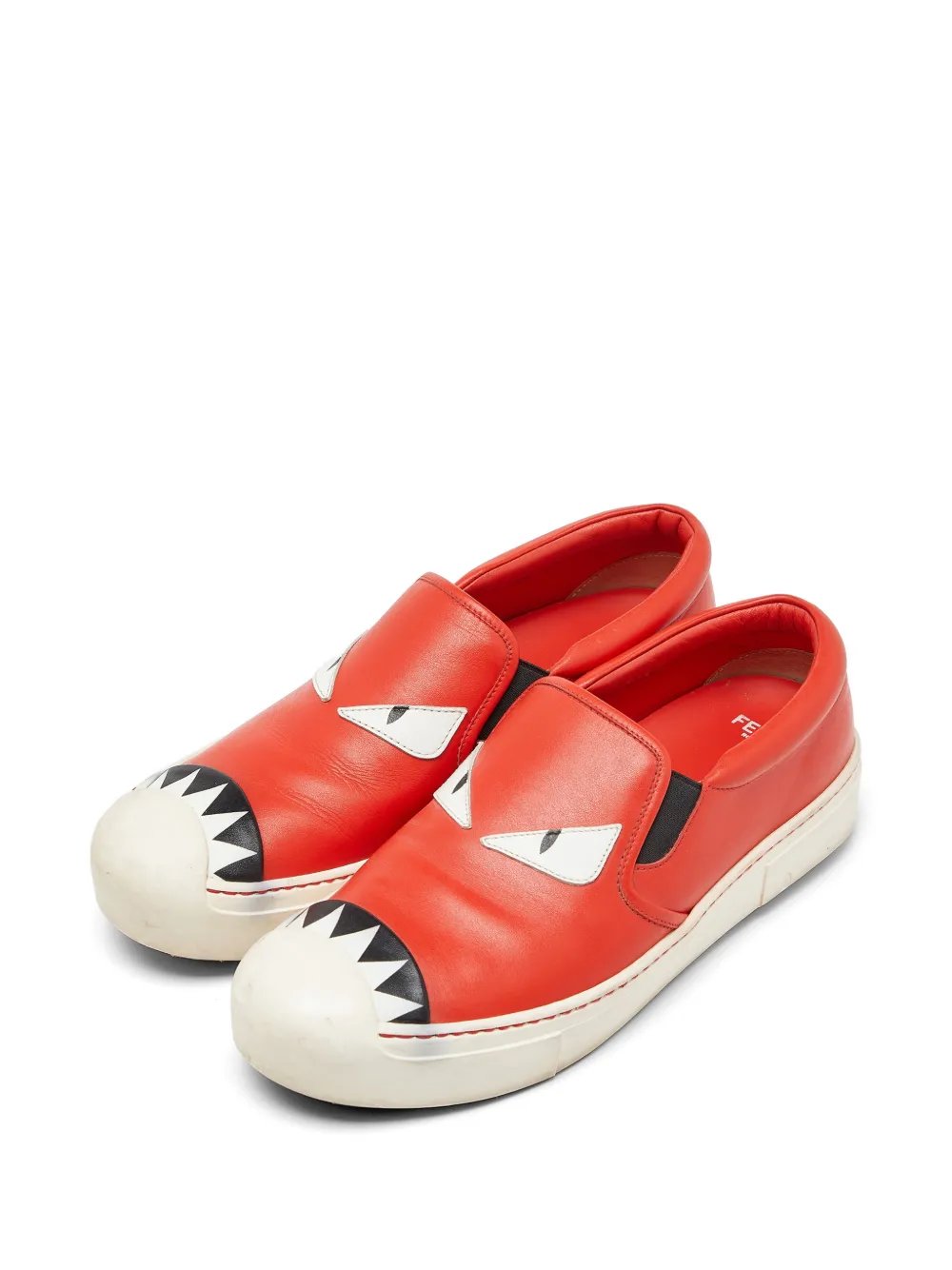
Fendi Monster Slip-on Sneakers ($198)