November 10, 2026
The issue of November 10, 2026
Every question from this issue, with the answers, the hints and the reading behind them.
Play the November 10, 2026 issue
House: Prada · Designer: Miuccia Prada · Season: Fall/Winter 2012
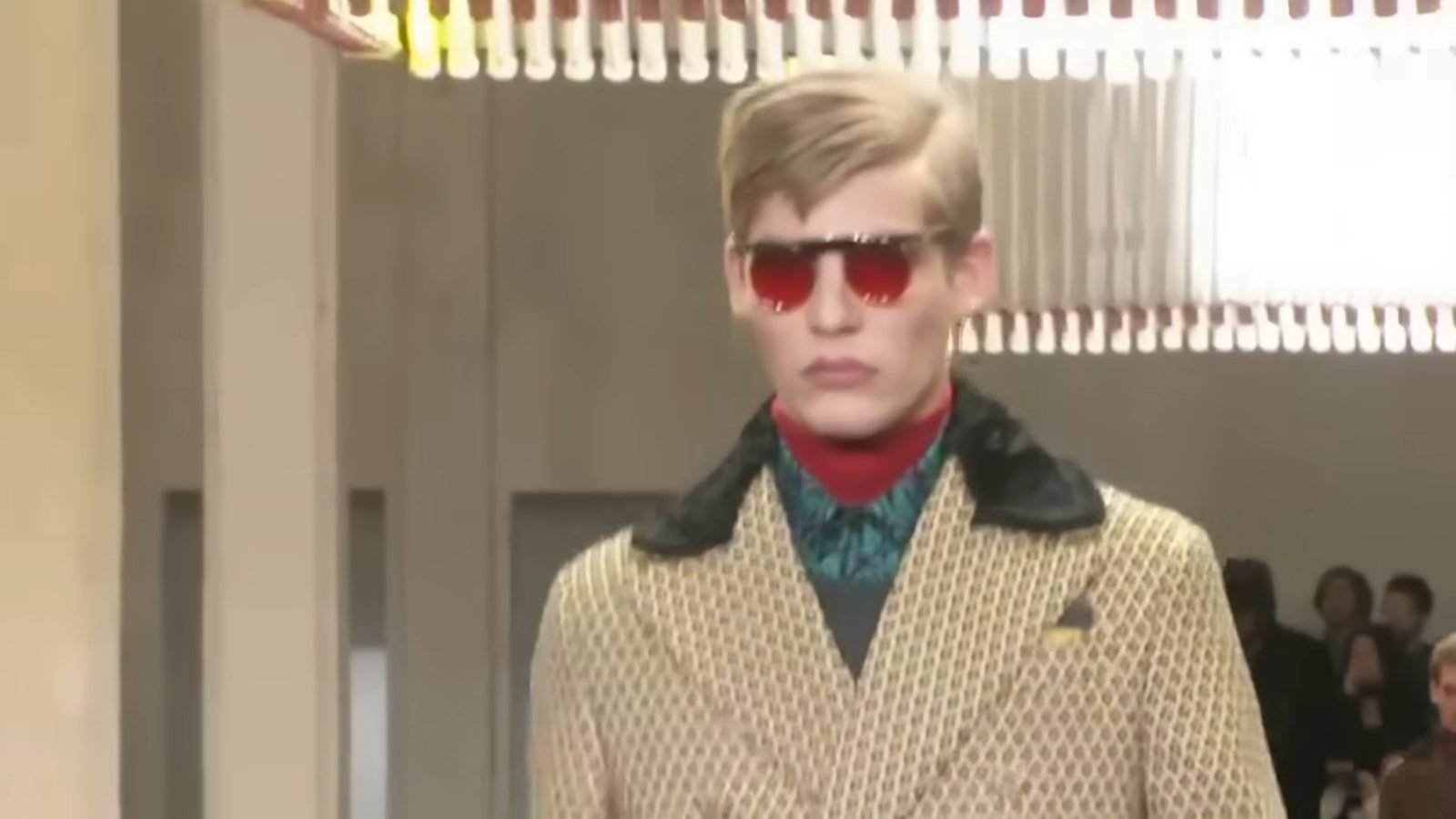
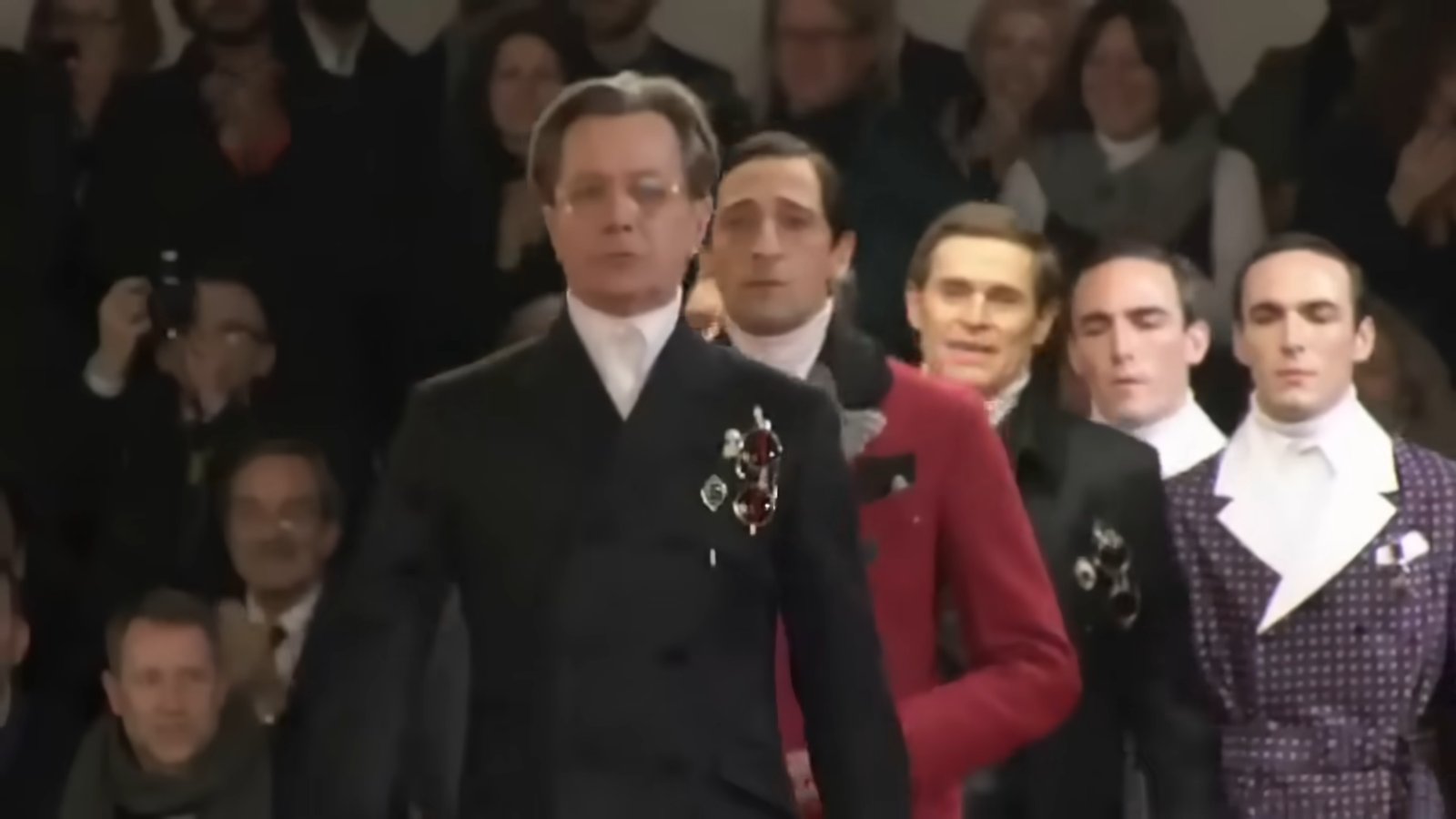
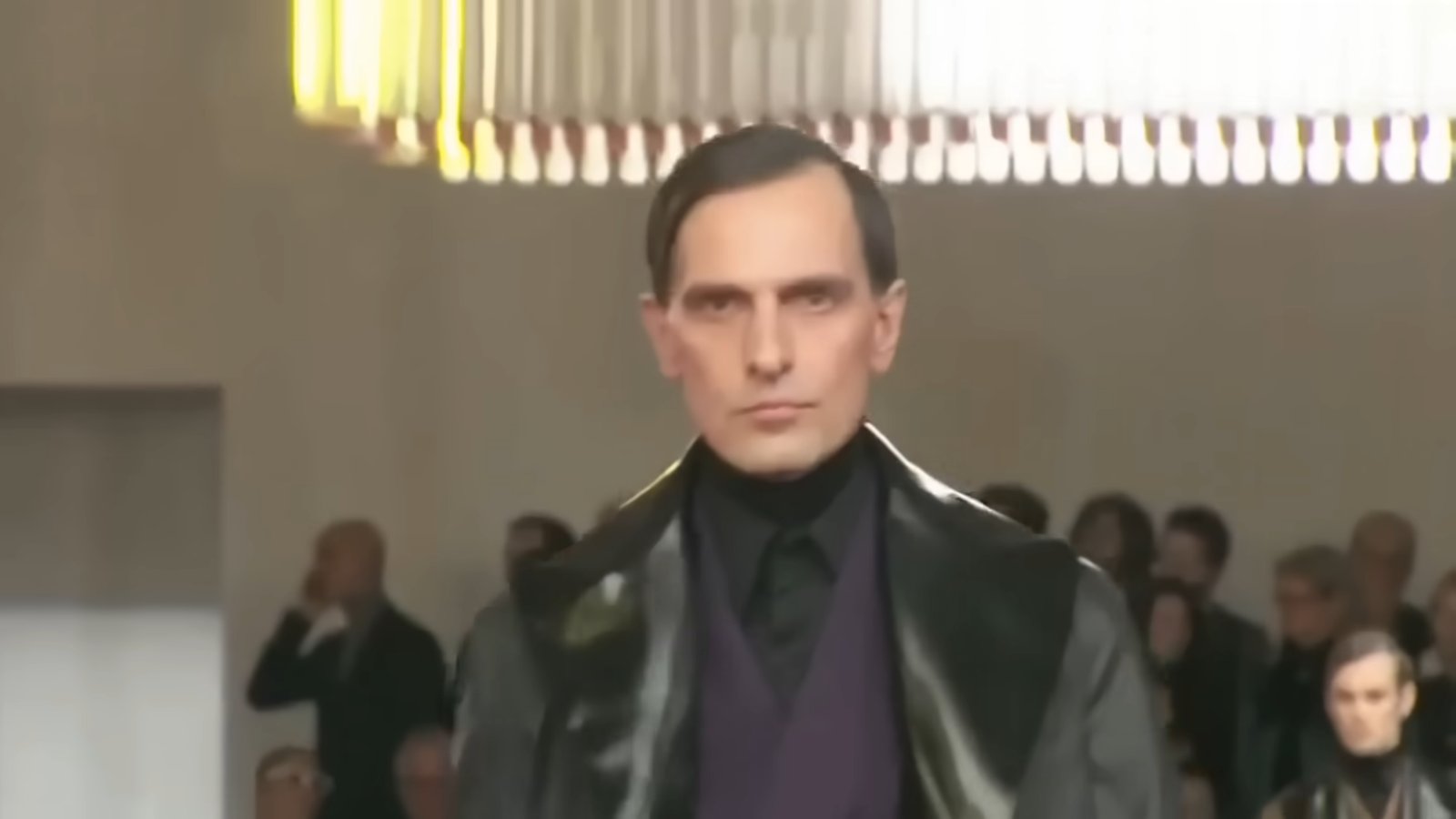
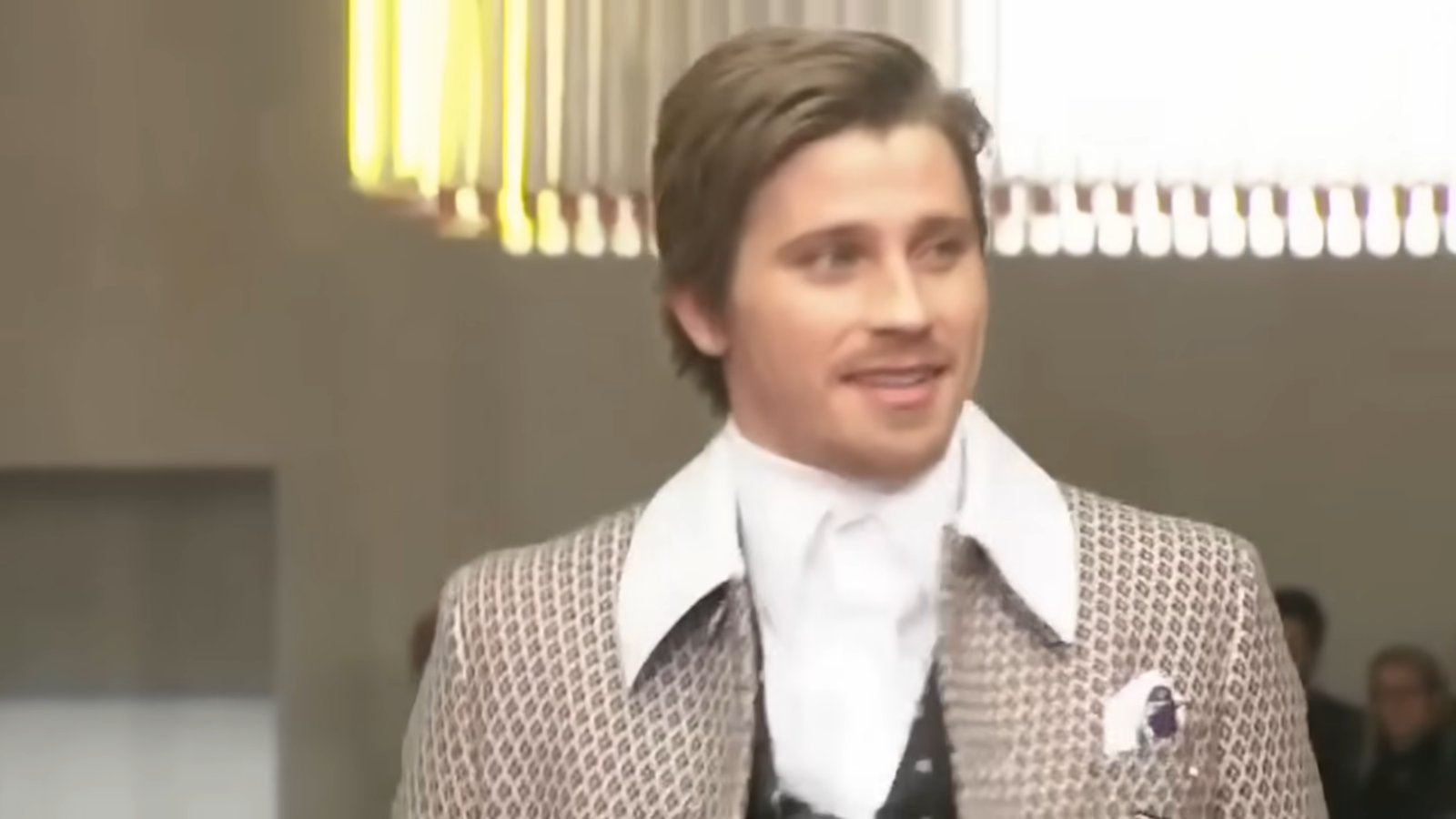
Miuccia Prada said the collection started from “men’s power.” She explained that dressing “would always be power” and that men can express it through elegance and fashion. After the previous season’s playful, rhinestone-studded take on Americana and golf, she wanted something more serious, and she named high collars and “modern fitting” as the key messages. The show notes described “role play” and “a cinematic character study subverting male archetypes and formal codes of dress.” Gary Oldman closed the show in a double-breasted black evening coat (Mail & Guardian) [1]. The Associated Press described the set as the ballroom of an invented palazzo, and the man it portrayed as eccentric, mysterious, self-assured and somewhat snobbish. Adrien Brody wore a red double-breasted overcoat with a black velvet collar, fur-trimmed lapels and round red-lensed sunglasses (AP via Inquirer) [2]. Looking back in 2024, Lowri Ashton of The Mancunion read the walkers as characters from John le Carré’s spy novels, saw East German and Eastern Bloc military influences, and pointed to a line Vogue quoted from Prada: “parody of male power” [3]. Nicola St. George-Hyslop of Flare noted the show’s title, “Prada Presents: Il Palazzo. A Palace of Role Play,” along with Hugh Hefner-style robes and prints that looked like football helmets but turned out to be headdresses up close [4].
The set was designed by AMO and titled “Grand Interior - Void.” The audience sat in the dark along the edges of the room, and the center held a carpet of about 66 by 115 feet. It was made of red, white and black moquette, with 11 black flowers inspired by modernist rug designs and a border of black and white geometric shapes. Six monumental chandeliers, each made of 300 neon tubes, lit the room, and the men walked through it “as if following a secret script” (José Juan Barba, Metalocus) [5]. Prada’s archive says the carpet and chandeliers “evoke the grandeur of a palace” [6]. The finale was set to Michael Nyman’s music from The Cook, the Thief, His Wife & Her Lover [3]. In June 2012, Oldman, Dafoe, Garrett Hedlund and Jamie Bell appeared in the season’s campaign, shot as three-quarter-length portraits in grayscale (Michael Tabb, Interview) [7].
For me, this collection is fit for any aspiring criminal mastermind: Bond villains, bank robbers, robber barons, Bruce Wayne Batman fighters. I love the tailoring. Everything is tight, as if each model was first inspected by an officer before being allowed to walk. Nothing is out of place; everything is orderly. Even the set feels like a grand hall where evil plans are concocted, where dictators politic with their benefactors as they plot to take over the country, and then the world. One look reminded me of Revolver Ocelot from Metal Gear Solid 3: Snake Eater. These are high-ranking henchmen looking to move up the ranks after a big job. They got a bonus, so they bought themselves something nice to feel like the boss and to look down on others. These men feel above the law, and their blatant narcissism beams off their lapels. The presentation of strength is often strong enough to hold up societal roles and hierarchy. They’re casting a new James Bond right now, and this show makes me think about what Bond and his villains look like today. Villains don’t hide in lairs anymore; they’re the landlord. They don't need a casus belli to terrorize and stalk the population; they simply have the government co-sign the terms of service and have us submit to it as their drones hang overhead. They don’t need to mask themselves or hide their identity, because their evil is an opportunity, not only for them but for anyone whose greed outweighs their morals and principles combined. Dastardly!
Answer: McDonald’s
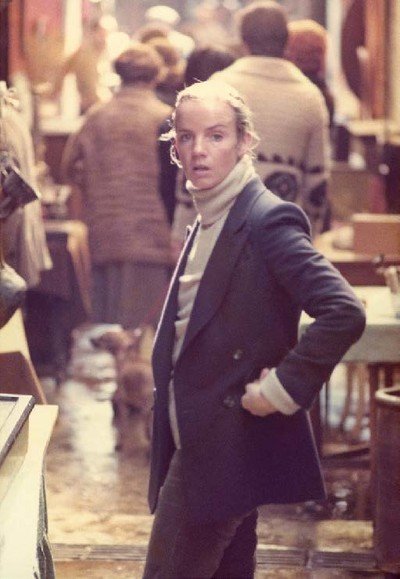
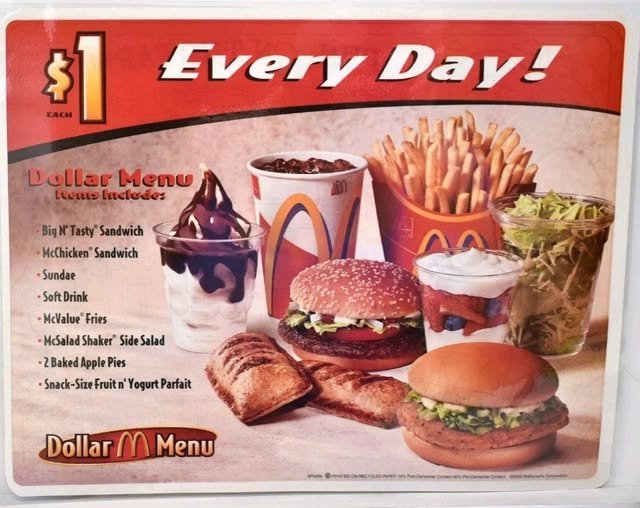
In a conversation with Jil Sander’s creative director Simone Bellotti in System’s Issue 26, Edward Buchanan said, “I found out something interesting: Jil Sander has a penchant for McDonald’s.” Bellotti replied, “This I didn’t know,” and Buchanan called it “a very interesting duality” (Edward Buchanan, System) [1]. Sander had talked about it in 2017. She told WWD that she has driven a Bentley for about 30 years and called it her one luxury: “I said other women buy diamonds, I buy a car.” She said, “I can drive for 10 hours no problem,” and that on those drives she stops at McDonald’s because it’s cleaner than the restaurants along the autobahn. She doesn't get too opulent, though, she gets the regular classic burger (Rachel Tashjian, Garage) [2]. Garage also linked her to a McDonald’s-style carry-out bag. The label’s Fall 2012 menswear collection, Raf Simons’s last before Sander returned that year, included a bag modeled on a household paper bag (Emma Brown, Interview) [3]. A version in coated brown paper, with stitched seams and gold eyelets, sold for about $290 on LN-CC, and the medium size sold out (Suzan Clarke, ABC News) [4]. Sander founded her label in her native Hamburg in 1968, at 24, and became known as fashion’s “Queen of Less” (AFP via The Local) [5]. Her first solo museum exhibition, Jil Sander: Present Tense, ran at the Museum Angewandte Kunst in Frankfurt from November 4, 2017, to May 6, 2018 (e-flux) [6], and it drew more than 100,000 visitors [5].
On another note, remember the dollar menu? It was really a dollar!
Answer: Allen Jones
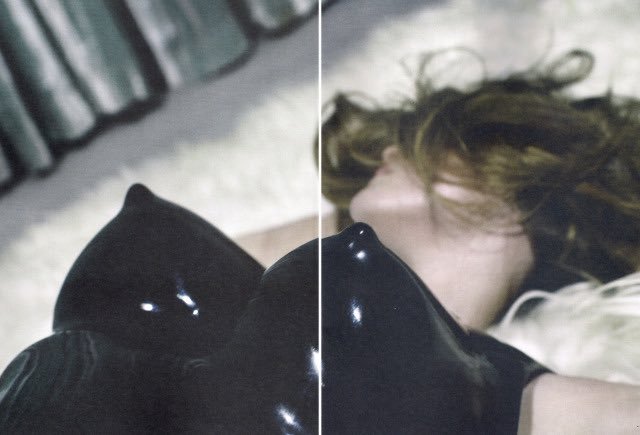
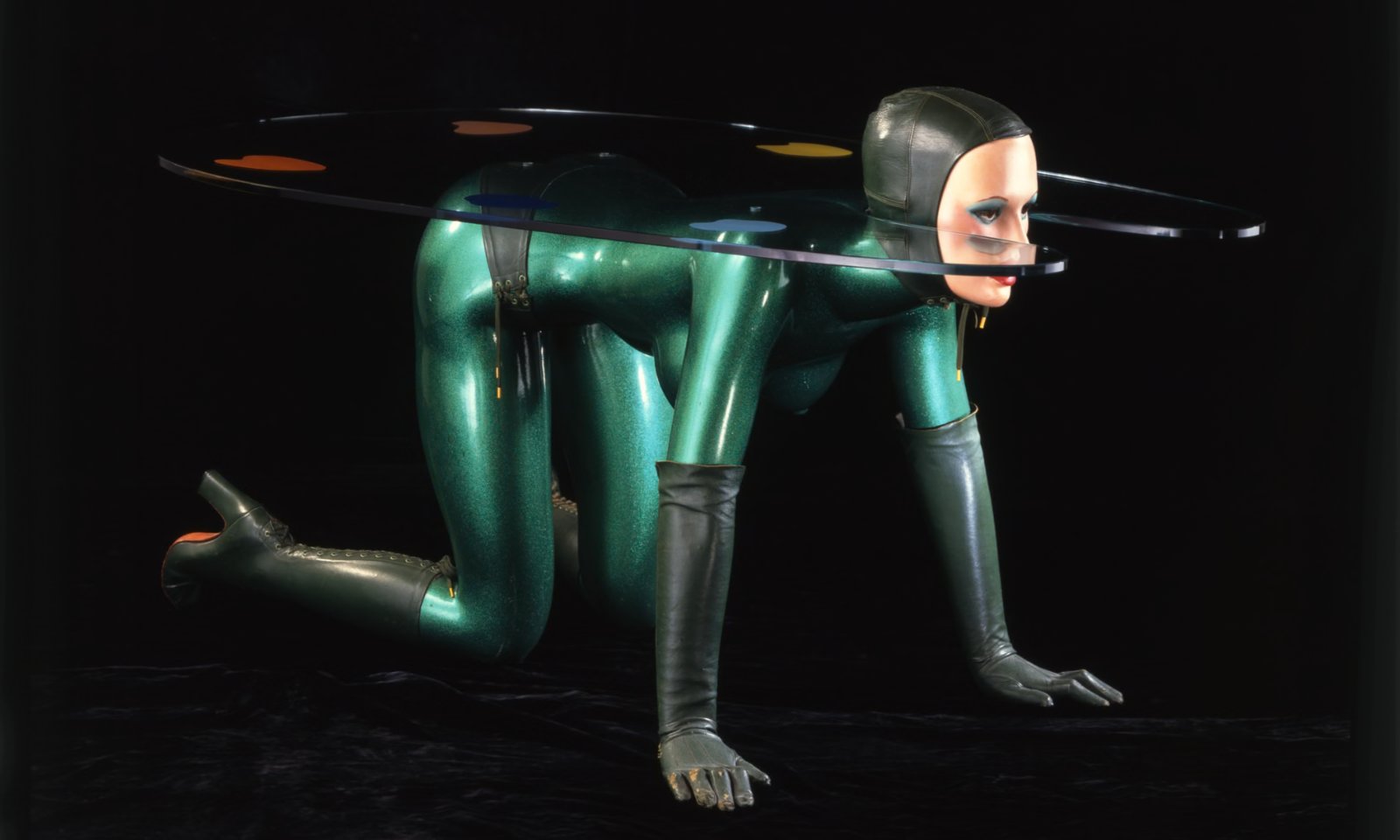
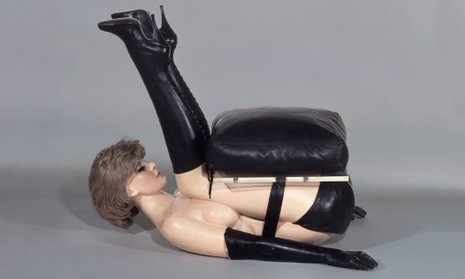
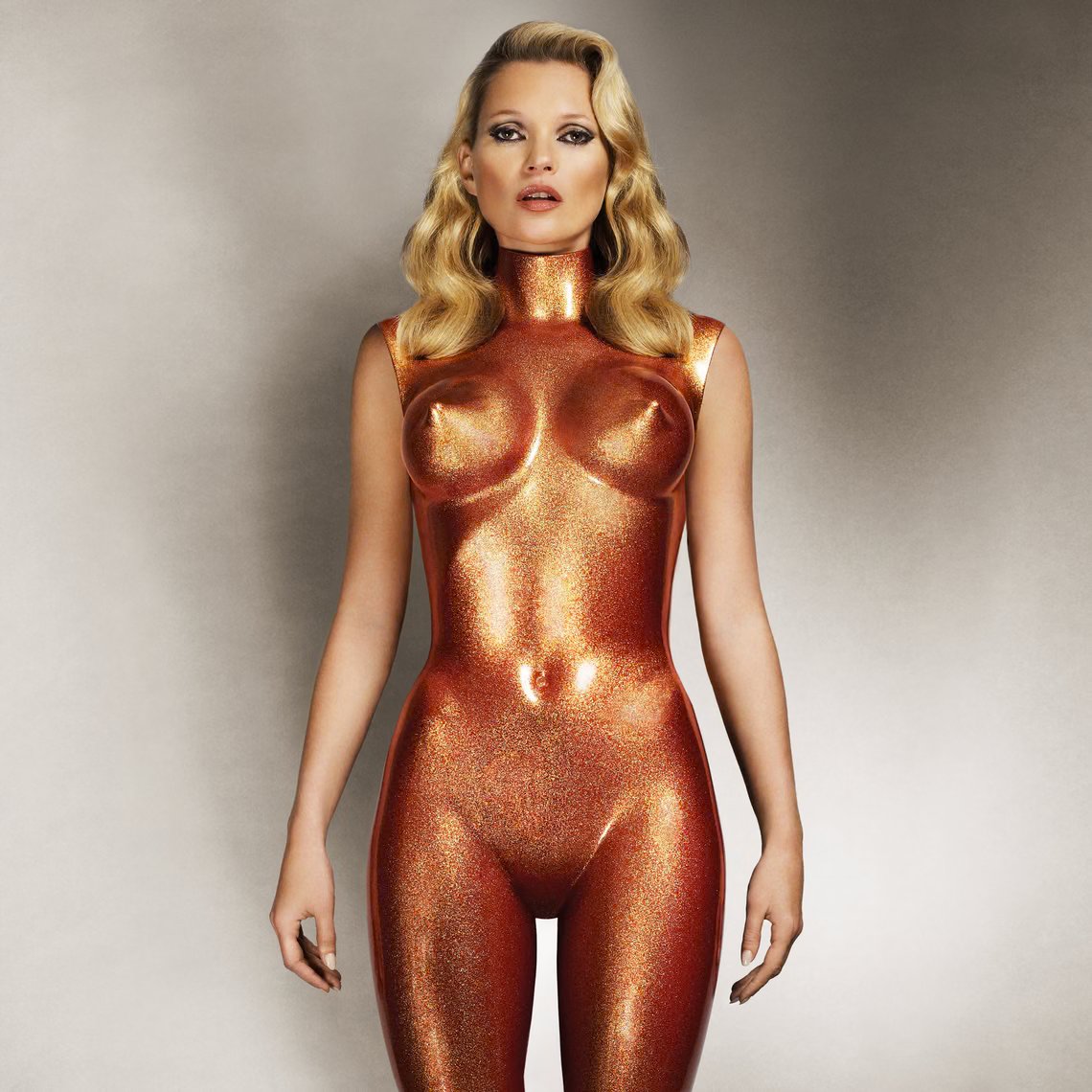
The photo is from “Allen Jones: Wearable Art,” photographed by Sean & Seng and styled by Tamara Rothstein for the Spring/Summer 2010 issue of POP (Cyril Foiret, Trendland) [1]. Devon Aoki wears skin-tight bodysuits based on Jones’s artwork (Fashion Gone Rogue) [2]. Jones enrolled at the Royal College of Art in 1959, became friends with David Hockney, R.B. Kitaj and Peter Phillips, and was expelled for “excessive independence.” He lived in New York for a couple of years in 1964 and 65. His breakthrough came in 1969 with fiberglass mannequins of women in bondage gear, posed as a hatstand, a table and a chair. They wore Atomage, the leather and rubber label created by John Sutcliffe. Stanley Kubrick wanted the sculptures for A Clockwork Orange, but Jones turned him down in 1970, so Kubrick’s prop team just made copies instead (Johan Deurell, AnOther) [3]. Those copies became the furniture of the Korova Milk Bar (Culture Whisper) [4]. When 'Chair' was shown at the Tate in 1986, feminists poured paint over it. In 2013, his collaboration with Kate Moss appeared on the cover of POP, and the photograph sold for more than £30,000 at Christie’s that year [3].
Answer: Ecuador
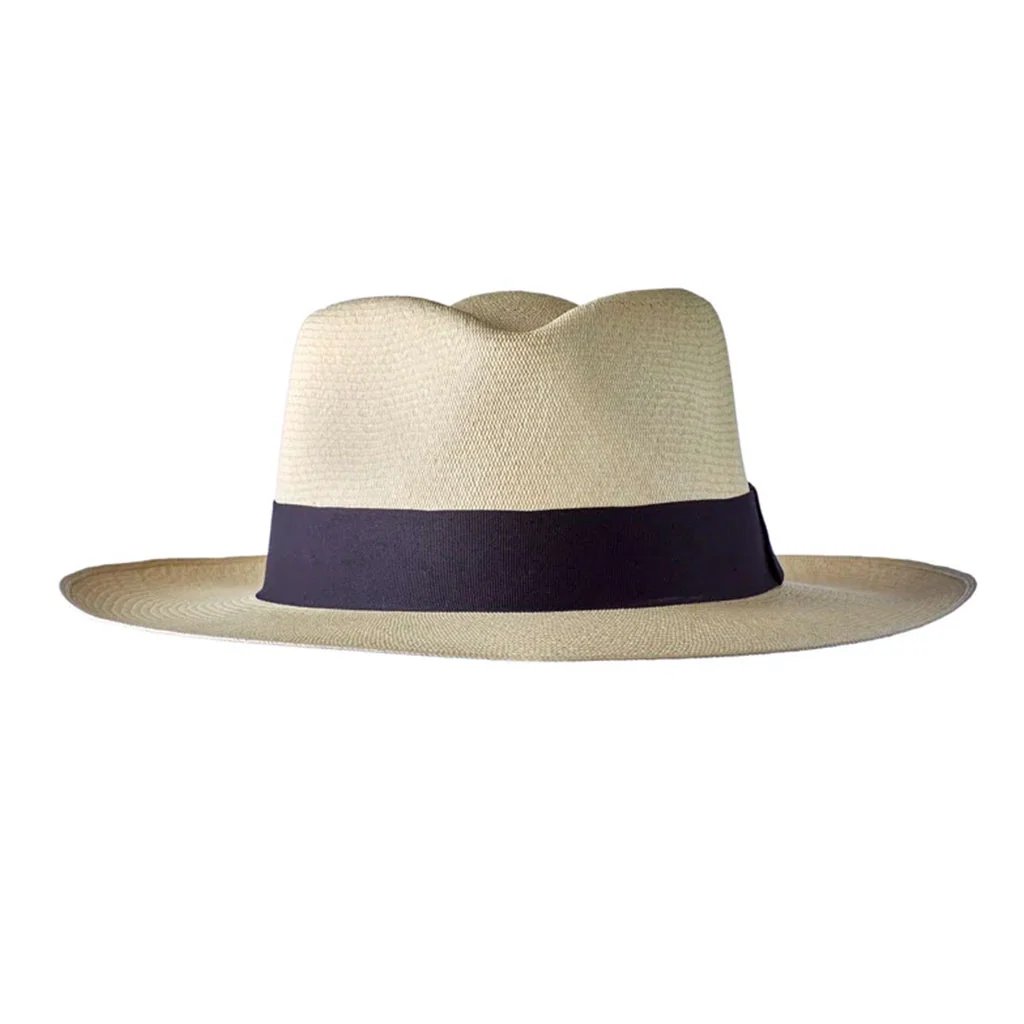
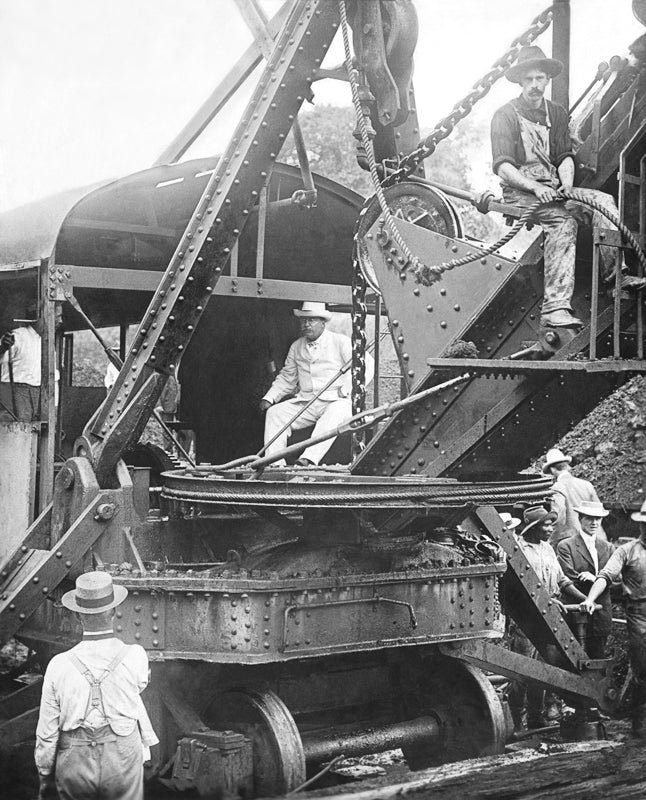
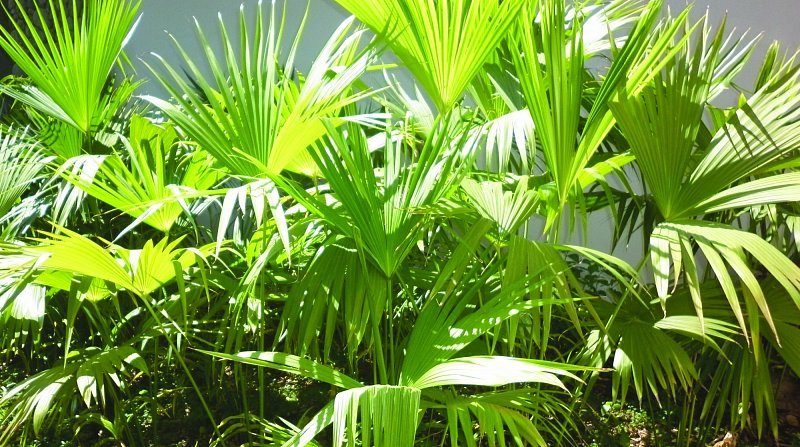
Panama hats are woven in Ecuador from the fiber of the toquilla palm, which grows along the Ecuadorian coast. Farmers harvest the stems and separate the fiber, which is boiled, dried and bleached with sulfur over a wood fire. Weavers then build the crown and brim, which can take anywhere from one day to eight months. The community of Pile is known for making the finest hats, which need a specific climate and an exact number of points in each row to maintain structural integrity. UNESCO added the weaving of the Ecuadorian toquilla straw hat to its Representative List of the Intangible Cultural Heritage of Humanity in 2012 [1]. Artisans in Montecristi were weaving these hats by the 17th century, and Cuenca became a second center of production by the 19th century (Wanderlust) [2]. The name comes from Panama, where the hats were shipped and sold to travelers. During the 1849 gold rush, prospectors crossing the isthmus bought them, and when people asked where they got their hats, they answered “Panama,” since the hats carried no 'Made in Ecuador' label. By 1850, the United States was buying about 220,000 a year (Brent Black, The Panama Hat Company of the Pacific) [3]. The U.S. government later bought 50,000 for troops during the Spanish-American War. On November 16, 1906, Theodore Roosevelt was photographed in one while touring the Panama Canal excavation, and demand grew. In 2008, master weaver Simón Espinal of Pile and five other artisans spent five months weaving a single hat, which was valued at $100,000 (Ripley’s Believe It or Not!) [4].
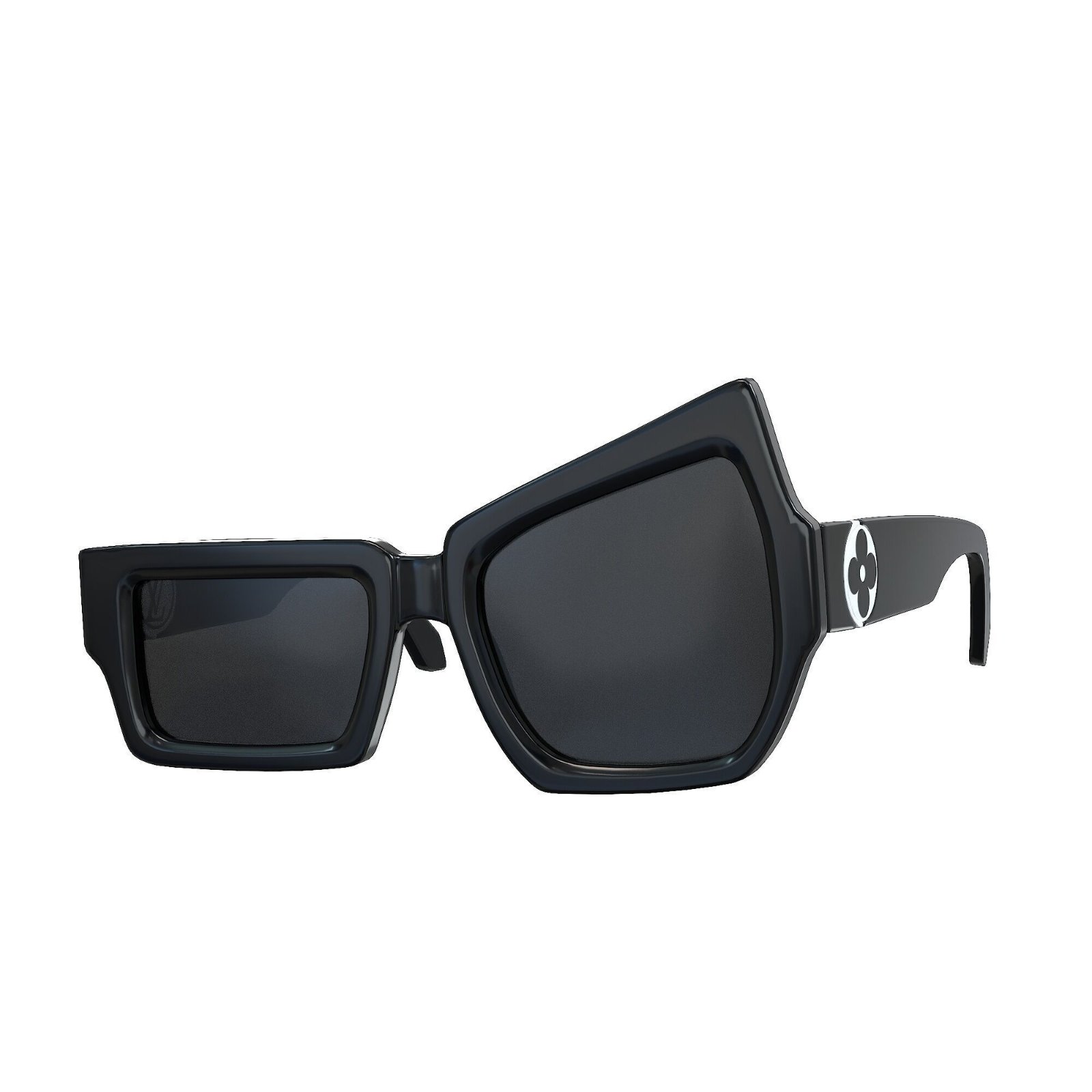
Louis Vuitton Distorted Sunglasses designed by Virgil Abloh (2021)