
November 7, 2026
The issue of November 7, 2026
Every question from this issue, with the answers, the hints and the reading behind them.
Play the November 7, 2026 issue
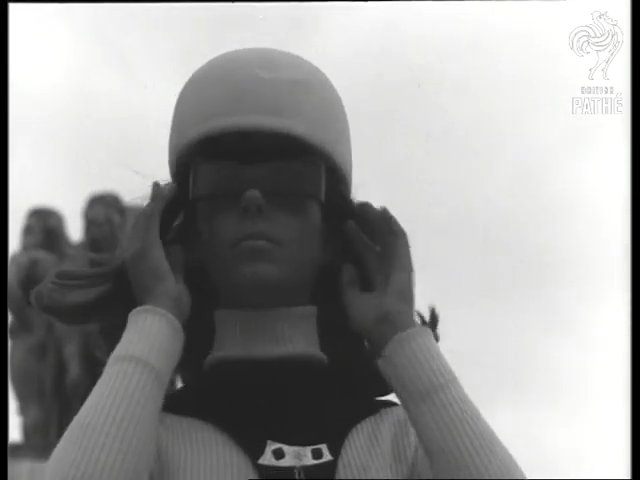
House: Pierre Cardin · Designer: Pierre Cardin · Season: Autumn/Winter 1966
In this British Pathé newsreel, male and female models show Pierre Cardin’s Autumn 1966 collection by the edge of the Seine, in plain colors, patterned tights, short skirts and helmet-style hats, in what Pathé calls a futuristic, Space Age theme. By then Cardin had already shaken up Paris. He helped Christian Dior develop the Bar jacket for the New Look, left to start his own house in 1950, and in 1959 designed a ready-to-wear collection for the Printemps department store, which temporarily cost him his place in the Chambre Syndicale. “Ready-to-wear is the only way to make money,” he told WWD in 1967 (FashionUnited) [1]. Paola Di Trocchio of the National Gallery of Victoria connects his 1966 collection to the Soviet Union’s first successful soft landing on the moon, part of the way the space race showed up in 1960s art, architecture, design and fashion [2]. His landmark 1964 “Cosmocorps” collection put men and women in brightly colored jumpsuits and unitards and reportedly inspired the unisex uniforms on Star Trek. Cardin said, “My favorite garment is the one I invent for a life that does not yet exist” (CNN) [3]. In October 1969, a few months after the moon landing, he toured NASA in Houston and tried on an Apollo 11 spacesuit, and he predicted, “In 2069, we will all walk on the moon or Mars wearing my ‘Cosmocorps’ ensembles” (Stephanie Sporn, Sotheby’s) [4].
Cardin was an optimist. But watching this, I see something desolate: only a few people in a wide, open space, a couple here and there. It feels like after the end, after the world’s been wiped away by nuclear fire and the remnants finally come up from their bunkers for air. The last humans on Earth, left behind after the wealthy escaped to the stars, the poor, the fuel for their cosmic crusades. There was a time people dreamt of the future; now, the future only rides in on nightmares. Terrifying!

Answer: Hennes & Mauritz
In 1947, Erling Persson opened a women’s clothing store in Västerås, Sweden, and called it 'Hennes', Swedish for “hers” [1]. He got the idea on a 1946 car trip through the United States, where he saw stores built on variety, low prices, and constant change. In 1968 he bought 'Mauritz Widforss', a Stockholm store that sold hunting and fishing gear; the purchase also came with a stock of men’s clothing [2]. That same year, the company became 'Hennes & Mauritz' and started selling men’s and children’s clothing. It was listed on the Stockholm Stock Exchange in 1974, and its first stores outside Sweden opened in Norway, followed by Denmark, the UK and Switzerland [1].
Answer: 2005
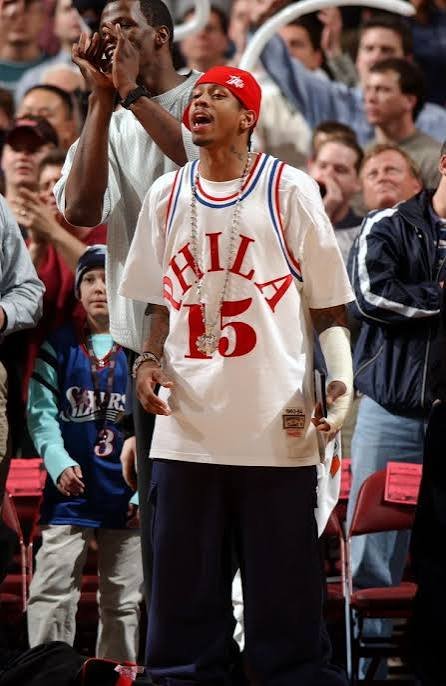
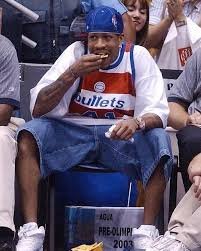
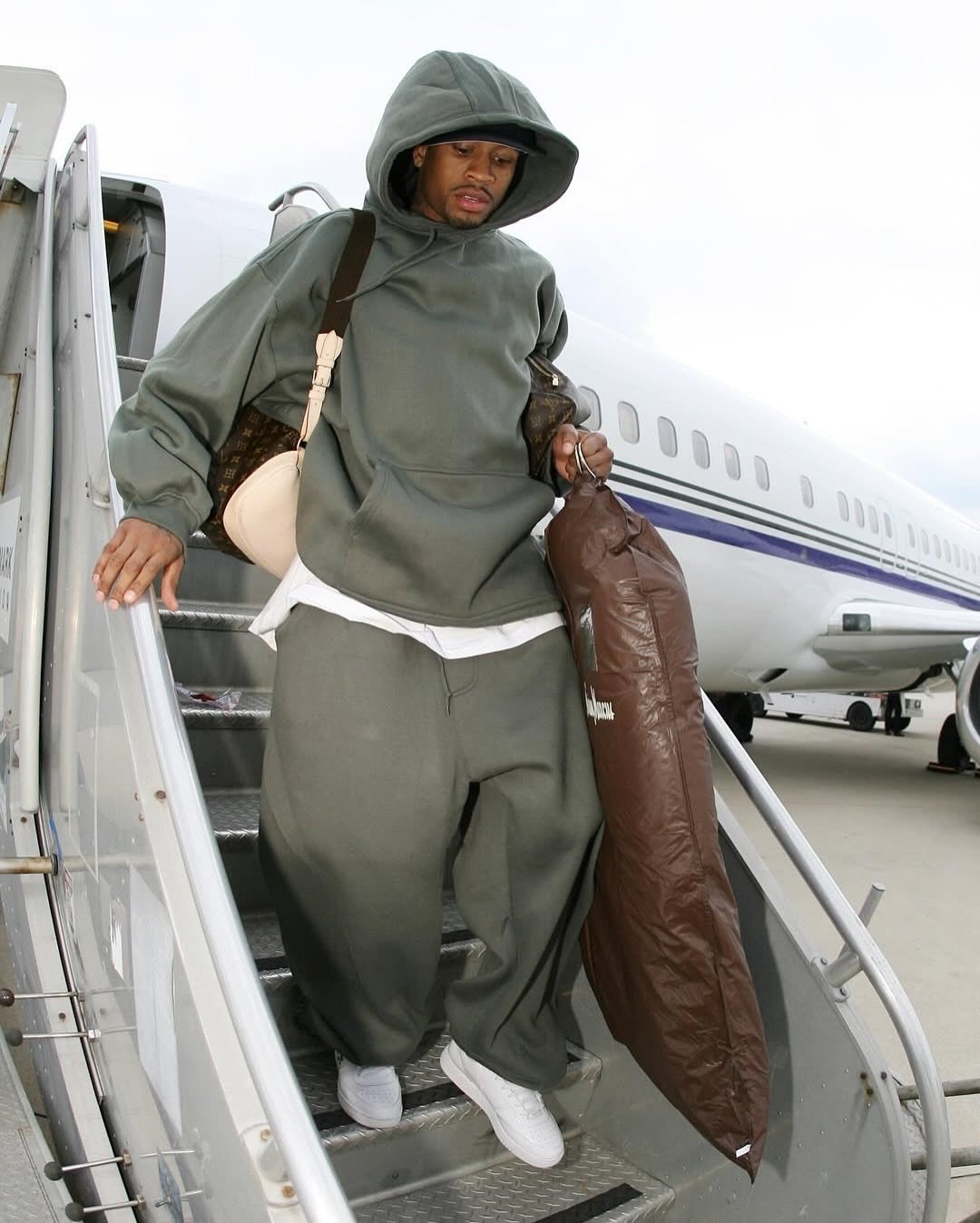
The NBA announced its dress code in a memo to teams in October 2005, and it took effect at the start of the regular season, on November 1st. Players had to wear business casual whenever they took part in team or league activities, including arriving at and leaving games, and wear a sport coat on the bench when not in uniform. Sleeveless shirts, shorts, T-shirts, chains or medallions worn over clothing, sunglasses indoors and headphones were all banned, and jerseys and baseball caps were no longer allowed at postgame press conferences (Reuters, via China Daily) [1]. Commissioner David Stern introduced the code after the 2004 “Malice at the Palace” brawl. Allen Iverson, whose flat-brimmed hats, du-rags, chains, baggy clothes and sneakers were his everyday style, was seen as the code’s main target and was one of its loudest critics: “They’re targeting my generation, the hip-hop generation.” Over time, the rule pushed players toward high fashion. Dwyane Wade said it made players “really dress up,” and GQ’s Mark Anthony Green described the effect: “one guy buys a Valentino suit, and the next one does” (Rolling Stone) [2]. At the time, Iverson said the code was “not good for the league, because it makes it fake.” Grant Hill welcomed it, Stephen Jackson called it “racist,” and the league warned that repeat violators could be removed from the league (Daniel B. Wood, Christian Science Monitor) [3].
The code was never formally abolished, but in July 2020, when the season resumed in the Orlando bubble, the league let players arrive at games in clothes from their own wardrobes, including presentable shorts, as long as they were “clean and neat in appearance.” It also dropped the rule that players on the bench wear a sport coat, though players not in uniform still had to wear pants (Nick DePaula, ESPN) [4]. Coaches went casual in the bubble too, trading suits for polos and quarter-zips, and kept the look once they were back in their home arenas. In 2026, Pat Riley said he wished coaches “went back to coats and ties,” but Erik Spoelstra and his Miami Heat staff still coach in polos, sweaters and quarter-zips (AP, via WTOP) [5]. Everyone, more or less, wears what they want to now.
With the NBA being more profitable than ever, it seems now that corruption and gambling sponsorships are more destructive than any players’ eccentric taste in fashion.



Answer: Lightning
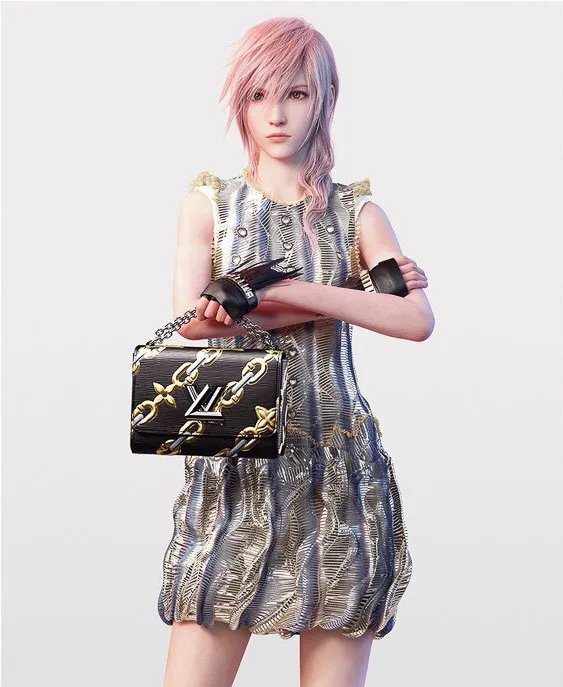
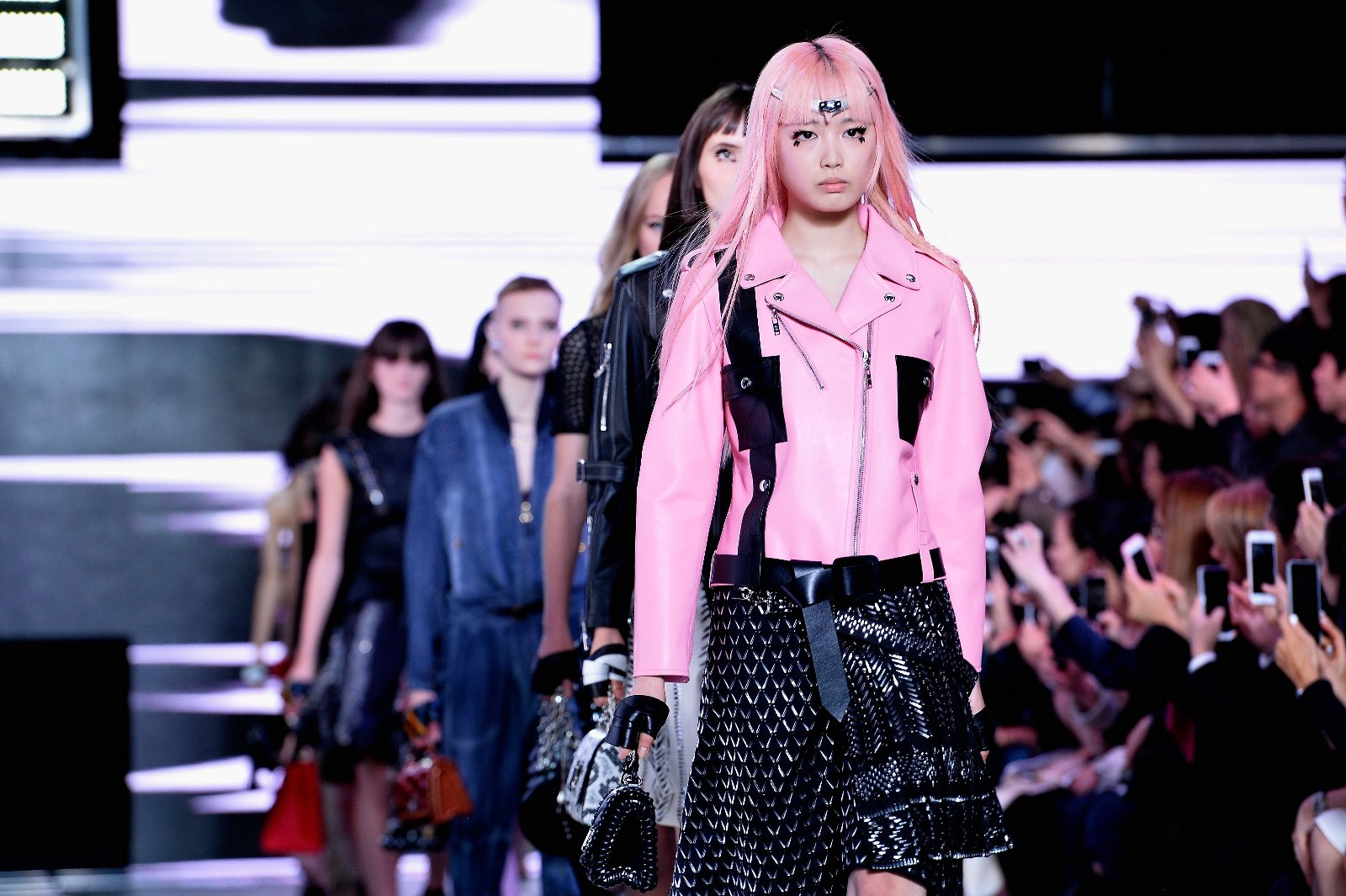
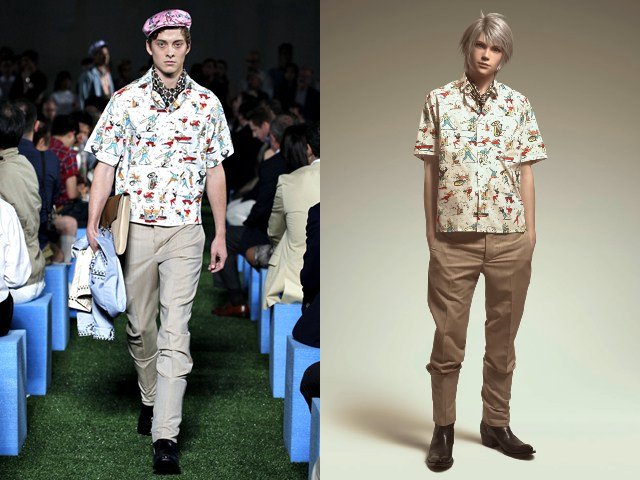
At the end of December 2015, Louis Vuitton creative director Nicolas Ghesquière posted the first images of his Spring/Summer 2016 “Series 4” campaign on Instagram, starring Lightning, the leading lady of the Japanese role-playing game Final Fantasy XIII. The campaign was a virtual collaboration with Square Enix artist and designer Tetsuya Nomura. Lightning modeled several looks straight from the runway in various vignettes and ads. Ghesquière said the collection reflected that “We’re all confronted by the digital world in a good way,” calling it “a real reality influenced by the virtual world” (Dominique Sisley, Dazed) [1]. The runway show that October was already full of anime and video game references: Fernanda Ly walked with pink hair, a Sailor Moon tiara and black manga lashes, and the references ranged from Minecraft to Neon Genesis Evangelion. In the campaign, Lightning wears pink Vuitton leather with a Petite Malle bag hanging from her wrist (Monica Kim, Vogue) [2]. Ghesquière called her “the perfect avatar for a global, heroic woman.” It was her first fashion campaign, and in an interview with The Telegraph, given in character, she said her clothes had been “nothing more than armour to stay alive” and that “dressing up” was a concept she’d never had (Joyce Lam, Time Out Tokyo) [3]. In the campaign’s images and videos, the heroine poses in the collection with her signature sword [4]. Ghesquière wasn’t the first designer to dress her: in 2012, the cast of Final Fantasy XIII-2 wore Miuccia Prada’s Spring menswear collection for a 12-page fashion spread, with Lightning in an oversize silk bowling shirt and kerchief [2].
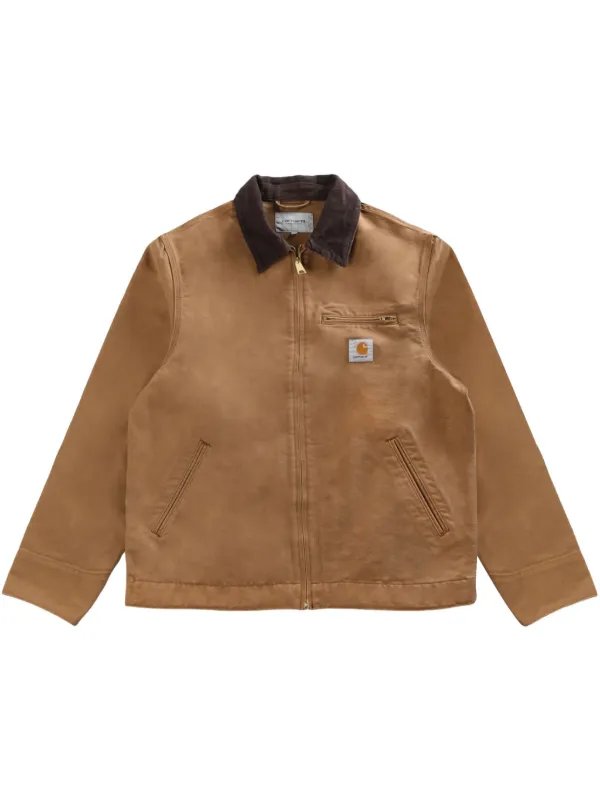
Carhartt Detroit jacket