
November 5, 2026
The issue of November 5, 2026
Every question from this issue, with the answers, the hints and the reading behind them.
Play the November 5, 2026 issue
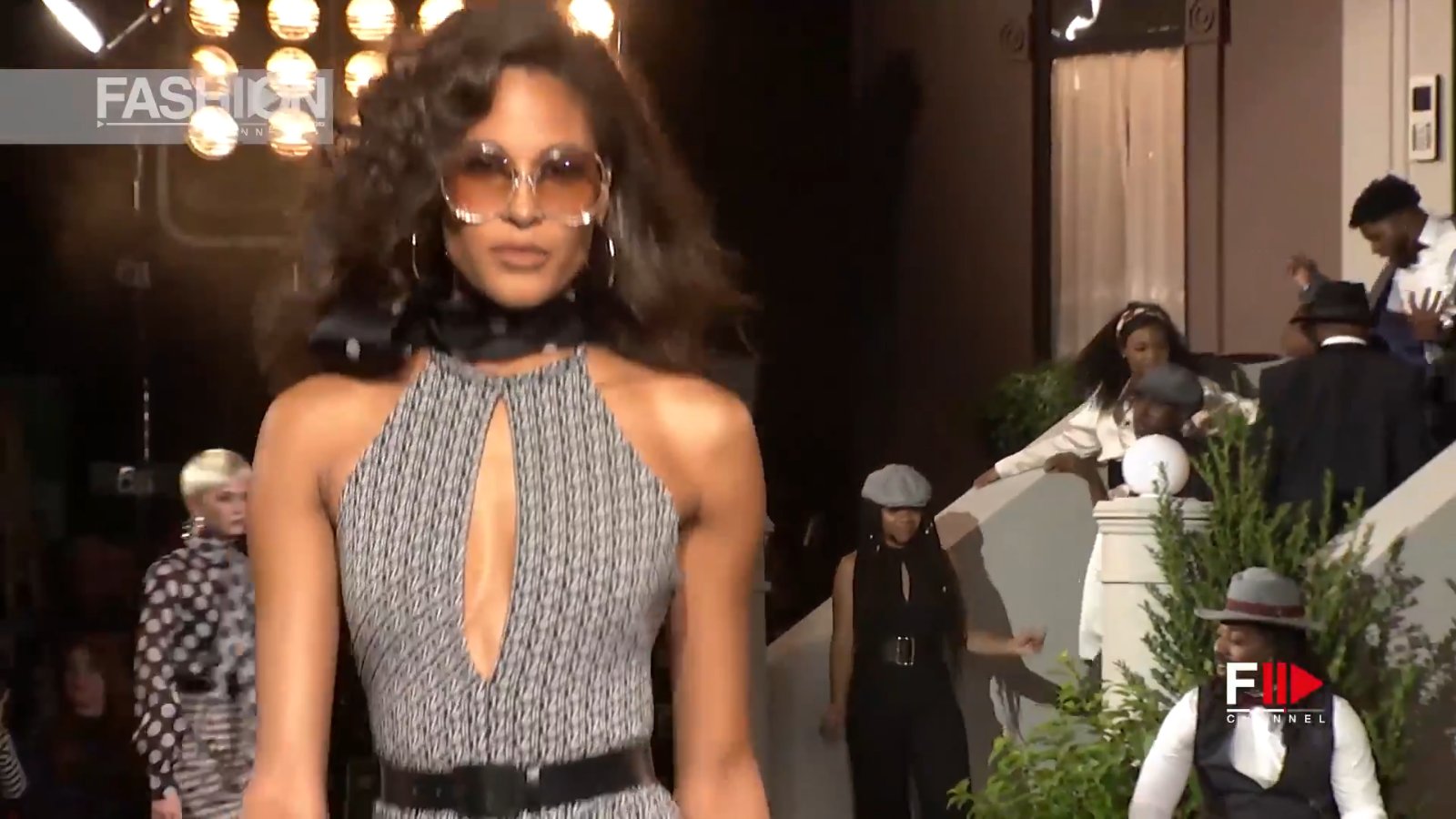
House: Tommy Hilfiger · Designer: Tommy Hilfiger and Zendaya · Season: Fall/Winter 2019
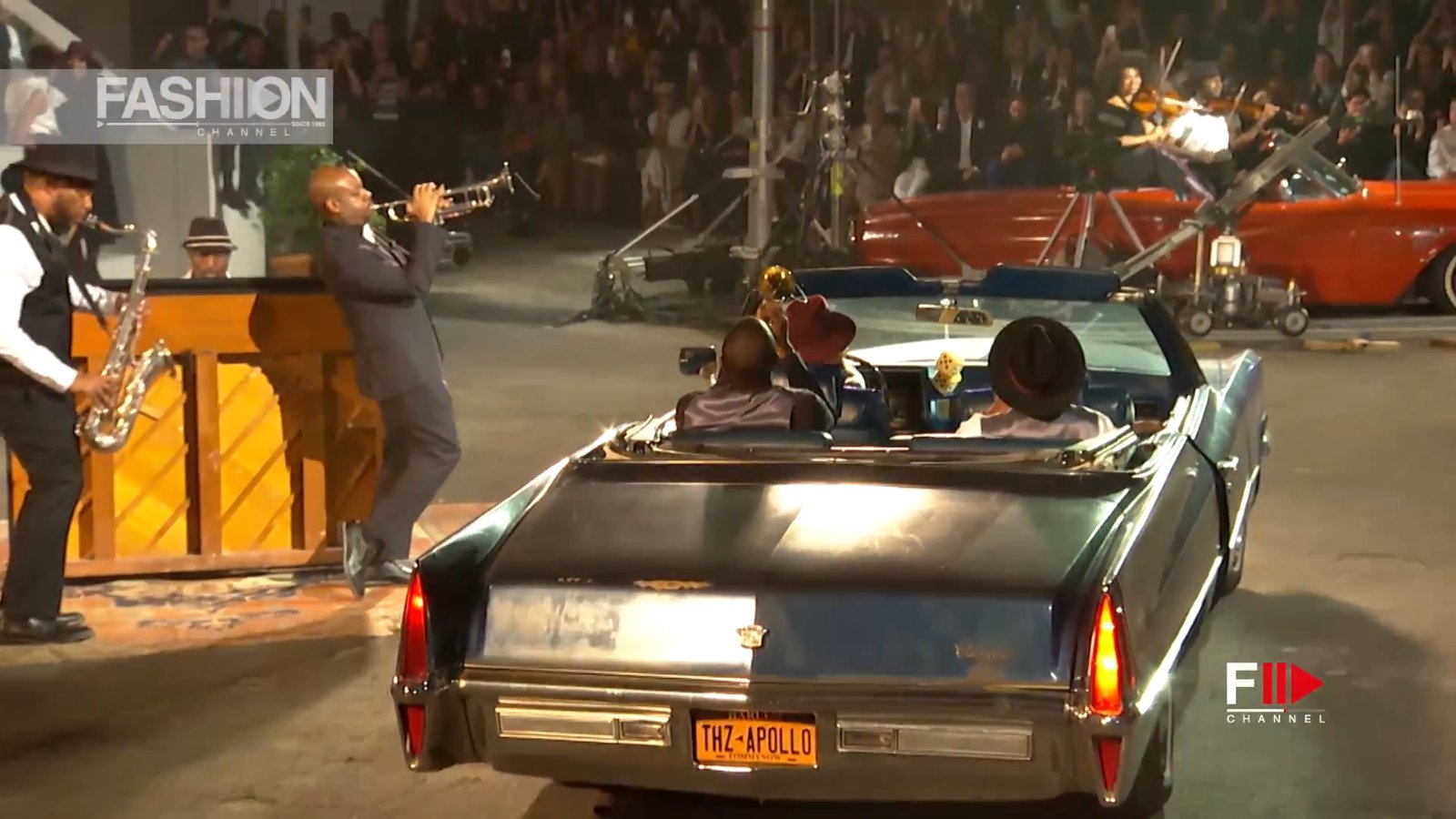
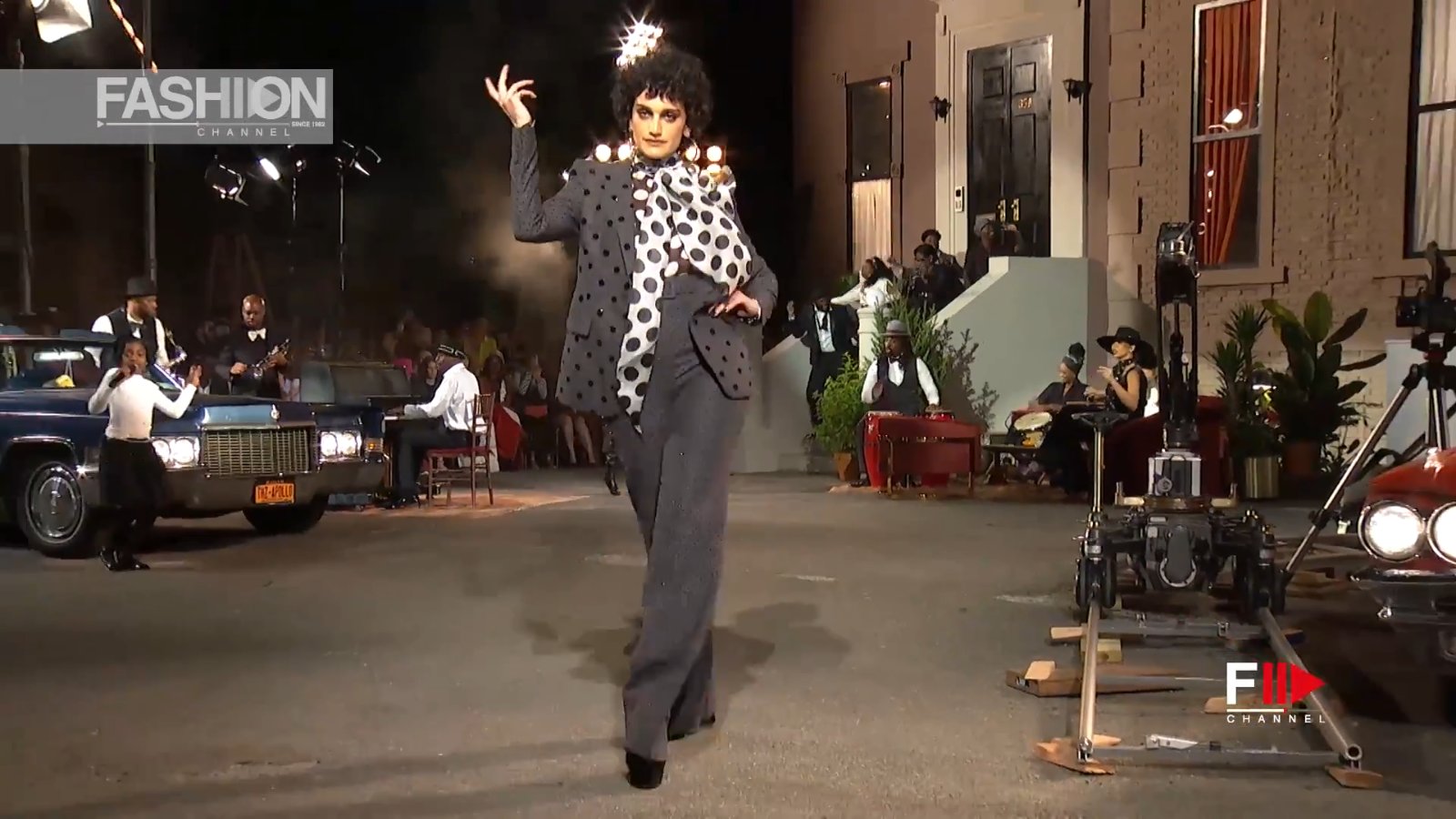
Tommy Hilfiger returned to New York Fashion Week on Sunday, September 8, 2019, with a stage set up on the street outside the Apollo Theater in Harlem. The collection, designed with Zendaya, drew on Harlem fashion of the late 1970s and early 1980s: tailored pantsuits with high-waisted, wide-legged trousers in tweeds, houndstooth and polka dots, plus leathers, velvets, faux fur, chunky platforms and wide-brimmed hats. About 20 musicians from Vy Higginsen’s Mama Foundation for the Arts played funk from classic American convertibles, including Aretha Franklin’s “Respect.” Hilfiger called the partnership “a reinvention” for the company, and Zendaya said he let her “do whatever I wanted to” [1]. The cast ranged in age, size and background, with Halima Aden, Precious Lee, Winnie Harlow, Candice Swanepoel, Ebonee Davis and a pregnant Ashley Graham, while Bella and Gigi Hadid watched from the front row. It was the last of two seasons Hilfiger made with Zendaya and her stylist, Law Roach [2]. The first came that March in Paris, inspired by the 1973 Battle of Versailles, with an all-Black cast that included Beverly Johnson and Pat Cleveland and a finale from Grace Jones [3].
The Apollo started as a whites-only burlesque house, and in 1934, during the Harlem Renaissance, its owners staged an “all-colored show.” Amateur Night followed, and Ella Fitzgerald was among its first winners; James Brown, the Jackson 5, Billie Holiday, Gladys Knight and the Pips and so many other all-stars have come up under the bright lights of The Apollo [4]. The countless number of people who shrank under those lights, however, would find themselves booed off stage. You should go back and watch some old 'Showtime at the Apollo' episodes, they are hilarious. The crowd’s booing came with an enforcer: Howard “Sandman” Sims, a tap dancer who had been booed off the stage at least 10 times himself, spent 17 years as “the Executioner,” dancing rejected amateurs off the stage [5]. As far as the show goes, it gave me 70s Foxy Brown Blaxploitation movie vibes. Big! flamboyant! extravagant! Groovy!

Answer: 4
Houndstooth is a broken check of jagged, four-pointed shapes, woven in a twill with alternating light and dark yarns. Its natural home is tweed, where the edges blur slightly; in worsted wool or cashmere, the shapes come out sharper. The earliest known example is the Gerum cloak, dated to between 360 and 100 BC and found in Sweden in 1920. In the Scottish countryside, the pattern was made from undyed wool from white and black sheep. In French it’s pied-de-poule, “hen’s foot,” and when the check is scaled up it becomes pied-de-coq. Coco Chanel used it as early as the 1920s, but Christian Dior made it known with his tweed suits and put it on the Miss Dior perfume bottle [1]. The RISD Museum holds a Dior wool day suit in houndstooth twill from Fall/Winter 1952 [2], and Ohio State’s historic costume collection has a Dior houndstooth skirt suit from Autumn/Winter 1959, with a matching overcoat and scarf [3].
Glen check is a large check, traditionally in black and white, that also comes from Scotland. It’s named for the valley of Glenurquhart in Inverness-shire, and in 1840 Caroline, Countess of Seafield, adopted it for her estate. On visits to the estate, Edward VII, then Prince of Wales, took to the design and had it adapted to his own specifications, which is why it’s also called the Prince of Wales check. The Duke of Windsor later added a colored overcheck [4]. Today “Prince of Wales” usually means a smaller, finer version, while “glen check” refers to the larger scale of the original [5].
Gingham is a cotton or cotton-blend fabric woven from dyed yarn in a plain weave, which forms a simple checked pattern, usually in two colors. It looks the same on both sides. The name may come from the Malay word genggang, meaning “striped,” by way of the Dutch gingang; another theory traces it to the French town of Guingamp, and the French call the pattern Vichy [6]. In 1959 Brigitte Bardot married Jacques Charrier in a full-skirted pink gingham gown by Jacques Estérel, and a month later the New York Times reported that you couldn’t buy a yard of gingham in Paris [7].
Herringbone is a zigzag made by alternating left- and right-hand twills every few rows, which also makes the cloth stronger and less likely to twist than a single-direction twill. The earliest known herringbone fabric is a pair of wool leggings from 800 to 500 BC, found in the Alps between Italy and Austria, and a herringbone textile was found in the ruins of Pompeii. Ancient Romans also laid road bricks in the pattern, which they called opus spicatum, “spiked work.” David Shuck of Heddels suggests the name came from Scottish tweed weavers in the early 1800s, who saw the skeleton of the herring they fished in its V shapes. In 1941 the U.S. Army issued herringbone twill uniforms, and the U.S. military kept them in use until the mid-1960s [8].
Answer: Clog
The classic Dutch clog, or klomp, covers most of the foot and is usually carved from poplar or willow wood. Traditional clogs had a black base for work on clay soil or a yellowish one for sandy ground, so the dirt wouldn’t show, and the painted decoration on top was meant to make them look like leather shoes, which few farmers could afford. The oldest clog found so far is said to date from 1230; it was made of elder wood and dug up on the Nieuwendijk in Amsterdam [1]. Clogs have been worn in roughly their current shape for at least 800 years. Fishermen’s clogs had pointed toes to help hook nets onto boats, and in 1950 Dutch factories made a record nine million pairs, when the country’s population was 10 million. A 1997 study found that most wooden clog brands met Dutch and European standards for protective shoes, and they have been certified as such since 1999 [2].

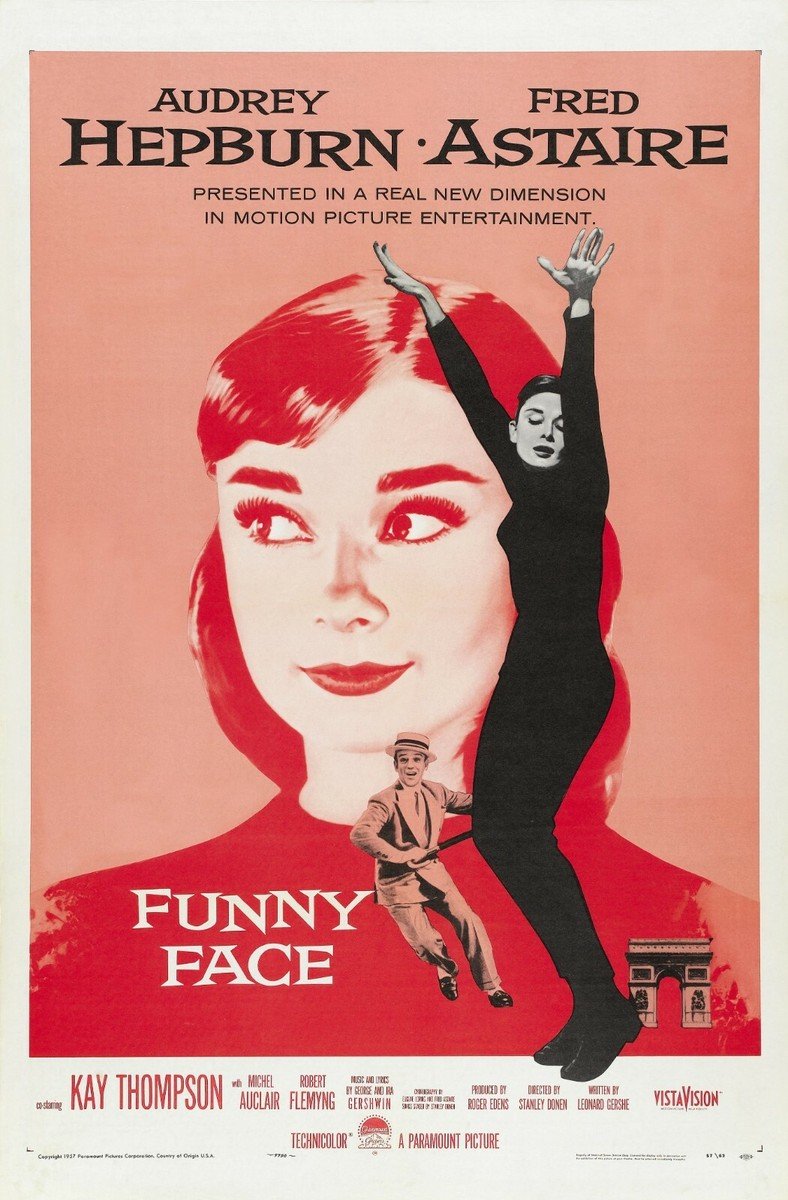
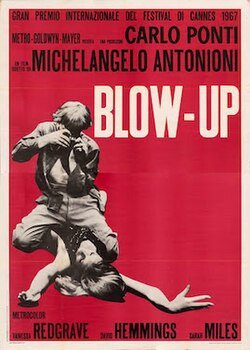
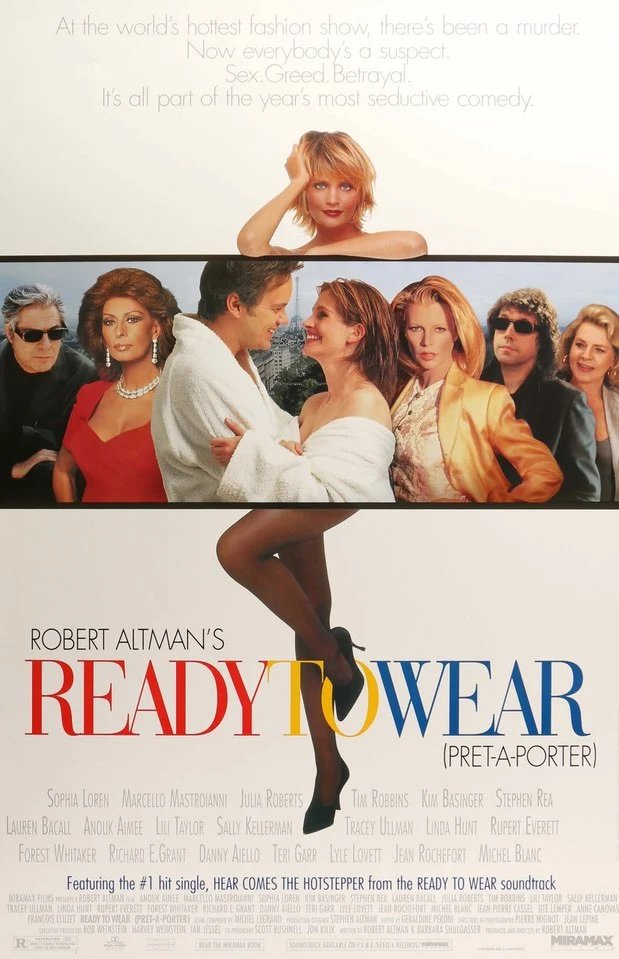
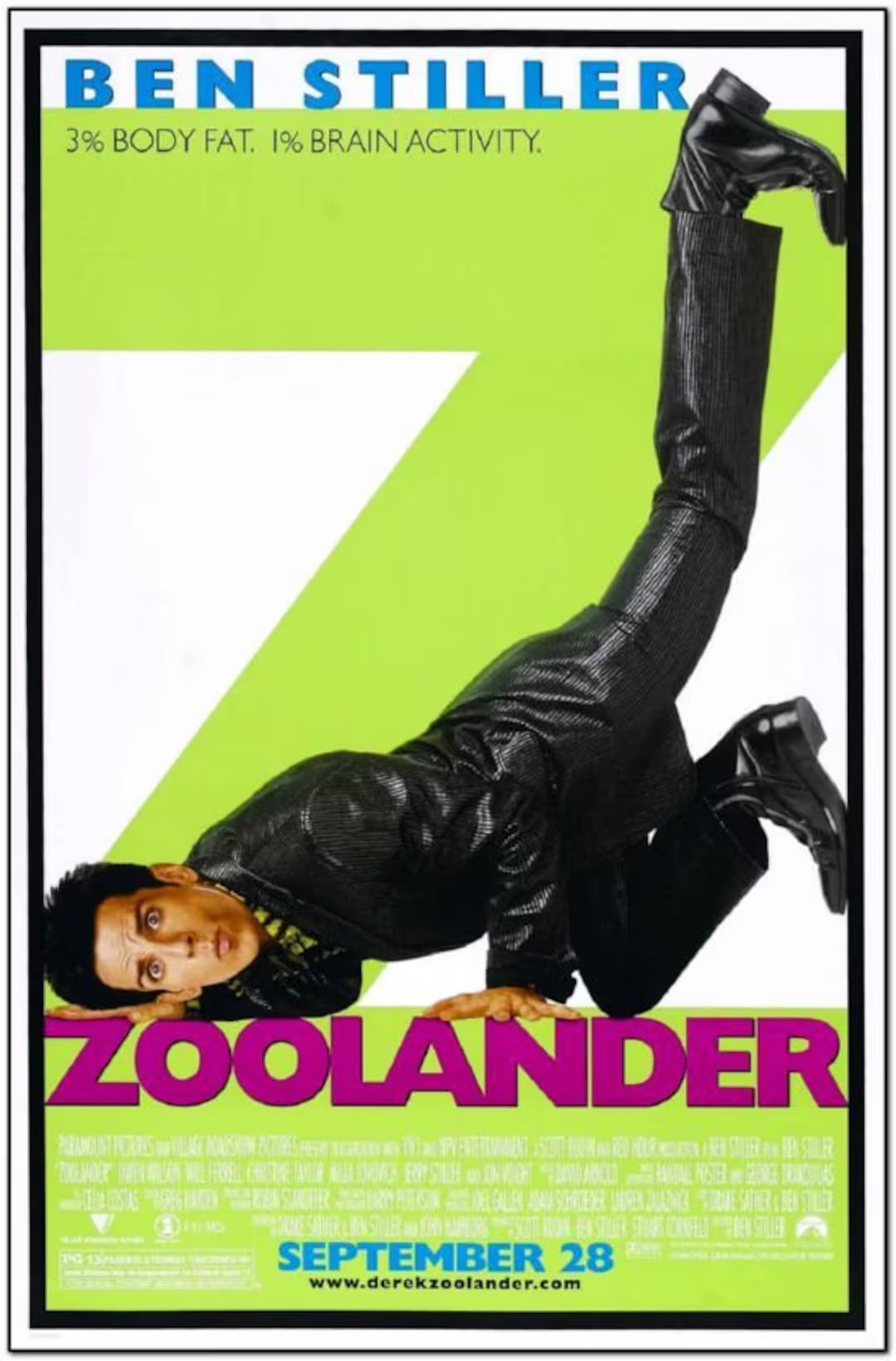
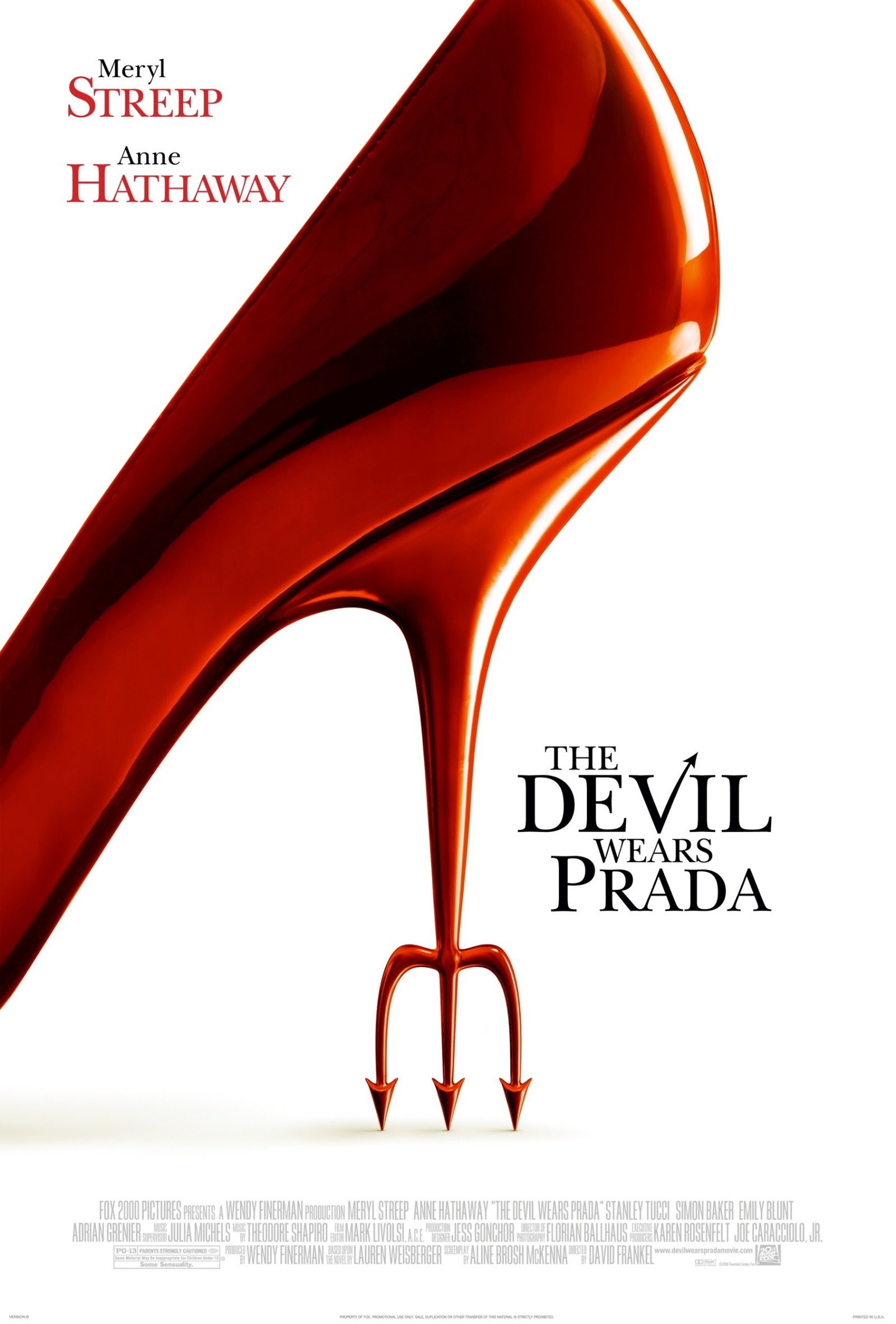
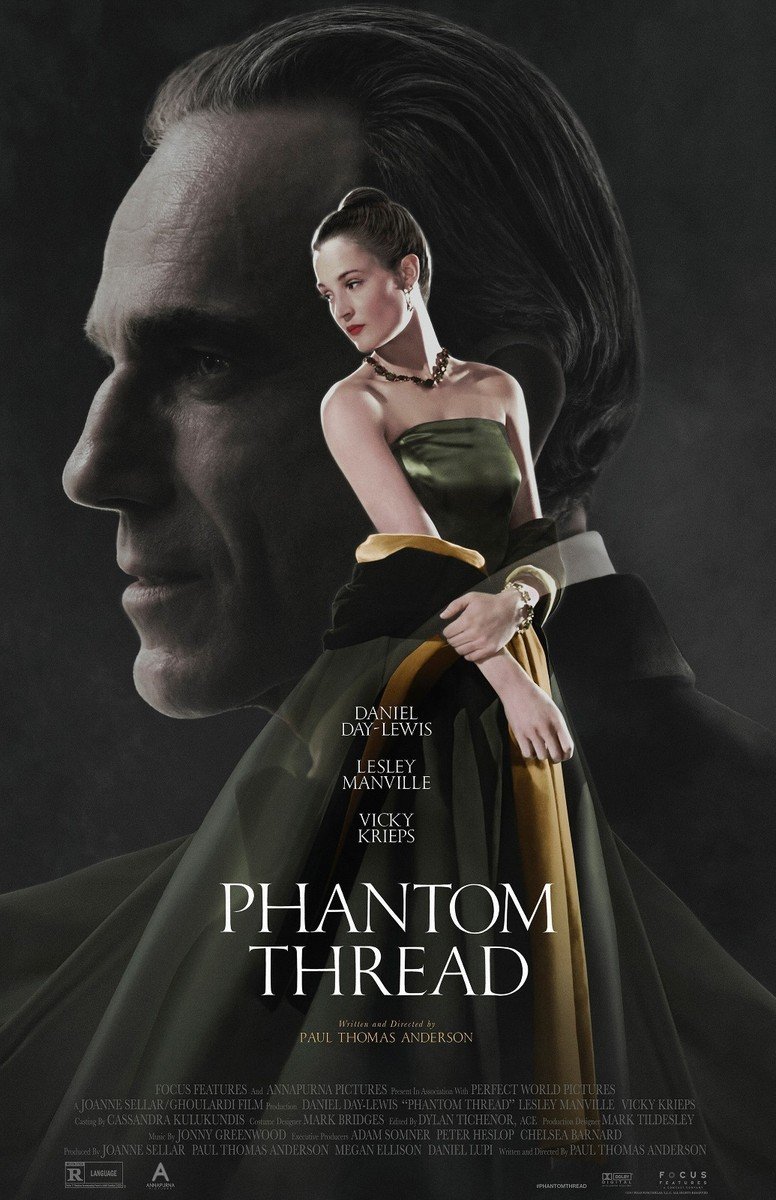
Answer: Funny Face (1957) → Blow-Up (1966) → Prêt-à-Porter (1994) → Zoolander (2001) → The Devil Wears Prada (2006) → Phantom Thread (2017)
Funny Face (early 1957): Fred Astaire plays a fashion photographer loosely based on Richard Avedon, who was hired as the film’s “special visual consultant” and designed its opening titles. Avedon’s favorite model Dovima plays a model named Marion. Givenchy made all of Audrey Hepburn’s Paris costumes, and Hepburn made sure he shared billing and an Oscar nomination with Edith Head [1].
Blow-Up (late 1966): David Hemmings plays Thomas, a Swinging London fashion photographer who thinks he has photographed a murder. Michelangelo Antonioni drew directly on photographers David Bailey, Brian Duffy and Terence Donovan, sending them a questionnaire and watching them work, and he paid war photographer Don McCullin to shoot the film’s blow-ups [2].
Prêt-à-Porter (late 1994): Robert Altman got the idea in 1984, when his wife took him to a Sonia Rykiel show in Paris. He shot the film during Paris Fashion Week, with cameos from Thierry Mugler, Jean Paul Gaultier, Issey Miyake, Björk and Naomi Campbell. Critics panned it, and Karl Lagerfeld blocked its release in Germany over a line calling him a “thief” (Hannah Tindle, AnOther) [3].
Zoolander (September 28, 2001): Ben Stiller’s classic male-model comedy opened through Paramount [4]. It featured cameos from Tom Ford and Donatella Versace, and Karl Lagerfeld appears uncredited (Zing Tsjeng, Dazed) [5].
The Devil Wears Prada (June 30, 2006): Costume designer Patricia Field started with a $100,000 budget, but with help from designers and friends she got access to $1 million worth of clothes [6].
Phantom Thread (December 25, 2017): Daniel Day-Lewis plays Reynolds Woodcock, a couturier in postwar London. Costume designer Mark Bridges drew on Hardy Amies, Digby Morton and Cristóbal Balenciaga, Savile Row tailor Anderson & Sheppard made seven bespoke looks for Day-Lewis, and the film won both the Oscar and the BAFTA for costume design (Anna Prendergast, The Rake) [7].
Kuboraum Sunglasses 'Mask Z50'