October 27, 2026
The issue of October 27, 2026
Every question from this issue, with the answers, the hints and the reading behind them.
Play the October 27, 2026 issue
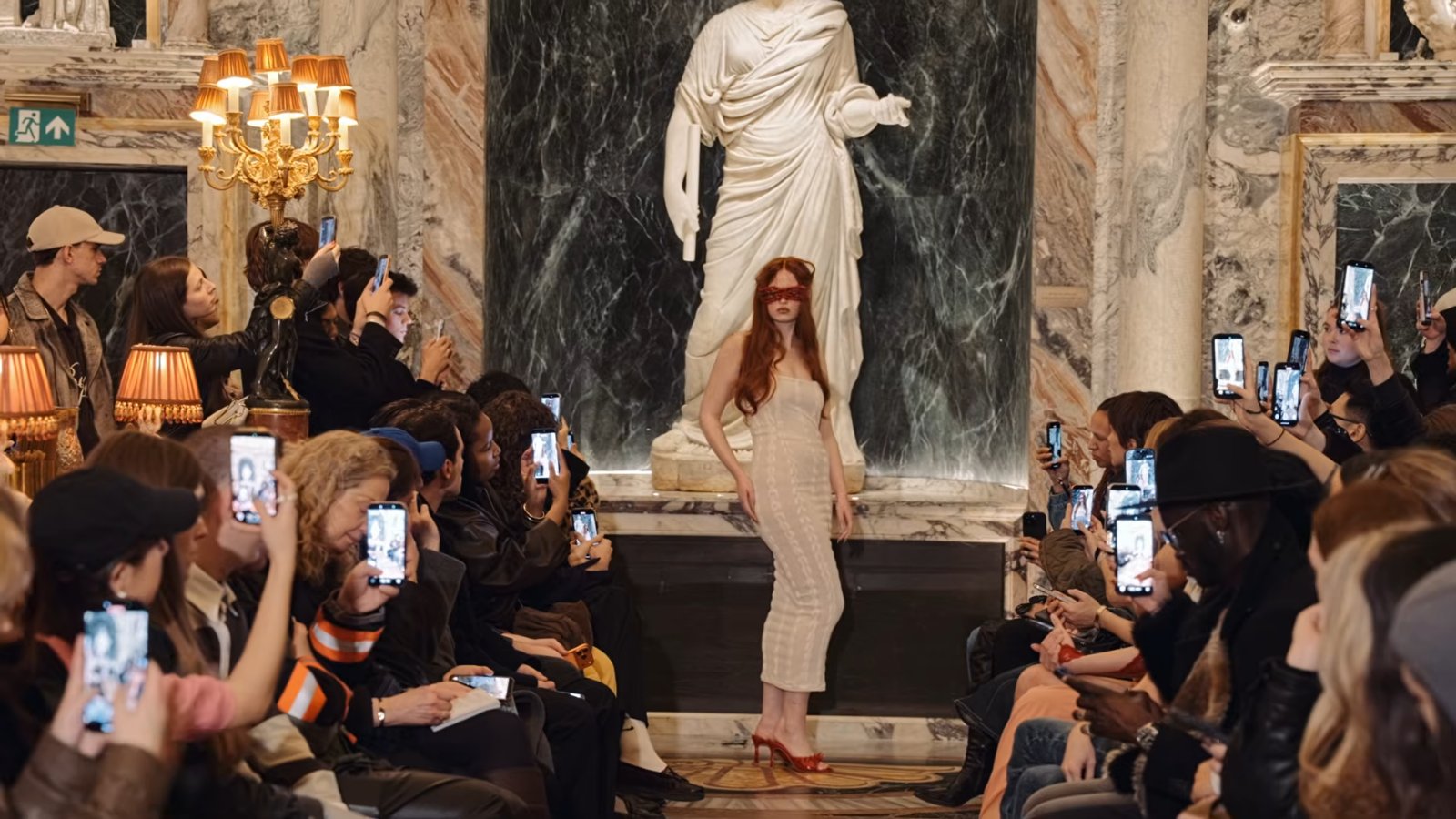
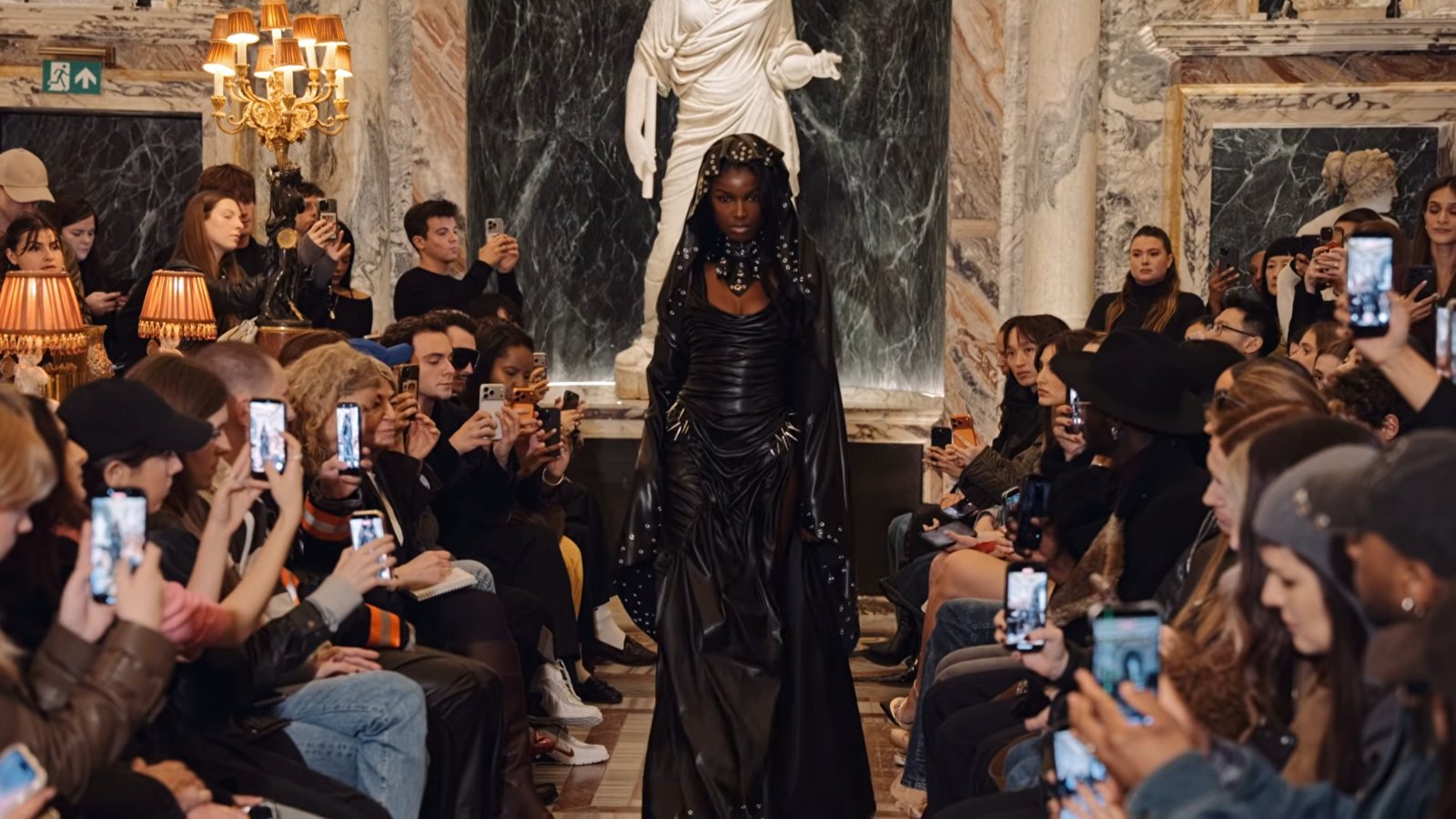
House: Di Petsa · Designer: Dimitra Petsa · Season: Autumn/Winter 2026 - Medusa's Lover
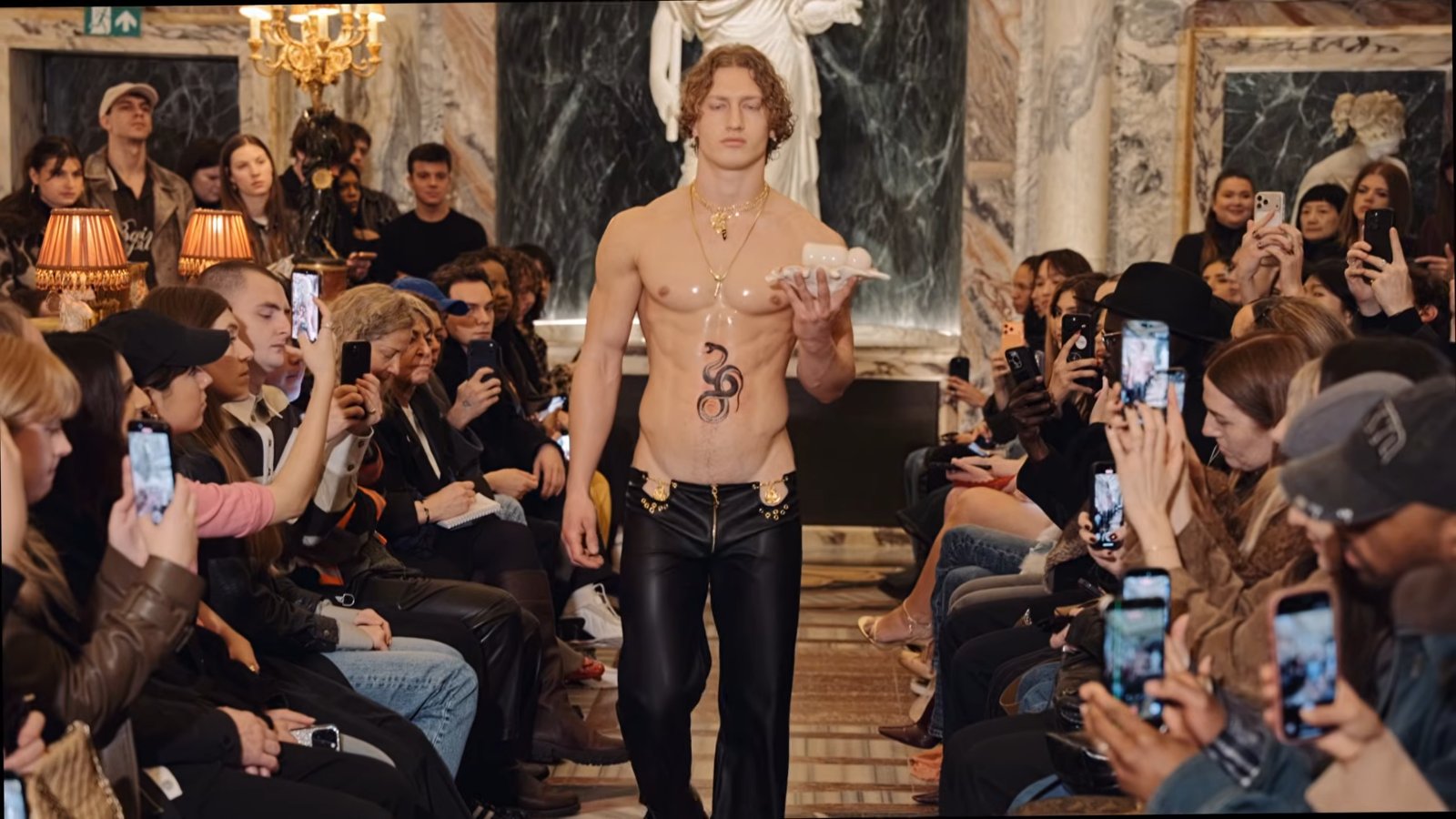
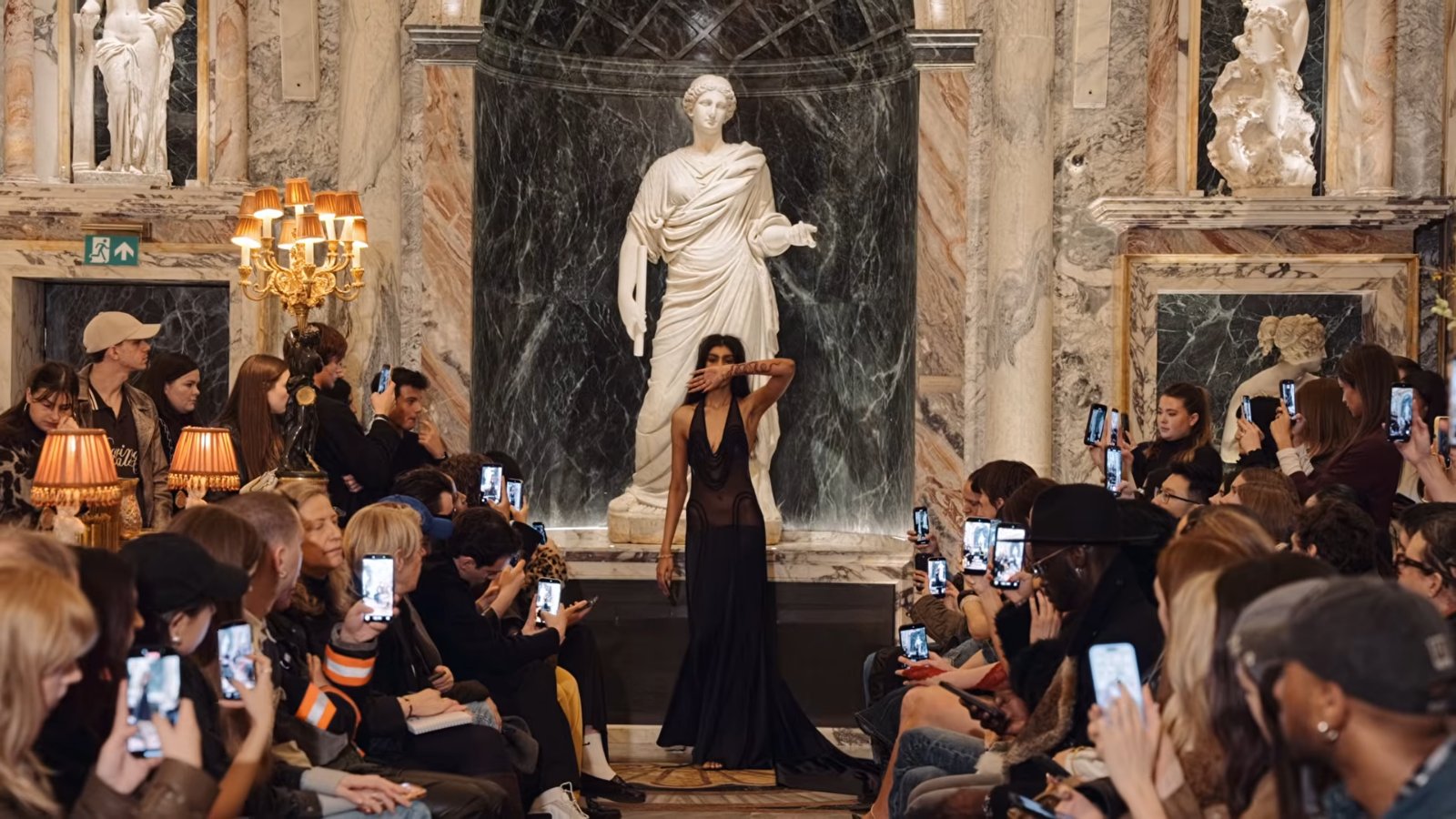
Dimitra Petsa staged “Medusa’s Lover” in the Apollo’s Muse Room at Bacchanalia in Mayfair, under suspended marble sculptures and Sistine-style frescoes (Sylvia Shoshan, Hypebae). Her notes describe Medusa as “a woman turned into a monster, who transformed her curse into power” and the season as a renewal: “Our self actualisation is an erotic process, a snake slowly slipping out of its old skin” (Di Petsa). “She’s scary but she is this mother figure,” Petsa told Vogue (via Vera Adamidou, Our Culture).
Her signature wetlook draping was reworked to look like snakeskin mid-shed, with prints shifting from serpent scales into nude illusion and cut-out bodysuits centered on the hips (Maya Lane, DSCENE). Models had freshly inked snake tattoos and crystal headpieces shielding their eyes, along with a sweat-sheen glow from makeup artist Bea Sweet. Shoshan called it a shift from “soft dreaminess” to “powerful decisiveness.”
It reminds me of Alexander McQueen saying, “I want people to be afraid of the women I dress” (via Mhairi Graham, AnOther). The show moves through the myth of Medusa, rebirth and transformation, ornamentation, and an infectious heat. With Medusa, you can’t look at her or you’ll turn to stone, and yet a fashion show’s whole point is to look at people. It goes from “don’t look at her” to “don’t look away.” It’s about negotiating power, negotiating visibility and accessibility. Would you look at that!
Sources: Di Petsa · Hypebae, Sylvia Shoshan · DSCENE, Maya Lane · Our Culture, Vera Adamidou · Resident, Hillary Latos · AnOther, Mhairi Graham · Dezeen, Rupert Bickersteth
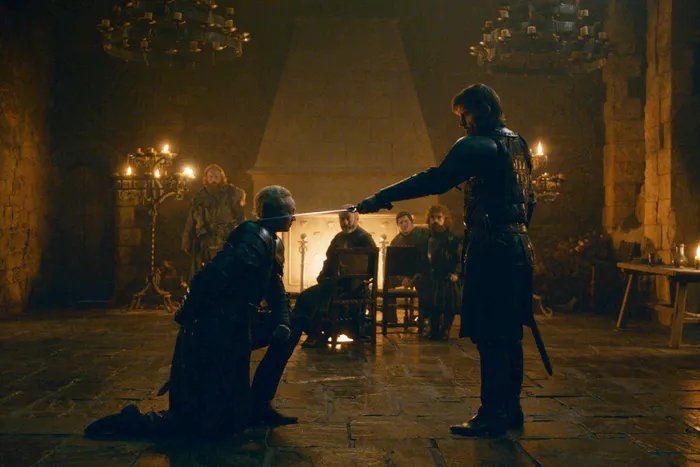
Answer: Vivienne Westwood, Mary Quant, Paul Smith, Hardy Amies
Britain’s top honor for its designers is a knighthood or damehood, and four of these got one. Hardy Amies became Princess Elizabeth’s dressmaker in 1951, was officially dressmaker to the Queen from 1955 until about 1993, and was knighted in 1989 (Encyclopedia.com). Paul Smith was made a CBE in 1994 and knighted in November 2000 for services to British fashion (Encyclopedia.com). Vivienne Westwood famously went knickerless to collect her OBE in 1992, and she was made a Dame in 2006 (LBC). Mary Quant, credited with bringing the miniskirt to the masses, became a Dame in the 2015 New Year Honours (Danielle Wightman-Stone, FashionUnited; The Gazette). Alexander McQueen, John Galliano and Stella McCartney were all honored too, but as CBEs and OBEs, a step below knighthood (The Gazette).
Sources: The Gazette · Encyclopedia.com · Encyclopedia.com · LBC · FashionUnited, Danielle Wightman-Stone
Answer: Cross Colours (1989) → FUBU (1992) → Ecko Unlimited (1993) → Mecca USA (1994) → Enyce (1996) → Sean John (1998) → Rocawear (1999) → Billionaire Boys Club (2003)
Cross Colours (1989): Carl Jones and TJ Walker launched it in LA with the slogan “Clothing Without Prejudice.” Will Smith wearing it on The Fresh Prince of Bel-Air made it a celebrity favorite (Document Journal).
FUBU (1992): “For Us, By Us.” Daymond John set it up after making his first hats at home in 1989 (Ohio State University, Fashion2Fiber).
Ecko Unlimited (1993): Marc Ecko started out designing T-shirts in his family’s garage with his twin sister, Marci, and his friend Seth Gerszberg. The rhino logo came a few years later, inspired by his father’s collection of rhino statues (Encyclopedia.com). Ecko went on to launch Complex magazine in 2002 (Caiza Andresen, Title Magazine).
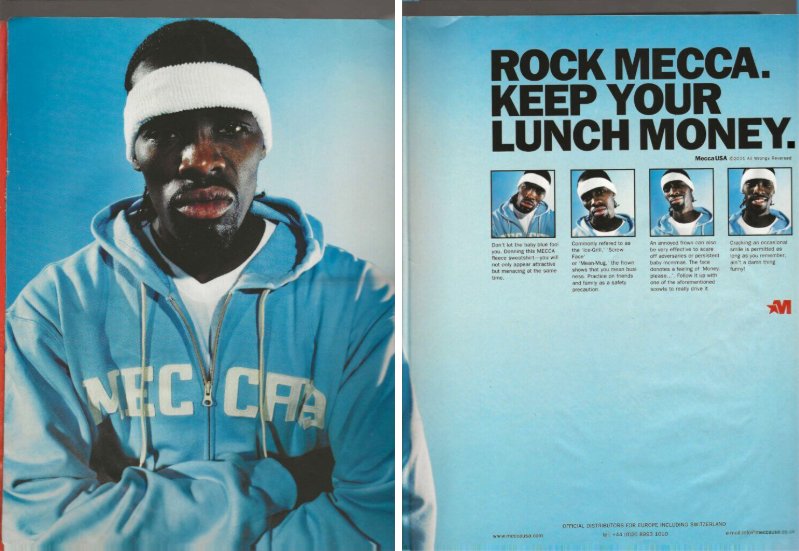
Mecca USA (1994): Tony Shellman, Lando Felix and Evan Davis launched it around 1994. It sold $20 million of clothing in three seasons and became known for its slogan “Rock Mecca. Keep your lunch money” (Cynthia Rose, The Seattle Times; Title Magazine).
*NOTE: When I was a kid, we would tease each other and say Mecca stood for: Murder Every Civilian Child Alive. Don't know why I remember that, but I do. Maybe it was Islamophobic, War-on-Terror stuff, or kids just being stupid, idk.*
Enyce (1996): In February 1996, the trio walked away from Mecca, saying it had been pigeonholed as hip-hop, and started Enyce with backing from Italy’s Fila. Its name is pronounced “en-ne-che” (The Seattle Times; Title Magazine). Sean John bought Enyce in 2008.
Sean John (1998): Sean Combs founded it and hired a Ralph Lauren executive to help build it. In 2001 it became the first designer runway show broadcast live on TV (Encyclopedia.com).
Rocawear (1999): Jay-Z and Dame Dash started it a year later (Mike DeStefano, Complex).
Billionaire Boys Club (2003): Pharrell Williams and Nigo, the founder of BAPE, launched it, later adding the sister label ICECREAM. The astronaut logo was sketched over one dinner in Tokyo (Kerane Marcellus, Essence; Billionaire Boys Club).
Sources: Title Magazine, Caiza Andresen · The Seattle Times, Cynthia Rose · Encyclopedia.com · Document Journal · Ohio State University, Fashion2Fiber · Encyclopedia.com · Complex, Mike DeStefano · Billionaire Boys Club · Essence, Kerane Marcellus
Answer: Red dye
SHOUTOUT TO BRAZIL AND LULA!!
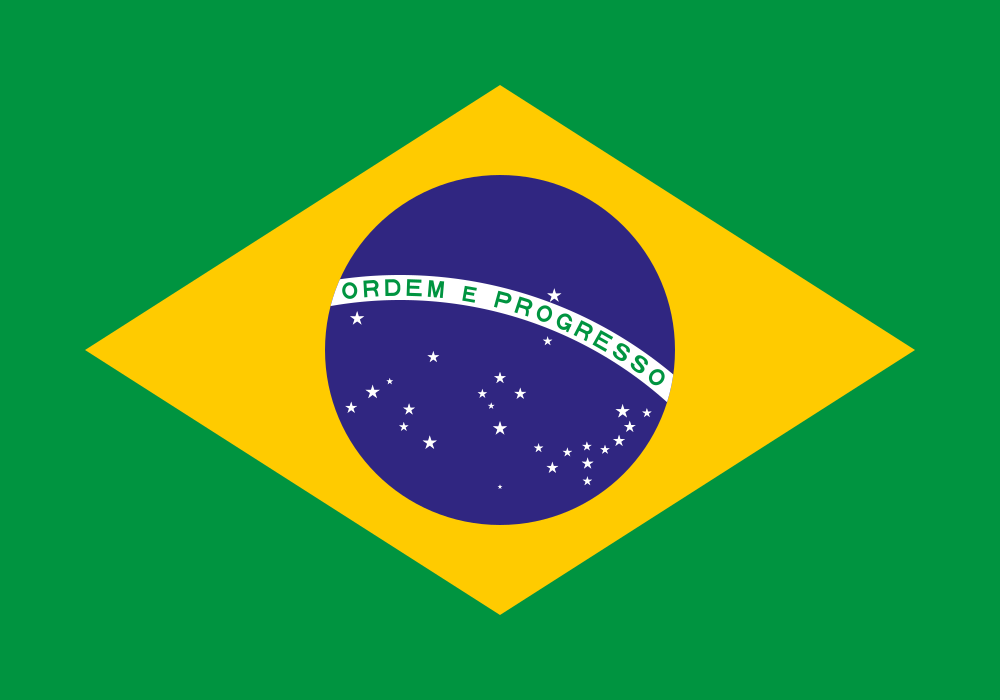
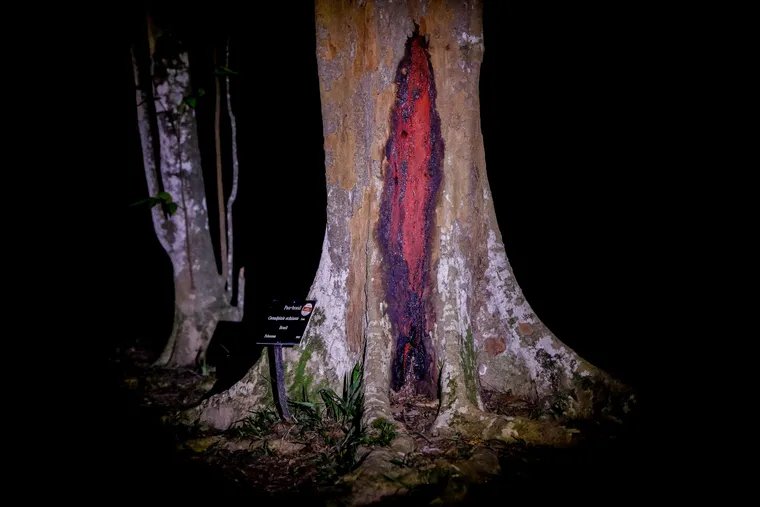
When Pedro Álvares Cabral landed in 1500, he named the land Santa Cruz. But within a decade, maps were calling it terra de brasil, “red-dyewood land” (Etymonline). Europeans already knew “brasil” as the name for a red dyewood from the East Indies, now called sappanwood, and the word likely comes from the same root as “embers,” for the wood’s glowing color (Etymonline). Portuguese traders found that Brazil’s pau-brasil tree held the same red dye, brazilin, in its heartwood. Extracted from the sawdust and fixed with a mordant, it colored European textiles (Stephen Harris, University of Oxford Plants 400). Less than two decades after the Portuguese arrived, the first map of Brazil already showed Indigenous people cutting the wood. It stayed a major export until the mid-1600s and drew pirates and rival empires, until overharvesting helped collapse the trade in the 1700s. Today the tree is rare in the wild, its trade is regulated by CITES, and its main use is making bows for stringed instruments (Oxford Plants 400).
Sources: Etymonline · University of Oxford Plants 400, Stephen Harris · Who'Studios, WhoNews · National Geographic Brazil
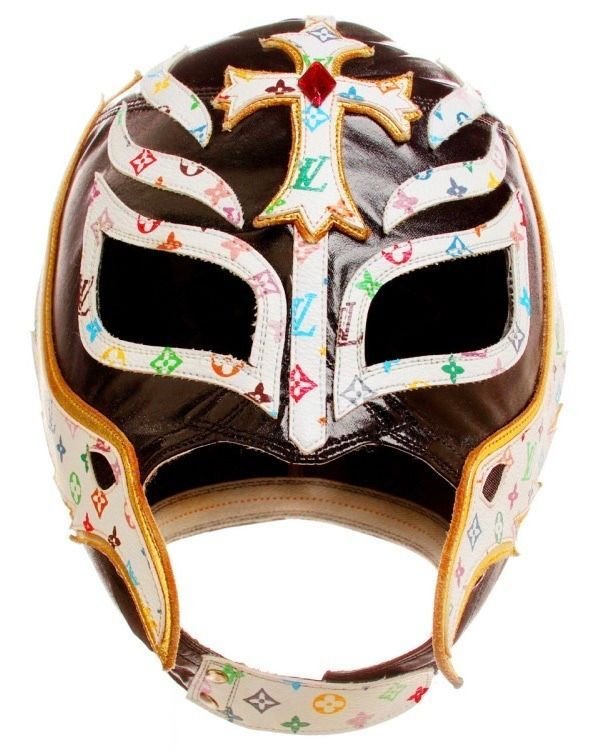
Louis Vuitton x Rey Mysterio Mask (2006). The same year he won the Royal Rumble and World Heavyweight Championship at WrestleMania 22 in a Triple Threat Match against Randy Orton and Kurt Angle (My GOAT). And Rey is still wrestling!