
October 23, 2026
The issue of October 23, 2026
Every question from this issue, with the answers, the hints and the reading behind them.
Play the October 23, 2026 issue
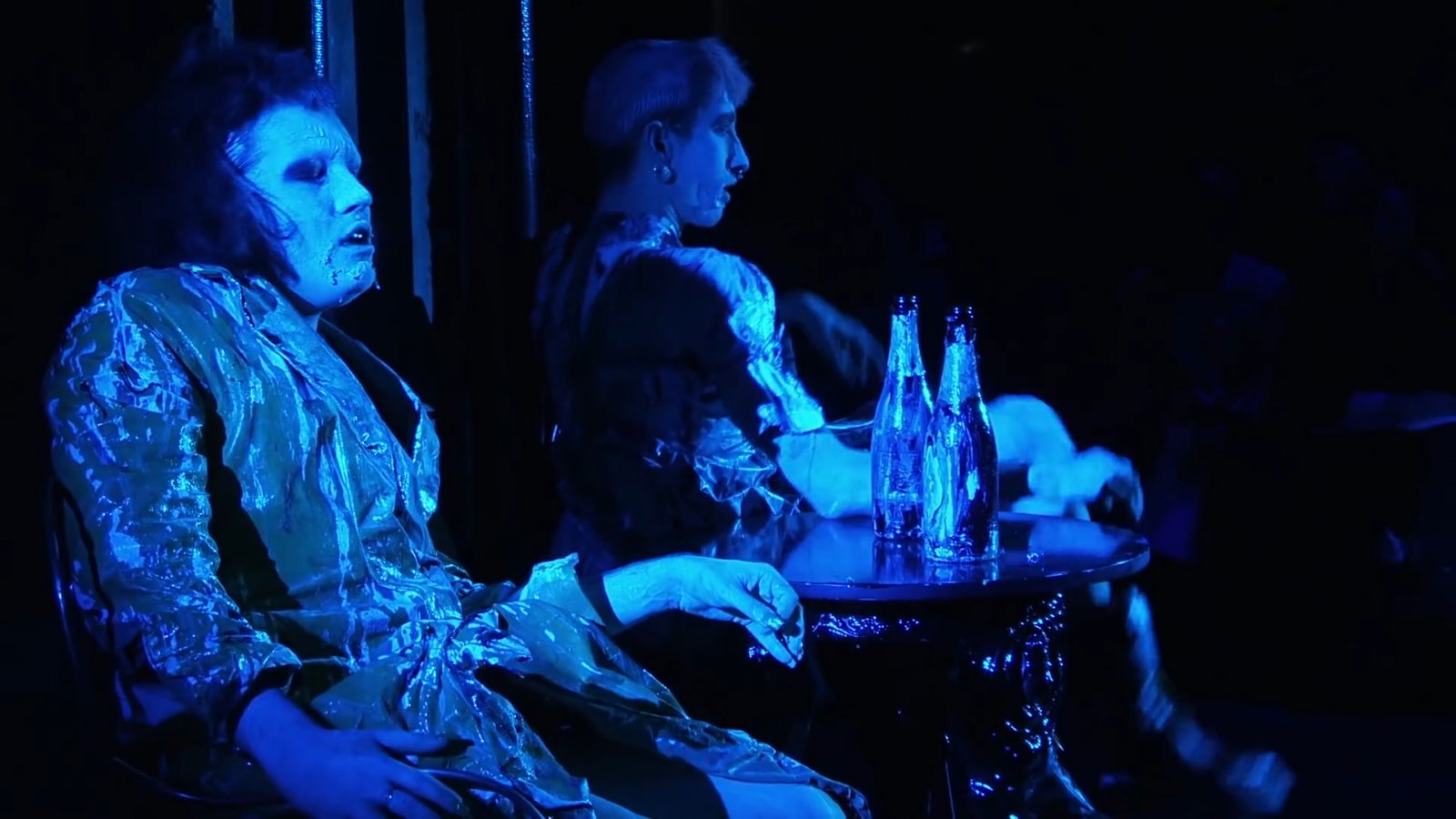
House: Charles Jeffrey LOVERBOY · Designer: Charles Jeffrey · Season: Autumn/Winter 2018 - TANTRUM
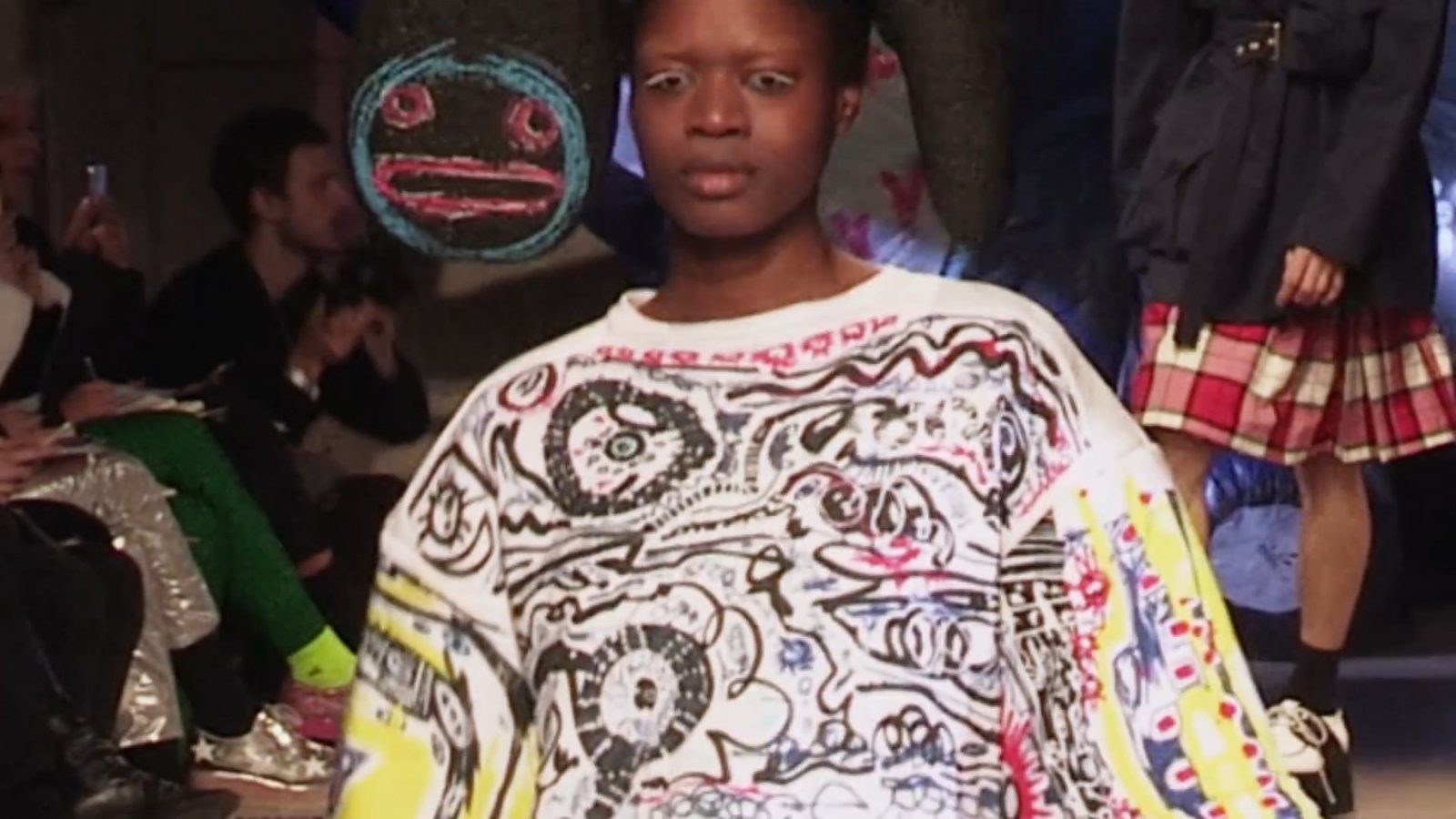
Charles Jeffrey showed LOVERBOY’s Autumn/Winter 2018 collection, “Tantrum,” at London Fashion Week Men’s in January 2018. “I wanted to make this show about an exploration of that anger, accepting it, rather than always being joyous and fancy-free,” he said. “It’s what you feel from being bullied when you’re young, for being gay” (Kate Farley, Fashion Capital). Reviewers also pointed to The Velvet Rage, Alan Downs’s book about growing up gay in a straight world, as a reference (Georgina Evans, SHOWstudio; Silvia Bombardini, A Shaded View on Fashion).
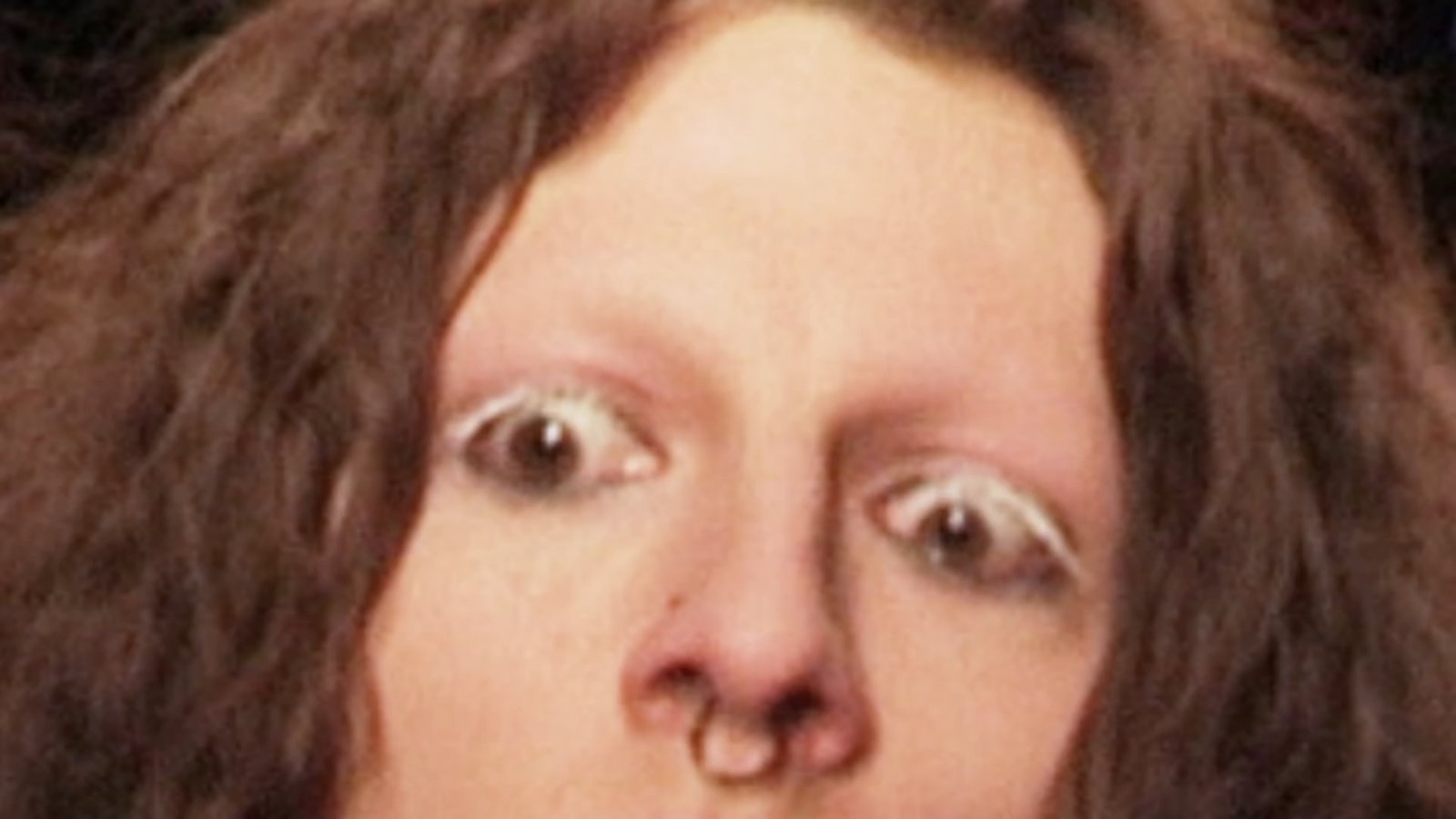
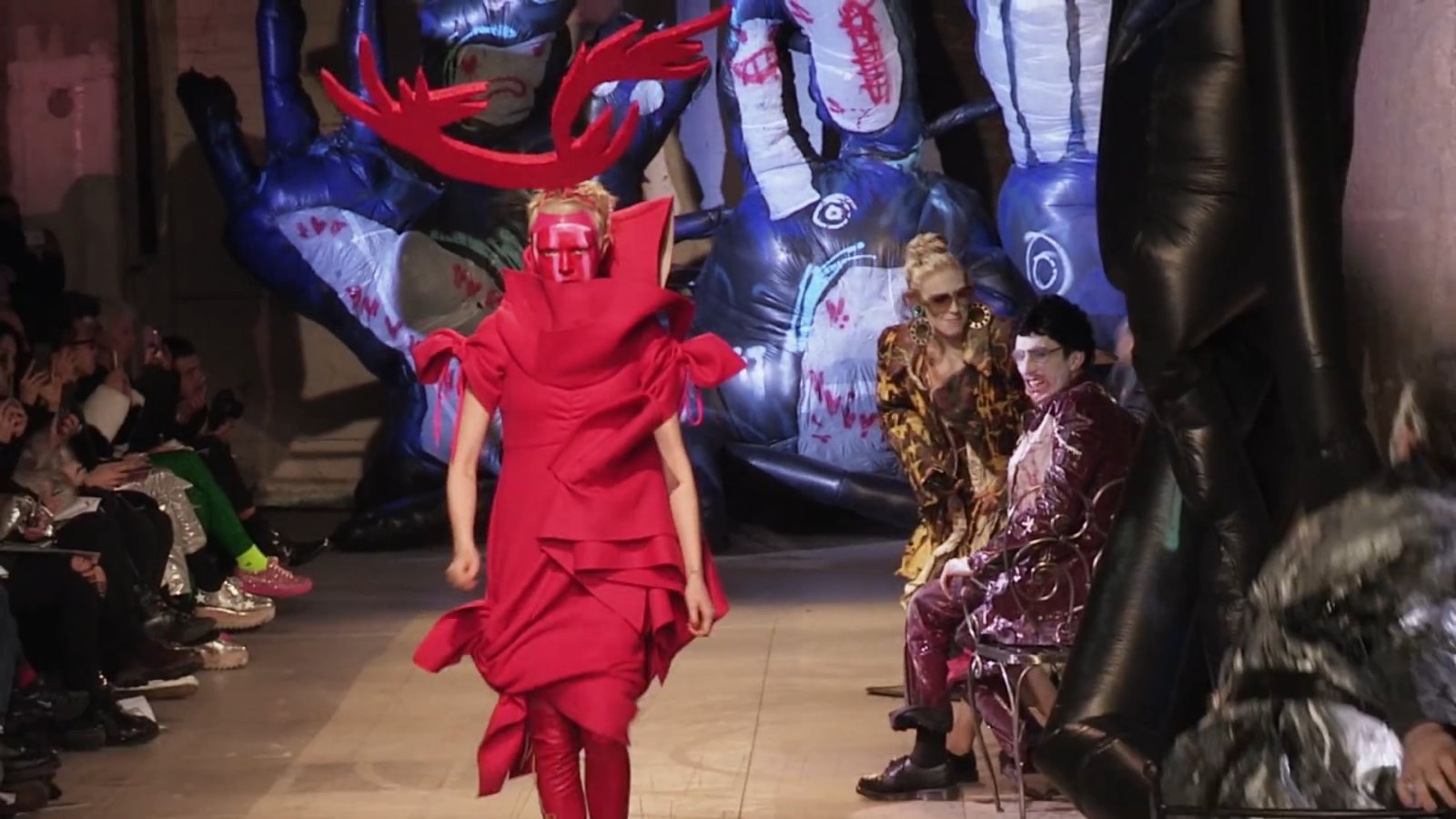
Before the show even began, the Theo Adams Company sent ghoulish performers through the dark venue, howling and throwing themselves at the crowd. Once it started, they sat mid-runway, jeering and spitting at the models as they walked by (Theo Adams Company). Evans read the hecklers as a mirror held up to the critics in the audience, after Jeffrey’s recent mixed reviews. The clothes were an ode to his native Scotland: Jeffrey’s own LOVERBOY tartan alongside the Wallace tartan, kilts and tam o’shanters, war paint running down the models’ faces onto their tights, a suit punctured with bullet holes and a knitted knight’s helmet (Jack Moss, 10 Magazine; Bombardini). The Guardian called it “a blistering howl of a show” that recalled early McQueen (via Theo Adams Company).
To me, it’s a wild circus, a madhouse. It’s One Flew Over the Cuckoo’s Nest with the patients taking over the mental hospital (Evans made the same comparison), with shades of American Horror Story and the Joker. It’s untamed creative expression. There’s a catharsis to this show, full of screaming and yelling, spilling and belching. It’s the scream when you have to let the violence out, or the hole in the wall you made because your violence needed another place to flow. When the rivers of blood we promise refuse to be watered down, they must find some plot of rock to nourish. Otherwise, all their sediment will drag us down and drown the world around us, until we see nothing but black, permanently blinded by rage. Shows like this are a fertile piece of land. Moving!
Sources: SHOWstudio · SHOWstudio, Georgina Evans · Theo Adams Company · Fashion Capital, Kate Farley · 10 Magazine, Jack Moss · A Shaded View on Fashion, Silvia Bombardini · The Rakish Gent, Tajinder Hayer
Answer: Rem Koolhaas
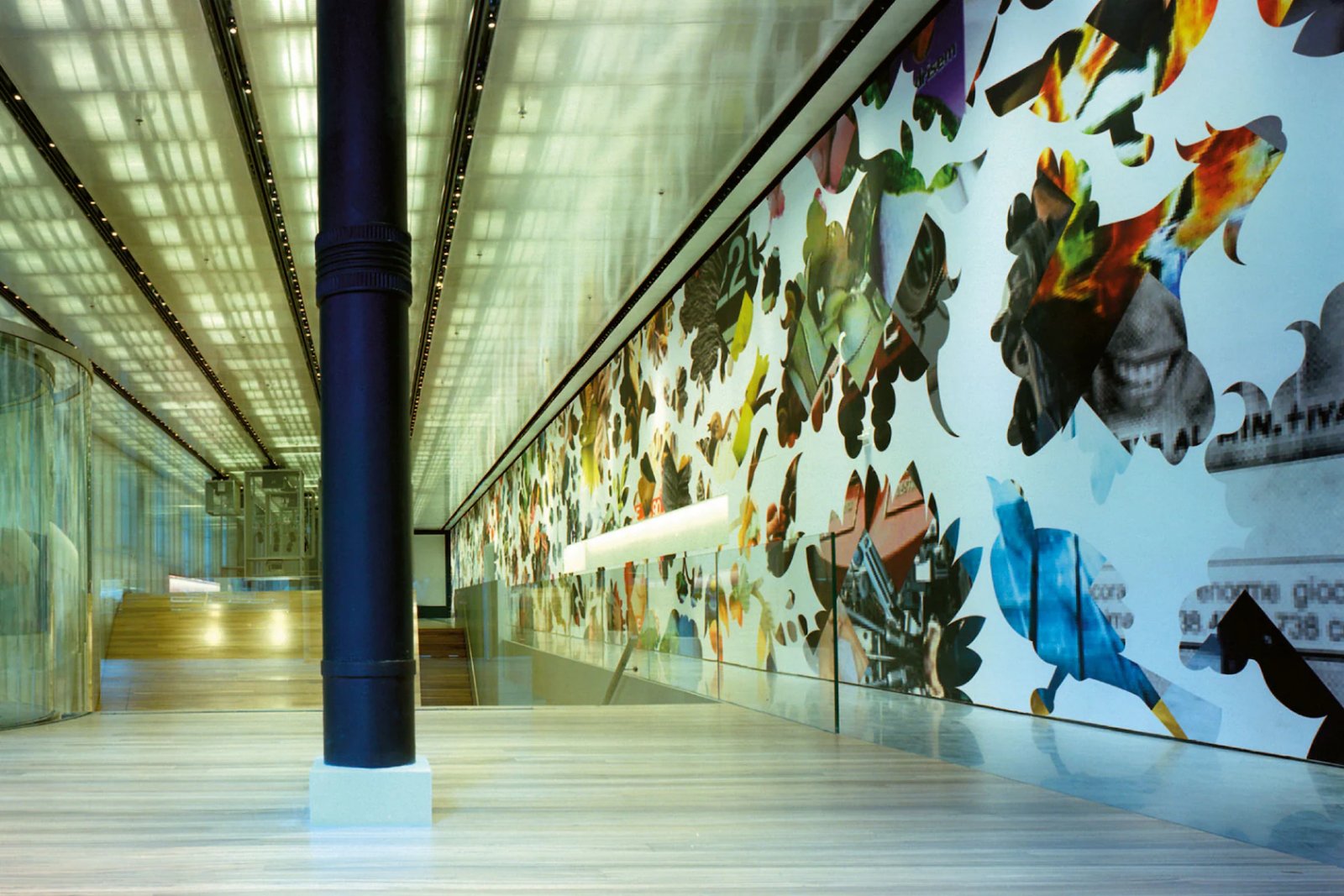
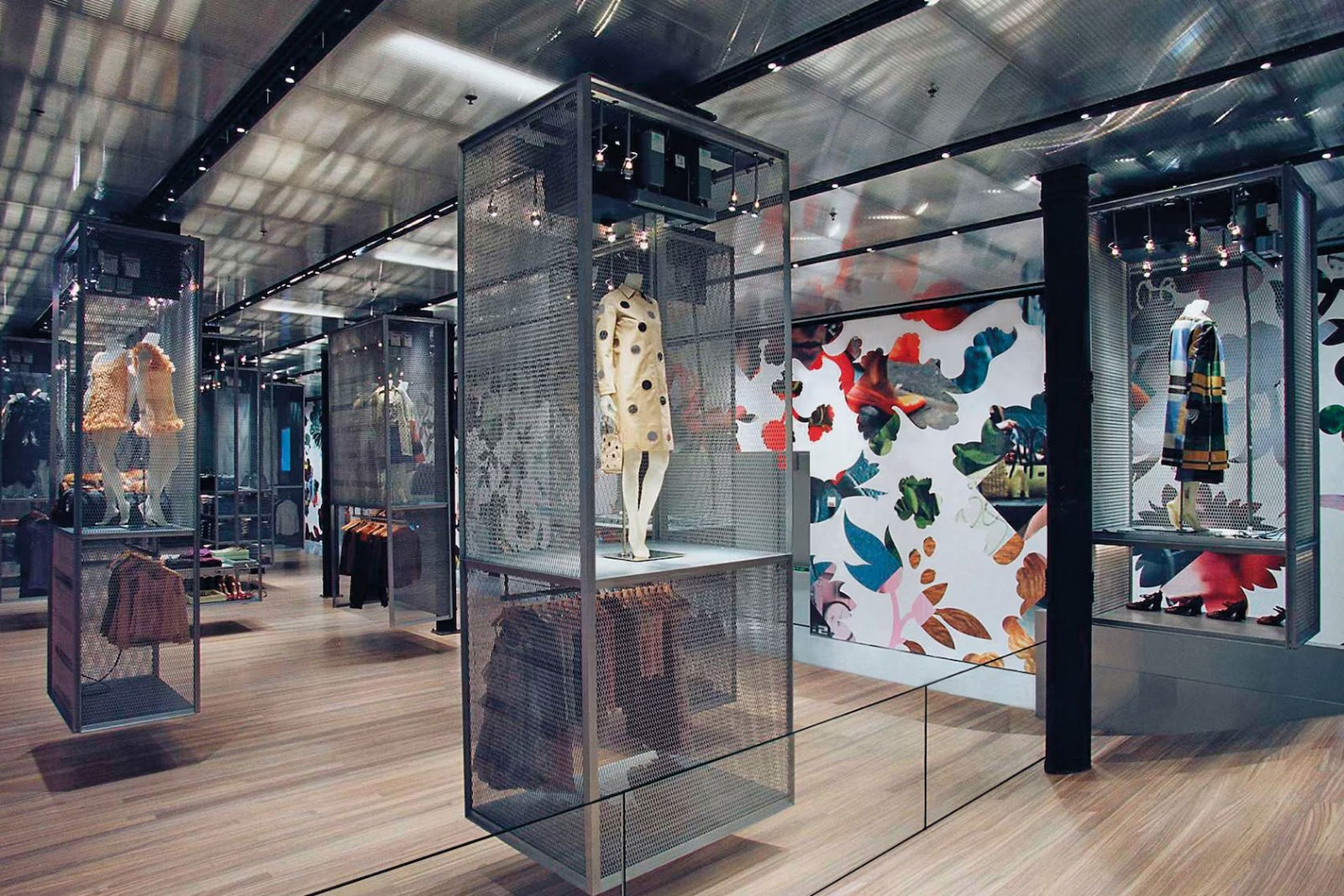
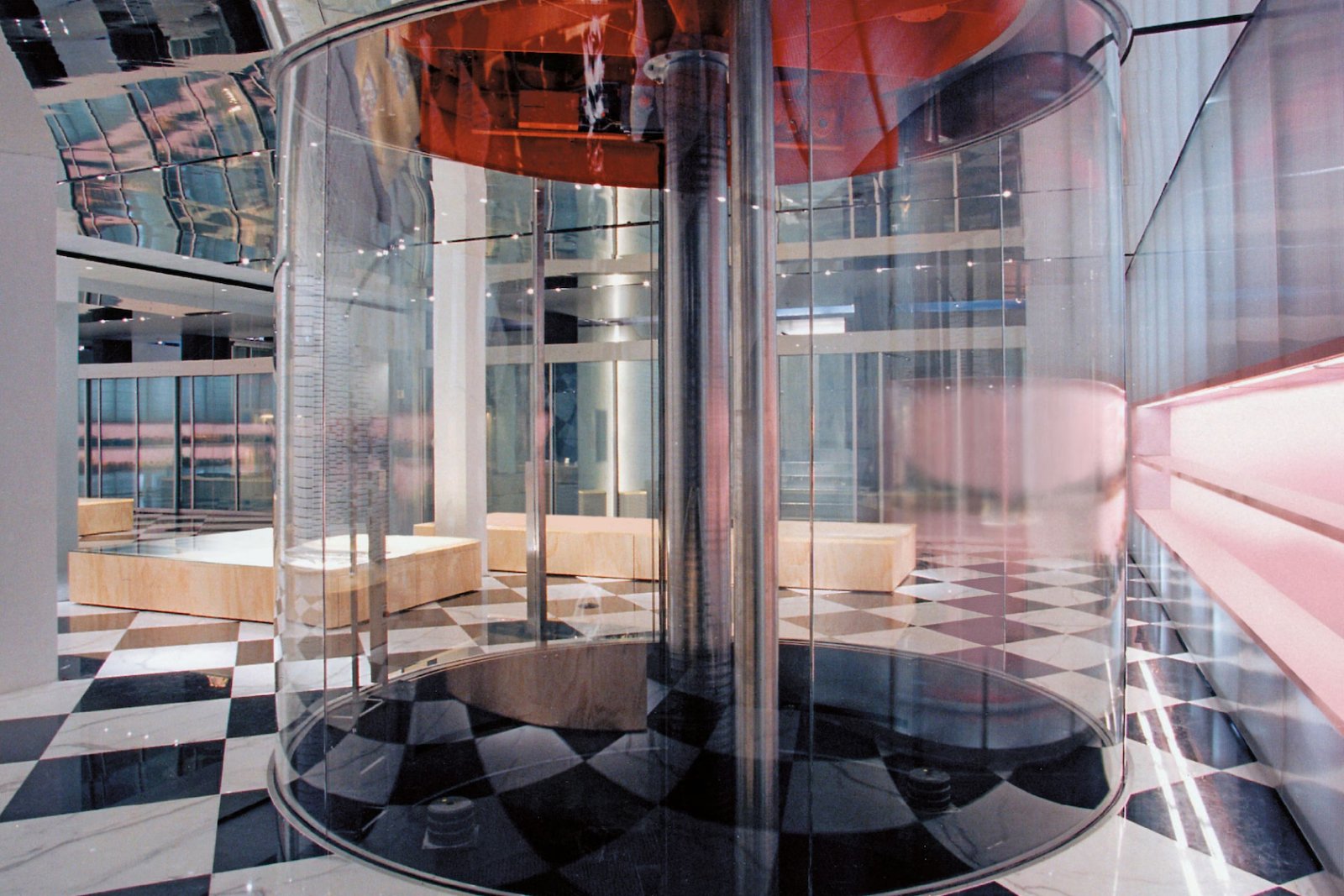
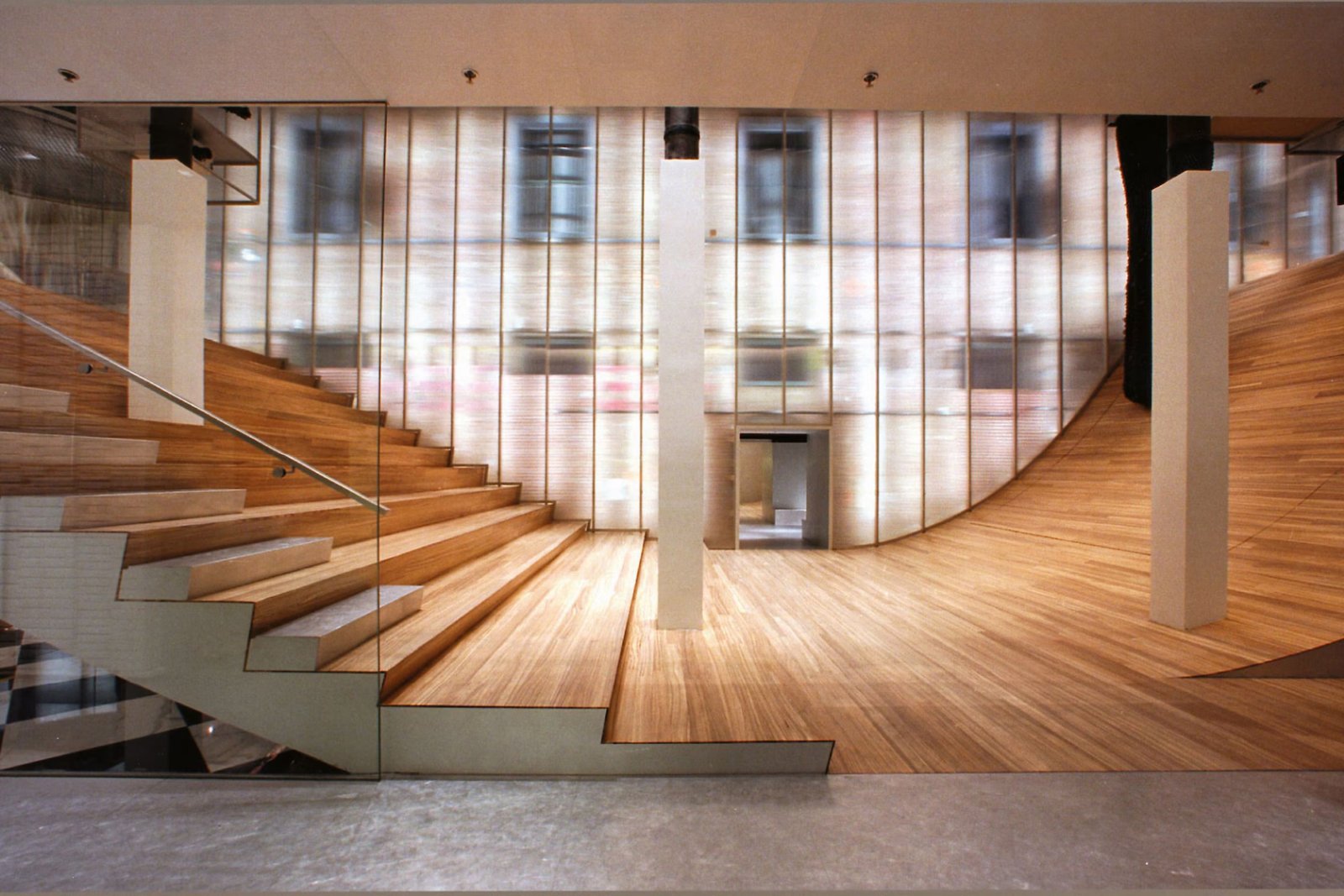
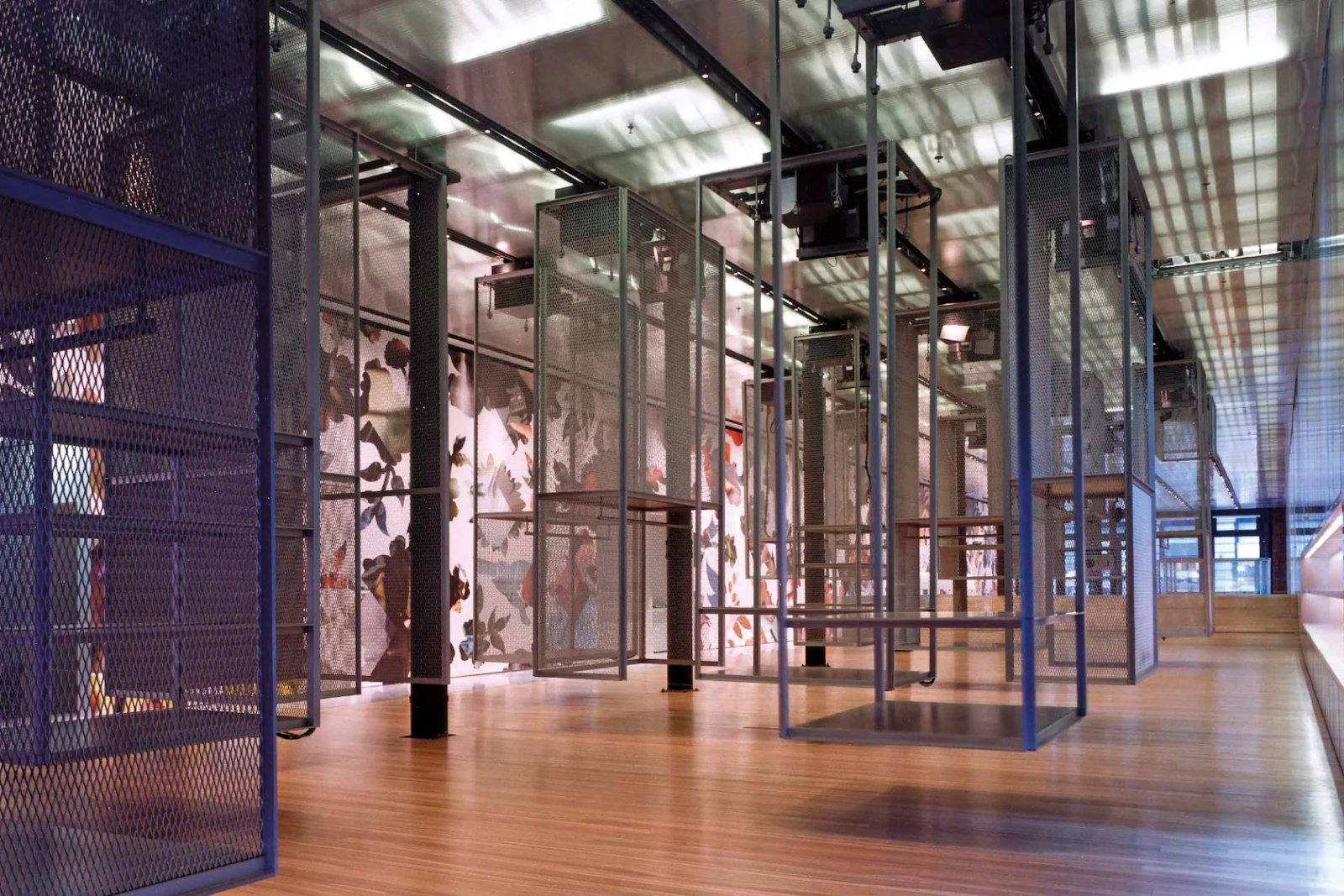
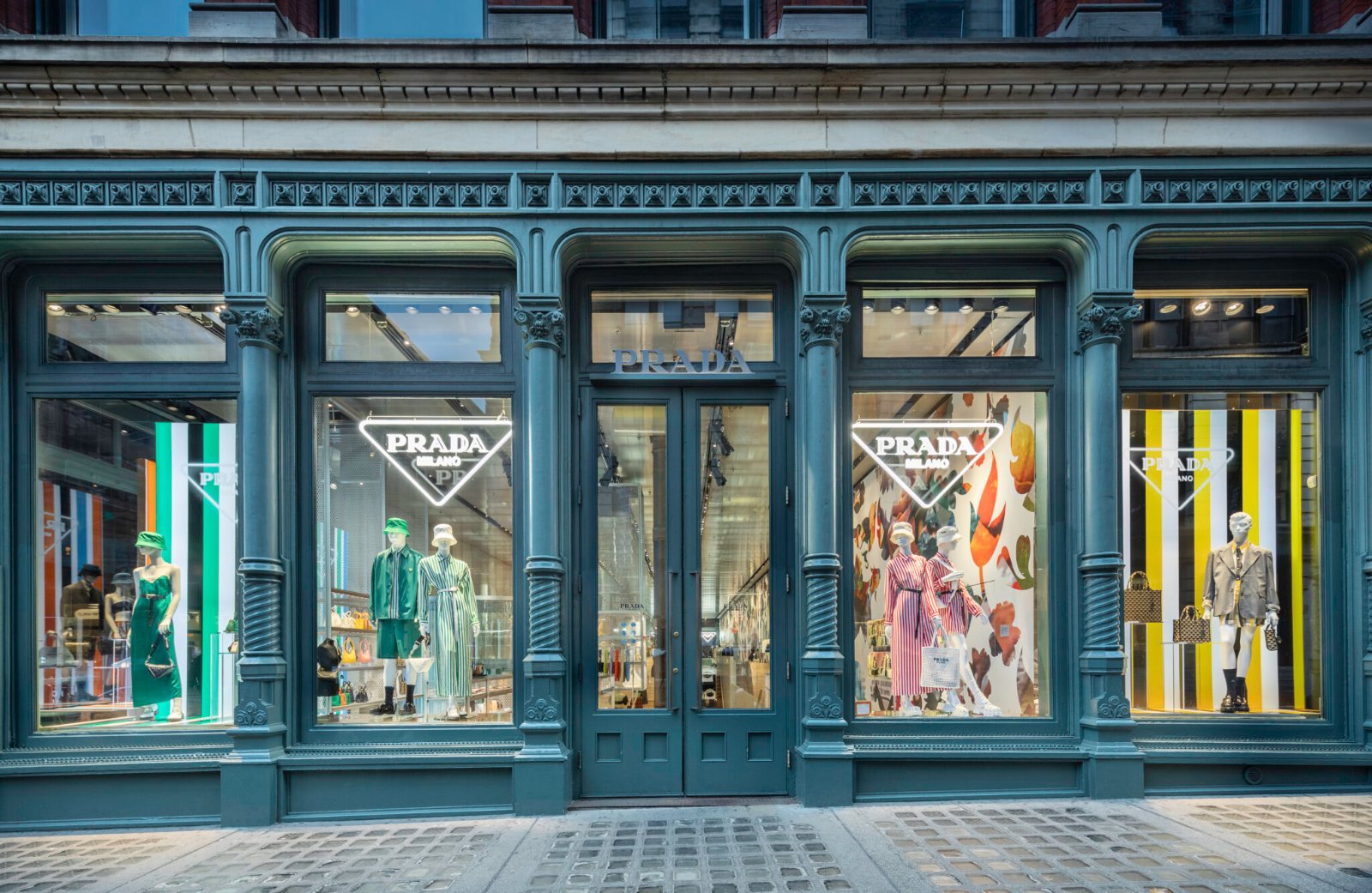
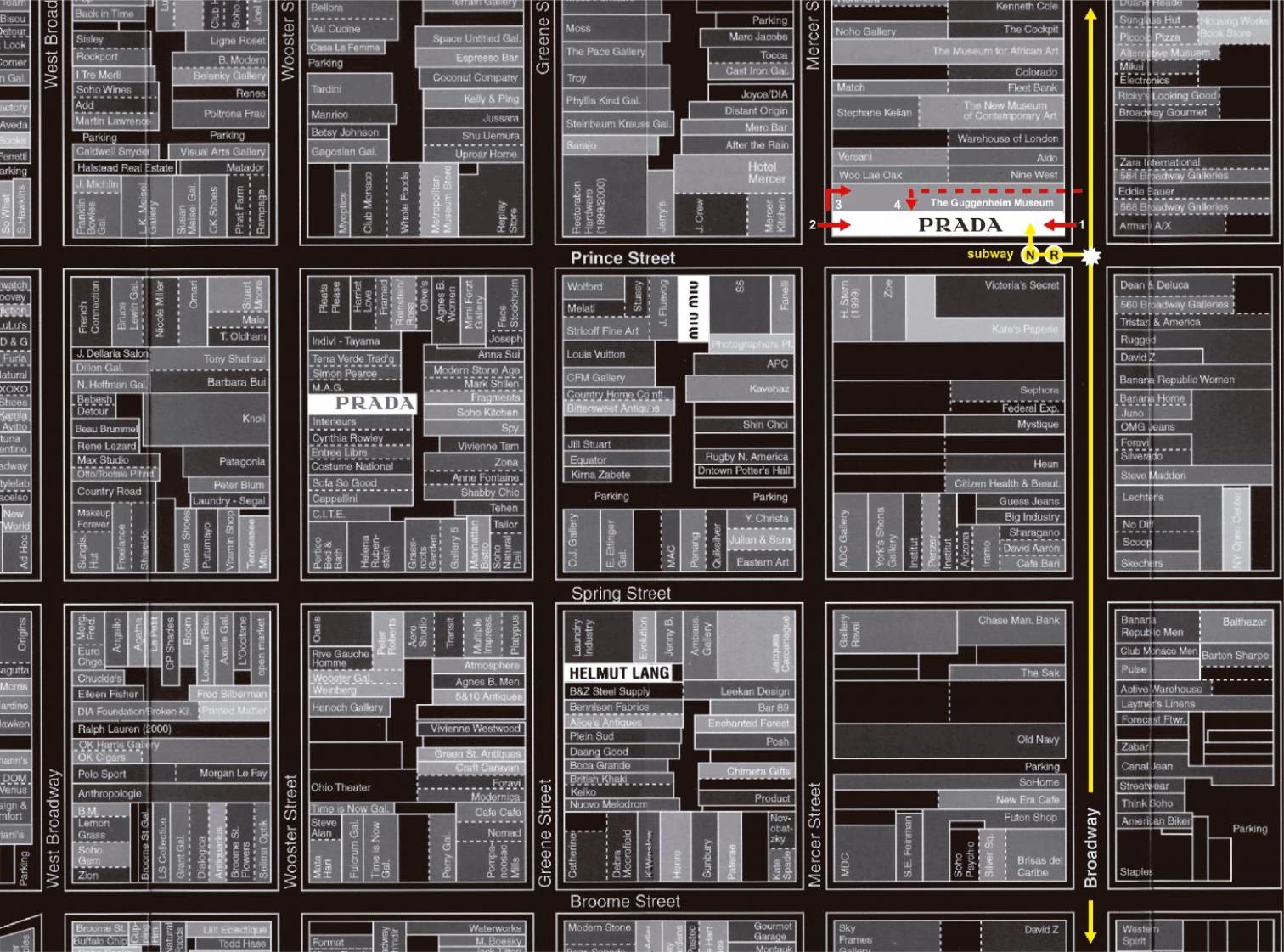
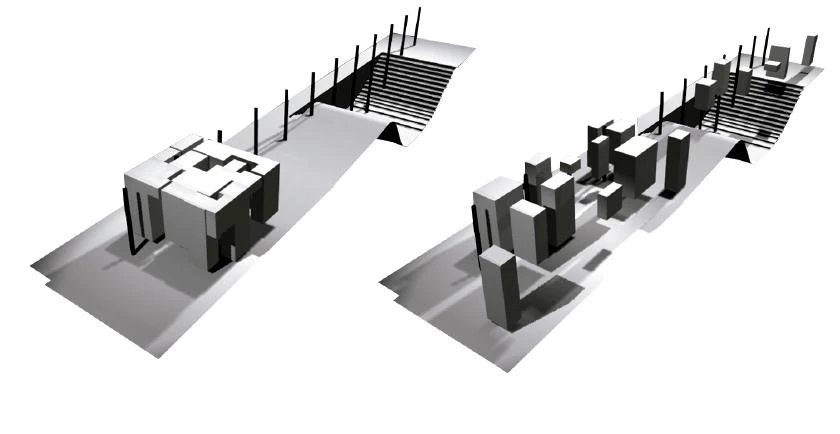
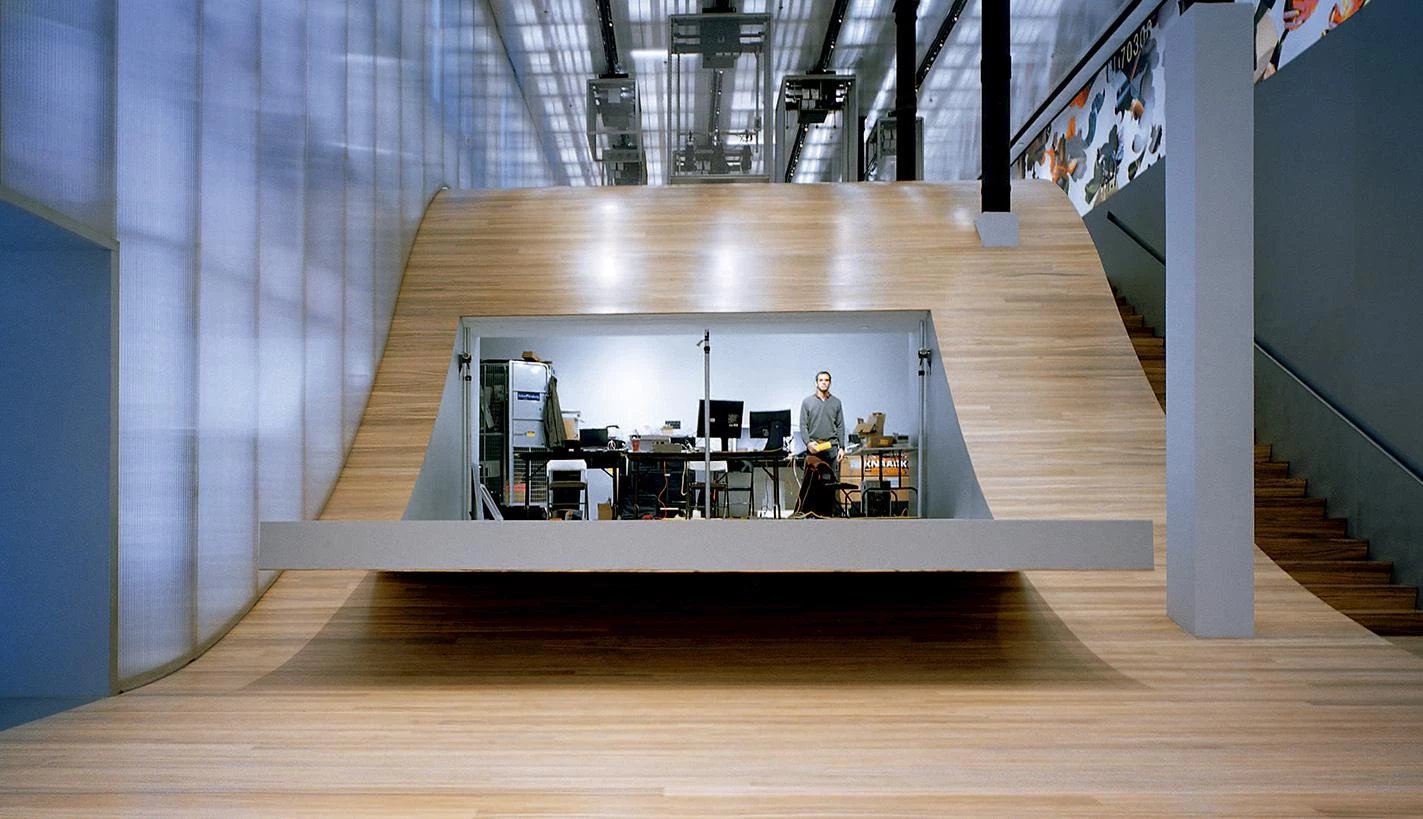
Prada’s first Epicenter opened in December 2001 at 575 Broadway, in the ground floor and basement of the former Guggenheim Museum SoHo (Prada; Arquitectura Viva). Jack Moss at AnOther writes that Miuccia Prada suspected shoppers were bored of the usual luxury store, so she turned to Rem Koolhaas and his firm OMA. OMA’s own description calls shopping “arguably the last remaining form of public activity.” The result reportedly cost about $40 million (Sarah Goldhagen, The American Prospect).
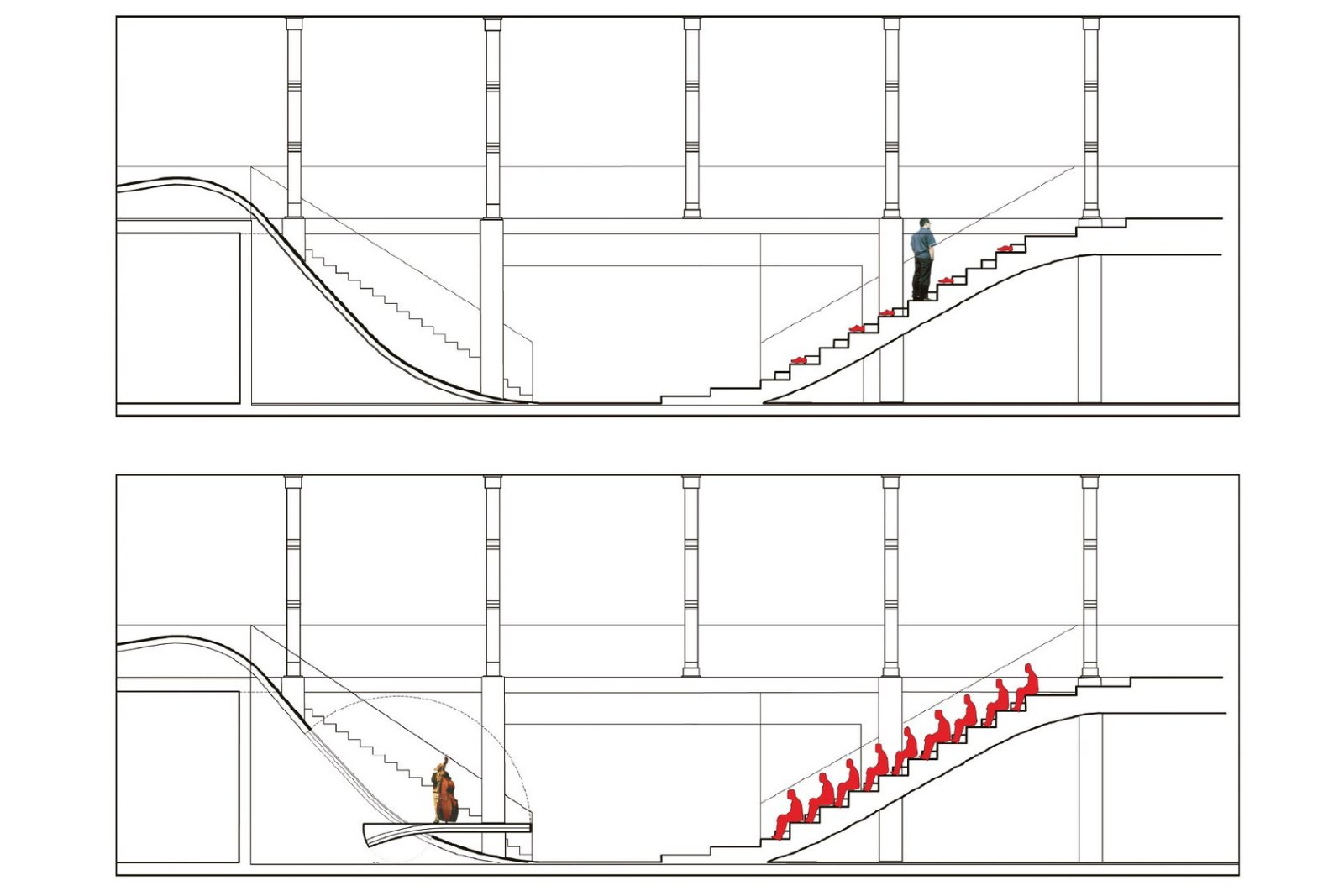
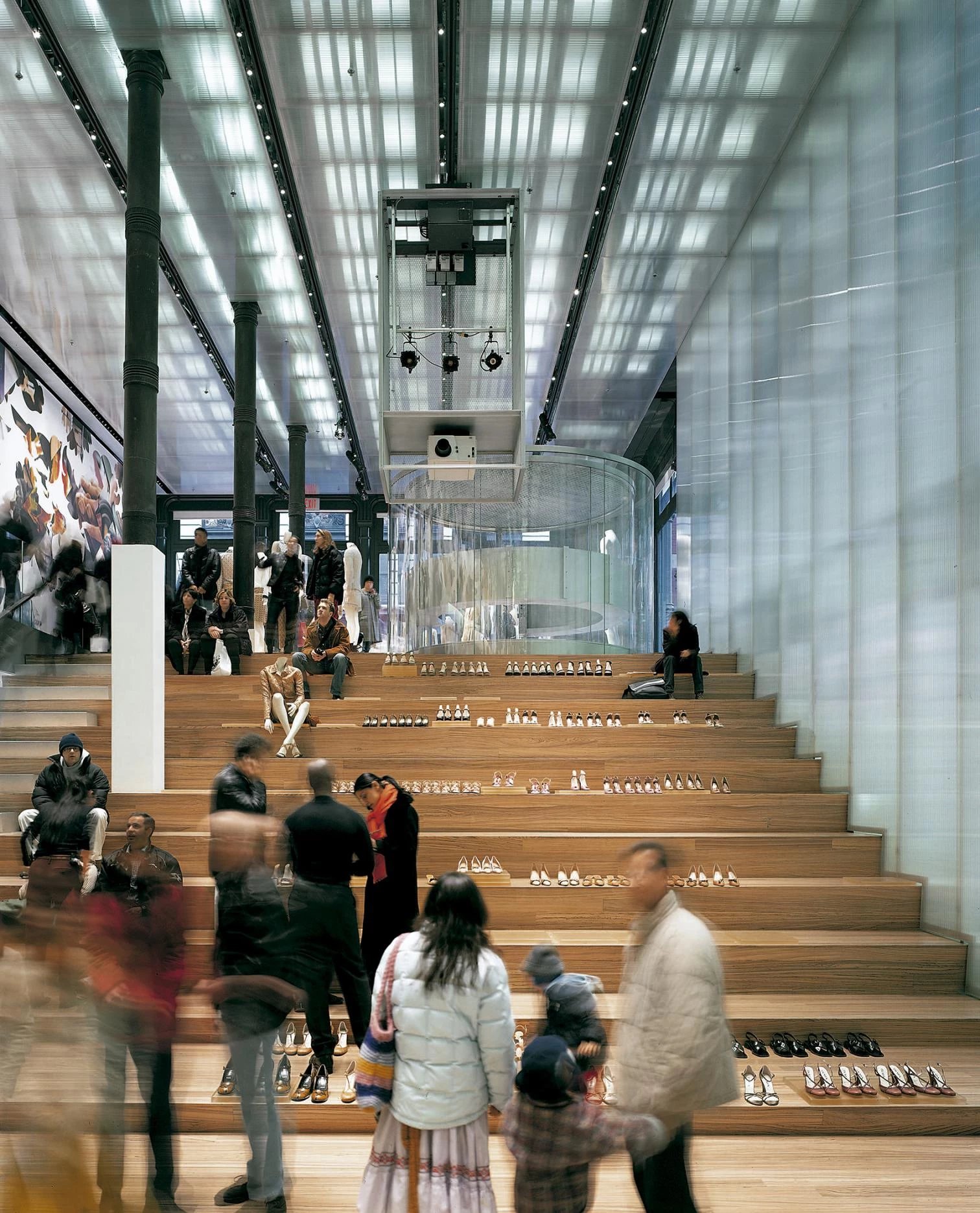
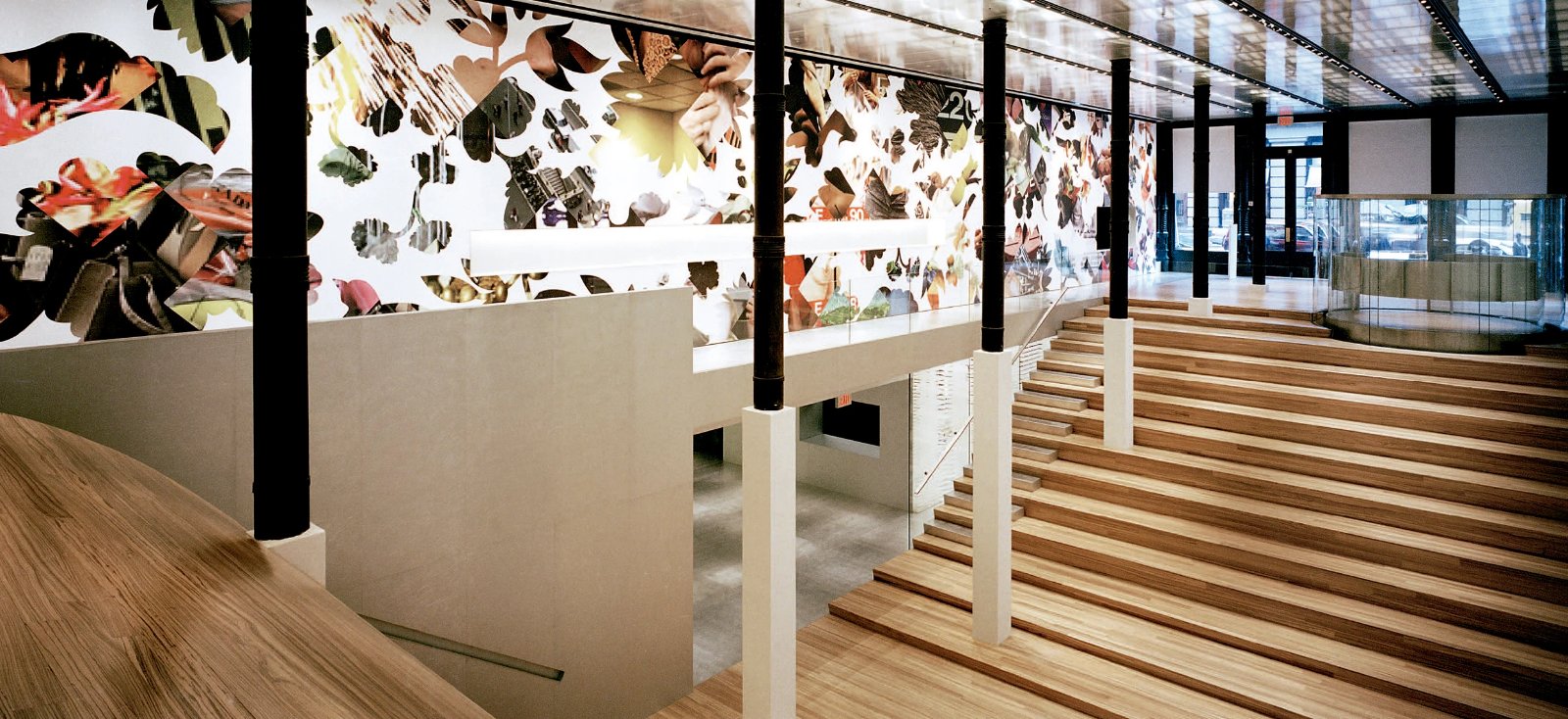
The centerpiece is the “Wave,” a zebrawood slope from the street to the basement that doubles as bleacher seating, with a stage that flips out for films, performances and talks. Other features:
Clothes hung in motorized metal cages on ceiling tracks, which Arquitectura Viva calls a “metallic city.”
A round glass elevator doubled as a handbag display.
The black-and-white marble floor nods to Prada’s first store in Milan (e-architect).
The fitting rooms had Privalite glass doors that turned opaque with a foot switch, plus screens in the mirrors that showed you from other angles.
“I tried to inject instability to make a radical space,” Koolhaas said at the time. Not everyone got it. The New York Times called it “a showroom for clothes that hardly has room to show clothes.” On Sex and the City, Berger joked, “on my planet, the clothing stores have clothes” (both via AnOther). Goldhagen called it “architecture at its most electrifying (and electrified) brilliance,” though she knocked the sloppy detailing.
Sources: Arquitectura Viva · Prada · OMA · AnOther, Jack Moss · The American Prospect, Sarah Goldhagen · e-architect · Büro Ole Scheeren
Answer: Braniff International
In the mid-1960s, Braniff was a little-known airline flying mostly to Mexico and South America. Its president, Harding Lawrence, wanted a big idea (Boston Globe/New York Times). He brought in Mary Wells of the ad agency Jack Tinker & Partners and the designer Alexander Girard. Braniff began calling itself “the end of the plain plane” (UNT Libraries; Chris Sloan, Airways).
Here’s what changed:
The planes: each jet was painted one of seven bright colors, and Girard redesigned the terminal lounges with art from Mexico and South America (Boston Globe).
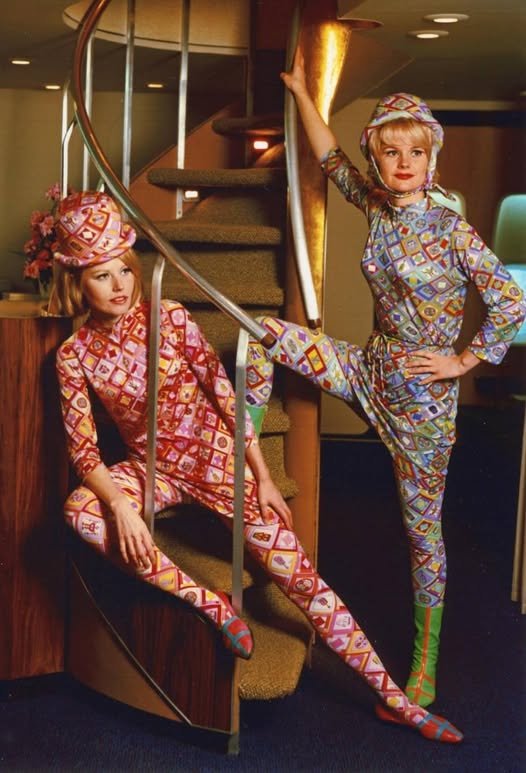
The uniforms: Italian designer Emilio Pucci was hired in 1965 to dress the hostesses, pilots and ground crew, and he kept designing for Braniff until 1977 (UT Dallas Libraries).
The bubble helmet: the most famous piece was the clear plastic bubble helmet, which Braniff called a “rain dome.” It was meant to protect hairstyles on the tarmac, but it was so impractical it was dropped after 1965 (UT Dallas).
The Air Strip: the outfits came in layers that attendants removed during flights, from print shifts to leotards, as part of an in-flight show. UNT notes that Braniff credited the Air Strip with partly boosting passenger revenue one year.
The campaign worked. The Boston Globe reports an 80% increase in business. Pucci’s first four uniforms even became Barbie doll outfits in 1968 (UT Dallas). And Mary Wells married Harding Lawrence in 1967.
Sources: Smithsonian Air & Space · UT Dallas McDermott Library · Airways, Chris Sloan · UNT Libraries · The Boston Globe (via The New York Times)
Answer: $35
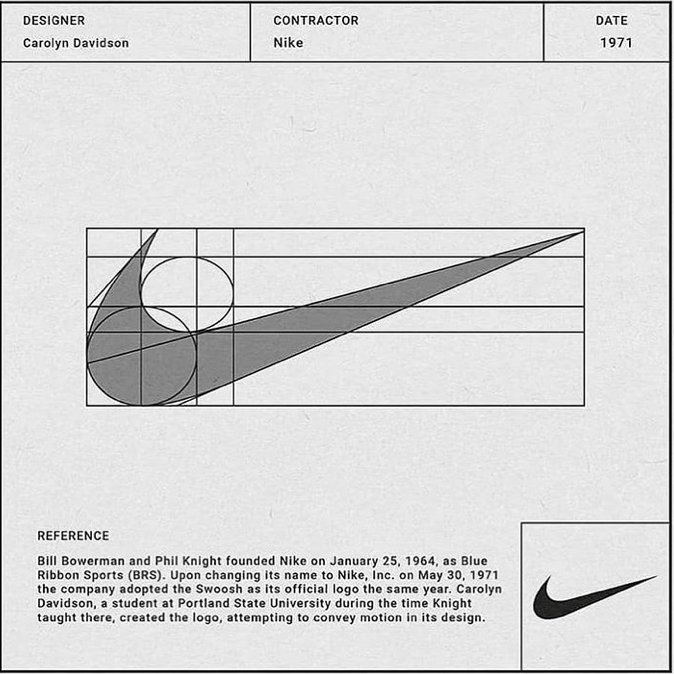
In 1971, Phil Knight was teaching accounting at Portland State and running Blue Ribbon Sports, which imported sneakers from the Japanese brand Tiger. When he overheard design student Carolyn Davidson say she couldn’t afford an oil painting class, he offered her work (Manuela Palma, Urban Jungle). Knight wanted a logo for a new shoe called Nike, and his only request was that “he just wanted it to look like speed” (Portland State University). Davidson billed $2 an hour for 17.5 hours, a total of $35 (Jack Moss, Wallpaper*; NPR; CNBC).
Out of several designs, Knight picked the Swoosh and said, “Well, I don’t love it, but maybe it will grow on me” (Portland State; CNBC). Nike says the mark was originally called “the stripe,” which is still what Davidson calls it. Her hand-drawn version went straight to the factory in Guadalajara, Mexico, without being cleaned up (Nike). The logo was registered on June 18, 1971 (Business Insider), and Davidson kept doing design work for Nike until 1975. In 1983, at a surprise reception, Knight and his co-founders gave her a gold Swoosh ring set with a diamond, plus 500 shares of Nike stock (CNBC; Business Insider; Wallpaper*). As for Davidson, she said, “I like it. I really do. I never get tired of looking at it” (Business Insider).

Sources: Urban Jungle Store · Nike · Portland State University · NPR · CNBC · Wallpaper*, Jack Moss · Business Insider
Versace Velvet Bow Tie