
October 17, 2026
The issue of October 17, 2026
Every question from this issue, with the answers, the hints and the reading behind them.
Play the October 17, 2026 issue
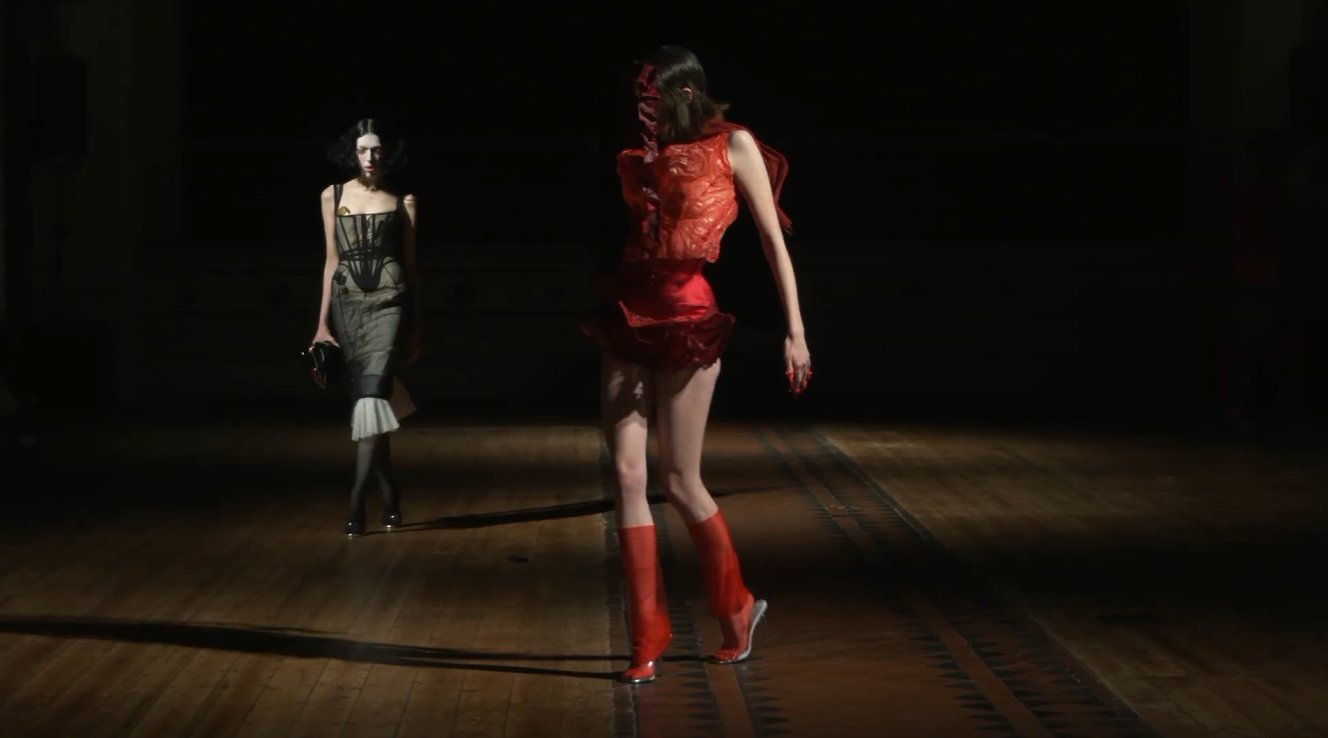
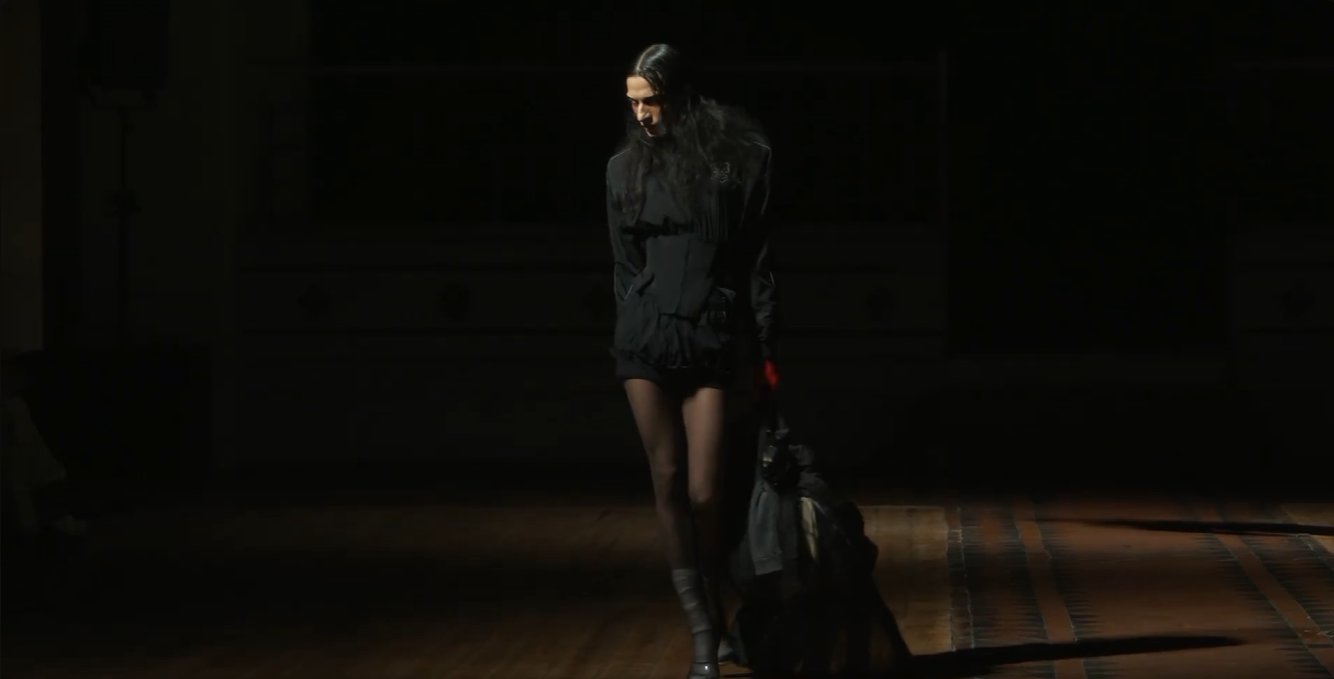
House: Dilara Findikoglu · Designer: Dilara Findikoglu · Season: Fall/Winter 2024 - Femme Vortex
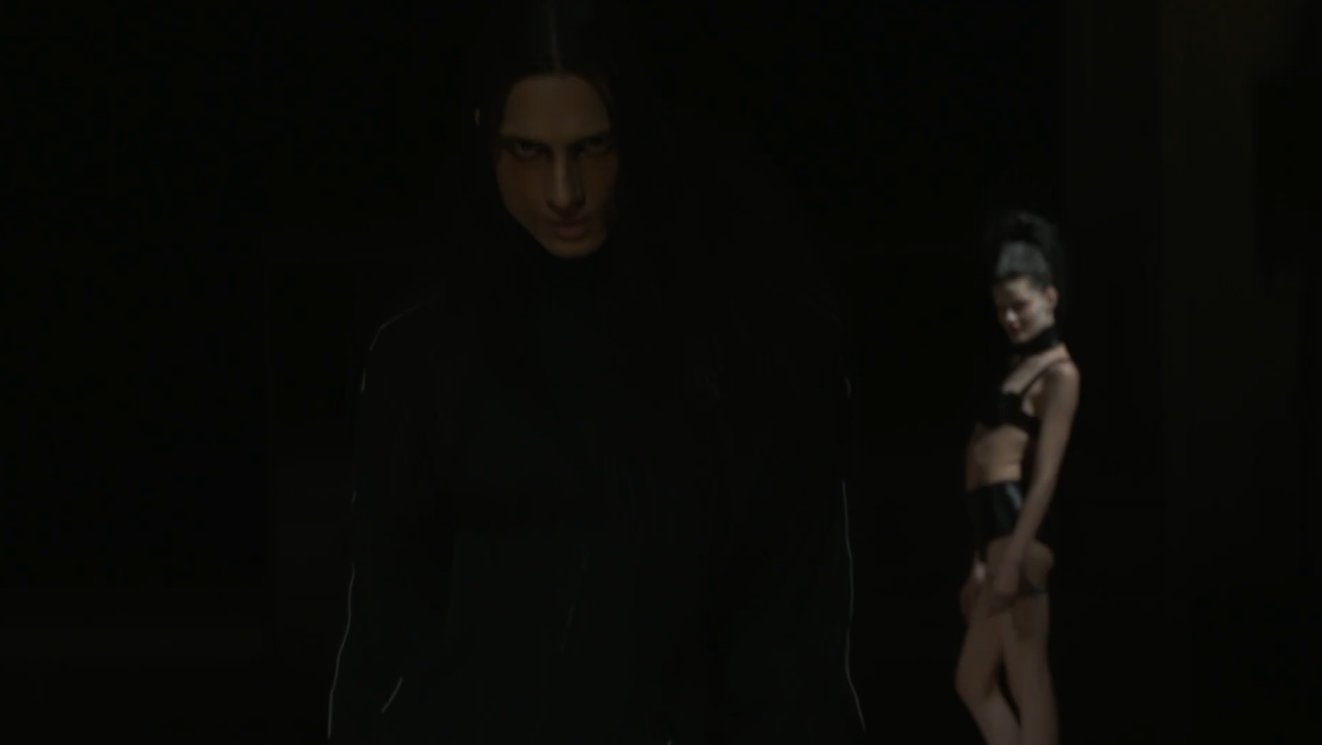
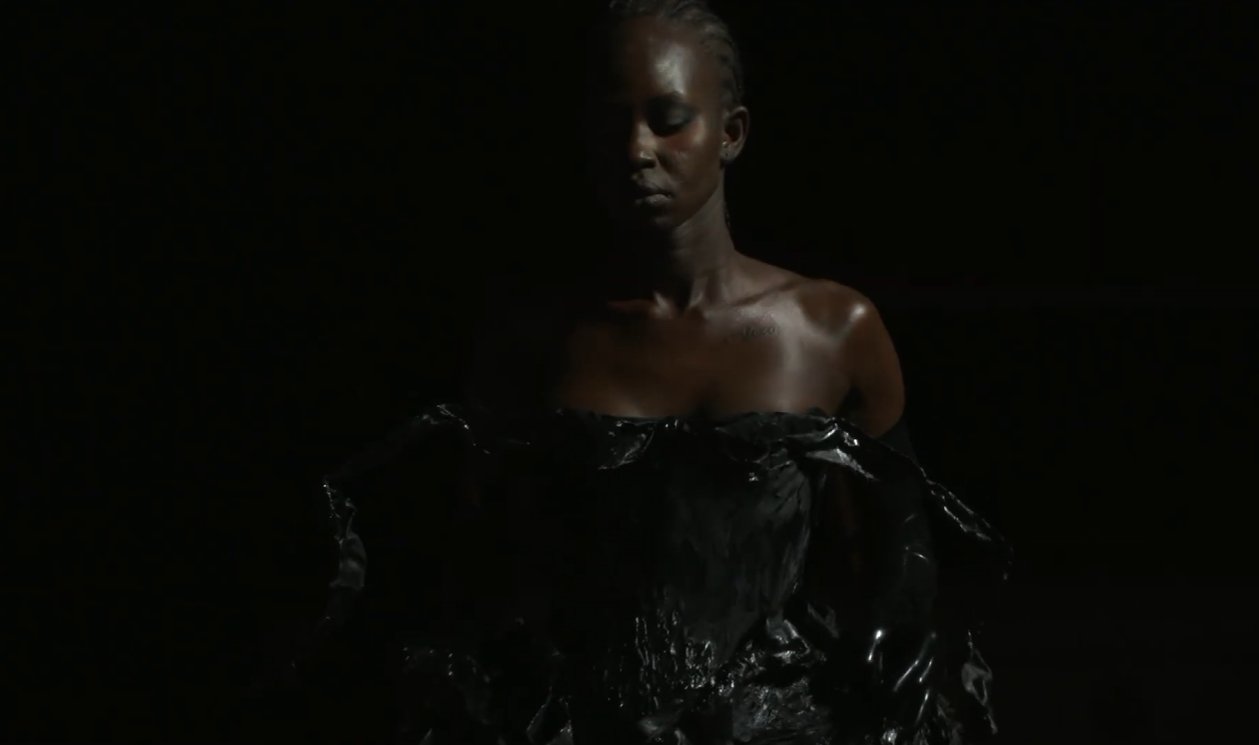
For Fall/Winter 2024, Dilara Findikoglu took London Fashion Week back to church: an old church in Shoreditch, at night, for a collection called Femme Vortex. “It’s about toxic masculinity – and being beyond it,” she said. “I feel like tonight we are doing a mass ritual to end it.” The show notes put it more bluntly: “A world built by the hands of men is destined for destruction.” Hari Nef opened, and a slow, rave-like procession followed through the candlelit church.
Corset lacing cinched everything from leather skirts to football jerseys. Pinstripe tailoring and white shirting were worn half undone, and latex opera gloves came with lucite mules. There were maid-like uniforms, religious gowns, sculptural bridalwear and sheer looks crowned with headpieces made of keys. The looks had names like “Fragile Ego,” “Cleopatra As A CEO” and “Waking the Witch.” One model even carried a newspaper with a fake headline about a “satanic orgy” at a London church, a wink at Findikoglu’s 2017 debut, when she turned the altar of St Andrew Holborn into a runway and the Diocese of London ended up apologizing.
There seems to be a cloud and a gloom over this brand, and it seems to be by design. In late 2025, former employees and interns told Fashionista about unpaid work, days that stretched to 16 hours, and interns covering the cost of materials out of their own pockets. Some also alleged that she regularly criticized women’s and models’ bodies and pushed back on casting diverse models, and Vogue Business’s size inclusivity report found no mid-size or plus-size models on her Spring 2026 runway. The studio declined to comment. Maybe she has some latent dark energy, an edginess that seeps into her creativity like blood soaking through sheets. So shoutout to her for these clothes, or her interns- who knows? No shade, as they say, except the one that looms over this brand and its matriarch.
I just learned about all this (as I’m learning about everything every issue), and it seems plenty of people have rightfully kicked her back in over it. I generally believe people can improve, grow, and move past their mistakes, so hopefully that’s the case for her, and she can get back to making amazing collections, because she’s really talented. Pay your workers, though, in money or credit (preferably both)!
Sources: 10 Magazine · Hypebae · Based Istanbul · The Christian Post · Fashionista · Louis Pisano (Substack)

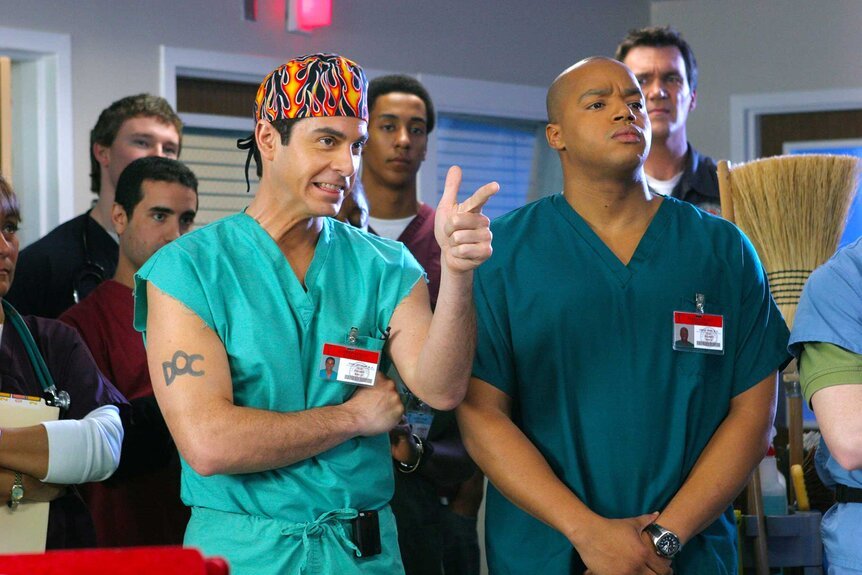
Answer: To reduce glare and hide the afterimages surgeons see after staring at red blood
Surgical clothing was originally white, the color of cleanliness. But under bright operating room lights, all that white caused harsh glare and eyestrain. In 1914, American surgeon Dr. Harry Sherman found that the glare made it harder to see what he was working on, so he created a “spinach-green” operating room at St. Luke’s Hospital, with walls and fabrics in the same shade. Over the following decades, especially after World War II, green spread through operating rooms, and the outfits became known as “surgical greens.” The name “scrubs” came later, from the sterile, “scrubbed” environment where they’re worn.
The real trick is in how our eyes work. Green sits opposite red on the color wheel. When a surgeon stares at red blood and tissue for a long time, the eyes’ red-sensing pathway gets tired. Then when they glance at something white, like a drape or a colleague’s outfit, they see a green “ghost” that follows their gaze, like the spots left after a camera flash. Against green or blue, “these disturbing ghosts will blend right in and not become a distraction,” explains Paola Bressan, who studies visual illusions at the University of Padova. Looking at green from time to time also keeps surgeons’ eyes more sensitive to subtle shades of red, which matters when every detail counts.
Sources: Live Science · BC Medical Journal · Medical Museion (University of Copenhagen) · Medelita
Answer: Moët Hennessy and Louis Vuitton merge to form LVMH (1987) → Marc Jacobs is hired to launch Louis Vuitton’s first ready-to-wear line (1997) → LVMH agrees to buy Bulgari for €3.7 billion (2011) → LVMH buys Christian Dior Couture for €6.5 billion (2017) → LVMH completes its $15.8 billion takeover of Tiffany & Co (2021) → LVMH becomes the first European company worth more than $500 billion (2023) → Louis Vuitton unveils the trunks that will carry the Paris 2024 Olympic medals (2024)
On June 3, 1987, at the Plaza Athénée hotel in Paris, Alain Chevalier of Moët Hennessy and Henry Racamier of Louis Vuitton signed the merger that created LVMH: Louis Vuitton Moët Hennessy. Under Bernard Arnault, the group turned into a fashion powerhouse. In 1997, Louis Vuitton hired American designer Marc Jacobs to create the trunk maker’s first ready-to-wear line.
Then came the big buys. In March 2011, LVMH sealed a €3.7 billion deal for the Italian jeweler Bulgari, and the Bulgari family became LVMH’s second-largest family shareholder. In April 2017, LVMH bought Christian Dior Couture for €6.5 billion, reuniting Dior’s fashion business with the Dior perfumes it already owned. In January 2021, after more than a year of pandemic-era delays and a renegotiated price, it completed the $15.8 billion takeover of Tiffany & Co. Bernard Arnault called Tiffany “an iconic brand and a quintessential emblem of the global jewellery sector.”
In April 2023, LVMH became the first European company valued at more than $500 billion. In March 2024, as a premium partner of the Paris Olympics, it unveiled Louis Vuitton trunks built to carry the Games’ medals and torches. Each medal trunk holds 468 medals, and the medals themselves were designed by Chaumet, another LVMH house.
Sources: Modaes · The Fashion Law · European Fashion Heritage Association · FashionUnited · Retail Insight Network · LVMH
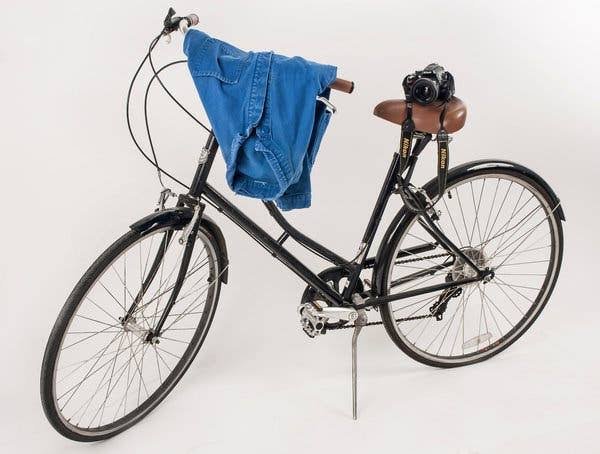
Answer: 28 Bikes
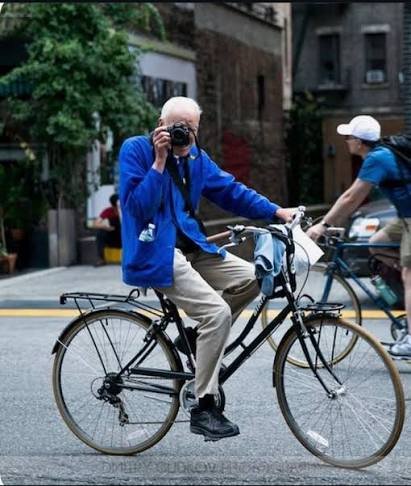
Bill Cunningham had 28 bicycles stolen. When the 2010 documentary Bill Cunningham New York was filmed, he was on his 29th, a Schwinn, and most of the others had been taken while he was busy getting the shot. For decades, the New York Times photographer pedaled across Manhattan in his signature blue French workman’s jacket, often to several events in one night. He never owned a car and wouldn’t take taxis.
Born in Boston in 1929, Cunningham dropped out of Harvard in 1948, moved to New York and wrote about fashion for Women’s Wear Daily and the Chicago Tribune before he picked up a camera. A chance photo of Greta Garbo passing on the street caught the Times’ attention, and in 1978 he began his weekly street-style column there, later called “On the Street.” He turned down repeated offers of a staff job. He was also the first photographer whose pictures of famous people the Times ran without their permission.
“The street speaks to me,” he said. “If you’re not out on the street, you don’t know anything.” He was named a New York City Living Landmark in 2009, and as Anna Wintour put it in the documentary, “We all get dressed for Bill.” He died in 2016 at 87.
Sources: UC Berkeley School of Information · Fashion.at · Bike Hugger · Legacy.com · KPBS (NPR) · Dan’s Papers

Jordan 1 Retro '93 'BuGS Bunny' - The first pair of Retros' I ever had. Wore these into the ground in middle school!