
October 10, 2026
The issue of October 10, 2026
Every question from this issue, with the answers, the hints and the reading behind them.
Play the October 10, 2026 issue
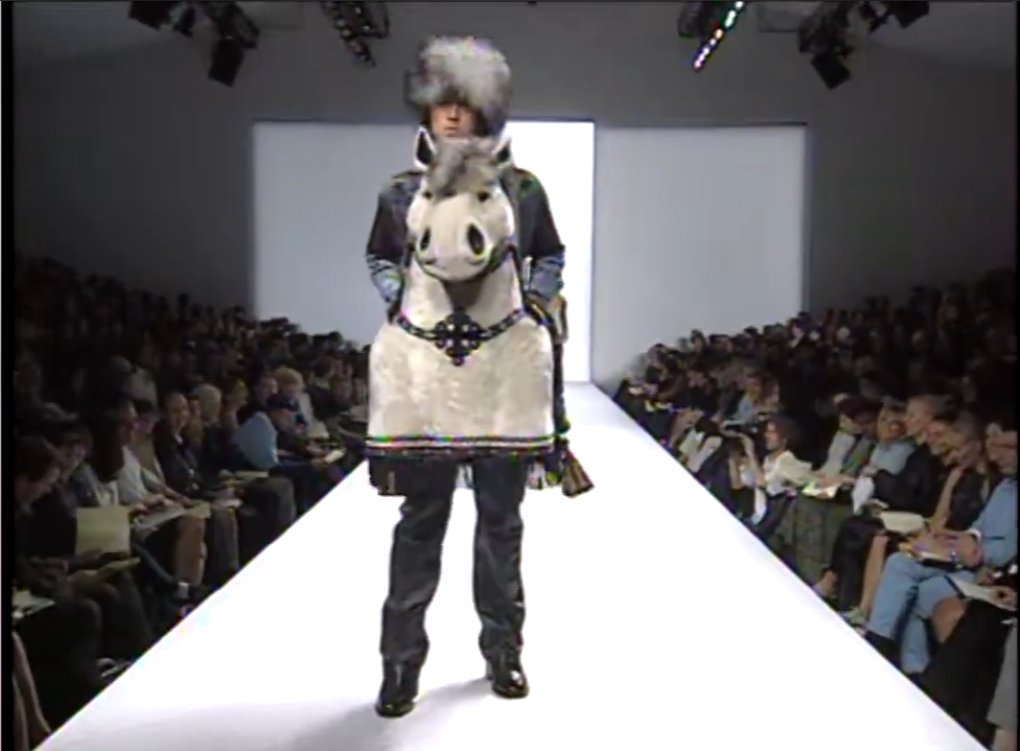
House: Anna Sui · Designer: Anna Sui · Season: Fall/Winter 1998
For Fall 1998, Anna Sui turned each look into a page from a fairytale. The collection grew out of an exhibition of Victorian fairy painting, with the work of illustrators like Walter Crane, Arthur Rackham and Kay Nielsen, and Sui approached it almost from a child’s point of view, like a game of dress-up. It’s like a parent reading to their child at night: a library of fairytales and epics recited to the young to instill in them the world’s virtues, perils and ethics.
The show opened with folkloric dresses in black and ginger trimmed with faux fur fringe, then drifted into frosted stretch velvet in icy shades that brought to mind the Snow Queen and the White Witch of Narnia. Faux fur jackets were worn inside out and trimmed like Lapland clothing, and the cast came in costume: a cowboy with a big badge, oversized hat and studded chaps, fairy-tale princesses in crowns, and models in faux fur animal hats shaped like teddy bears, bunnies, big bad wolves, frogs, and crocodiles. Even the bags told stories, including a gingerbread house straight out of Hansel and Gretel. True to the theme, the show closed with a knight in shining armor.
Watching the show, you could never tell what was coming next. I recall the Robert Wun show from the September 19, 2026 issue of Fashionguessr, in the way it brings back memories of my childhood toy box, me endlessly searching through a blue plastic shell for assorted bits of IP and memory to fill the imagination. In this case, Anna explores a wardrobe instead of a toy box! Great show!
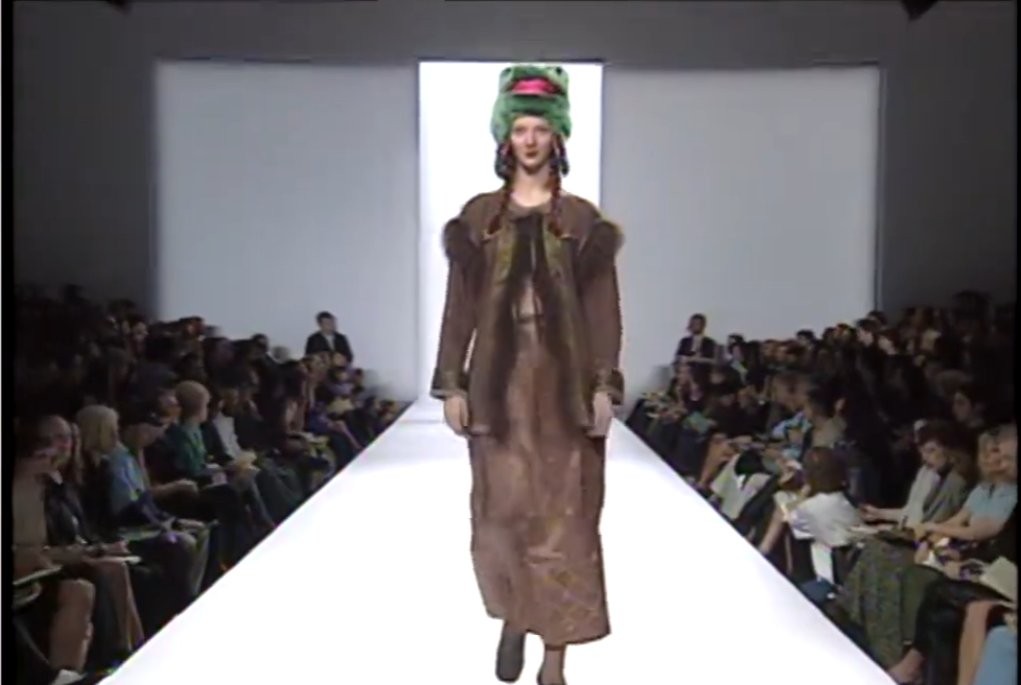
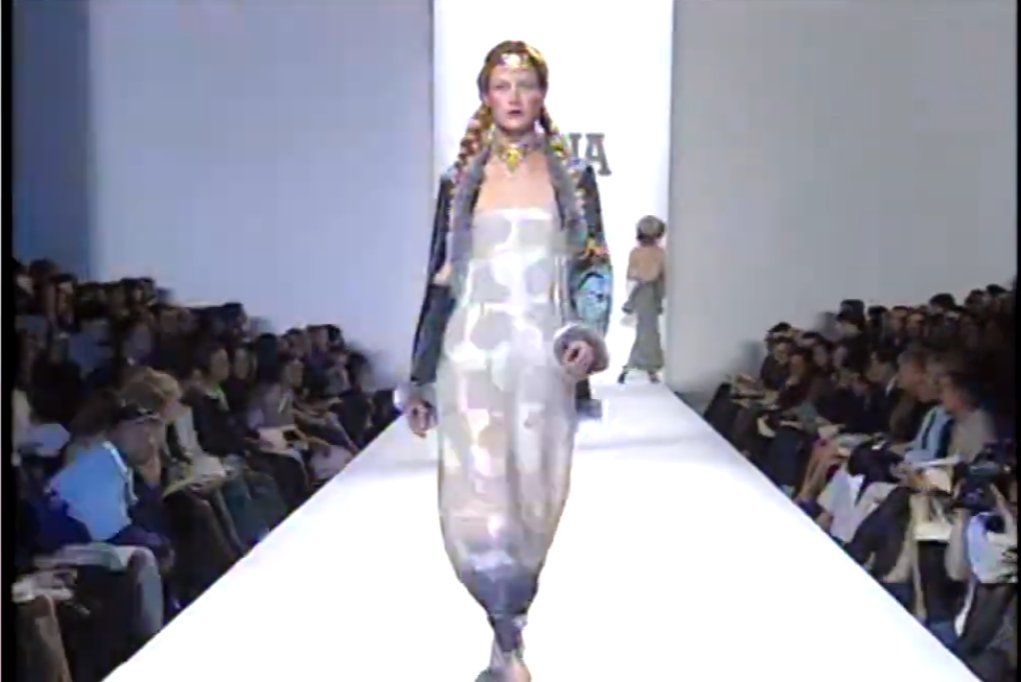
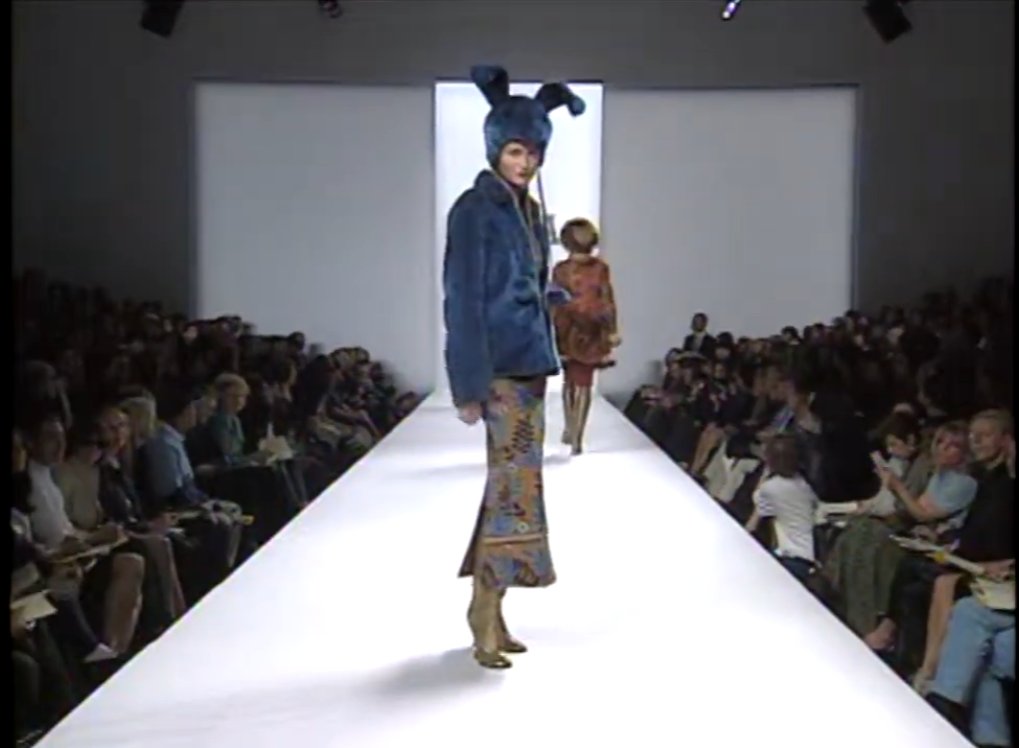
Sources: Phoenix Art Museum · Design & Culture by Ed · Getty Images · nss magazine · V Magazine · Vogue Runway

Answer: Lacoste
Louise Trotter was named creative director of Lacoste in October 2018, the first woman to hold the role in the brand’s 85-year history. Born in Sunderland, England, she worked her way up through Whistles, Gap, Calvin Klein, Tommy Hilfiger and Jigsaw before spending nine years leading Joseph, which she brought back to London Fashion Week. At Lacoste, she described the brand’s style as a “singular fusion of sport and fashion.”
After five years at Lacoste, she moved to Carven in 2023 and brought the house back to Paris Fashion Week for the first time since 2018. In January 2025, she took over Bottega Veneta, succeeding Matthieu Blazy after he left for Chanel. That made her the only woman leading a Kering-owned fashion house at the time.
Her Bottega debut, on September 27, 2025 in Milan, was the first collection designed by a woman for the house since Laura Braggion, who led it from 1980 to 2001. Trotter went back to Bottega’s beginnings, reworking its signature intrecciato leather weave, which turned 50 that year, into woven leather coats and a floor-length cape of thin leather strips. Fringe swung from coats and skirts, and the Knot bag went soft and foldable.

Sources: nss magazine · Numéro · Vogue · The Fashion Plate · HURS · RUSSH
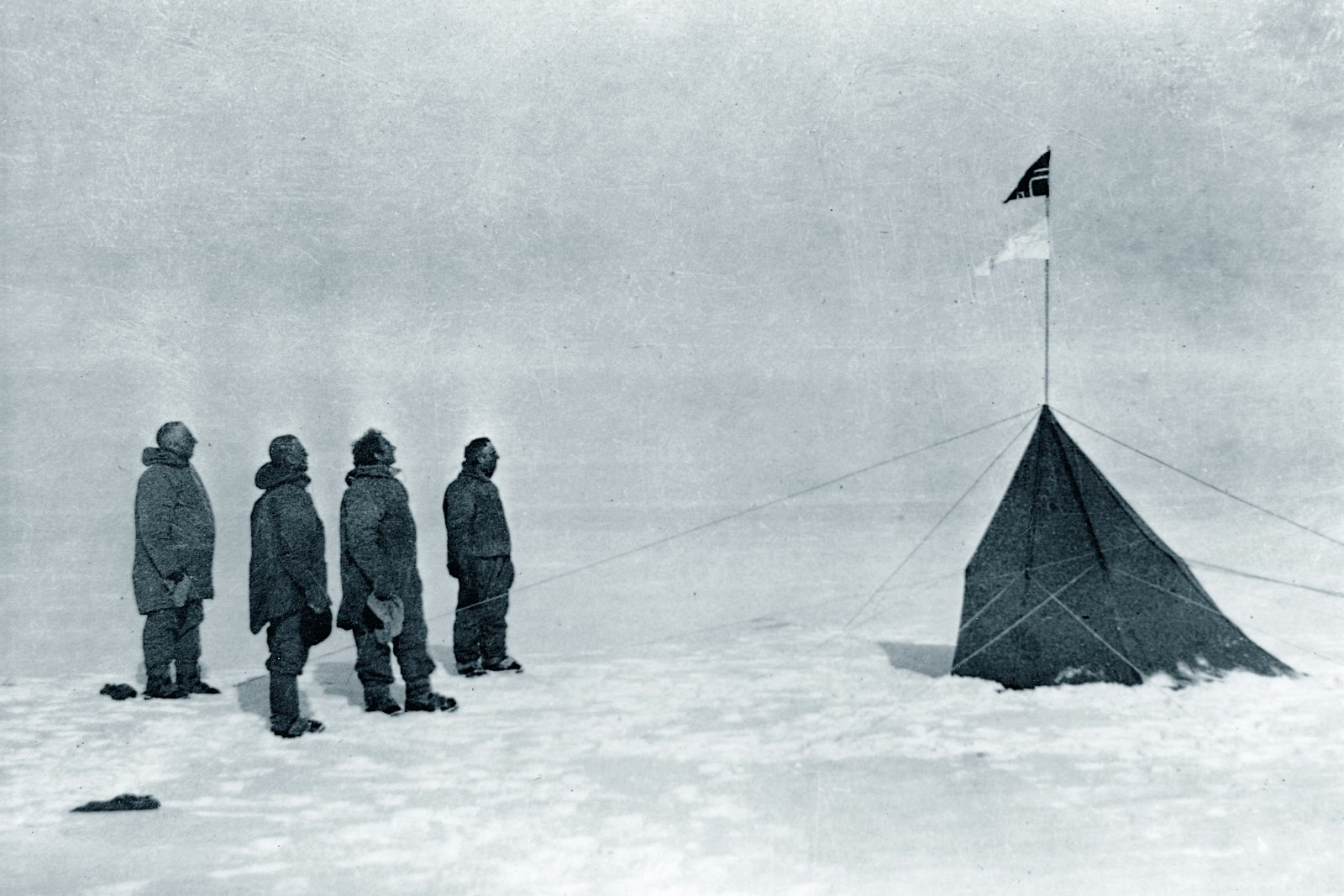
Answer: Burberry
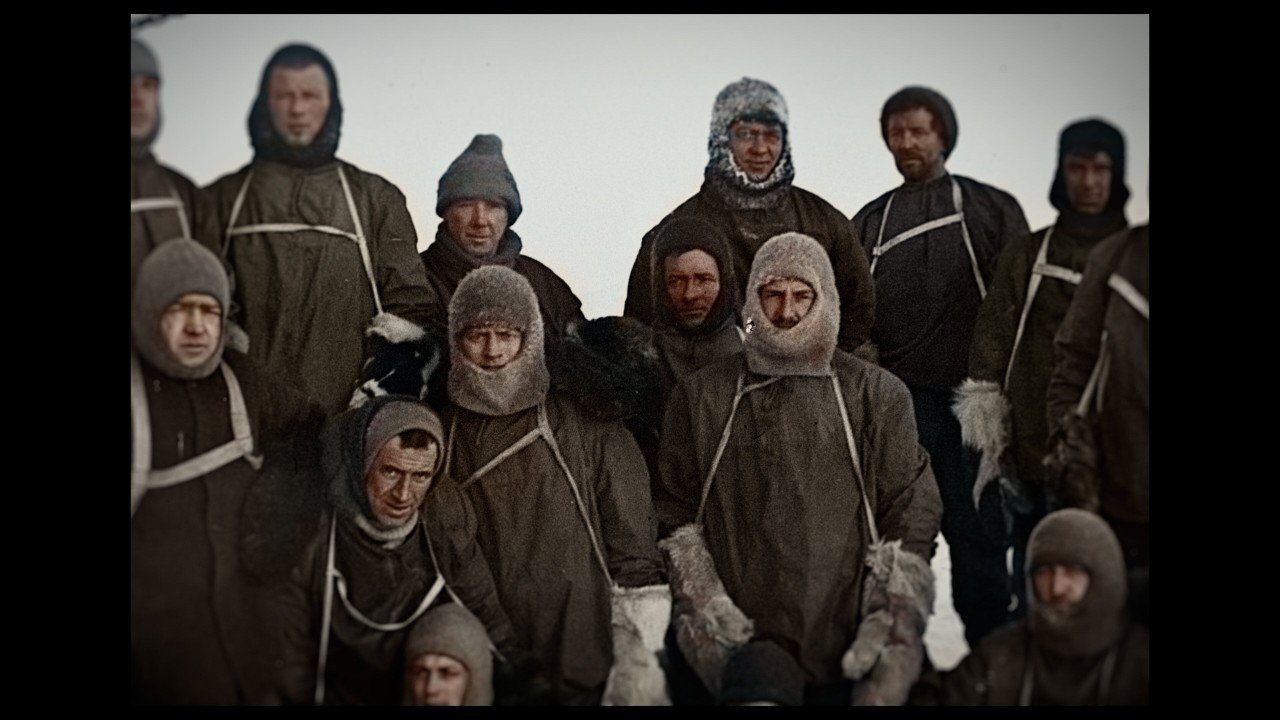
Both of the first expeditions to reach the South Pole were dressed by Burberry. Roald Amundsen’s team got there first in 1911 with Burberry gabardine clothing and a Burberry tent. Robert Falcon Scott’s team reached the Pole weeks later in Burberry gear too, though Scott and his men died on the return journey.
It all came down to gabardine. Thomas Burberry, who founded the brand in Basingstoke in 1856, found rubberized raincoats heavy and stifling. In 1879 he invented a tightly woven, water-repellent cloth that was light, breathable and tear-resistant, and he patented it in 1888. He named it gabardine, an old Shakespearean word for a cloak that protects against bad weather.
Polar explorers were early believers. Fridtjof Nansen became the first recorded explorer to take Burberry gabardine to the poles in 1893, and Ernest Shackleton wore it on three expeditions, including the legendary Endurance voyage. Burberry’s waterproofing soon went to war as well: the epaulettes, D-rings, gun flap and storm shield on today’s trench coat were all designed for officers in World War I. The famous Burberry check came later, introduced in the 1920s as a lining for rainwear.
Sources: Burberry PLC · Funding Universe · Luxe Digital · Burberry PLC
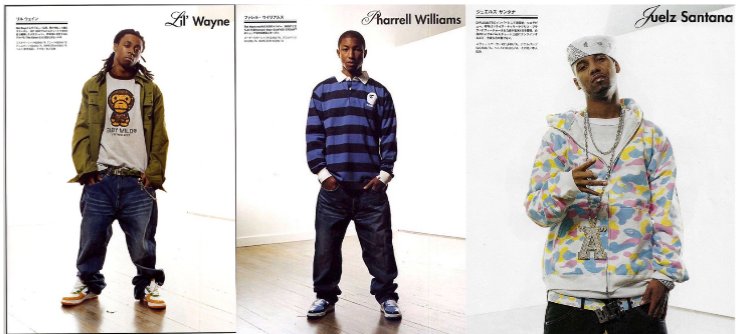
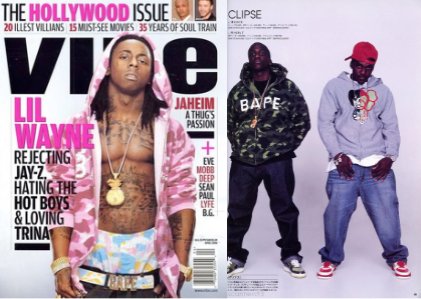
Answer: Pusha T starts receiving boxes of BAPE from NIGO, through Pharrell (2002) → Lil Wayne wears BAPE on the cover of Vibe (April 2006) → Clipse release “Mr. Me Too,” featuring Pharrell (May 2006) → Lil Wayne tells Complex that he, not Pharrell, made BAPE hot (Late 2006) → Pusha T’s “Exodus 23:1” catches Wayne in the crossfire, and Wayne answers with “Goulish” (May 2012)
In the mid-2000s, A Bathing Ape had hip-hop in a chokehold, and this Japanese magazine spread shows exactly who was wearing it. Lil Wayne poses in a Baby Milo tee and Bapestas, Pharrell, the bridge between NIGO’s Tokyo streetwear and American rap, appears in a striped rugby, and Dipset’s Juelz Santana appears in a pastel camo hoodie. Pharrell was the connection: through him, NIGO began sending Pusha T and Clipse boxes of BAPE as early as 2002, and Pharrell and NIGO later teamed up on Billionaire Boys Club.
So when Lil Wayne went all in on BAPE and BBC in 2006, wearing it in his “Hustler Musik” video and on the April cover of Vibe, Clipse took notice. That May, they released “Mr. Me Too,” featuring Pharrell, a single about copycats biting their style, which was widely read as a shot at Wayne. Wayne fired back in a Complex cover story at the end of the year, claiming people thought Pharrell was weird for wearing BAPE, but when Wayne wore it, everyone thought it was hot.
There was business tension underneath the fashion. Clipse and the Neptunes had worked with Cash Money years earlier on Birdman’s “What Happened to That Boy,” and according to Hot 97’s Ebro Darden, the Neptunes were never paid. Pharrell reportedly refused to work with the label again, and even turned Wayne down when he asked for BBC gear.
The jabs continued for years. In May 2012, Pusha T’s “Exodus 23:1,” aimed at Wayne’s protégé Drake, also took shots at Cash Money. Wayne answered on Twitter and released the diss track “Goulish” the next day. The rivalry that started over hoodies and Bapestas eventually spilled into Pusha T’s 2018 war with Drake, which ended with “The Story of Adidon.” When asked in 2020 what soured things in the first place, Wayne said he honestly didn’t know.
Sources: Twitter · Facebook · Lil Wayne HQ · Complex · Highsnobiety · The Hundreds
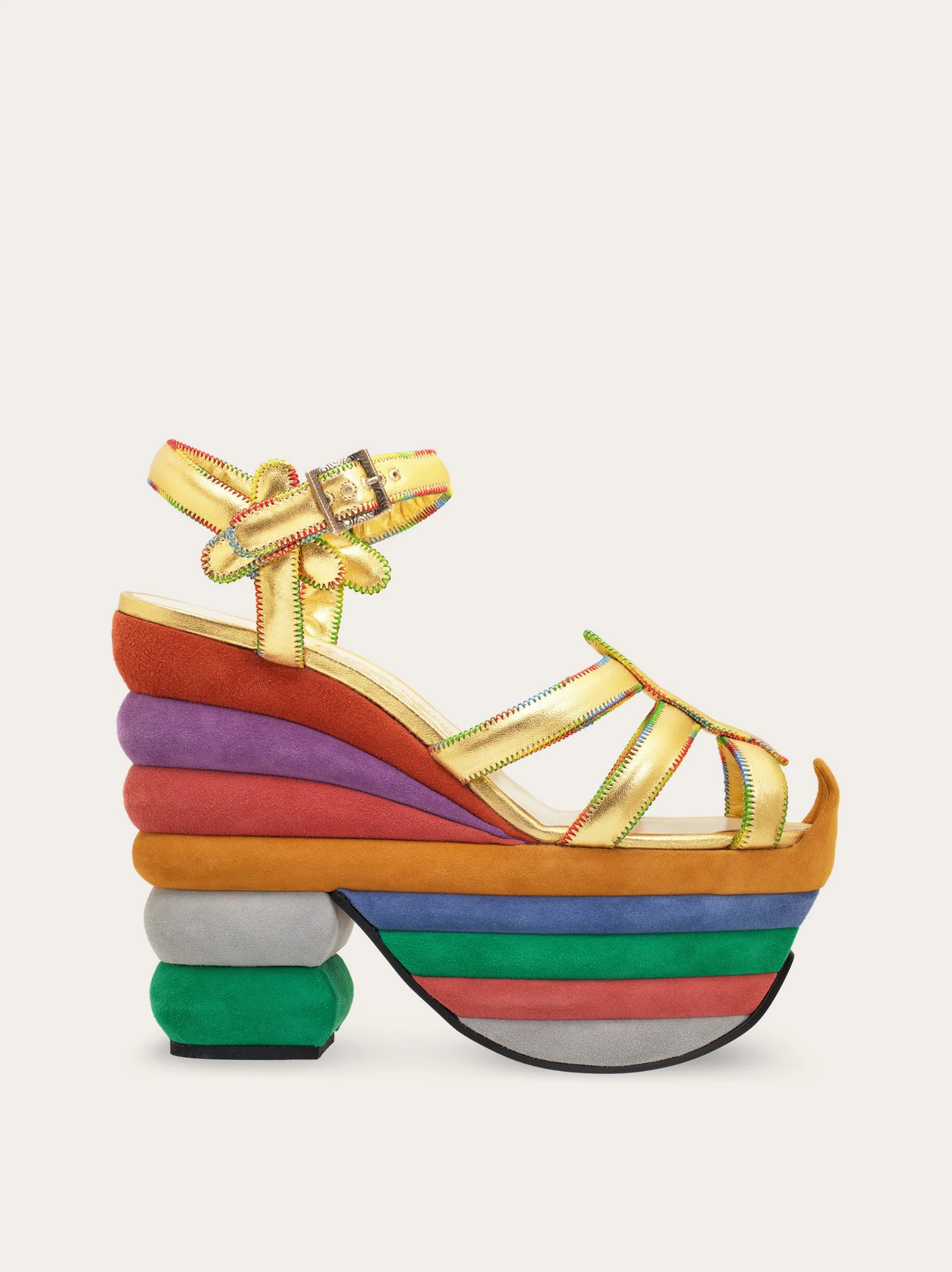
Salvatore Ferragamo Rainbow Platform Sandal (1938)