October 9, 2026
The issue of October 9, 2026
Every question from this issue, with the answers, the hints and the reading behind them.
Play the October 9, 2026 issue
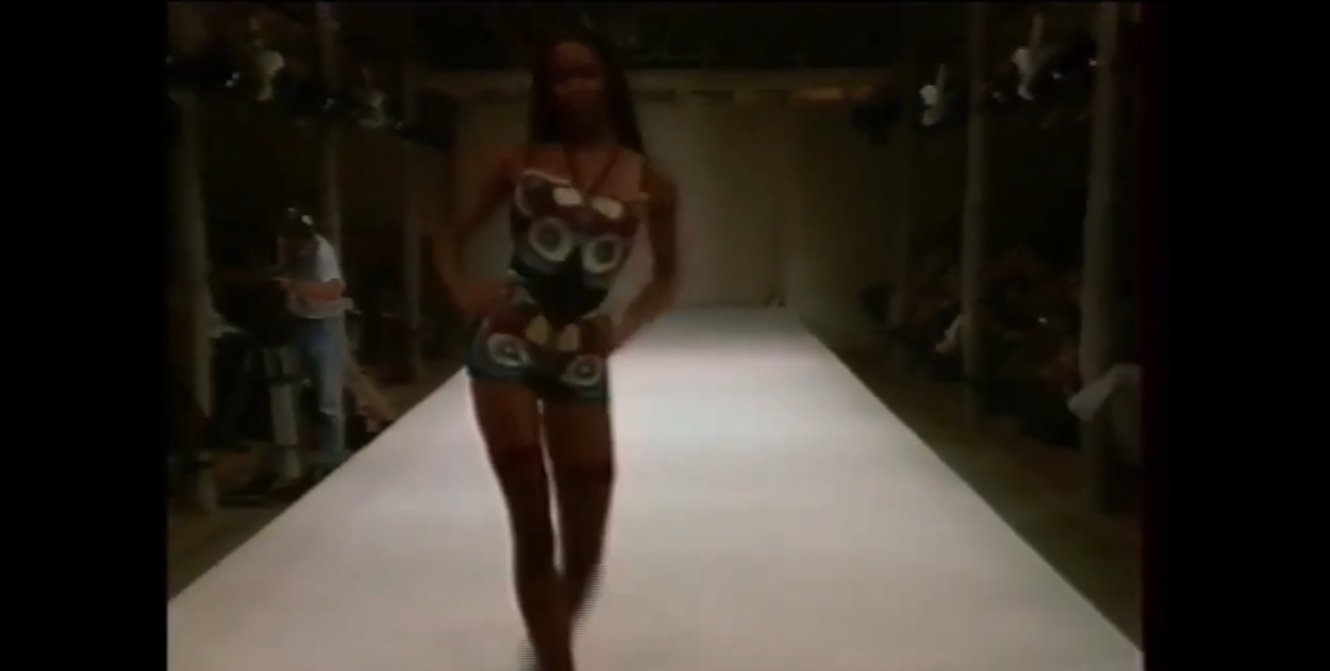
House: Alaïa · Designer: Azzedine Alaïa · Season: Fall/Winter 1991
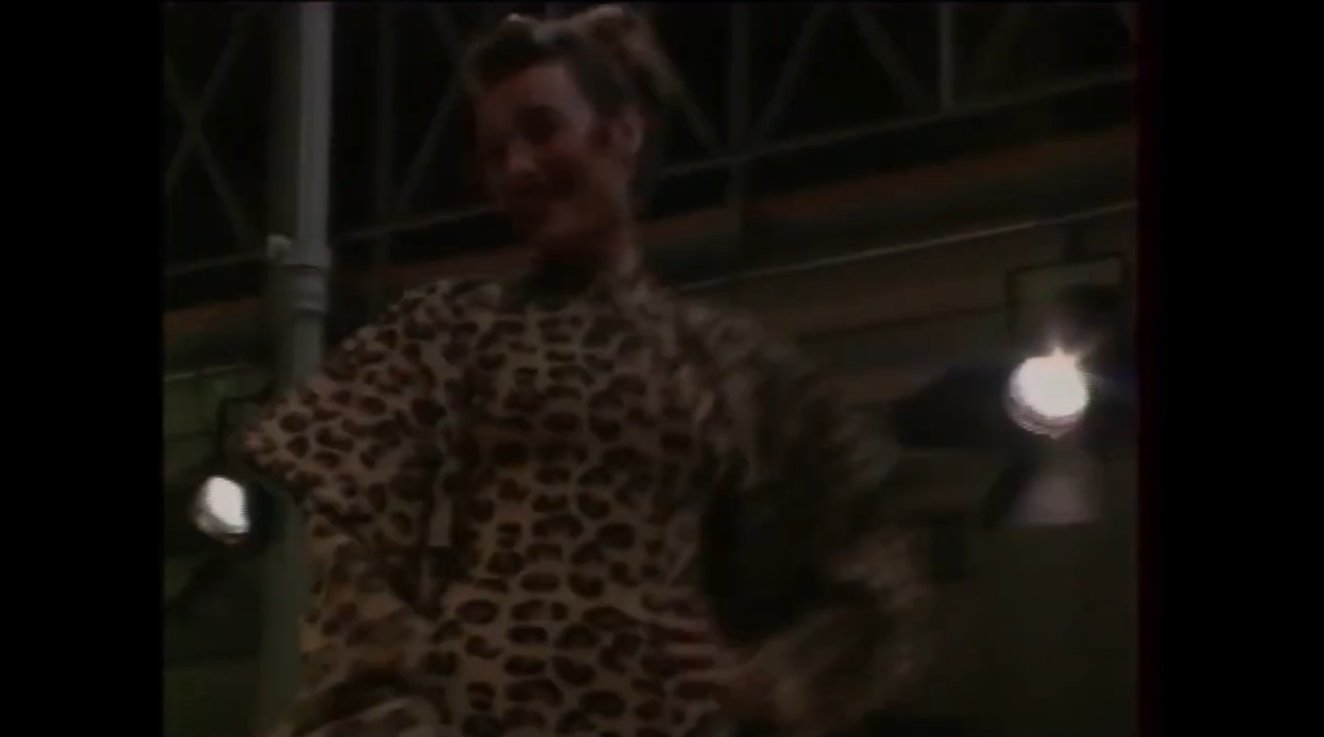
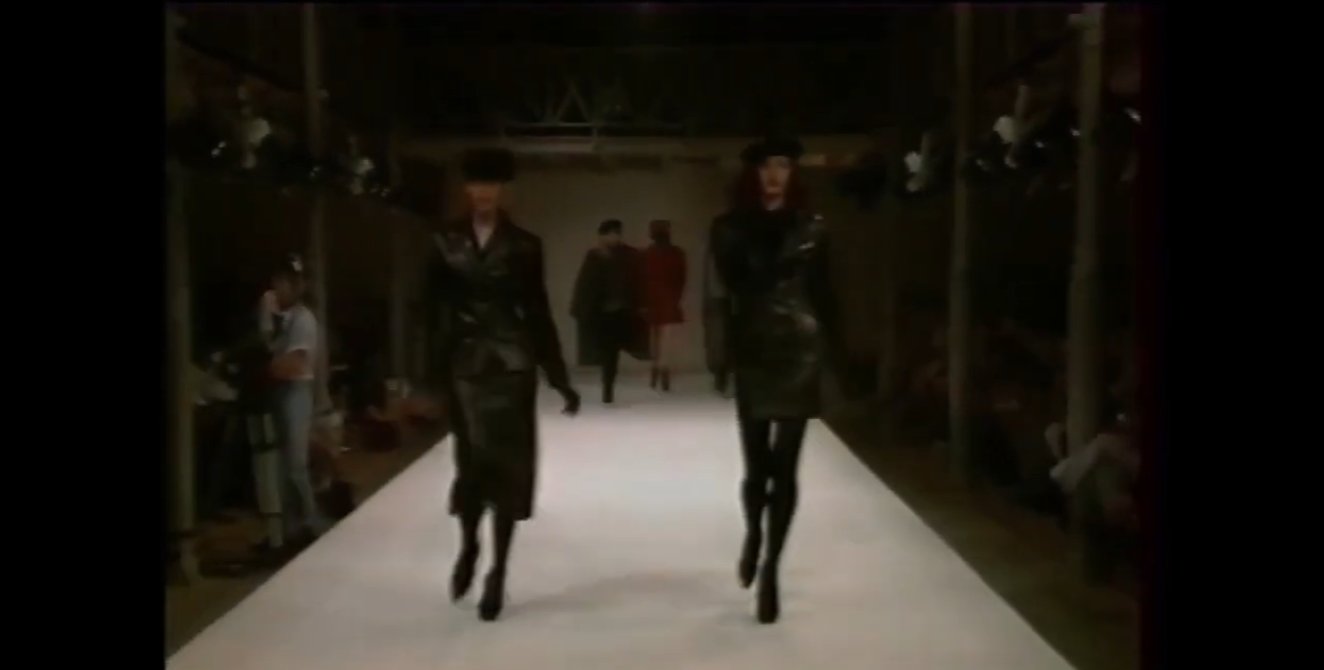
Sexy, body-hugging knits were always Azzedine Alaïa’s calling card, but his Fall-Winter 1991 collection gave them a wild new edge. The show was built around animal and nature prints worked directly into stretch knits. Butterfly prints fluttered across clinging two-piece dresses, and black velvet panels framed sheer leopard lace. Then came the moment everyone remembers: a run of head-to-toe leopard, which the house calls panther, carried across dresses, leggings, catsuits, coats, gloves, berets and bags. In the leopard knits, each color was worked in a different texture, so the print looked almost like fur up close.
The collection calls to mind Adriana from The Sopranos, or Maria from GTA III, San Andreas and Liberty City Stories, who would often wear leopard print just like this. Maria is with a mob boss twice her age whom she doesn’t really love, aside from his money. She’s often loud, not only in attire but in personality, and fiery when flown too close to the sun. Hard to contain, even harder to maintain, and often on a diet of drugs to fill the day and her stomach. Characters like these embodied the 90s and early 2000s trophy wife look that was so popular back then, and this show feels like where that look begins.
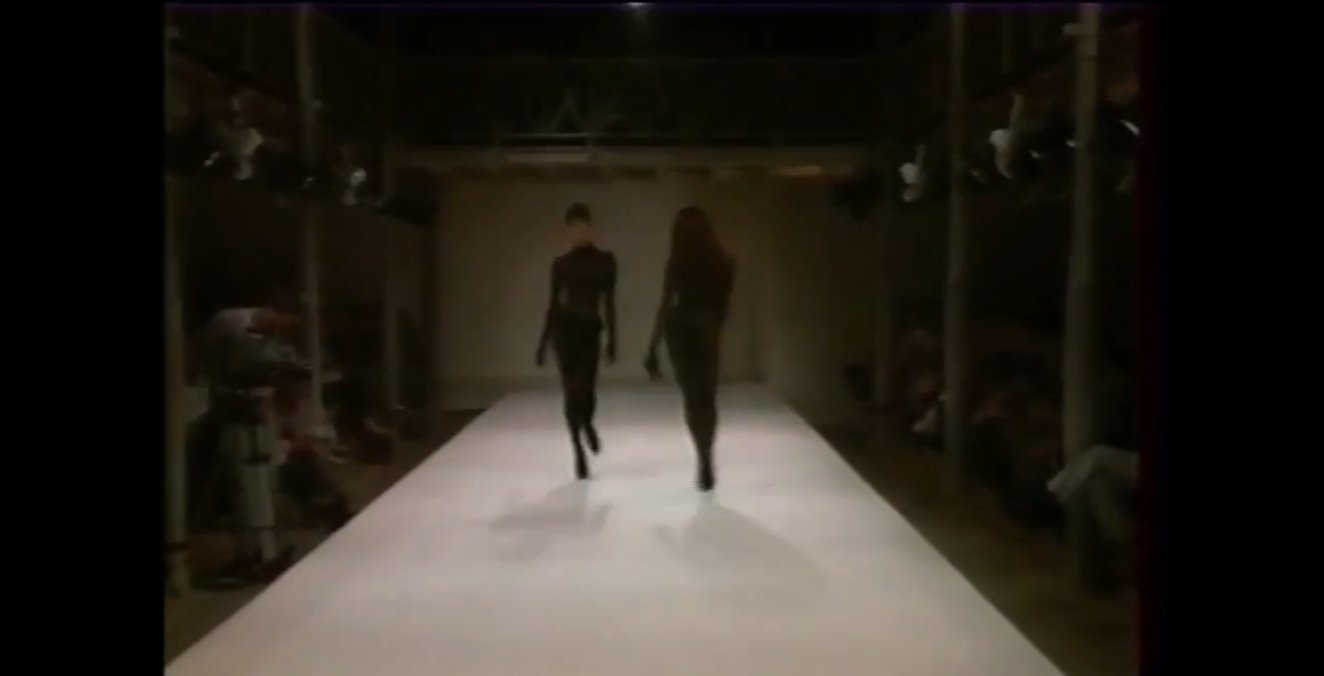
The models move with so much expression, and some of the looks are gloriously gaudy, which meshes well with the syncretic, animalistic themes Alaïa plays with. Cut in his sculpted, second-skin silhouettes and worn by the supermodels of the moment, including Naomi Campbell, the clothes added what Vogue called a feral sense of “animal magnetism” to his body-con shapes. Fun!
Alaïa did it all on his own schedule. He ignored the official fashion calendar, and this collection was presented months after the season had technically ended. His attitude was simple: “When the collection is ready, it’s ready.” The response was overwhelming anyway. Vogue ran the feature “Alaïa Throws a Curve,” shot by Jean-Baptiste Mondino, that November, mall stores rushed out copies, and the leopard looks became some of the most recognizable of his career.
Sources: Maison Alaïa · Fondation Azzedine Alaïa · FIDM Museum · L’Orient Today · W Magazine · V&A
Answer: Air Jordan 6 'Carmine' (1991) → Air Jordan 6 'Carmine' (2008) → Air Jordan 6 'Carmine' (2014) → Air Jordan 6 'Carmine' (2021)
I felt so mean making this question :(
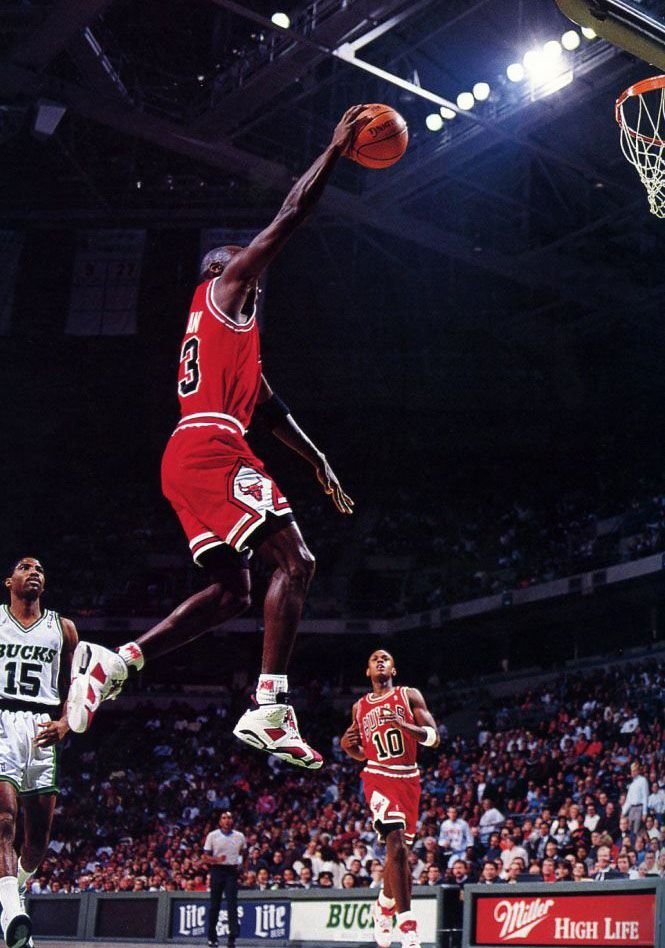
The Air Jordan 6 “Carmine” first released in 1991 for $125, one of the original colorways of the shoe Michael Jordan wore during the first half of the 1991-92 season. Its alternating red and white upper was the boldest color blocking an Air Jordan had seen. The 6 was also the last Air Jordan to carry visible Nike Air branding on the heel.
The Carmine didn’t return until May 24, 2008, and even then not on its own. It came in a Countdown Pack with a black Air Jordan 17, one of the 2008 packs that paired two models whose numbers added up to 23. The pack cost $310, which kept it mostly in collectors’ hands.
The first standalone retro landed in 2014 for $170. Coincidentally, it released on May 24 again, exactly six years after the Countdown Pack. It had a blue-tinted icy outsole and a Jumpman on the heel instead of the original Nike Air, a swap many fans weren’t happy about.
For the 30th anniversary in February 2021, Jordan Brand released a $200 retro that brought “Nike Air” back to the heel for the first time since 1991. Even that release had problems: Jordan Brand reportedly asked retailers to send back pairs whose white midsoles had turned pink, which was blamed on faulty paint.
The story isn’t over yet. The Carmine is scheduled to return on March 13, 2027, reportedly for $215 and with a shape expected to stay close to the 1991 original. That’s nearly double the original price, 36 years later.
Sources: GOAT · StockX · WearTesters · Sneaker News · Sneaker Files · Grailed
Answer: A pair of Guess jeans
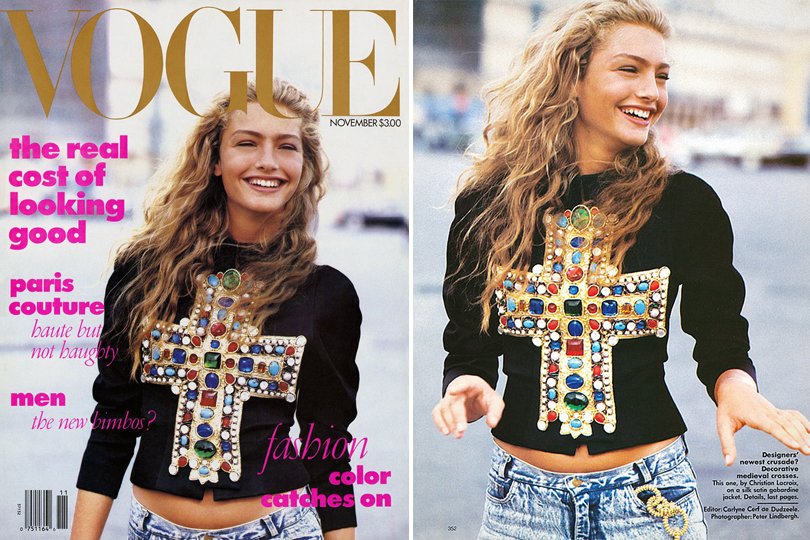
Anna Wintour’s first Vogue cover, in November 1988, showed Israeli model Michaela Bercu in a beaded Christian Lacroix couture jacket with a jeweled cross, worth about $10,000, worn with a pair of faded Guess jeans that cost about $50. It was the first time jeans had ever appeared on the cover of Vogue.
The look happened by accident. The jacket came from a Lacroix suit, but the skirt didn’t fit Bercu, who had just come back from a trip home to Israel. Stylist Carlyne Cerf de Dudzeele put her in jeans instead. The photo wasn’t even meant to be the cover; it was planned for an inside spread.
Peter Lindbergh shot Bercu outdoors, hair blowing and eyes half closed, which broke sharply with the stiff studio portraits that had defined Vogue covers for most of the decade. The cover was such a departure that the printers called the Vogue office to ask whether it had been sent by mistake.
Wintour later said, “I had just looked at that picture and sensed the winds of change.” Mixing couture with everyday denim became the template for high-low dressing, and set the tone for a tenure that lasted 37 years, until Wintour stepped down as editor-in-chief in 2025.
Answer: The Veldskoen
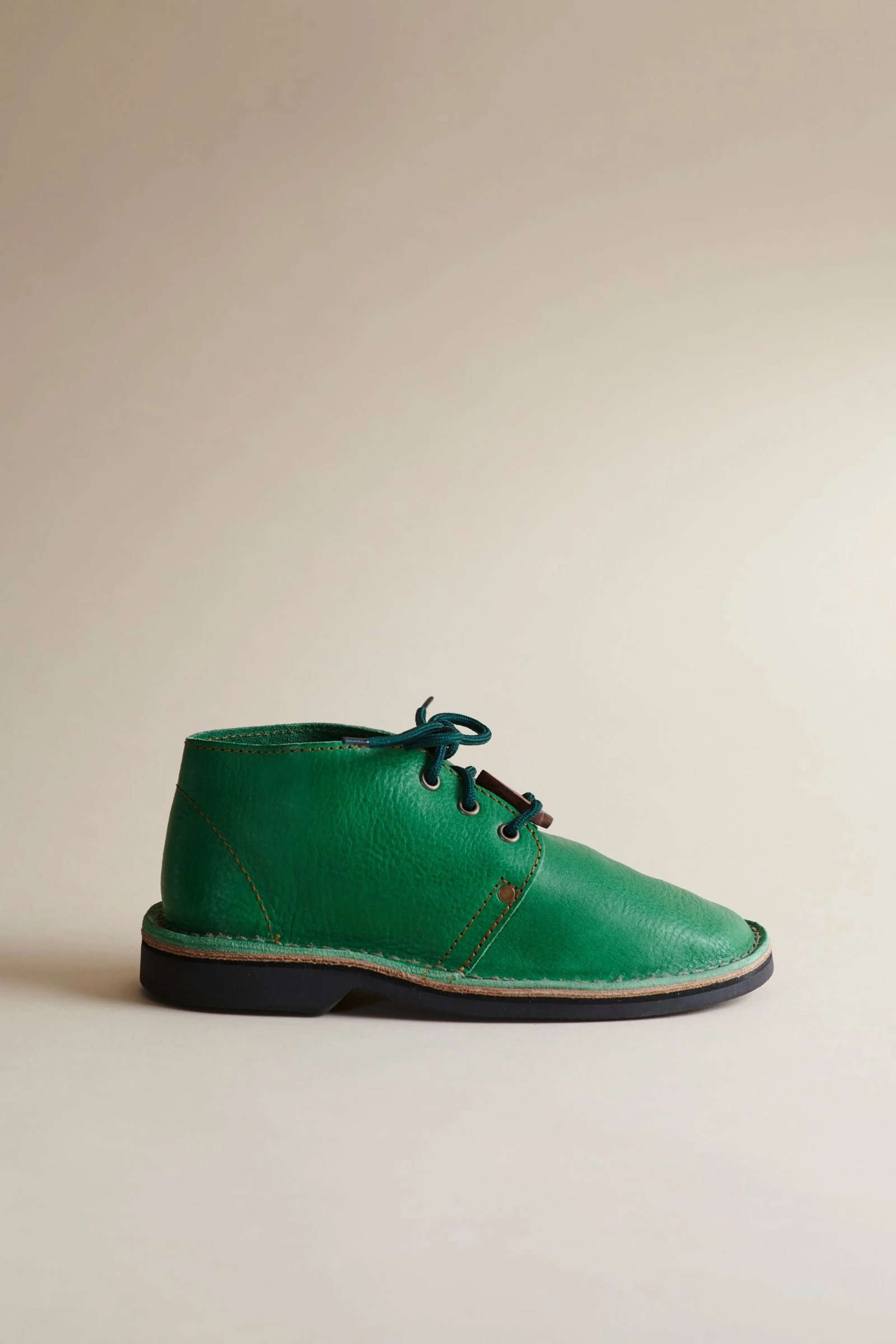
Brother Vellies takes its name from the veldskoen, the rugged desert shoe of South Africa and Namibia, known locally as “vellies.” The name comes from Afrikaans: “veld” means open country and “skoen” means shoe, making it a “field shoe.” A competing spelling, velskoen, uses “vel,” meaning hide, for a “hide shoe.” Dictionary historians still can’t say for sure which came first.
The shoe has deep roots. The Khoikhoi people of the Cape made soft shoes from rawhide, and Dutch settlers adopted the style. Because it could be made without tacks or nails, it was light, tough and easy to repair. It became the standard footwear of farmers and frontiersmen, and the Clarks desert boot is often credited as a descendant: Nathan Clark is said to have based his design on crepe-soled boots he saw in Cairo, which had come from South Africa.
Toronto-born Aurora James founded Brother Vellies in 2013, working out of her home studio in Bed-Stuy, Brooklyn. She had watched traditional dress giving way to global brands on trips to Africa, and wanted to keep the craft alive by creating jobs for artisans. The brand’s workshops have included partners in South Africa, Namibia, Kenya and Morocco. In 2015, James was one of three designers to share the top prize of the CFDA/Vogue Fashion Fund, the first three-way tie in its history, with $300,000 each. On stage, she urged the industry to “involve Africa in the conversation instead of just taking inspiration from there.”
The brand still sizes its vellies the traditional way. Women count up four sizes to get their US size, and men count up two, so a Vellie 8 fits a US men’s 10. Its best seller, the Erongo, is handmade in South Africa and sells for $335.
Sources: Brother Vellies · Business of Fashion · Wilderness · Frontier Partisans · Refinery29 · CFDA
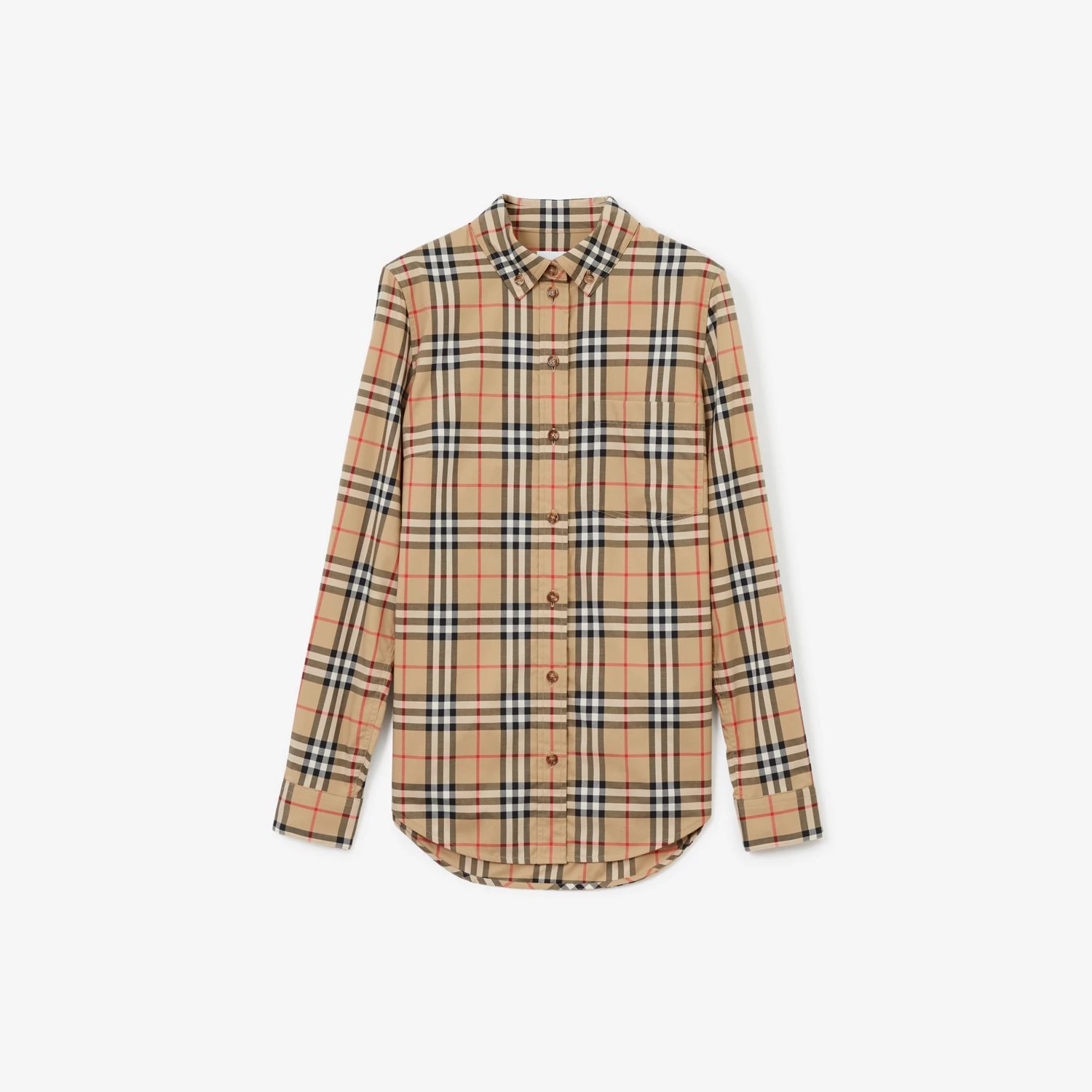
Burberry Check Stretch Cotton Shirt. Otherwise known as 'The Baby Shower'