
October 7, 2026
The issue of October 7, 2026
Every question from this issue, with the answers, the hints and the reading behind them.
Play the October 7, 2026 issue
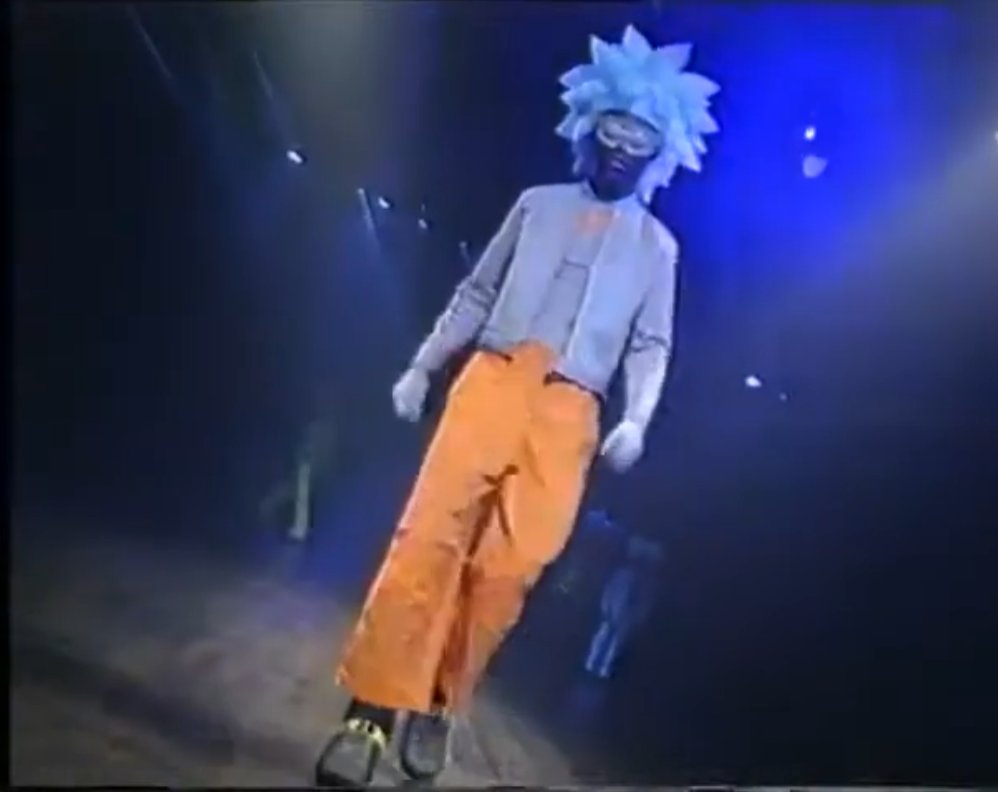
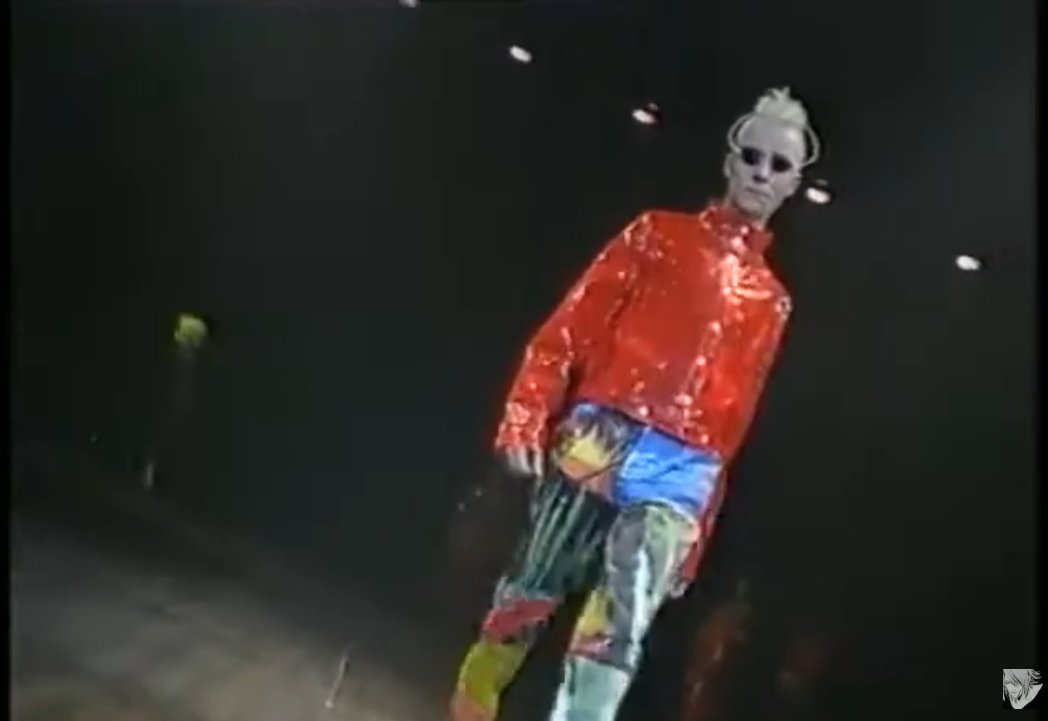
House: W< (Wild & Lethal Trash) - 'Killer / Astral / Travel' · Designer: Walter Van Beirendonck · Season: Spring/Summer 1996
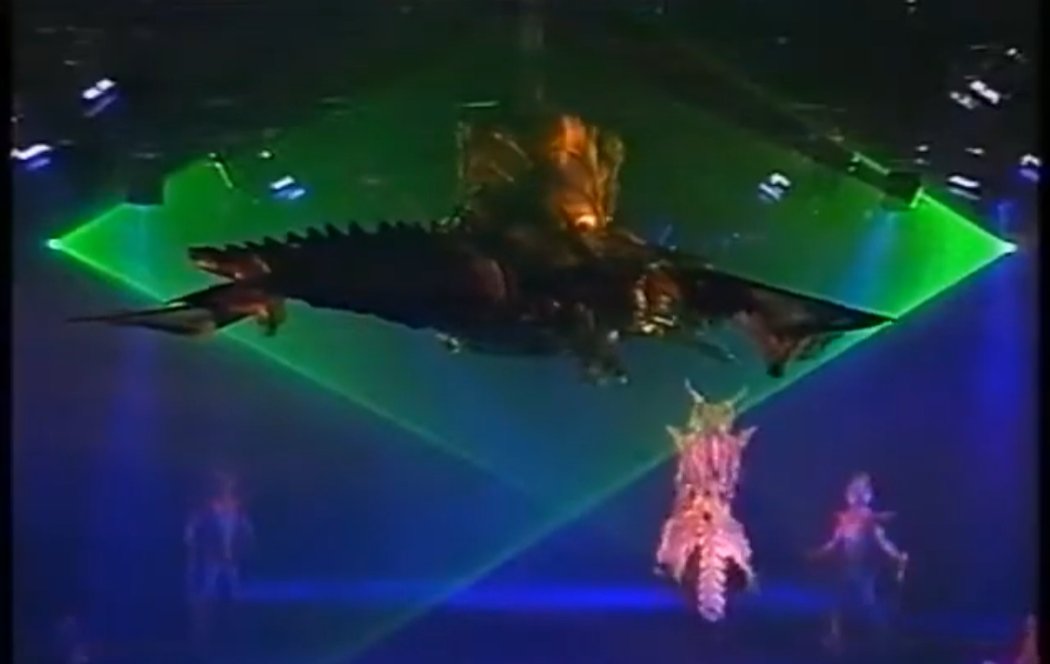
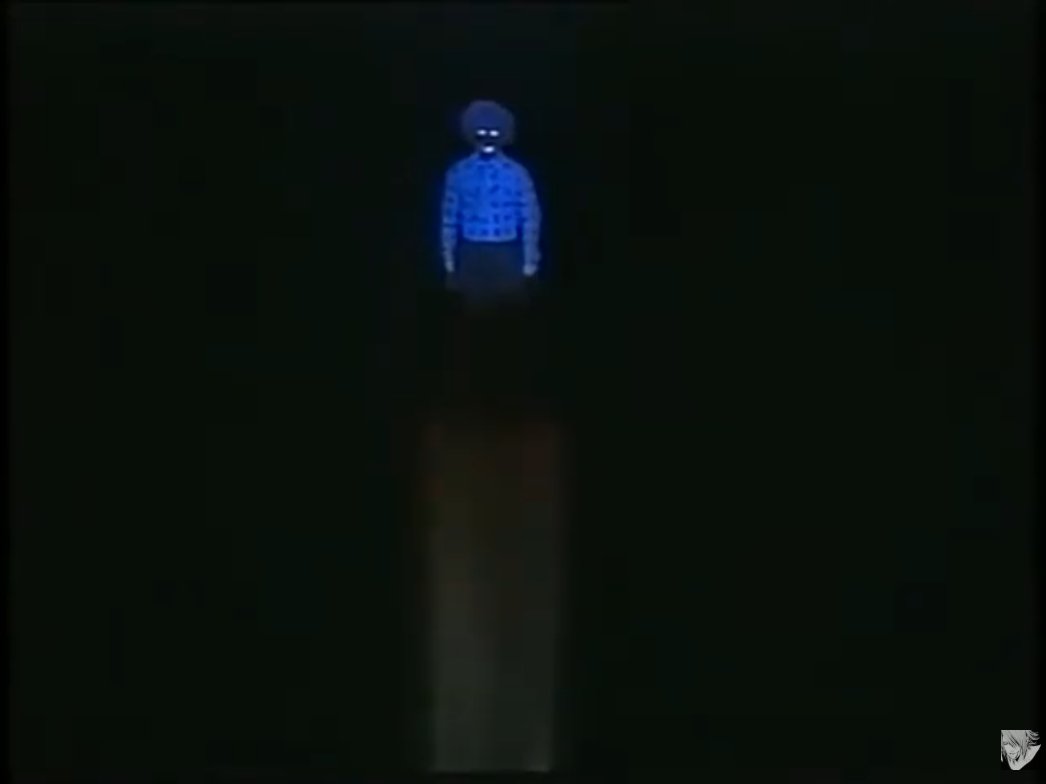
From 1993 to 1999, Antwerp Six designer Walter Van Beirendonck ran W< (Wild & Lethal Trash), a label backed by the German jeans company Mustang that mixed high fashion, rave culture, cartoons and the newest synthetic materials. Its clothes talked, flashed, glowed in the dark and inflated. For Spring/Summer 1996, the collection the Metropolitan Museum of Art lists as "Killer / Astral Travel / 4D-Hi-D" ran under the motto "Kiss the Future." It paired bright colors and cartoon graphics with exaggerated masculine shapes, like inflatable plastic "muscle" jackets, which the Met describes as a camp deflation of masculinity. Underneath the fun was a serious message: the Met calls the collection "a powerful statement against the ravage caused by the AIDS epidemic," with its plastics standing in for latex and safer sex. W< even had its own mascot to help talk about safe sex, a little blue alien called Puk Puk.
I was watching the show, jamming out to "Born Slippy," and then about one minute in, I was like: "This reminds me of something, but I don't know what." I let the show play and thought about it for an embarrassingly long time, but then it hit me. Doodlebops! The models look like Doodlebops characters. The Doodlebops was this show from my childhood about a band of aliens or something, and they made songs... whatever, this show reminded me of so, so many things. I then thought about Xavier: Renegade Angel, Rick and Morty, Futurama, Aeon Flux. Just 2000s-era Adult Swim. It's summer '07, I stayed up too late, and now I'm having a fever dream watching these weird-ass shows. I love it! There are bits of this show that are straight out of a Power Rangers episode, where Rita Repulsa comes out and they introduce the big monster at the end, and the Power Rangers have to break out the Megazord. I'm rambling now, but this show sent me down memory lane, and I love it for that. Pure imagination!
Sources: The Metropolitan Museum of Art · Dazed · _Black_Acrylic · Fashion History
Answer: Gladiator
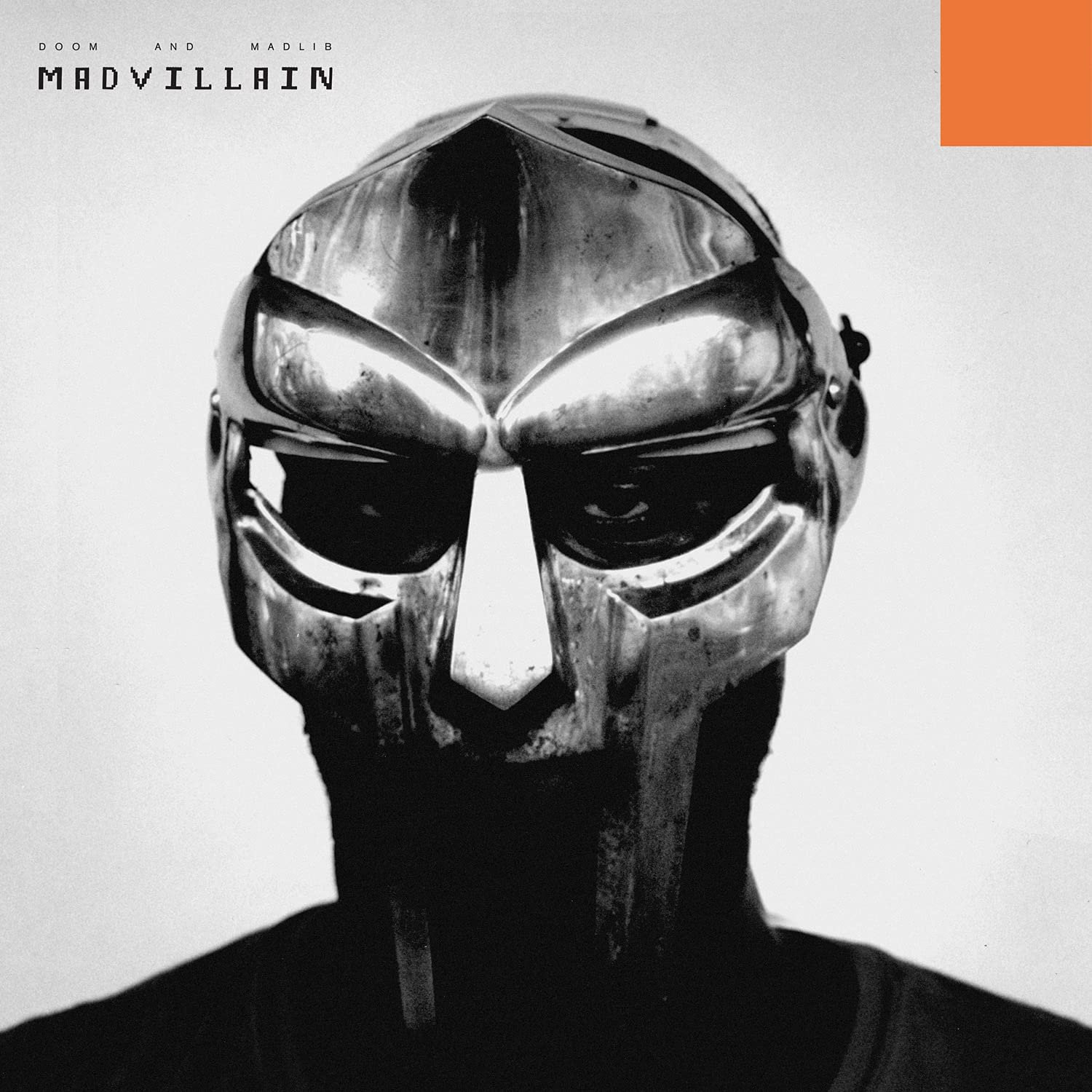
After seeing WhosListening's '9 Albums' post on Who'Studios, which of course included MF DOOM's Madvillainy, I knew I had to throw a villain-related question in today's issue.
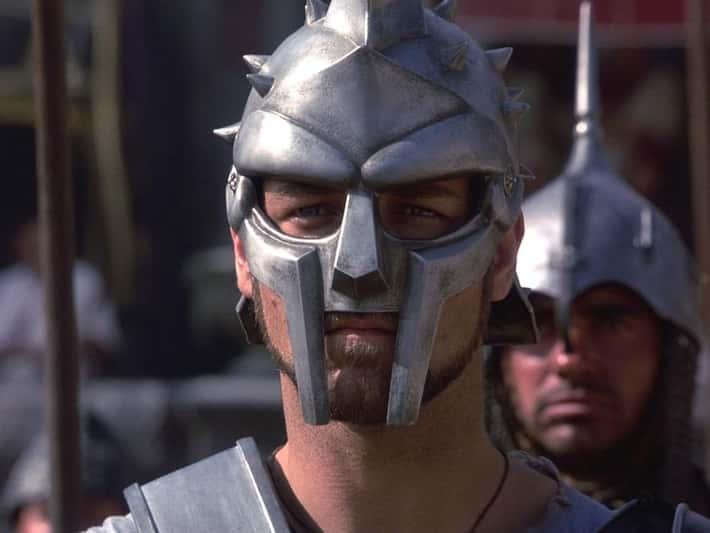
Daniel Dumile, the London-born, Long Island-raised rapper and producer, came back to music in the late 1990s as MF DOOM, a supervillain persona named after Marvel's Doctor Doom. After Gladiator came out in 2000, replica gladiator masks went on sale as collectibles, and a friend told DOOM one would be perfect for the character. The one they bought was based on the helmet Russell Crowe's Maximus wears in the Colosseum, and it came mounted on a wooden display stand. The friend removed the stand and the top piece, and fitted the faceplate with the inner band of a construction hard hat so it could be worn. DOOM later had it chrome-plated and added a ruby. It looked enough like Doctor Doom's mask to fit the persona, and different enough to stay out of Marvel's way. For DOOM, the mask was about character, not hiding: "It's really just another character," he said. "The DOOM thing is to be able to come at things with a different point of view."
His undisputed hip-hop classic, Madvillainy, made with producer Madlib as the duo Madvillain and released on Stones Throw in 2004, features DOOM in the iconic mask on th cover. The cover was shot by photographer Eric Coleman, and the album's art direction and cover layout, including the famous small orange square in the corner, were designed by Stones Throw art director Jeff Jank. Jank said he added the orange "partly because it needed something distinctive, and partly to match the color with Madonna," a nod to the visual parallel he saw with Madonna's self-titled debut album cover.
The mask kept the focus on DOOM's music instead of his face, so much so that impostors nicknamed "Doombots" sometimes performed in his place. "The character himself, DOOM, will always have the mask," he said. Dumile died on October 31, 2020, at age 49. RIP to one of my favorite rappers ever.
Sources: Stones Throw · Medium · That Eric Alper · Okayplayer · Vice · Grunge
Answer: 2031
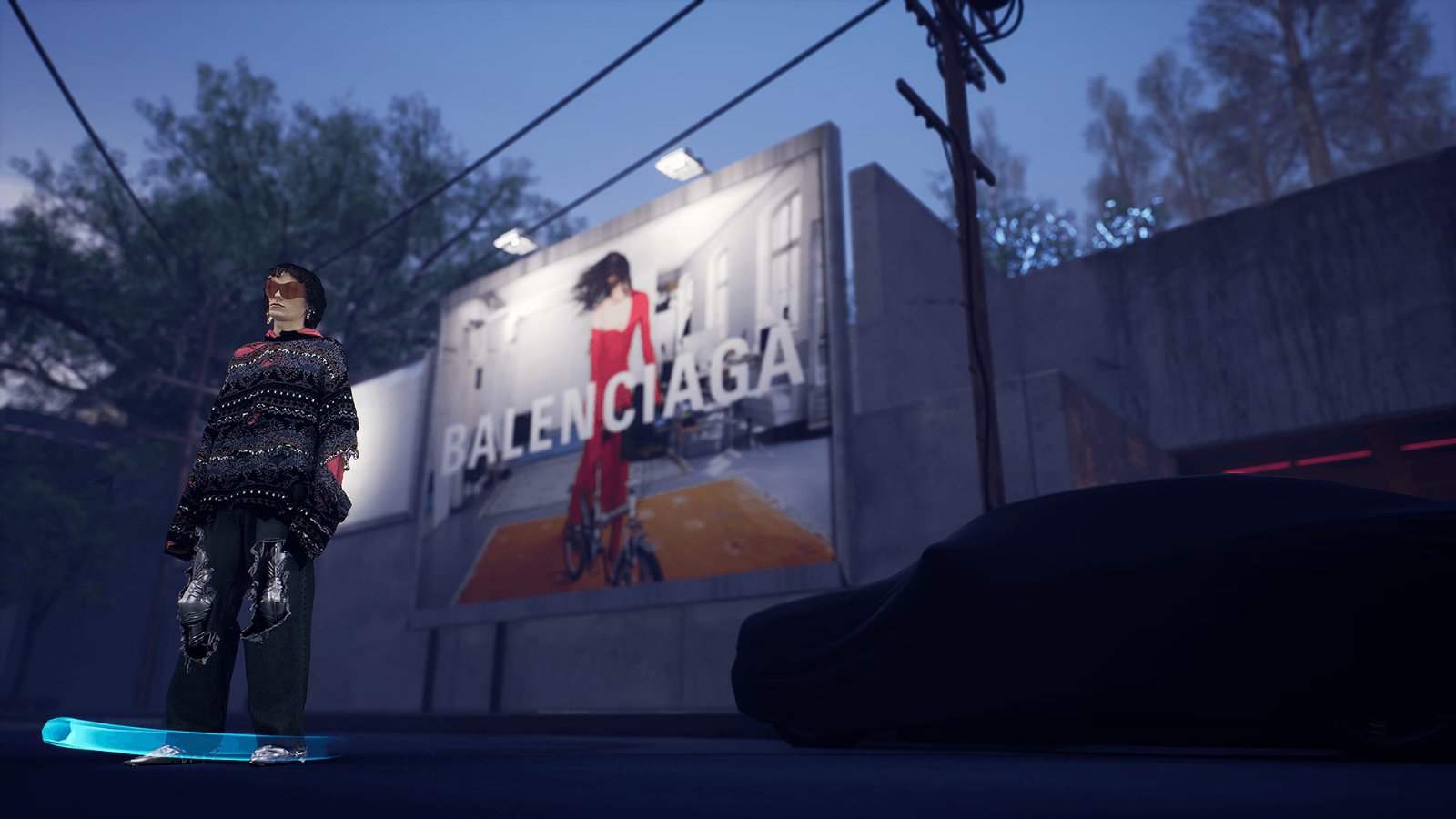
In December 2020, in the middle of the pandemic, Balenciaga skipped the runway and released its Fall 2021 collection as a free browser video game, Afterworld: The Age of Tomorrow. Set in a fictional city in 2031, the game has players pick a character and move through five levels, starting in a labyrinthine Balenciaga store where avatars model the clothes. The world begins in decay and gradually returns to "a healthier balance of nature and industry." Creative director Demna described the clothes as "modern-day armor": oversized high-visibility jackets, statement parkas and medieval-looking armor boots, plus T-shirts with ironic PlayStation 5 logos and NASA patches. Streamline Media Group developed the game in Unreal Engine with a team of specialist studios. Dimension Studios captured 50 digital models using volumetric video, one of the largest volumetric video projects ever attempted at the time. Balenciaga's video game launch helped kick off fashion's wider move into gaming in the years that followed. I wonder what the parrying mechanics were like. And would God Mode allow you to spawn clothes for free?
Sources: Hypebeast · Unreal Engine · WWD · PAPER
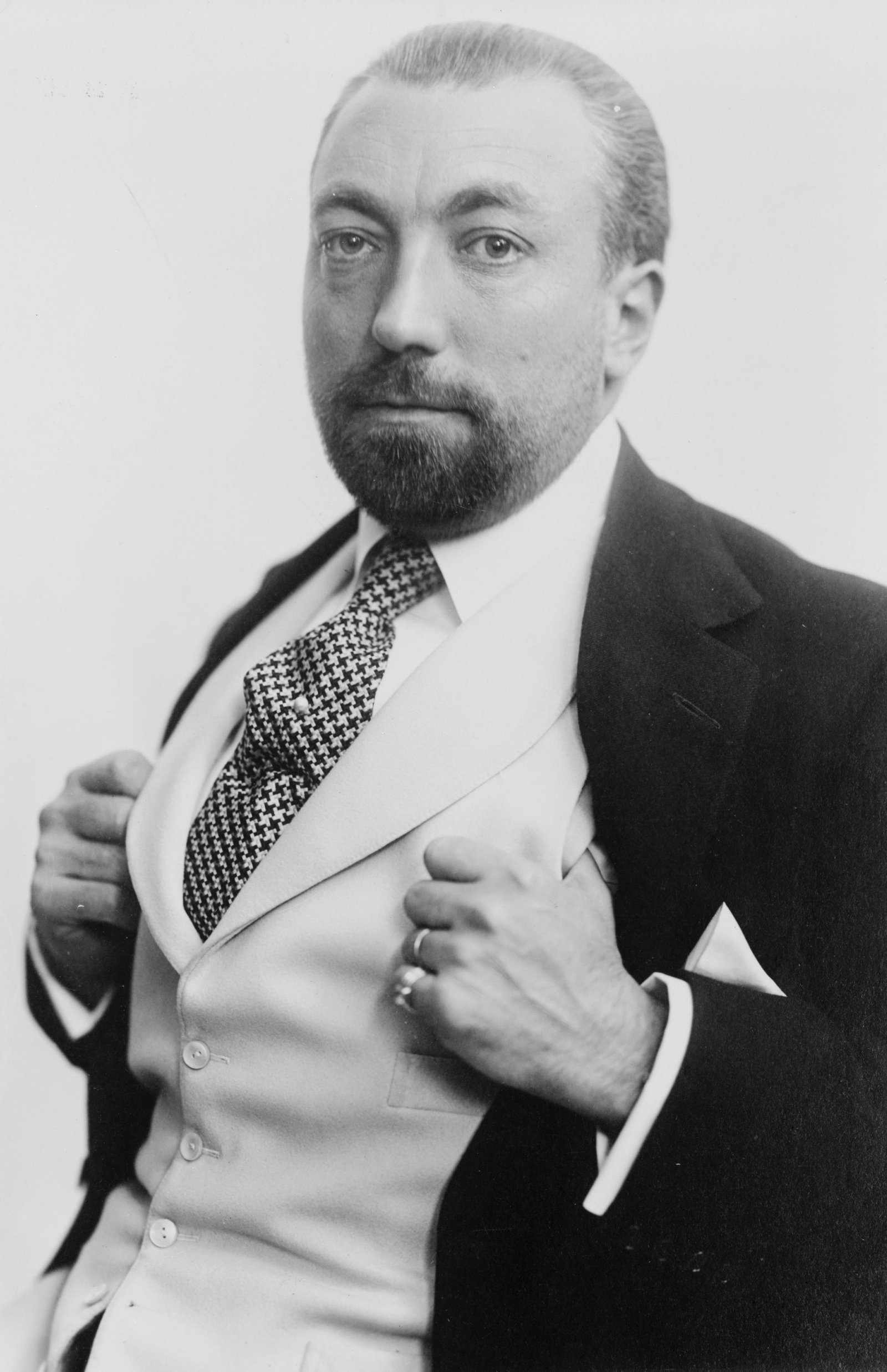
Answer: Trains under couturier Jacques Doucet, then works at the House of Worth. (1898-1901) → Opens his own couture house in Paris. (1903) → Publishes Les Robes de Paul Poiret, an album of his designs illustrated by Paul Iribe. (1908) → Founds Atelier Martine, a school and studio for home textiles, wallpapers, rugs and furnishings. (1911) → Charters three barges on the Seine for the 1925 Paris International Exhibition of Decorative Arts. (1925) → Publishes his memoir, Dressing the Age. (1930)
Paul Poiret was born in Paris in 1879 and learned couture from the inside, first under Jacques Doucet and then at the House of Worth, where his designs were considered too daring for the clientele. In 1903 he opened his own house and began defining a new silhouette for the female body, one "in motion and without restraint," freeing women from corsets with high-waisted, fluid shapes. In 1908 he published Les Robes de Paul Poiret, an album of his designs illustrated by Paul Iribe. Its bold color and artistic compositions changed how fashion was shown on paper and influenced fashion magazines that followed. Poiret saw fashion as a whole way of living, and in 1911 he expanded into two new ventures at once: Les Parfums de Rosine, one of the first perfume lines launched by a couturier, and Atelier Martine, named after his daughter. Atelier Martine was a school and design studio where untrained working-class girls designed textiles, wallpapers, rugs and furnishings for complete Poiret interiors. His lifestyle vision also included lavish parties that doubled as publicity. But taste was changing, and his spending outpaced his business. He sold his couture house in late 1924, and for the 1925 Paris International Exhibition of Decorative Arts he chartered three barges on the Seine at his own expense, a move the Musée des Arts Décoratifs calls "a financial disaster." He left his house for good in 1929, published his memoir Dressing the Age in 1930, and died in 1944.
Sources: Musée des Arts Décoratifs · Encyclopedia · Saint Louis Art Museum · Schumacher
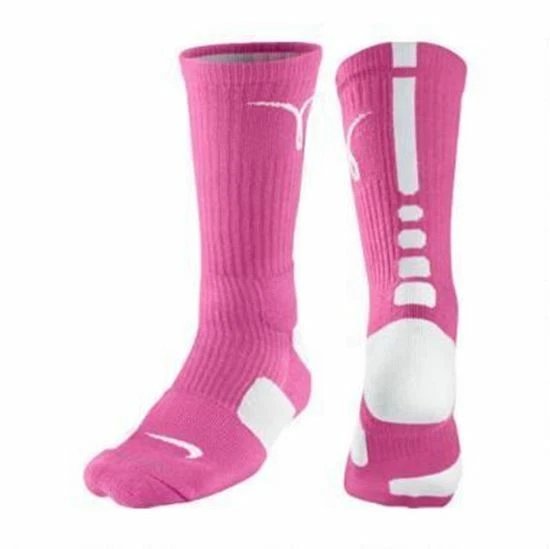
Nike Elite Socks 'Breast Cancer Awareness'. Another status symbol from my youth. These things were 14 dollars a pair, and the other kids in my middle school would stockpile these all year round. Half of them weren't even good at sports! Neither was I, but that's not the point...