
October 4, 2026
The issue of October 4, 2026
Every question from this issue, with the answers, the hints and the reading behind them.
Play the October 4, 2026 issue

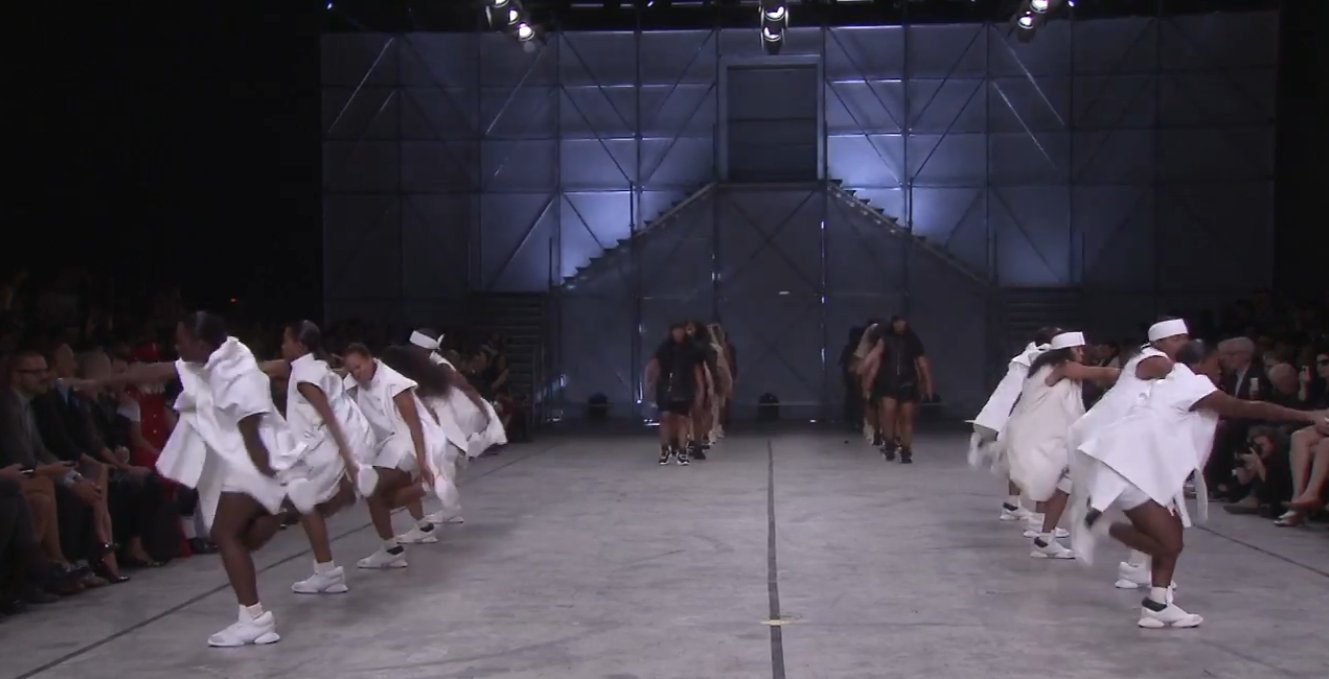
House: Rick Owens · Designer: Rick Owens · Season: Spring/Summer 2014 - 'Vicious'
For Spring/Summer 2014, Rick Owens skipped professional models. About 40 dancers from four American step teams, the Zetas, the Washington Divas, the Soul Steppers and the Momentums, took over a Paris sports hall for an 11-minute performance choreographed by LeeAnet Noble. Owens had found the teams on YouTube. Wearing pieces from the collection, including black leather tunics, leather minidresses and shorts, skirts and skorts made from pom-pom-like balls, nun's-habit-inspired headpieces and Adidas collaboration sneakers, the dancers stomped, clapped and glared at the front row to a loud electronic soundtrack. At the finale they locked together in a human formation to exit the runway. Owens said the casting came from looking at the women he worked with every day, who were "closer to the figures I put on the runway than to the runway models I usually use," and called the show "a culmination of everything I do": "Step teams are an American phenomenon. My aesthetic has always been about an American's interpretation of European glamour."
This is one of my favorite Rick shows! The intensity! The soul! The vitality! Step teams do encapsulate the American spirit and fervor, and I think it's a great concept to build around for a fashion show. The clothes in movement: you don't often get to see garments perform under that kind of stress and environment in a show, so it was cool to see here; leather and cloth bunch and scrunch as the dancers do, making the garment one with the performer, something they equip and wield as they execute every step of their routine.
The reaction was huge. Carine Roitfeld praised the show's energy, Fabien Baron called it "fantastic," and many called it the fashion moment of the season. It also drew criticism from writers and artists who argued that directing Black women to scowl in a collection titled "Vicious" leaned on the stereotype of the "angry Black woman," and that taking stepping out of its roots in Black college sororities made it read as aggressive spectacle. I think that's nonsense. When it's white women it's passion and when it's Black women it's aggression. Let the energy flow as it may and as it must!


Sources: WWD · Dazed · Fashion Week Daily · Racked SF · TheGrio · The Fashion DB
Answer: Jump
Fundamentally Ridiculous!
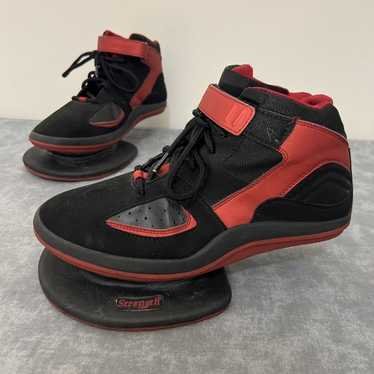
ATI Strength Shoes, made by a company called Athletic Training Innovations, were built around a raised heel platform that kept the heel from touching the ground during training, forcing the calf muscles and Achilles tendon to support the body's full weight instead. The idea was that this extra load would translate into a higher vertical jump and faster sprint times, and the shoes were marketed specifically to basketball, football, volleyball, and track athletes chasing those gains. They typically shipped with a training DVD, a laminated workout card, and a stretch strap, and ads claimed they could add anywhere from five to ten inches to a user's vertical jump and shave roughly two-tenths of a second off a 40-yard dash. Through the 1990s and 2000s, they became a fixture of sporting goods catalogs like Eastbay, turning them into a recognizable, incredibly goofy piece of gym-class and backyard-training nostalgia for a whole generation.
The science behind them, though, didn't hold up well. A 1996 peer-reviewed study had untrained college-age men train for ten weeks in either Strength Shoes or regular shoes, and found only minimal, statistically insignificant performance gains in both groups, while the Strength Shoe group suffered a much higher injury rate, seven of ten dropouts in that group were due to training injuries, compared to just one in the regular-shoe group. A separate 1993 study with experienced track athletes found that the regular-shoe group actually outperformed the Strength Shoe group across every test measured, with some Strength Shoe users reporting shin pain. Sports scientist Fred Hatfield, reviewing the research, concluded plainly that he couldn't recommend them.

Sources: TopEndSports · SportsSci · Epic Sports · ATInnovate
Answer: 8
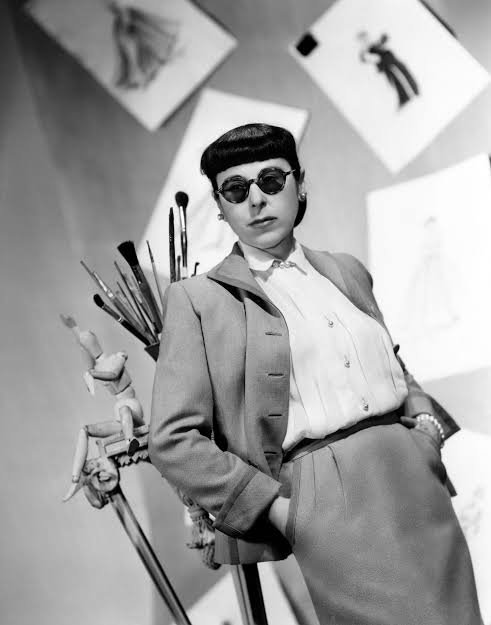
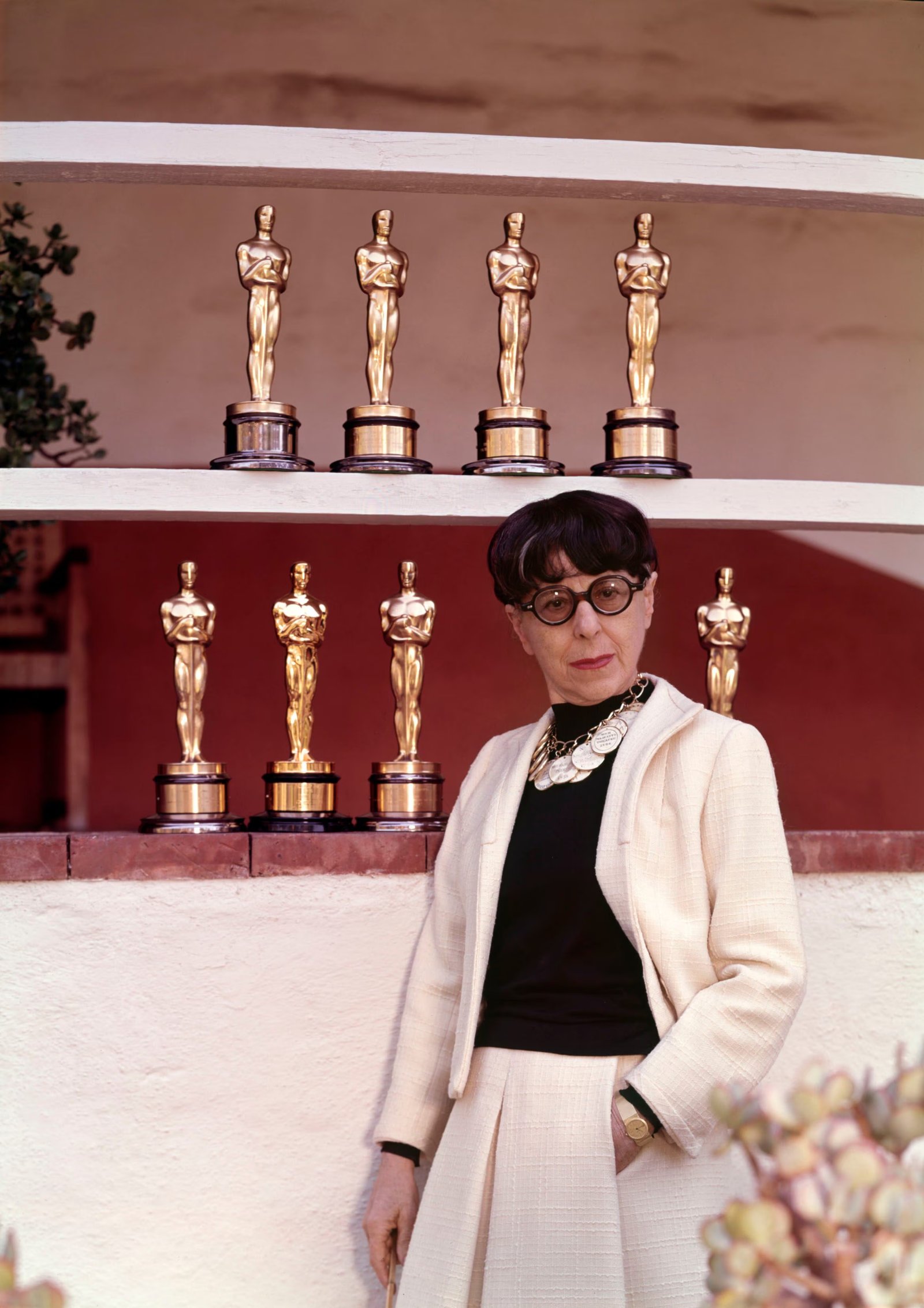
Edith Head won eight Academy Awards for Costume Design, still the record for the category and the most Oscars ever won by a woman, from 35 nominations between 1949 and 1973. Her winning films were The Heiress, All About Eve, Samson and Delilah, A Place in the Sun, Roman Holiday, Sabrina, The Facts of Life and The Sting. She started at Paramount Pictures in 1923 as a sketch artist under Howard Greer. In 1938 she became the studio's chief costume designer, the first woman to hold the job, and she moved to Universal in 1967. Along the way she created Dorothy Lamour's sarong in The Jungle Princess and put Audrey Hepburn in toreador pants for Sabrina and Funny Face, which helped bring a casual California look into mainstream American fashion. She wore glasses with blue lenses on set so she could preview how her costumes would read on black-and-white film. Head described her job as changing "people into something they weren't," calling it "a cross between camouflage and magic." She became a celebrity in her own right through magazine columns, Vogue pattern licensing and regular TV appearances, and her round glasses and blunt bob are so recognizable that rumors persist she was the inspiration for Edna Mode in The Incredibles.
Sources: Oscars · Collider · National Portrait · Recycled Movie Costumes.

Answer: On a flight from Paris to London
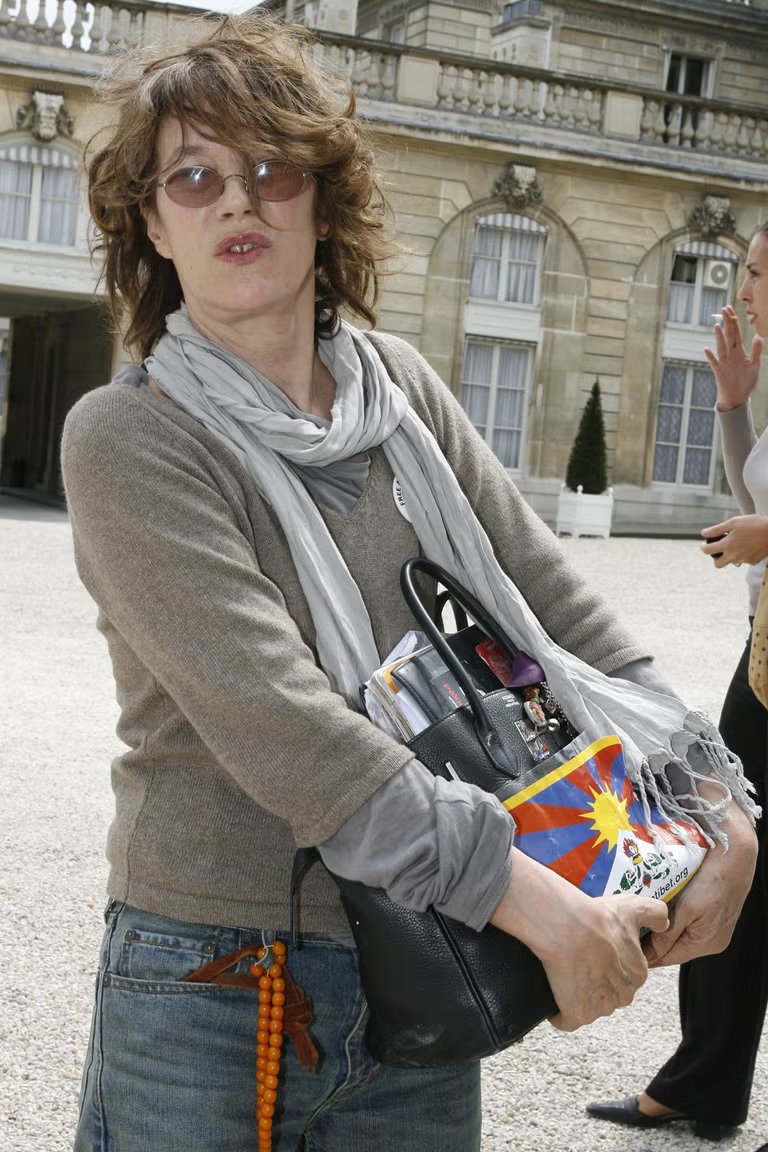
In 1983, British actress and singer Jane Birkin, who lived in Paris, found herself seated next to Hermès chief executive Jean-Louis Dumas on an Air France flight from Paris to London. As she put her overstuffed wicker basket in the overhead compartment, it spilled, and she complained that nice bags were never big enough to carry everything she needed. Dumas offered to make her one. She sketched her ideal bag right there on an airsickness bag, describing it as "bigger than the Kelly but smaller than Serge's suitcase," a reference to her partner Serge Gainsbourg. Hermès introduced the Birkin in 1984 and delivered her original, a black leather bag with her initials on the flap, in 1985. She used it hard, filling it with her belongings and covering it in stickers and charms, and it had personal touches the commercial version never got, such as a non-removable shoulder strap and an attached nail clipper. In 2015 she asked Hermès to take her name off the bag after a PETA report alleged cruelty at crocodile farms, and Hermès suspended work with the farms named. The bag's story came full circle in July 2025, when her original prototype sold at Sotheby's in Paris for 8.6 million euros, including fees, roughly $10.1 million in total. That made it the most expensive handbag ever sold at auction, far ahead of the previous record of about $513,000.
Sources: Elle Decor · Sotheby's · PBS News Hour · 29Secrets
Ray-Ban Aviator