October 3, 2026
The issue of October 3, 2026
Every question from this issue, with the answers, the hints and the reading behind them.
Play the October 3, 2026 issue
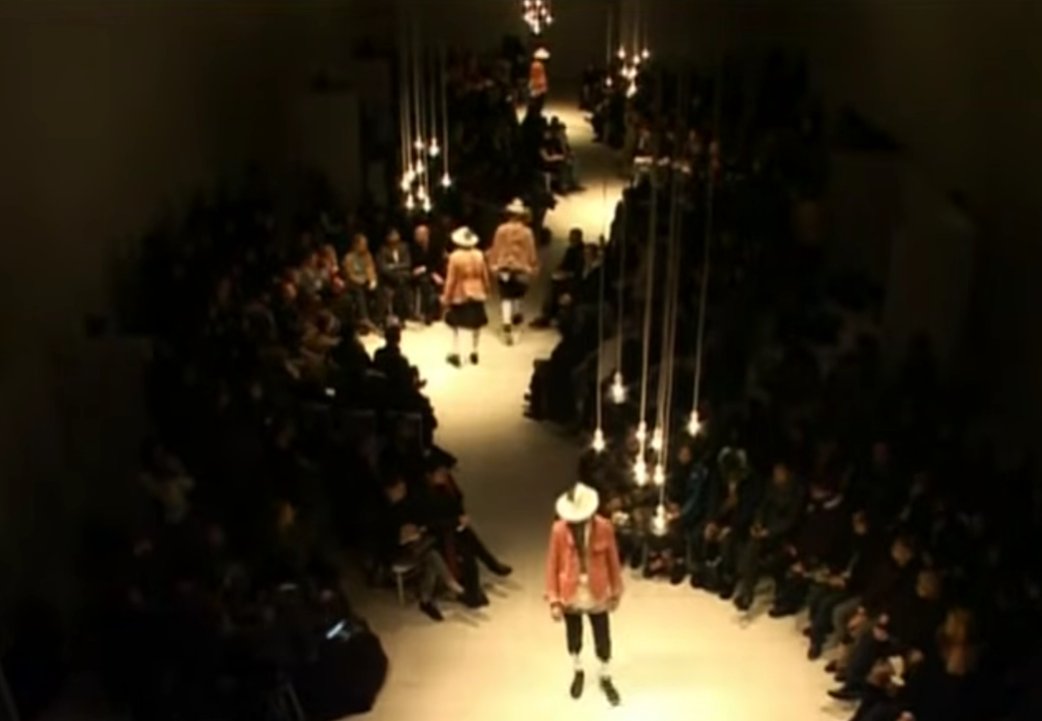
House: Number (N)ine · Designer: Takahiro Miyashita · Season: Fall/Winter 2009
Takahiro Miyashita founded Number (N)ine out of Tokyo's Ebisu district (two sources put this at 1997, one puts it at 1996, so I'd treat the exact year as slightly unsettled rather than pin it to one in a hard trivia fact). Miyashita had no formal fashion training; he dropped out of school at 16, spent his teens thrifting and customizing clothes in Harajuku and Shibuya, and cut his teeth working at Nepenthes under Keizo Shizumu before striking out on his own. The brand's name is a Beatles reference, pulled from "Revolution 9" off The White Album, where the phrase "number nine" repeats hypnotically; the "(N)" is a quiet dedication to Nepenthes. Across its run, Number (N)ine fused Americana, military surplus, and rock-and-roll (Miyashita was open about his Kurt Cobain fixation) into densely detailed menswear: deliberate bullet-hole distressing, music notes stitched into linings, and increasingly theatrical, narrative-driven collections like A/W05's "The High Streets" and A/W08's "My Own Private Portland."
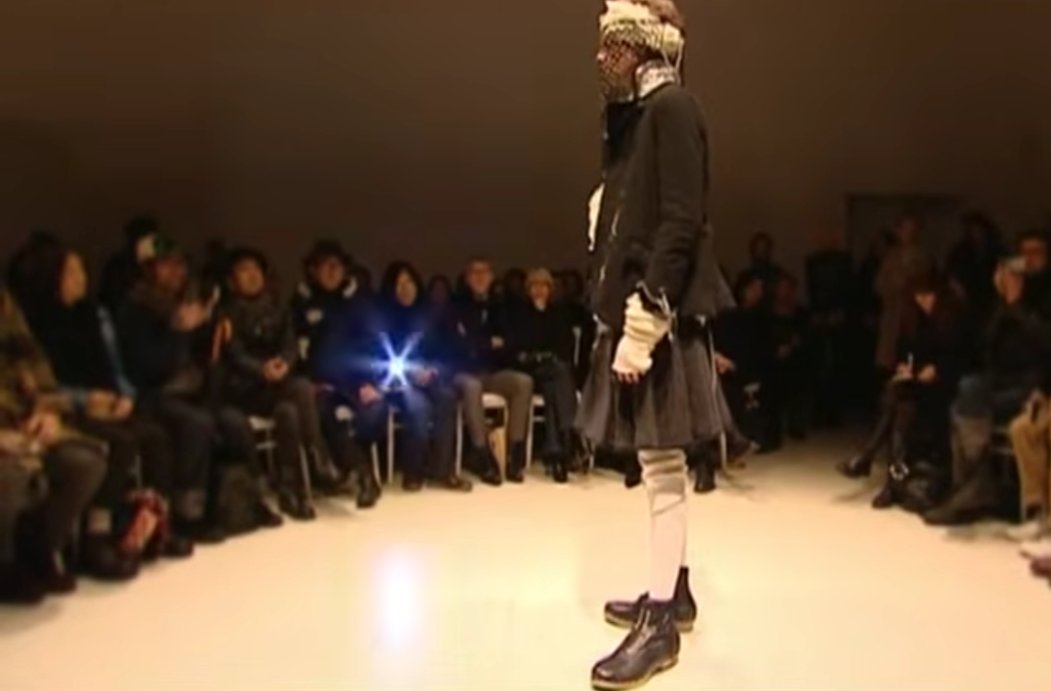
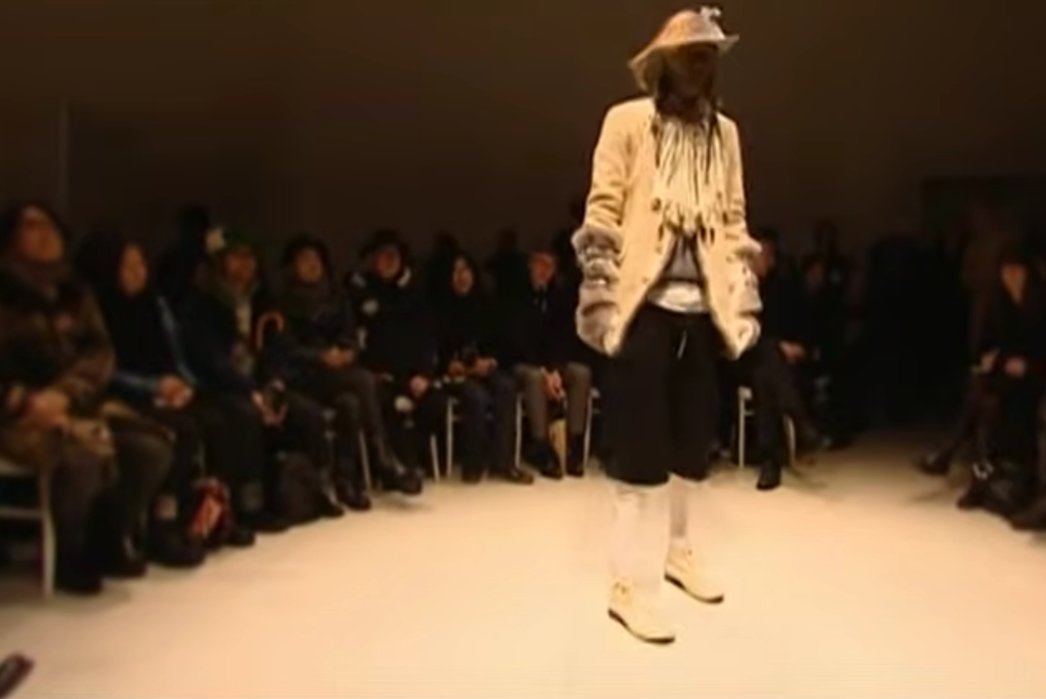
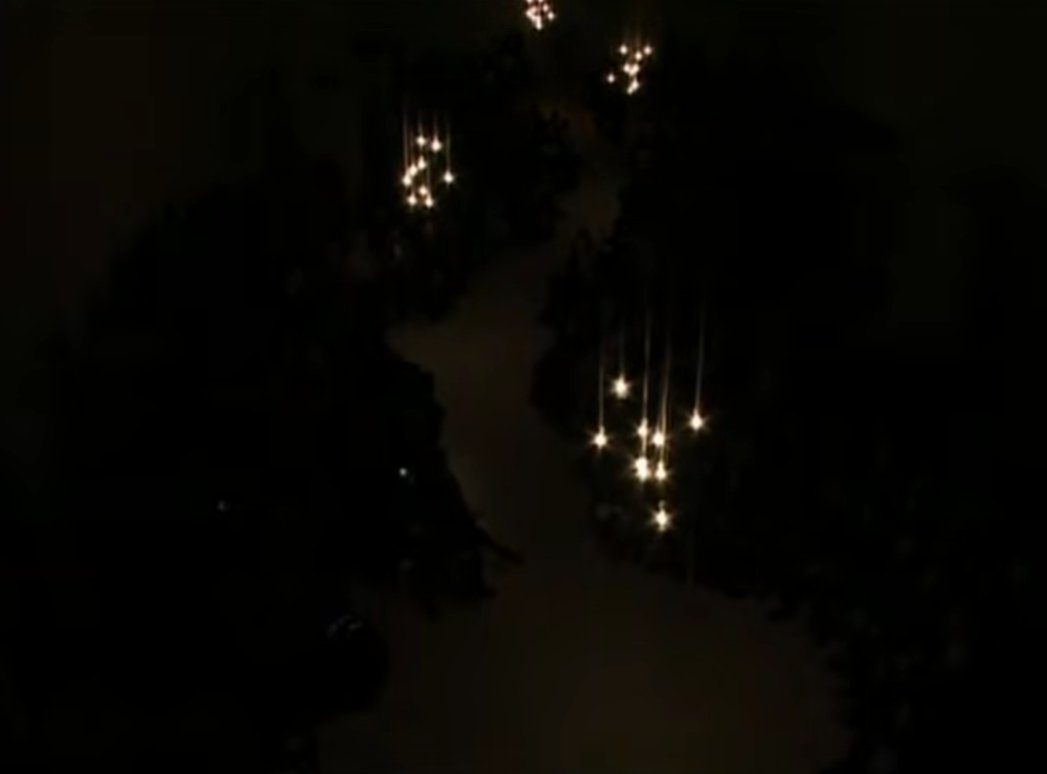
In February 2009, Number (N)ine announced it was shutting down after twelve years, closing with a formal statement built around the line "when you're finished changing, you're finished." The closing collection, "A Closed Feeling," played as a deliberate elegy: veiled models walked to a Beth Gibbons (Portishead) soundtrack in pirate-like jackets constructed from repurposed upholstery fabric, the kind of heavy, patterned, vinyl-slipcovered textures you'd associate with an older relative's furniture. The palette stayed dark and earthy, silhouettes were top-heavy with structured capes and cropped bottoms, and the overall mood read as isolation and withdrawal rather than celebration, paranoia and hiding dressed up as beauty.
Somber, emotional music reflected that mood. It felt like a funeral with the veils, each model we close in on, in the act of mourning, frozen as the warmth they felt towards their loved one is sapped into the casket, a parting gift to starve off the cold soil. Whether it was the intentional framing or a byproduct of watching a video based on a show from '09, at the edges there's a vignette effect where the crowd is blurred a little bit, and it reads like the POV of an attendee with soggy eyes. At the end of the show, the lights dim, and Number (N)ine is laid to rest. Really moving show!
That reading tracks with what was actually happening behind the scenes: this genuinely was Miyashita burying his own label in real time, and the show was built, consciously, as its wake. One source ties the collection's inspiration specifically to a period Miyashita spent isolated at a hotel in Alaska during a depressive stretch, referencing the room's furniture and decor directly in the garments; I only found that detail in one place, so I'd flag it as worth double-checking before treating it as settled fact. After the show, Miyashita reportedly spent a year away from the industry before relaunching under his own name as TAKAHIROMIYASHITA TheSoloist.
Sources: Grailed · Hypebeast · TRUSS Archive · Highsnobiety · Stray Souls · The Fashionisto
Answer: Mary Quant, André Courrèges, John Bates
Who actually invented the miniskirt is one of fashion history's most disputed questions, and the honest answer is that no single person gets a clean, unanimous claim. I tried my best to get as full a story as possible though.
Mary Quant opened her boutique, Bazaar, on London's King's Road in 1955 with her husband Alexander Plunket-Greene and business partner Archie McNair. She became known for bold, unconventional window displays and for hemlines that crept higher than almost anyone else's on the British high street. Quant herself was notably humble about the "inventor" title, often crediting her own customers for asking for shorter skirts rather than claiming she'd created the look herself. What's undisputed is her impact: by mass-producing affordable versions in wool jersey, she made the mini wearable for everyday women rather than just the fashion elite, work that earned her an OBE in 1966.
Meanwhile in Paris, André Courrèges, who had trained under Balenciaga before striking out on his own, showed a stark, geometric "Space Age" couture collection in April 1964 that featured strikingly short skirts, flat patent-leather boots, and slitted sunglasses. The collection developed independently of what Quant was doing in London, and it brought Courrèges sudden international press attention from the heights of elite French fashion. For years, he maintained that he, not Quant, deserved credit as the miniskirt's true originator.
A third name complicates things further. British designer John Bates founded his own label, Jean Varon, in 1959 and faced real resistance from retailers over his short hemlines early on. He broke through in 1965 when he designed Diana Rigg's costumes as Emma Peel on "The Avengers," a moment significant enough that the Fashion Museum Bath later named one of his pieces its Dress of the Year. Bates stated plainly that he, not Quant or Courrèges, was the true originator of the miniskirt.
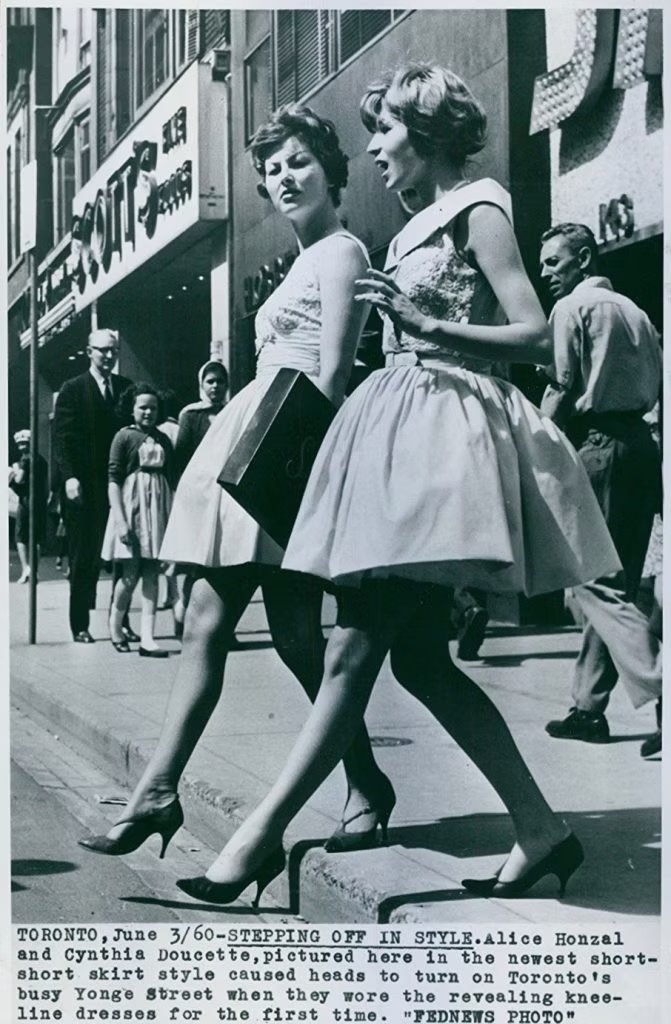
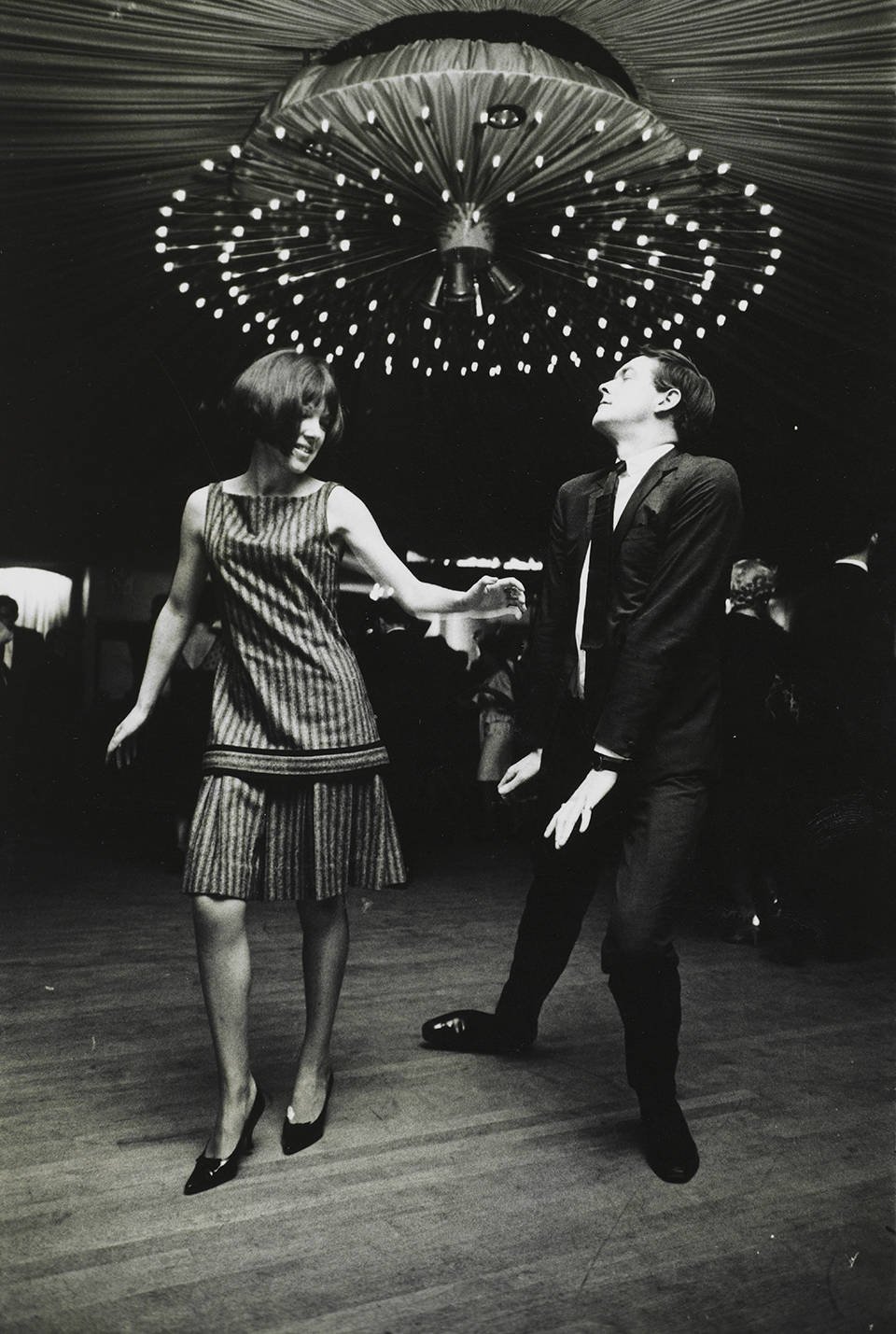
Even these three don't settle the question. Some fashion historians point even further back, to a June 1960 photograph of models in above-the-knee skirts in Canada and a London department store manager who was reportedly experimenting with short hemlines on window mannequins that same year, an attempt that didn't catch on at the time. A separate, dance-craze-driven trend called the "Ya-Ya skirt" emerged around 1962, years before Quant, Courrèges, or Bates became household names for the look. So while Quant, Courrèges, and Bates are the three names most commonly credited today, each with a real and documented claim, the true origin of the miniskirt may belong to designers whose names never made it into the history books at all.
Sources: Fashion History Museum · V&A · Fashion Network · ASU FIDM Museum · London Museum
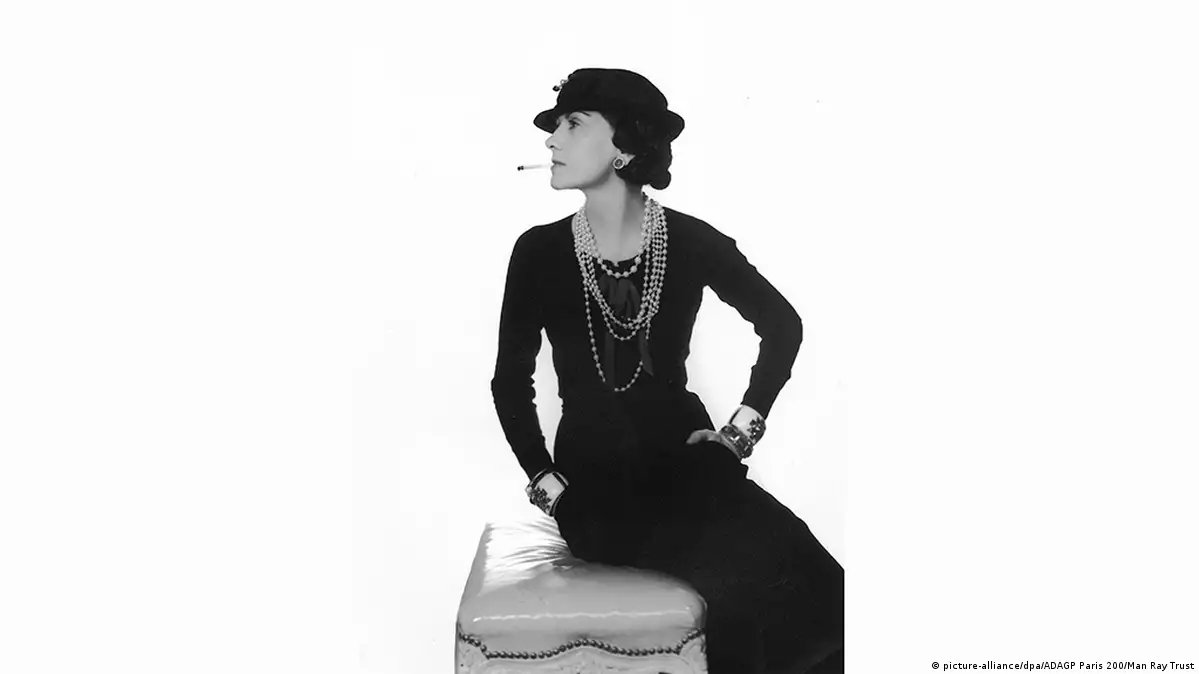
Answer: 1926 Year
In 1926, Coco Chanel published a picture of a short, simple black dress in American Vogue, and the magazine dubbed it "Chanel's Ford." The comparison was a compliment: just as Henry Ford's Model T was designed to be simple, functional, and accessible to the masses rather than a luxury reserved for the wealthy, Vogue was framing Chanel's little black dress the same way, as a design so pared-down and versatile that it could be worn by women across social classes rather than only high society.
The timing mattered. This was the height of the Jazz Age, a period of flapper culture, cropped hair, and newly won voting rights reshaping women's lives in the years just after World War I, with the rigid, corseted silhouettes of the previous generation falling out of favor in exchange for looser, more liberated clothing. Black itself was a surprising choice for the moment: it had long been associated primarily with mourning wear, so turning it into an everyday, fashionable staple was a real departure. Nearly a century later, "Chanel's Ford" remains one of the most quoted lines in fashion journalism, and the little black dress it described is still considered a wardrobe essential.
Sources: V&A · 29Secrets · The Metropolitan Museum of Art · Glamour Daze
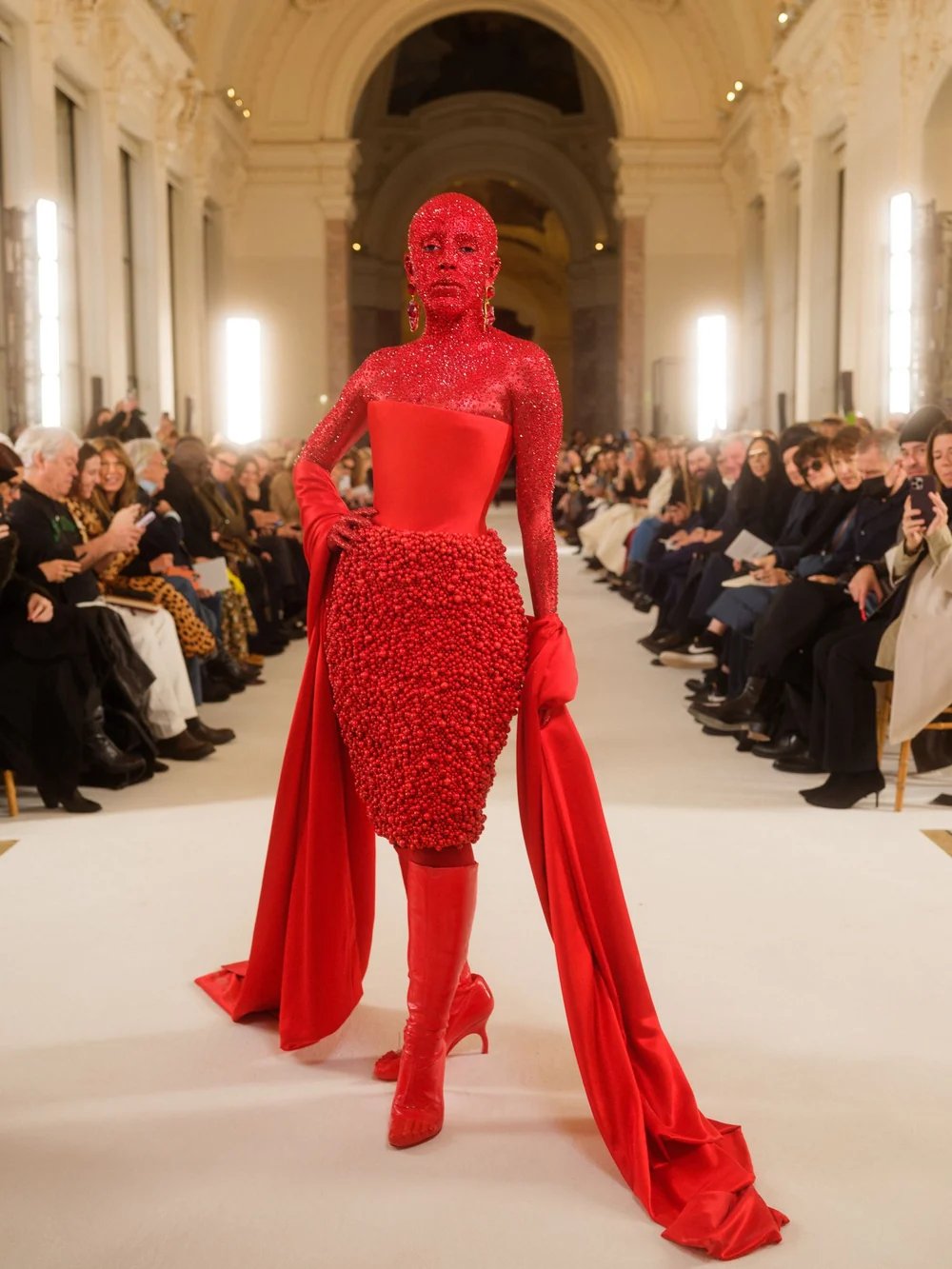
Answer: 30,000
At Schiaparelli's Spring/Summer 2023 Haute Couture show in Paris in January 2023, Doja Cat arrived on the front row completely transformed. Makeup artist Pat McGrath and her team started with a custom red body and face paint base, added a layer of red glitter across her head, arms, and chest, and then hand-applied roughly 30,000 Swarovski crystals across her entire body, a process that took just under five hours to complete, the same artist behind Julia Fox's viral raccoon-eye makeup at this same venue the year before. McGrath titled the look "Doja's Inferno," tying it to the Dante-inspired theme running through the show, while Doja Cat herself wore a custom silk bustier and knee-length skirt from the runway, designed by creative director Daniel Roseberry and accented with red lacquered wooden beads, finished off with oversized red earrings, a long shawl, and knee-high boots. Doja Cat later revealed she was actually feeling unwell during the hours-long application process, even as the moment went viral almost instantly and became one of the most talked-about fashion images of the year.
Sources: Schiaparelli · Fashionista · Grazia
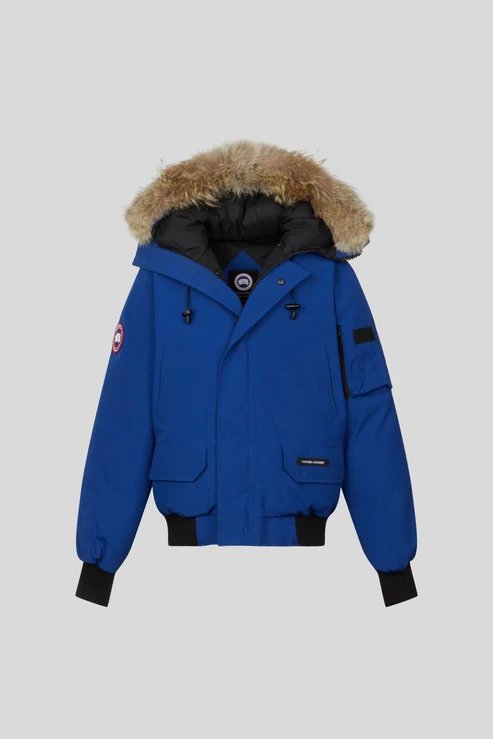
Canada Goose 'Chilliwack Bomber'. When I was in high school, everyone was obsessed with these for some reason; the ultimate status symbol. These and the Marmot jackets.