
October 2, 2026
The issue of October 2, 2026
Every question from this issue, with the answers, the hints and the reading behind them.
Play the October 2, 2026 issue
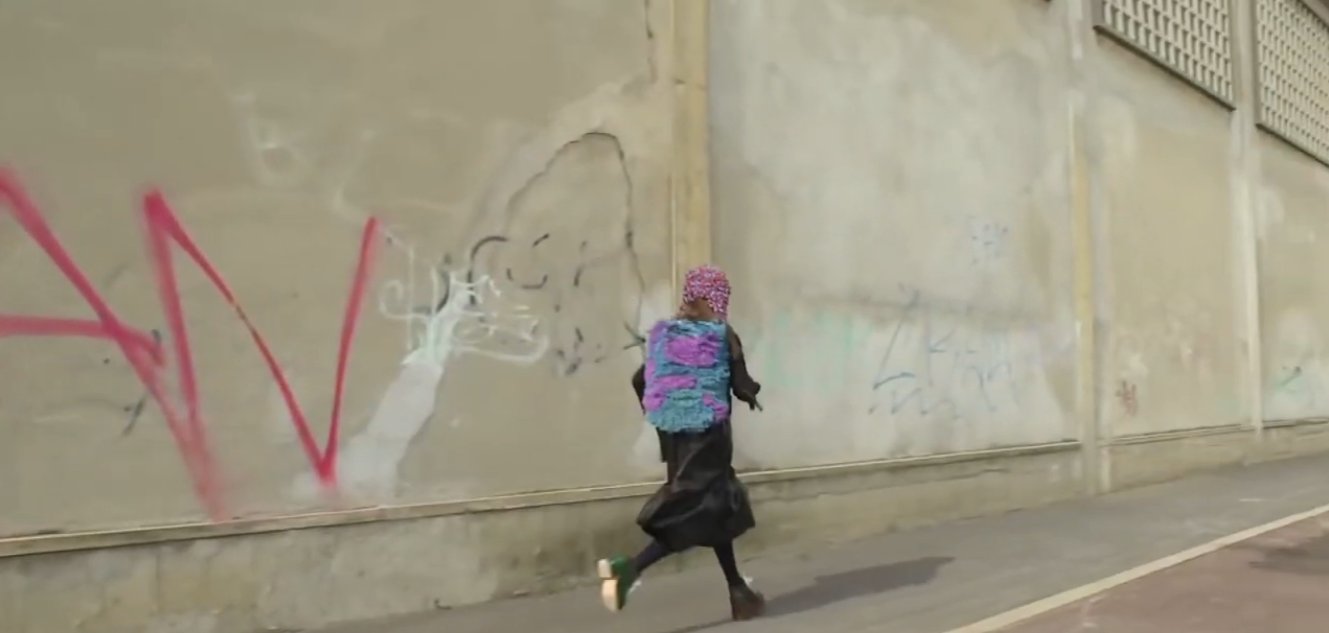
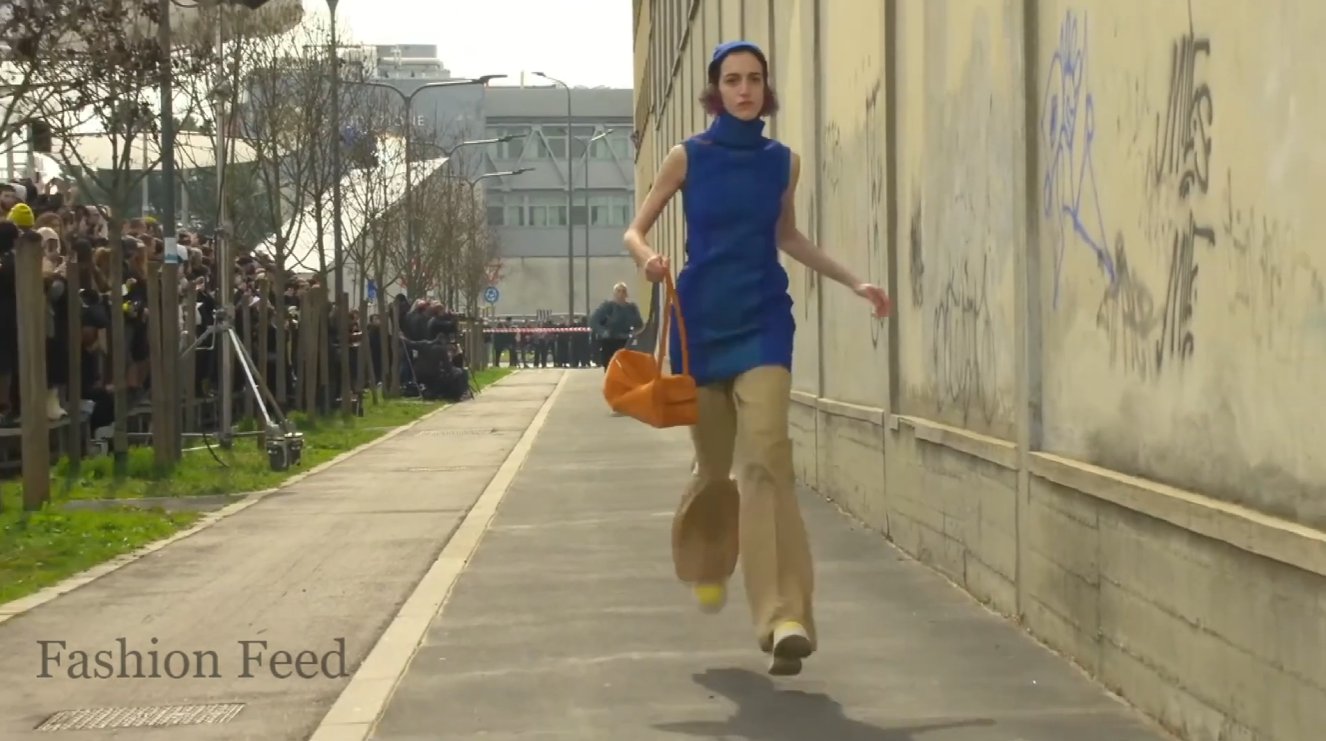
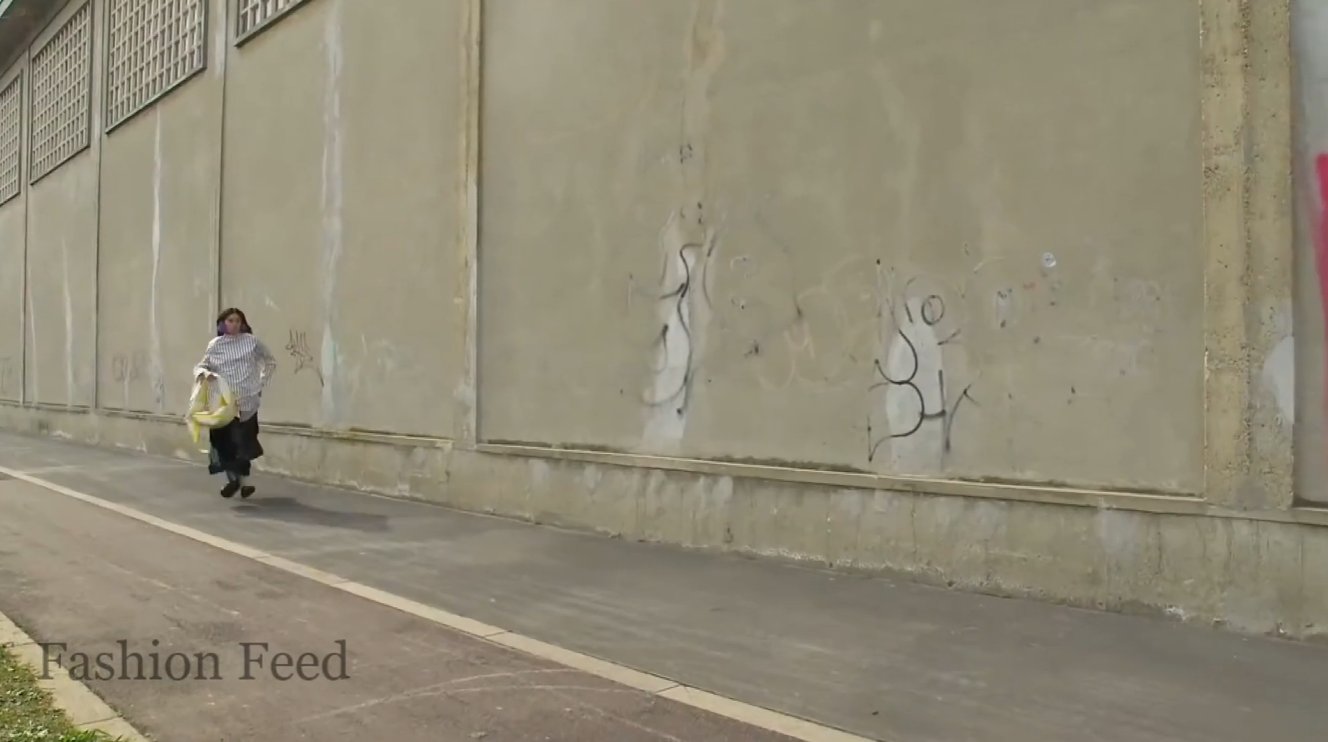
House: Sunnei · Designer: Loris Messina & Simone Rizzo · Season: Fall/Winter 2022-23
Sunnei was founded by Loris Messina and Simone Rizzo, who conceived the label in late 2013 on a train ride to Berlin, with the brand officially launching around 2014/2015 out of Milan. The name comes from Stevie Wonder's 1968 song "Sunny," which also shaped the label's early, offbeat aesthetic. Sunnei built its identity on contemporary, 1970s-rooted Italian tailoring (oversized blazers, bombers, denim) made with quality fabrics, deliberately avoiding seasonal shock value in favor of wearability, and it picked up early traction through a placement at Opening Ceremony that brought in investor backing.
For Fall/Winter 2022-23, Messina and Rizzo ditched the traditional catwalk entirely. They closed off Via Condino, an industrial street south of Milan, at dawn, and had the models sprint roughly 100 meters down the pavement in front of guests seated on bleachers rather than walk a runway. Each model embodied a different "runner" archetype, from the "super-fit speed freak" to visibly anxious runners struggling against platform soles and heavy backpacks, all flying past the audience with hair blowing in the wind. The clothes themselves leaned into the motion: body-hugging ultra-stretch suiting, oversized trouser-skirts, biker leggings, denim sets, plush-effect trousers, bouclé wool gilet-ponchos, colorful headbands, silicone studs borrowed from their sneaker line, scented-rubber handbags, and glittery platform "running shoes." Beyond the spectacle, Messina and Rizzo framed the show as a statement about collective burnout: they were calling out the fashion industry's post-pandemic promises to "slow down" that never materialized, using the literal act of running to dramatize the anxious, frenetic pace everyone had snapped right back into.
As Major Payne would say: "If you're on time, you're late." There is always forward pressure to move, whether out of fitness, or survival. Whether you're escaping something or chasing something down. Whether the items you stole break out of your bag with every step as security hunts you, or your privacy erodes with every stride as the flashing lights attempt to pacify you. The designers' own split cast of archetypes basically dramatizes both sides of that at once: the speed freak chasing and the overloaded runner fleeing, often in the same ten seconds of footage. It kind of reminds me of Futurism, the artistic movement, always prioritizing moving forward and never backward, rejecting the past, burning the museums, going headfirst into a wall and heart first into a sword. Sunnei's forward-only sprint down a closed street reads like a runway staged entirely on that premise, no backward glance, no standing still. There is not enough stamina on Earth to stop time; the world spins and rotates at its own pace, maintaining. Is the exertion worth it? Fun show!

Sources: WWD · Fashion Network · Grailed · Highestsnobiety · Fashionista
Answer: Kansai Yamamoto
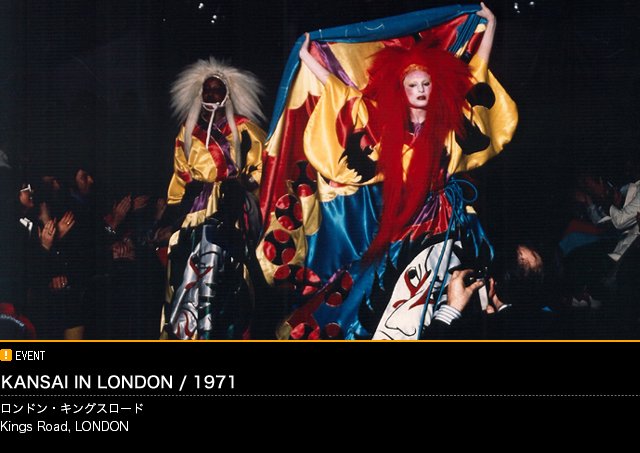
Kansai Yamamoto held his first major London show in 1971, becoming the first Japanese designer to show there, years ahead of Issey Miyake, Yohji Yamamoto, or Rei Kawakubo's own international breakthroughs. His bold, theatrical jumpsuits and capes got him onto the cover of Harper's & Queen almost immediately, and that cover is reportedly what caught David Bowie's attention. Bowie commissioned him directly for the 1972 Ziggy Stardust tour and later the Aladdin Sane tour, resulting in some of the most recognizable costumes in rock history, including the black-and-white "Tokyo Pop" jumpsuit and the "Space Samurai" look, both built on Yamamoto's gender-blurring, kabuki-influenced design language.
Sources: Kansai Inc. · Departures · Kansai Yamamoto Wikipedia
Answer: Polyester
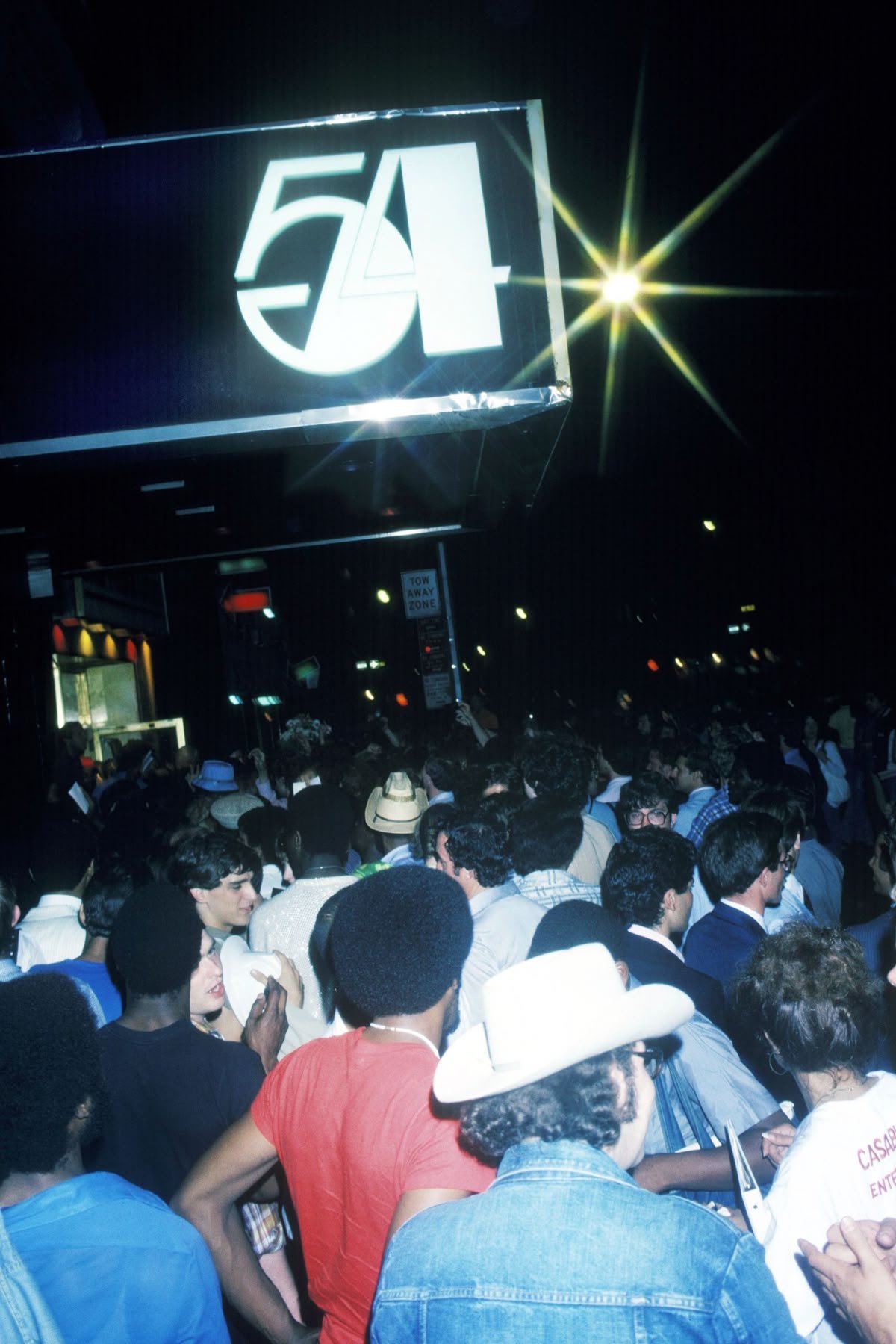
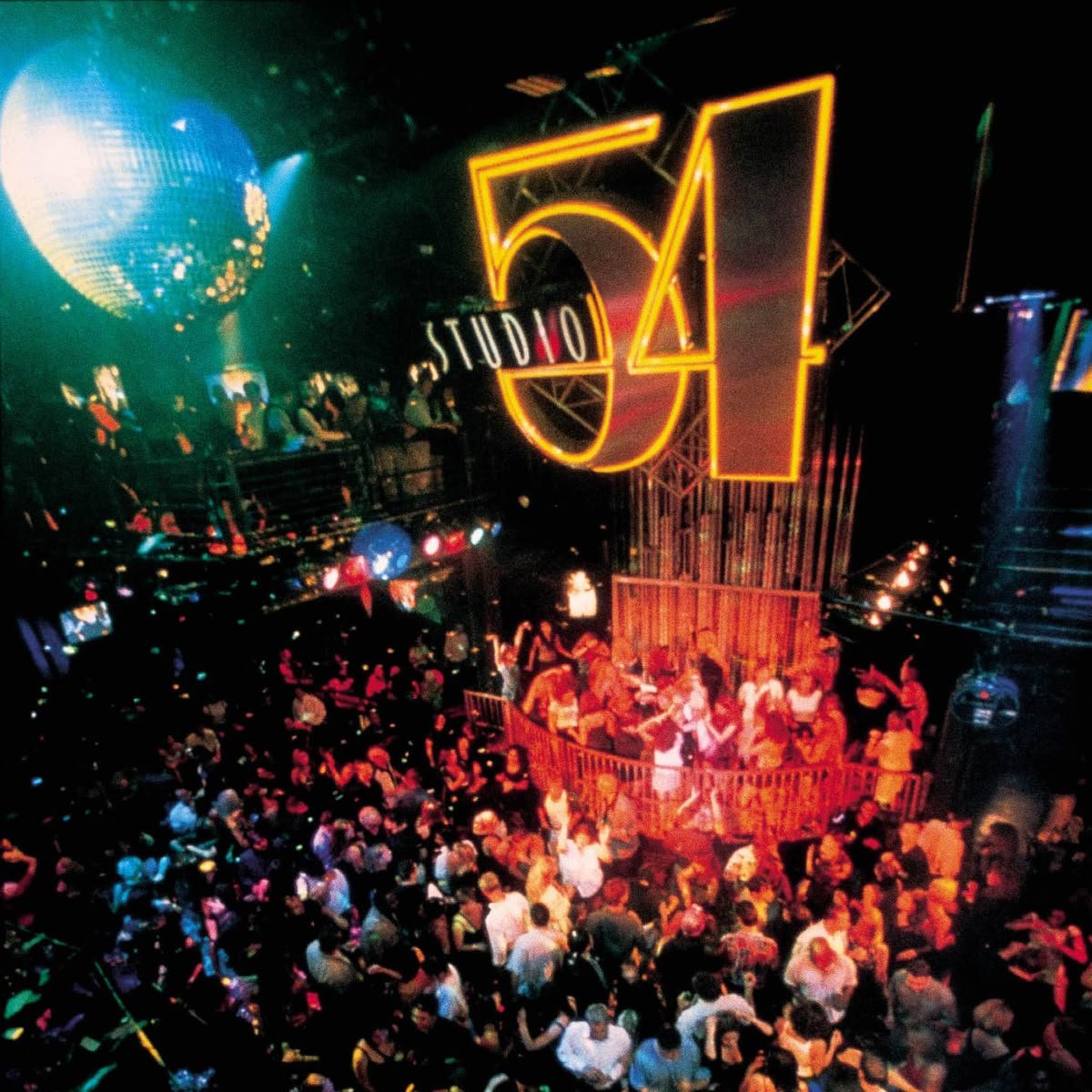
Studio 54's door policy, run by co-founder Steve Rubell, was famously inconsistent and based more on gut instinct about the crowd's energy than any written dress code. But one rule held firm for practical reasons rather than style ones: polyester was reportedly turned away at the door because it would visibly melt under the club's extremely hot stage lighting rigs. That made for a genuinely awkward contradiction, since polyester was one of the most common fabrics in 1970s disco fashion, meaning plenty of people showed up in exactly the wrong material for the era's most famous disco club. The club itself only operated for about 33 months, opening April 26, 1977, and shutting down in early 1980 after owners Steve Rubell and Ian Schrager were convicted of tax evasion for skimming an estimated $2.5 million, as much as 60% of the club's total receipts. Despite that short run, it remains the most referenced club in fashion history, largely because of its deep ties to designer Halston (Roy Halston Frowick), who dressed much of the club's regular crowd and became visually synonymous with its whole era.
Sources: Stylist · Studio 54 Wikipedia
Answer: Playboy Bunny costume
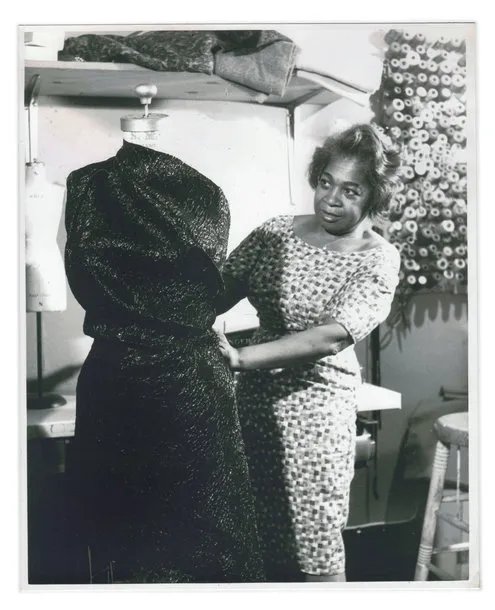
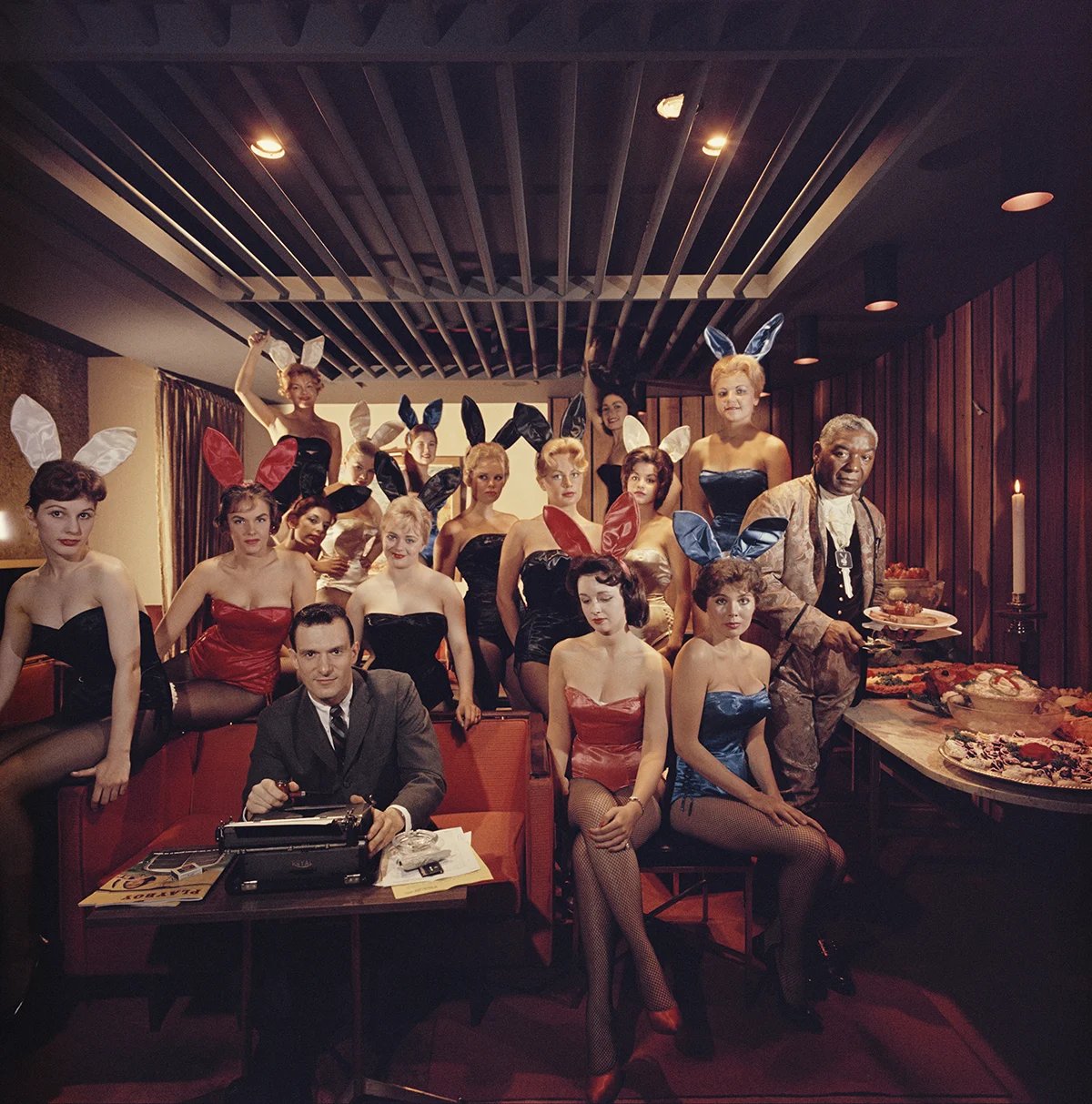
Zelda Wynn Valdes (1901–2001) built one of the more quietly influential careers in 20th-century American fashion. She trained on piano as a girl but learned to sew in her family's tailoring shop, which led to her becoming the first African American saleswoman and tailor at a high-end Manhattan boutique. She opened her own shop in White Plains in 1935, then in 1948 opened "Zelda Wynn" on Broadway, often described as the first Black-owned business on that street. Her client list a galaxy of stars: Dorothy Dandridge, Mae West, Eartha Kitt, Marlene Dietrich, and Josephine Baker all wore her designs, and Ella Fitzgerald famously needed four gowns made in five days ahead of a 1955 Hollywood engagement. In 1949 she also co-founded the National Association of Fashion and Accessory Designers, one of the first trade organizations for Black designers. In the early 1960s, Hugh Hefner brought her in to create the costume that would define the Playboy Club brand, and in 1963 she became the first designer to stage a fashion show inside a Playboy Club, a series billed as "Zelda at the Playboy." Starting in 1969 or 1970 (sources differ on the exact year), Arthur Mitchell hired her as principal costumer for his newly founded Dance Theatre of Harlem, a role she held for roughly three decades, working on 82 ballet productions across 22 countries until her death in 2001.
Sources: Met Museum · Huffpost · History Hit · Yahoo · New York Times
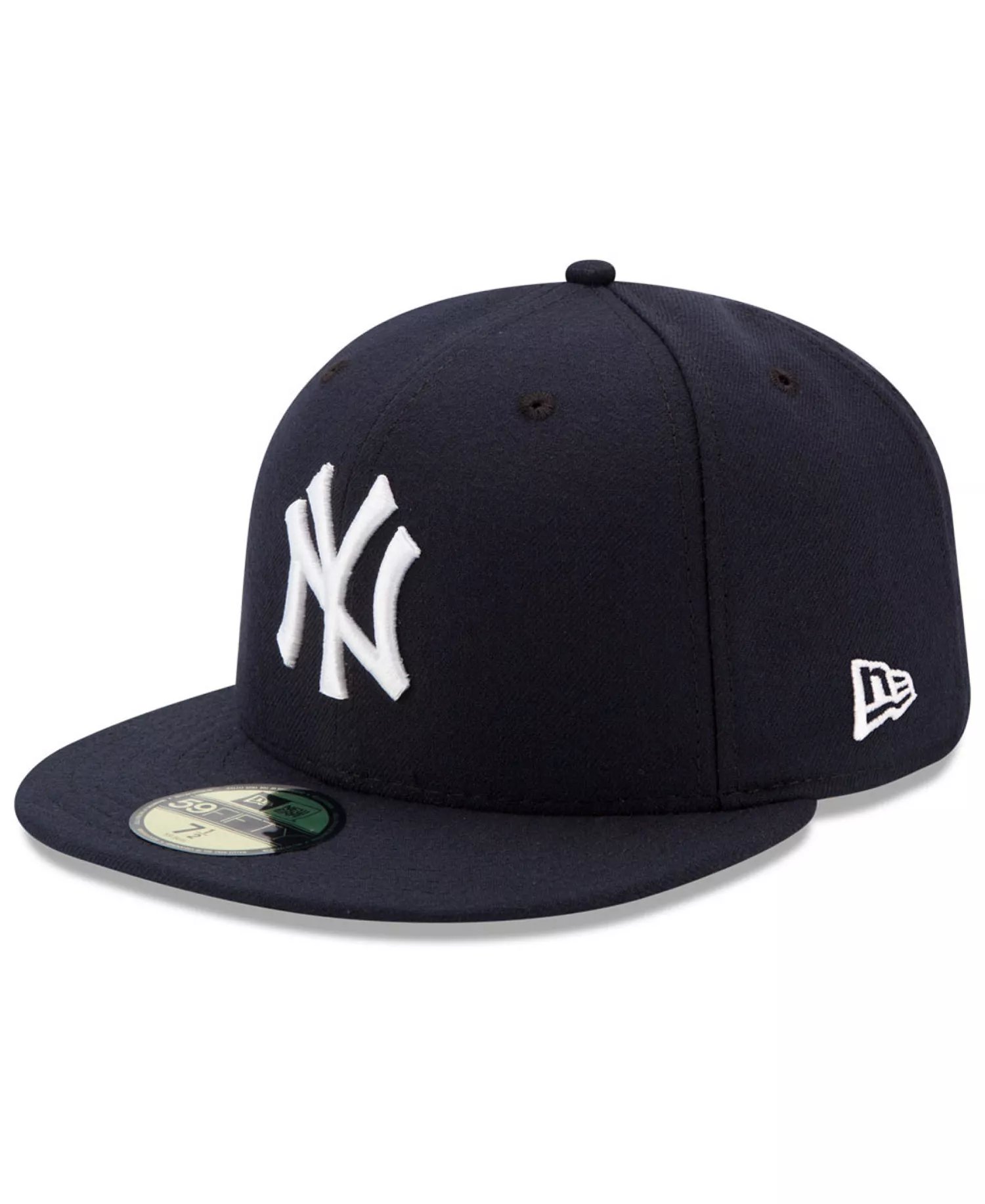
New Era New York Yankees Fitted