The issue of September 30, 2026
John Galliano Spring/Summer 2008
Every question from this issue, with the answers, the hints and the reading behind them.
Play the September 30, 2026 issue
Round one — the runway
John Galliano · Spring/Summer 2008
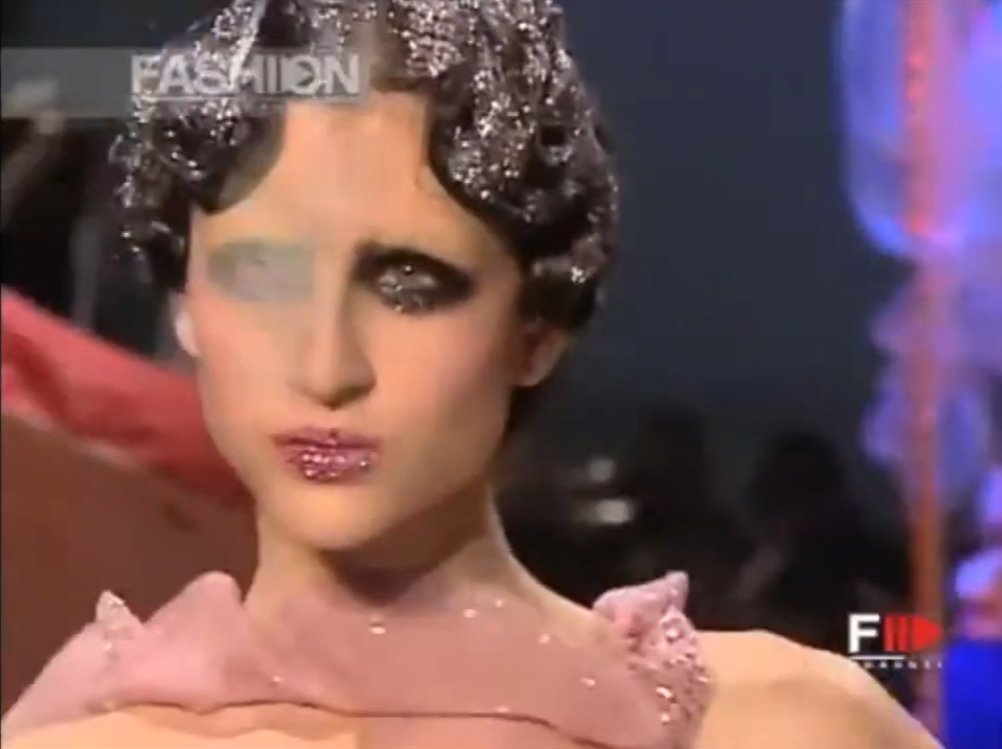
House: John Galliano · Designer: John Galliano · Season: Spring/Summer 2008
For Spring 2008, Galliano built his runway narrative around Grey Gardens, the 1975 Maysles brothers documentary about "Big Edie" and "Little Edie" Beale, the reclusive, cat-obsessed aunt and cousin of Jacqueline Bouvier Kennedy Onassis, who lived in genteel decay inside their crumbling East Hampton mansion. Per Vogue's Sarah Mower, the collection moved from twenties-style baby-star tiered dresses, picture hats, and flounced jackets into "demented Little Edie head-swathed cardigan looks," finished with a fur-sprouting "chubby" jacket nodding to the cats that overran the real Beale house. Mower was lukewarm on the concept itself, calling Grey Gardens as a fashion reference "one of the most hackneyed" of the era, even while praising Galliano's bias-cut and chiffon technique. Contemporary viewers on fashion forums read the collection differently in the moment though; several, watching it live in October 2007, described it simply as "a carnival" for its color and flounce, before the Grey Gardens framing became the dominant retrospective read.
I thought this collection was something straight out of American Horror Story, or even Goosebumps! Between the clumsy music and the oppressive spots of red light, I thought it was delightfully unsettling at times. My reading perhaps isn't too far off from the source material; two women isolated with dozens of cats (I love cats) in a decaying mansion (we are in the midst of a housing crisis), alienated from the world (not the worst thing, all things considered), is exactly the kind of gothic Americana that Galliano's thrives in, even if in this case the execution leaned toward vintage glamour rather than horror.
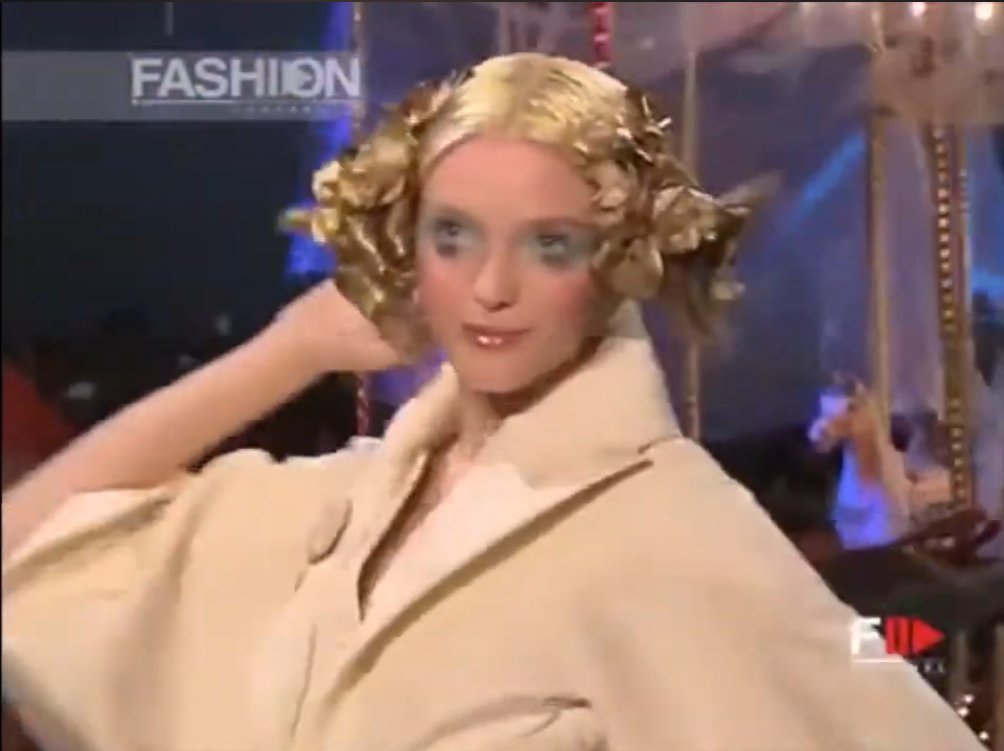
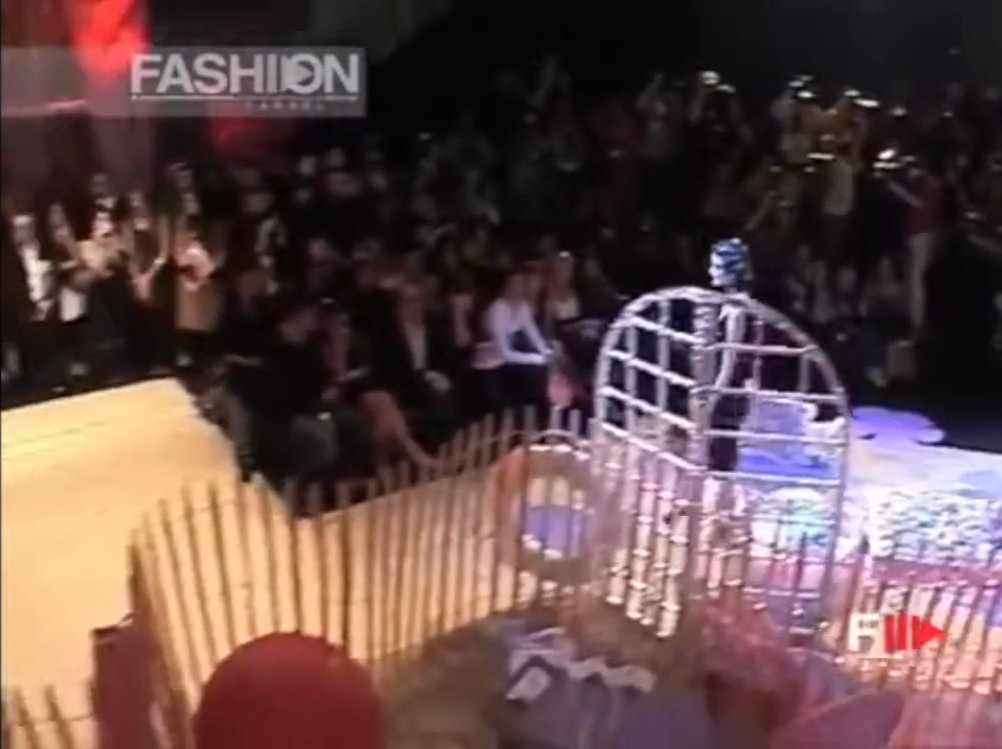
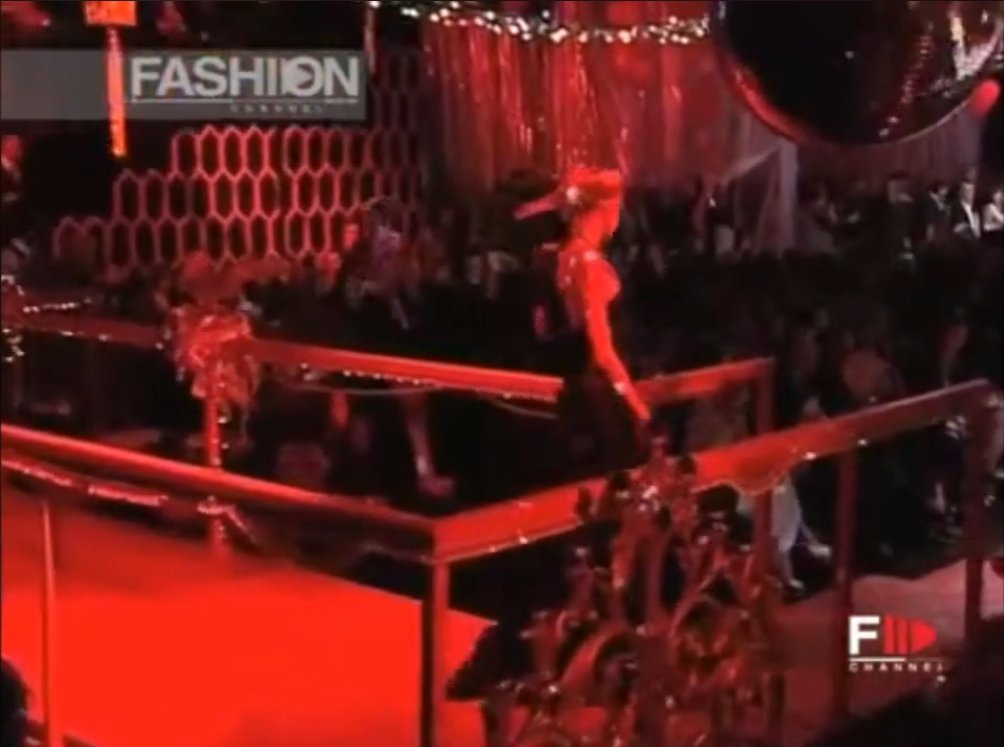
Sources: Vogue. · The Fashion Spot
The questions
Which legendary designer famously invented and popularized the "wrap dress" in 1974?
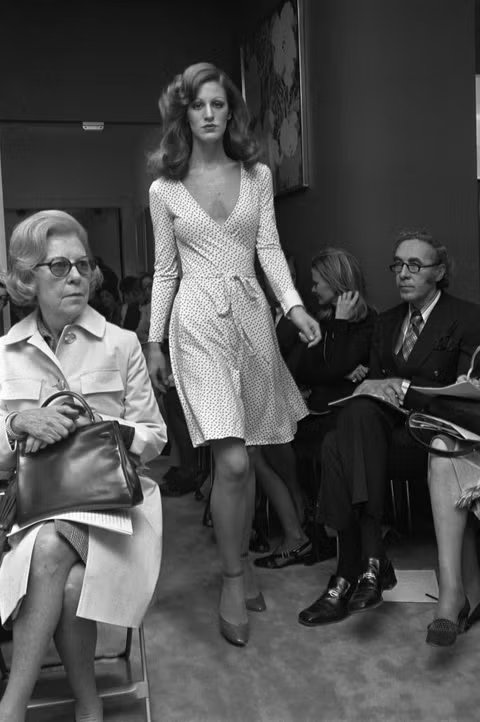
Answer: Diane von Furstenberg
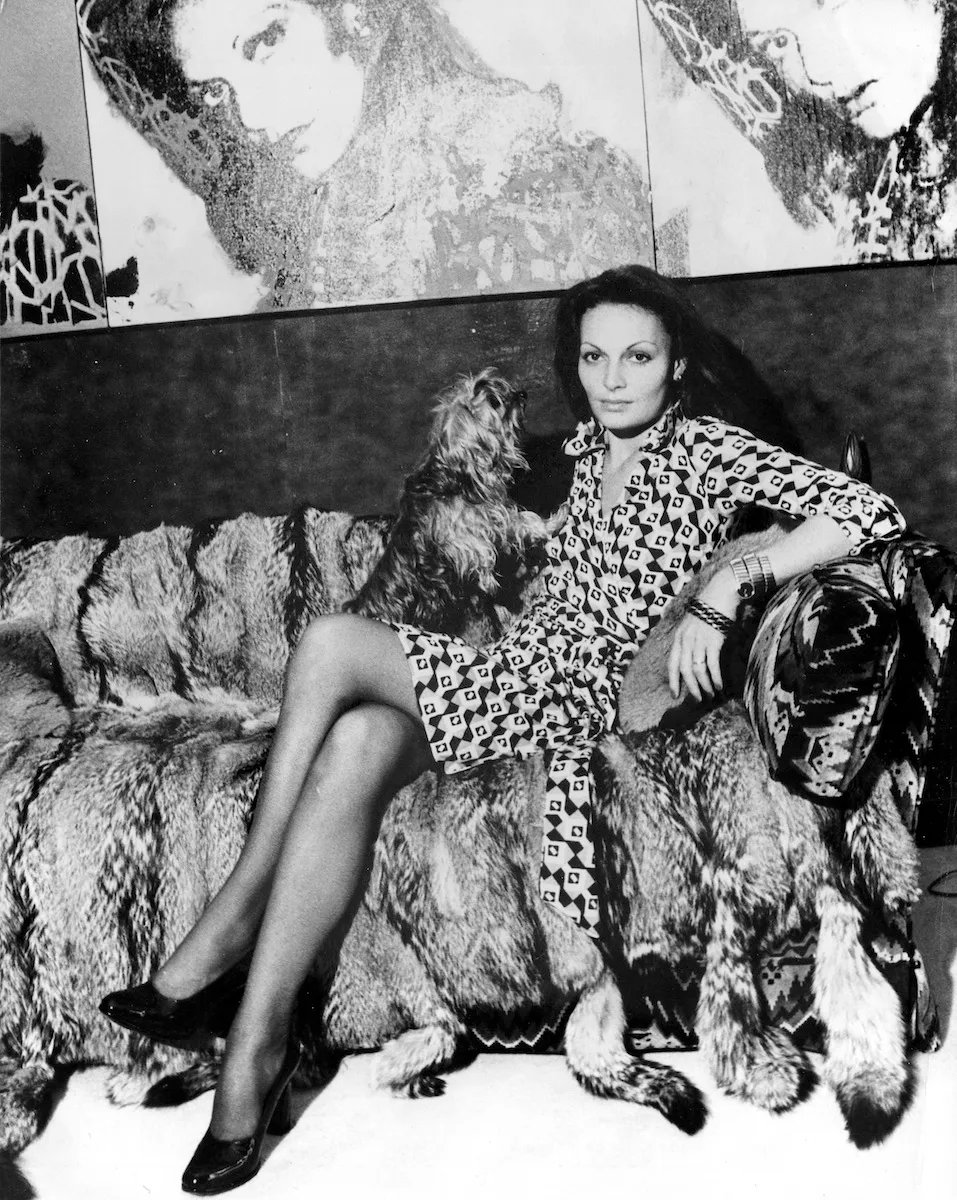
Diane von Furstenberg introduced the iconic jersey wrap dress in 1974. Originally inspired by ballerina tops, her true "eureka" moment occurred after seeing Julie Nixon Eisenhower on television wearing a DVF wrap blouse paired with a skirt. This prompted the designer to merge the two pieces into a single, seamless garment.
Crafted from stretchy, wrinkle-resistant jersey knit, the dress modernized the American sportswear tradition. It was incredibly versatile and flattering, allowing women to easily transition from the corporate office during the day to glamorous events at night. Arriving at the height of the 1970s women's liberation movement, the dress became a powerful symbol of independence and practical elegance for the modern working woman.
The design was a massive commercial phenomenon. Within just a couple of years, she had sold over a million dresses. The overwhelming success landed her on the cover of Newsweek in 1976, which famously declared her the most marketable woman in fashion since Coco Chanel.
The hints
- This designer famously married into a German princely house in 1969, but was determined to not just be a socialite. She wanted to be financially independent, famously stating, "The minute I knew I was about to be Egon's wife, I decided to have a career."
- While Donna Karan also revolutionized the wardrobe of the modern working woman with her famous "Seven Easy Pieces" collection, that didn't happen until the 1980s. The designer you are looking for dominated the 1970s.
- Beyond the revolutionary silhouette of the dress itself, this designer's eponymous label is famous for utilizing bold, colorful geometric and animal prints on their signature jersey knit fabric.
- Today, both this Belgian-born designer and her global luxury brand are most commonly referred to by her famous three-letter monogram: DVF.
Sources: Town and Country Magazine · CBS News · The MET · The Guardian
Yves Saint Laurent stepped down from designing the Rive Gauche ready-to-wear collection in 1998 (though he stayed on for haute couture until 2002). Put the following designers in chronological order based on when they took over as Creative Director of the brand, starting with the earliest (1998) to the most recent.
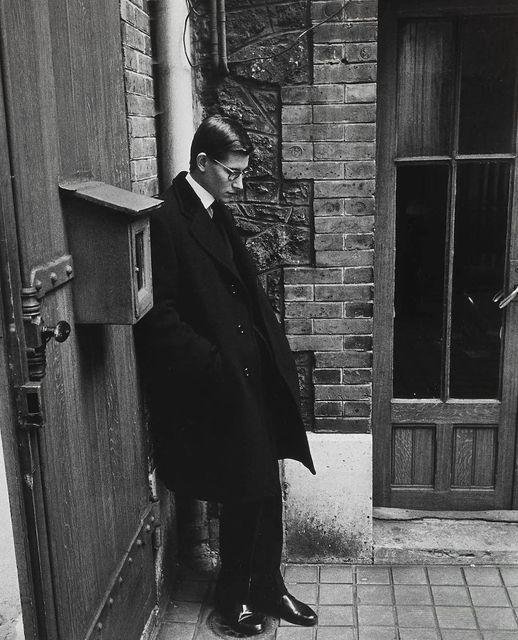
Answer: Alber Elbaz (1998–2000) → Tom Ford (2000–2004) → Stefano Pilati (2004–2012) → Hedi Slimane (2012–2016) → Anthony Vaccarello (2016–2026)
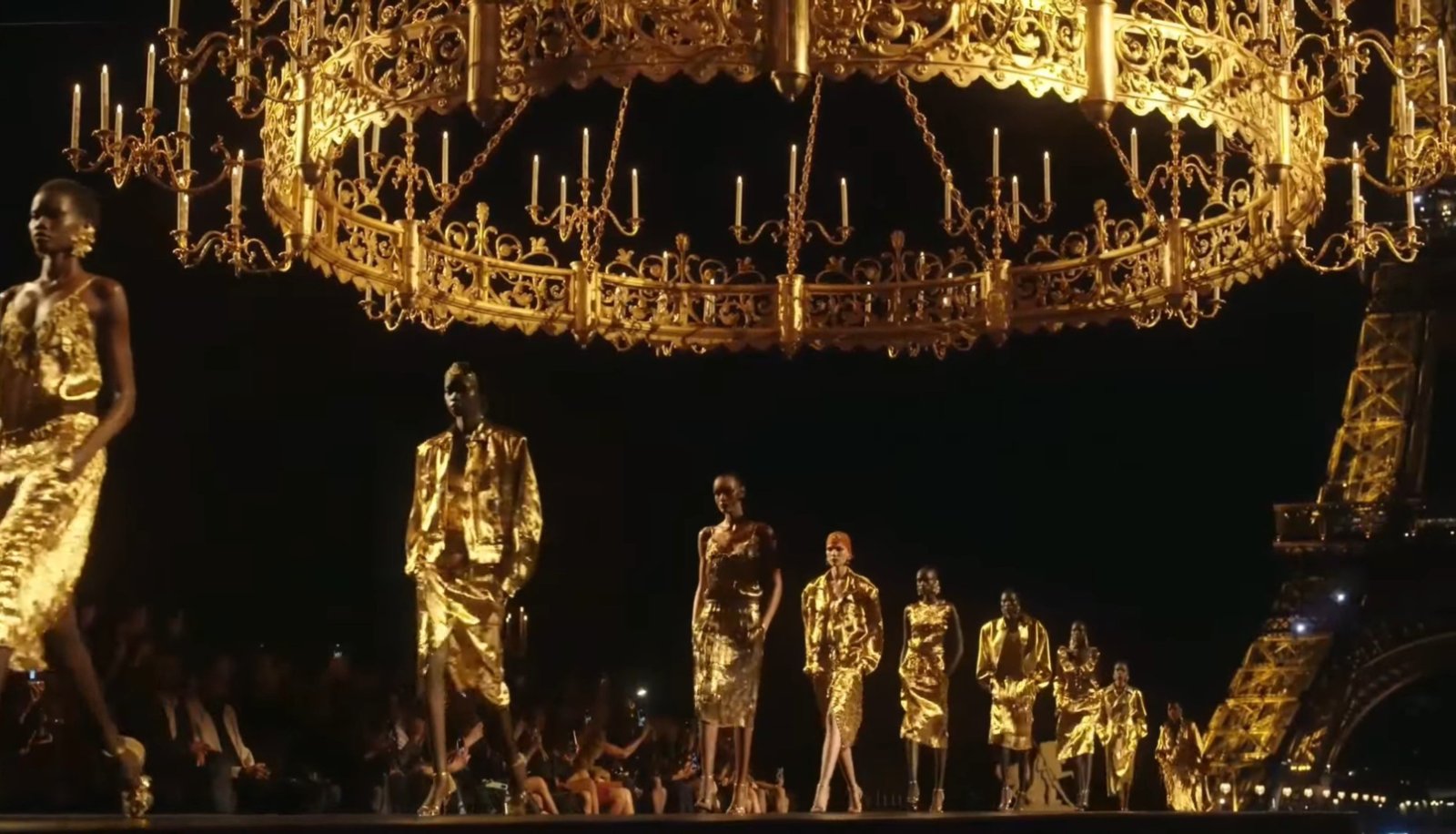
Tracing the lineage of Yves Saint Laurent and its Creative Directors is an exercise in corporate intrigue, controversial rebrands, and, of course, beautiful collections. and. It began when Yves himself handpicked Alber Elbaz to succeed him on ready-to-wear in 1998, only for Elbaz to be ousted after just a few seasons once the Gucci Group acquired the house and installed its own heir to the throne, Tom Ford, in 2000. When Ford exited in 2004, Stefano Pilati took over, softening the house's harder edges for nearly a decade before Hedi Slimane arrived in 2012 and made the era-defining, controversial decision to drop "Yves" from the ready-to-wear branding entirely, rebranding the line simply as Saint Laurent. Anthony Vaccarello took the reins in 2016, and yesterday, September 29, 2026, he marked exactly ten years at the house with a Spring/Summer 2027 show staged outdoors at the Trocadero fountain, the Eiffel Tower glittering gold in the background to match a collection of gold-embroidered dresses, brocade skirts, and gold trench coats. Charlotte Gainsbourg performed a song in a classic Saint Laurent black suit before Vaccarello himself came out to applause, smiling and waving to a front row that included Rosé of Blackpink, Rosie Huntington-Whiteley, Eddie Redmayne, and Rami Malek. No official word has come from the house itself, but persistent reports across the industry suggest this emotional, career-spanning show may have been his last as creative director. It was beautiful!
The hints
- After Yves stepped back from ready-to-wear in 1998, he personally handpicked Alber Elbaz to take over, though Elbaz was ousted just a few seasons later.
- When the Gucci Group acquired YSL around 2000, they immediately fired the previous designer and installed their own American superstar, Tom Ford, to lead the house.
- Before the current era, Hedi Slimane took the reins in 2012 and notoriously dropped the "Yves" from the ready-to-wear branding, renaming the storefronts Saint Laurent Paris.
- The most recent designer on this list is Anthony Vaccarello, who actually just presented his 10-year anniversary collection in Paris today (September 29, 2026)!
Sources: Fashionista · Reuters / KFGO · Puck News
Richard Avedon's 1955 photograph 'Dovima with Elephants' was shot on assignment for Harper's Bazaar at a circus in Paris. What Parisian fashion house's gown was Dovima wearing in the image?
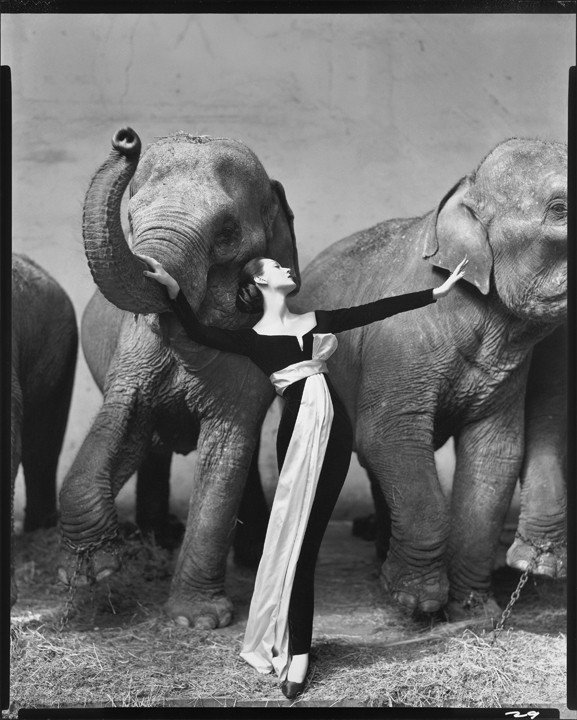
Answer: Christian Dior
In August 1955, Richard Avedon traveled to Paris to photograph the couture collections for Harper's Bazaar editor-in-chief Carmel Snow. Rather than shoot in a studio, he staged the shoot at the Cirque d'Hiver, a real working circus in the 11th arrondissement. He later described the moment: "I saw the elephants under an enormous skylight and in a second I knew... there was the potential here for a kind of dream image." Model Dovima wore a sleek Dior evening gown with a flowing sash, a piece actually designed by a then-young staffer at the house named Yves Saint Laurent, years before he launched his own label. Though the elephants each had one foot chained to the floor, they remained restless and potentially dangerous throughout the shoot, and Dovima had to hold her pose as they moved behind her. Published in the September 1955 issue of Harper's Bazaar, the image is now widely regarded as one of the single most iconic fashion photographs of the 20th century.
The hints
- This shoot took place in an actual working circus in Paris, not a studio, chosen for the incredible skylight illuminating the animals below.
- The elephants each had one foot chained to the floor, but they remained restless throughout the shoot, and the model had to hold her pose as they moved behind her.
- The gown's flowing sash was designed by a then-unknown young staffer at the house, years before he launched his own legendary label.
- That staffer's name was Yves Saint Laurent.
Sources: Phillips · Amateur Photographer · Artnet
Round three — sketch from memory
Ewing 33 Hi - Grey
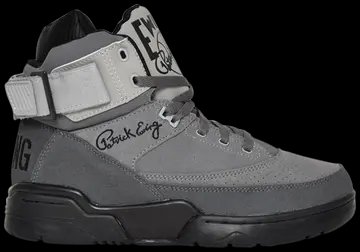
Ewing 33 Hi - Grey