
September 29, 2026
The issue of September 29, 2026
Every question from this issue, with the answers, the hints and the reading behind them.
Play the September 29, 2026 issue
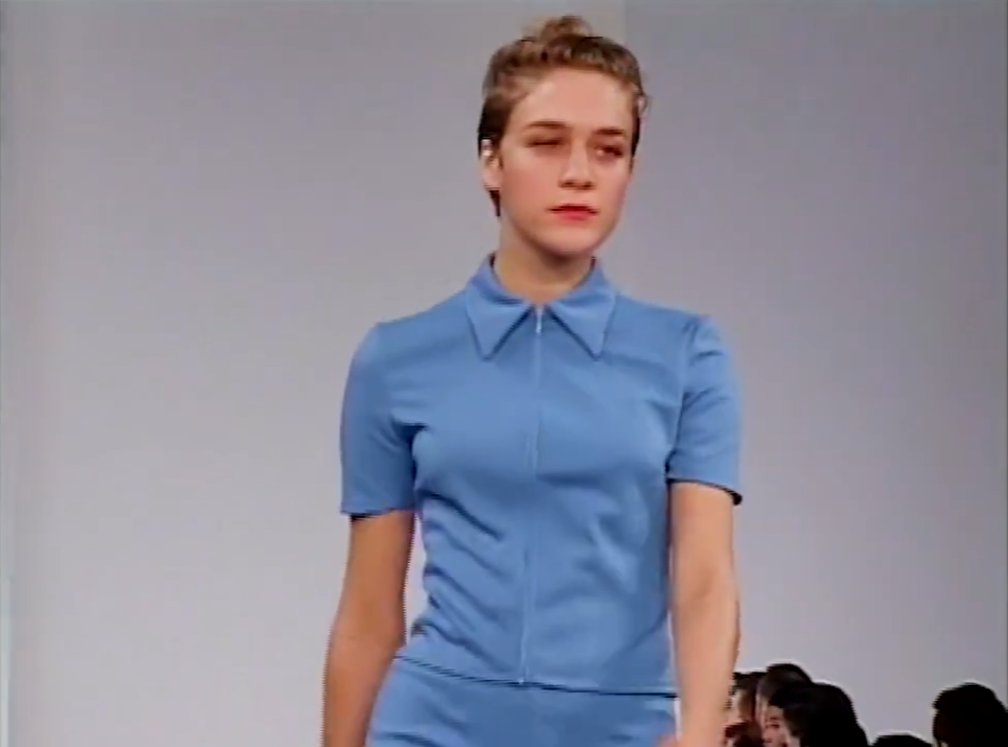
House: Miu Miu · Designer: Miuccia Prada · Season: Spring/Summer 1996
Not long after Miu Miu's 1993 founding, the brand, which borrows Miuccia Prada's own nickname, began showing at Bryant Park during New York Fashion Week, and Spring 1996 was one of those early outings. The show opened with a real jolt of big-city edge: 21-year-old Chloë Sevigny, fresh off her breakout role in Larry Clark's just-released Kids, walked first and later became the face of the season's print campaign, photographed by Juergen Teller. Kate Moss and Amber Valletta also walked the show alongside her.
The first part of the show reminded me of Severance, or Mad Men, or just the general idea of being in some sterile lab or office somewhere. As the looks get a little more revealing later on, it made me think of someone imagining their co-workers naked, not necessarily as some perverted exercise (although maybe a little) but more as a means of passing the time until clock out.
That reading actually tracks with how the show was received at the time. Despite bra tops and sheer skirts worn over printed pants, Vogue's retrospective review describes the collection as mannered and deadpan, more about fashion as an idea than about sex appeal, the kind of "Catholic imagination" curator Andrew Bolton has identified running through Prada's work as a whole. The palette leaned into muddied colors and brown plaid, pulling from 1970s silhouettes, the kind of thing a Miu Miu girl might have found in her own mother's closet, and it's here that Miuccia's now-signature "pretty/ugly" dynamic was still being worked out in real time.
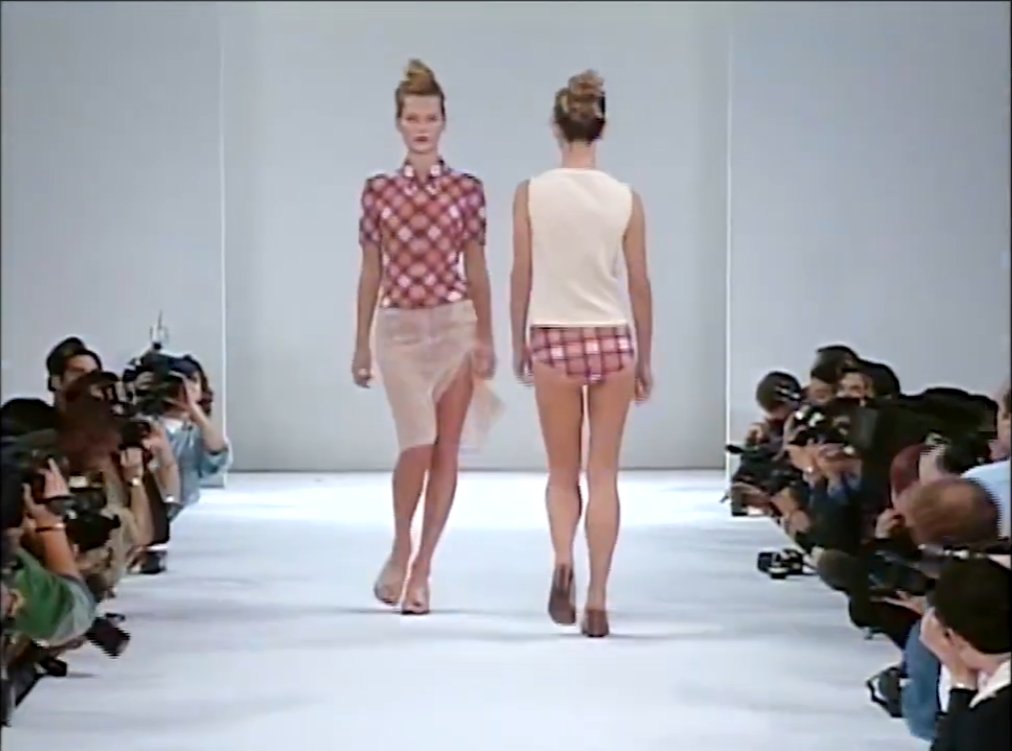
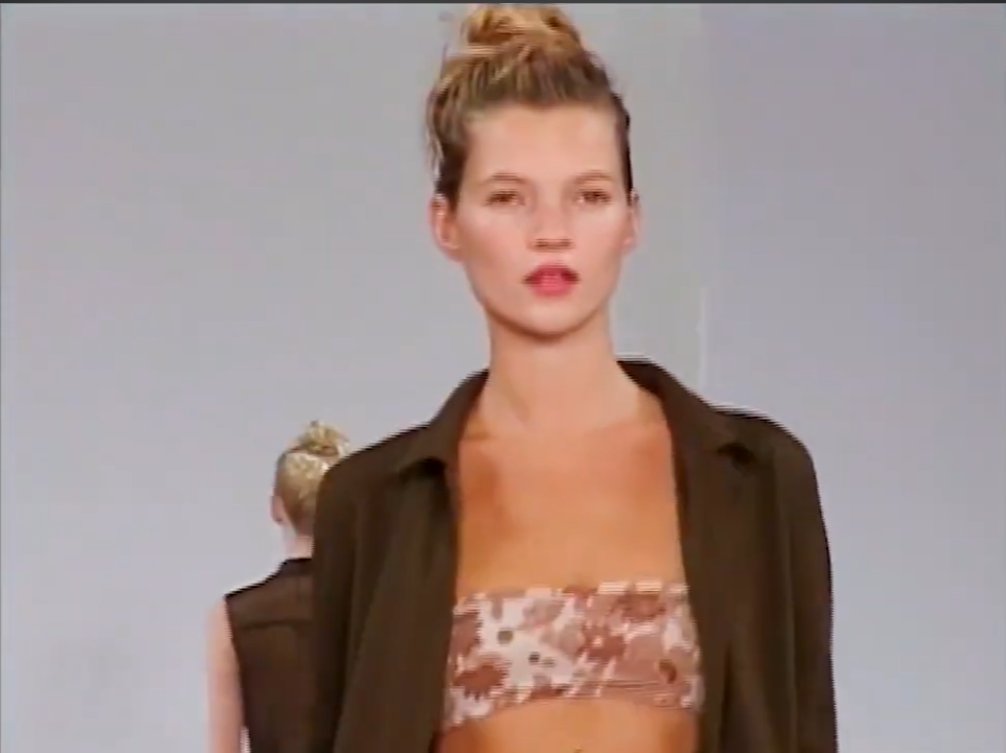
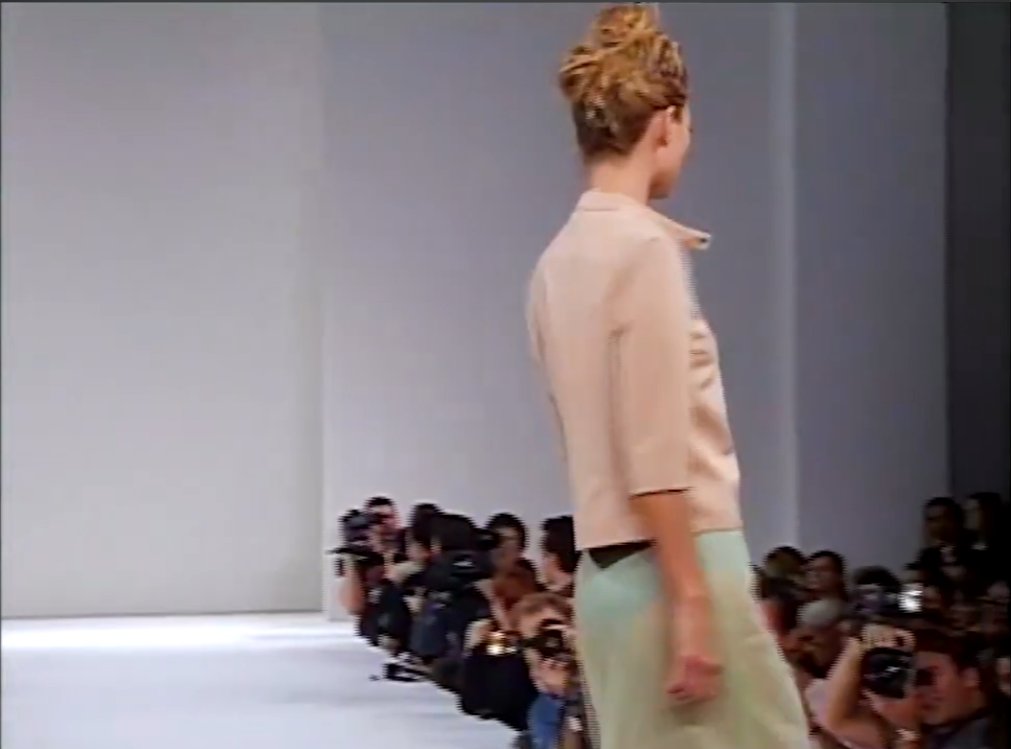
Sources: Vogue · Climax Books · Yahoo · Getty Images · W Magazine
Answer: The One Percent
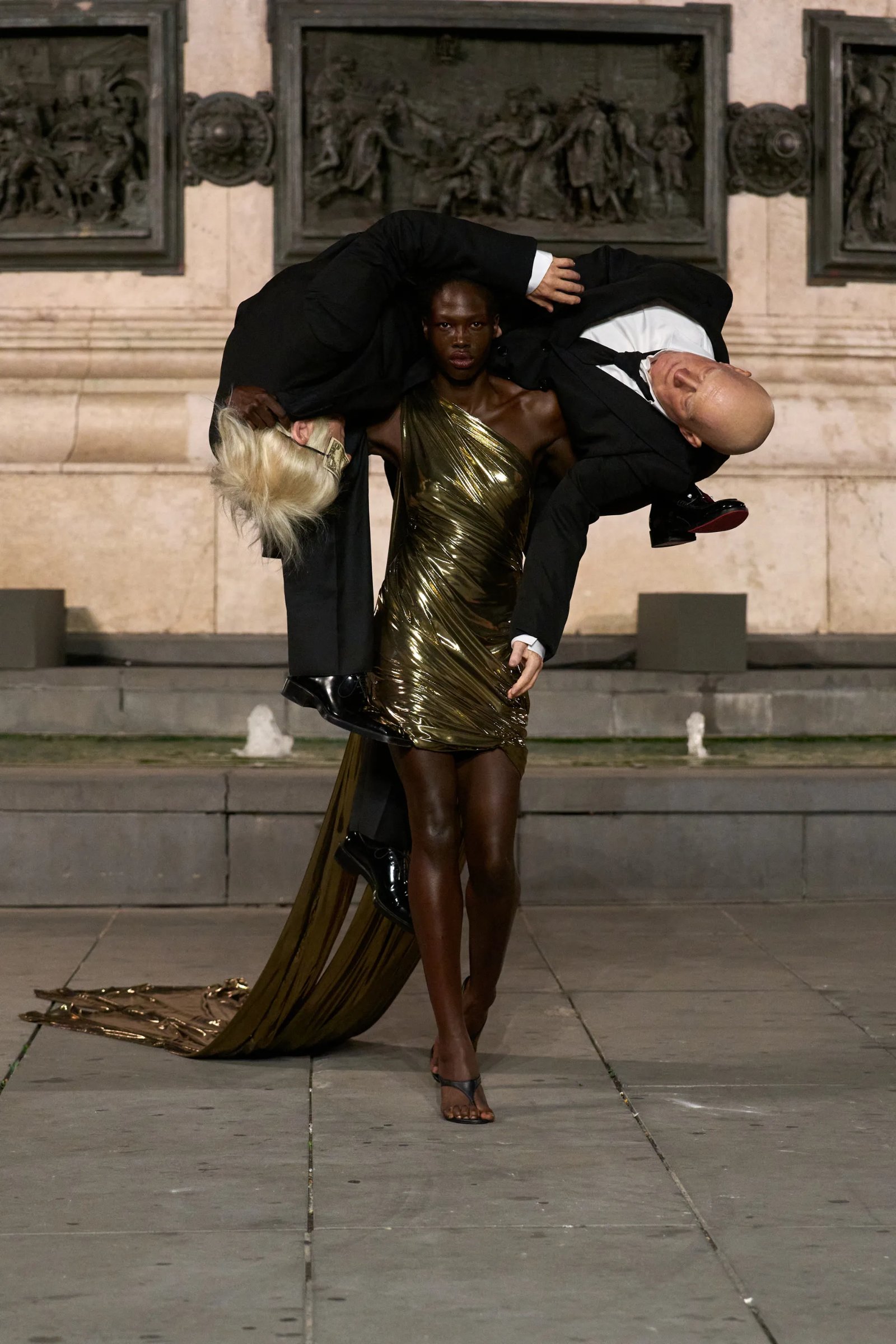
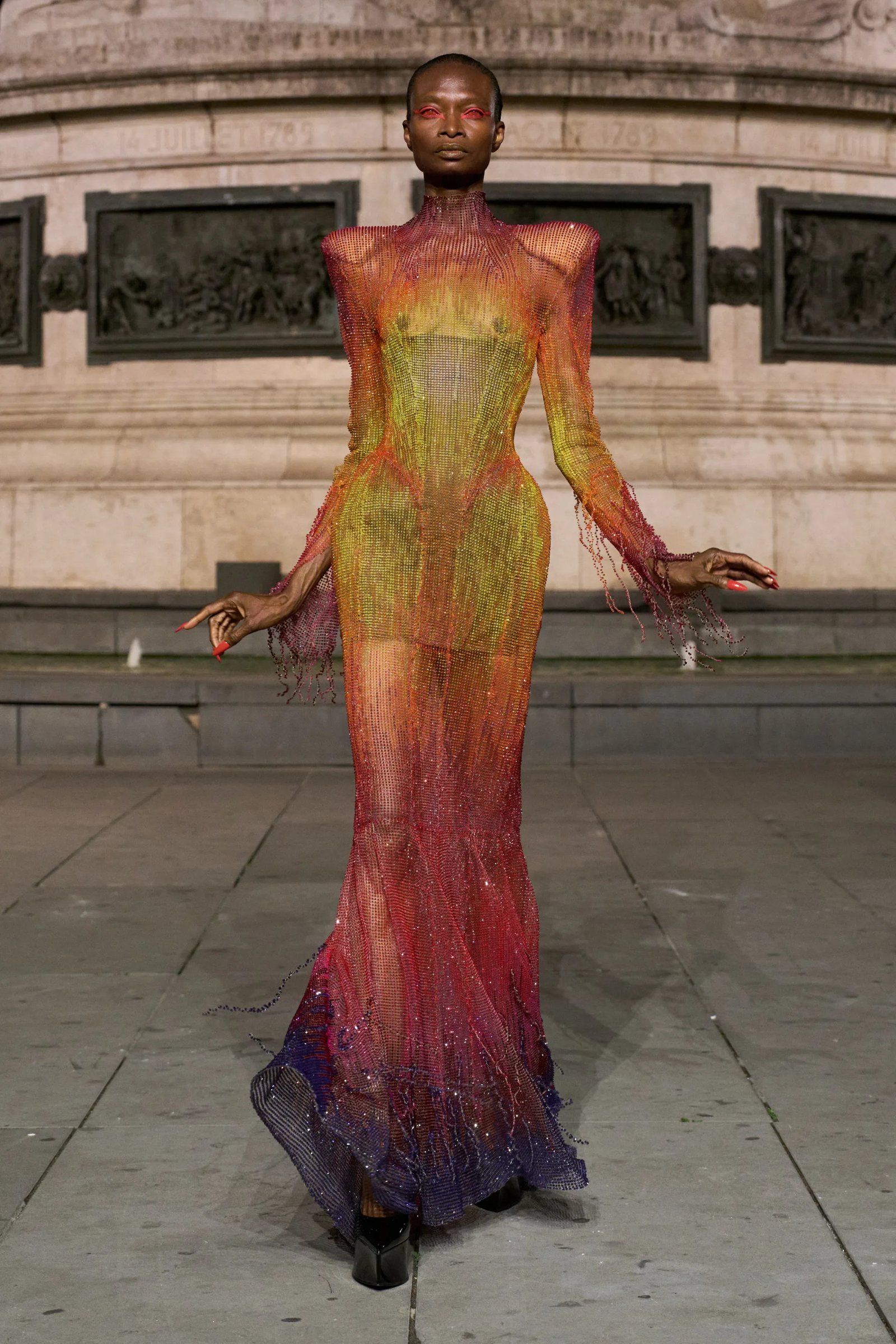
Matières Fécales, the Montreal-founded label run by Steven Raj Bhaskaran and Hannah Rose Dalton, staged its Fall/Winter 2026 show at the Palais Brongniart in March 2026 under the title "The One Percent," a dystopian, prosthetic-heavy critique of wealthy elites, complete with dollar-bill eye masks and a model literally blinded by a money mask printed with George Washington's face. For Spring/Summer 2027, the designers flipped the frame entirely: "Ninety Nine Percent" told the other side of that story, staged for the first time ever at Place de la République in Paris, with a cast of 99 models of color, many of them the designers' own family, friends, and collaborators. The show drew directly on Bhaskaran's own upbringing in low-income housing in Montreal, unfolding in three chapters, "FAMILY," "TRIBE," and "GODS," and closing with models circling the square's statue carrying lifelike billionaire figures on their backs.
The 99% literally carry the elite on their backs. Elites, empty husks blinded by money, need to be propped up and carried by the poor. I've been following them since their start, and I think their worldbuilding and craftsmanship have been fantastic over the years; they've been one of the most interesting developments in fashion over the past few years. Another great show!
Sources: Hypebae · NSS magazine
Answer: Kris Kross
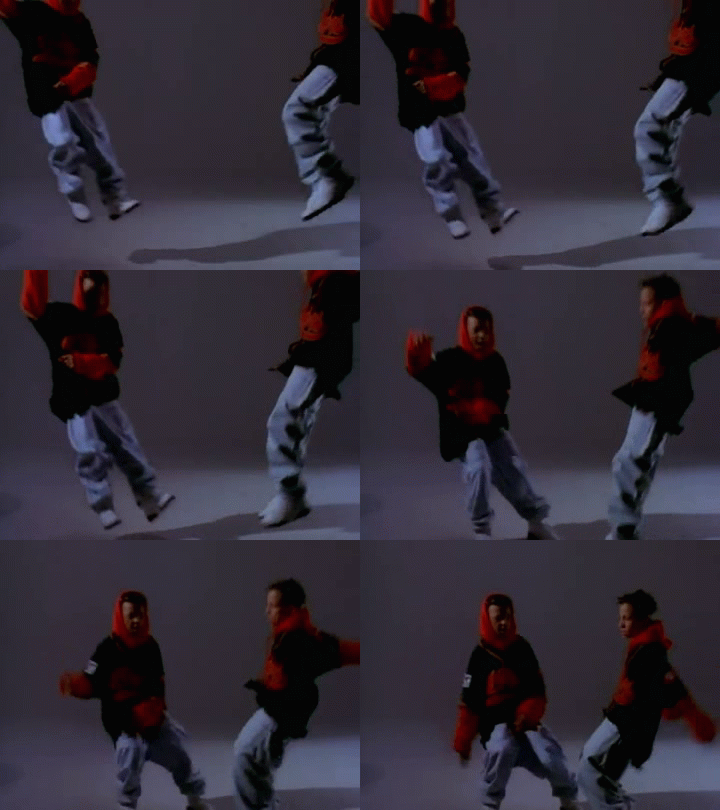
Marithé Bachellerie and François Girbaud met in Saint-Tropez in 1967 and began experimenting with denim washes and fits almost immediately, pioneering industrial stonewashing in 1976 before launching their first baggy fit in 1977-78, a radical departure from the fitted American five-pocket jean. That baggy silhouette hit the mainstream in 1983, appearing on Jennifer Beals in Flashdance and triggering a sales boom of roughly seven million pairs in a single year. Its biggest American cultural moment came nearly a decade later: Kris Kross, the pre-teen rap duo behind the 1992 smash "Jump," built their entire signature look, and their whole gimmick, around wearing baggy jeans and sports jerseys completely backwards, Girbaud's fit included. Chris "Mac Daddy" Kelly and Chris "Daddy Mac" Smith explained it plainly at the time: "Kris Kross means up is down, left is right, and the inverse is the adverse. That's why we wear our clothes this way." The look was inescapable that year, helping push 'Totally Krossed Out' to four million copies sold.
Sources: Wikipedia · Mental Floss · NSS Magazine
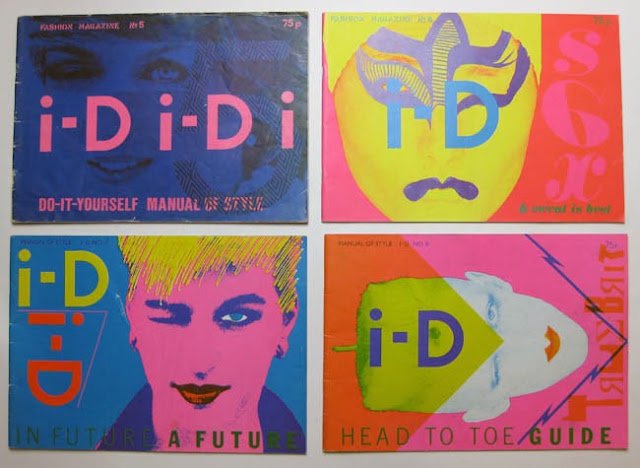
Answer: Terry Jones pioneers his "Straight-Up" documentary photography style while working as art director at British Vogue → Jones launches i-D as a hand-stapled fanzine, made at his own kitchen table → Raf Simons guest-edits an issue of i-D → Terry Jones sells i-D to Vice Media
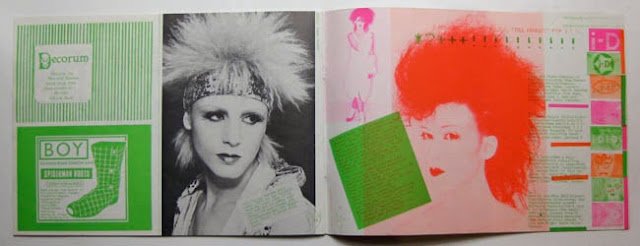
Before i-D existed at all, its founder Terry Jones was already reshaping fashion photography from the inside: while serving as art director at British Vogue from 1972 to 1977, he pioneered the "Straight-Up," a raw, documentary style of shooting real people rather than posed models. When he left Vogue, he took that instinct with him. In 1980, Jones and his wife Tricia launched i-D as a hand-stapled fanzine, reportedly named during one of the couple's habitual shared baths, built entirely around a DIY philosophy: "you could do it yourself rather than have a fashion magazine dictate what you could wear." The magazine became a genuine training ground for major photographers, including Juergen Teller, Nick Knight, and Mario Testino, and by 2001 its cultural cachet was strong enough that designer Raf Simons was invited to guest-edit the February issue himself. Jones eventually sold the magazine to Vice Media in 2012, though he and Tricia stayed on as partners and partial shareholders.
Sources: November Books · i-D Wikipedia · SHOWstudio · W Magazine
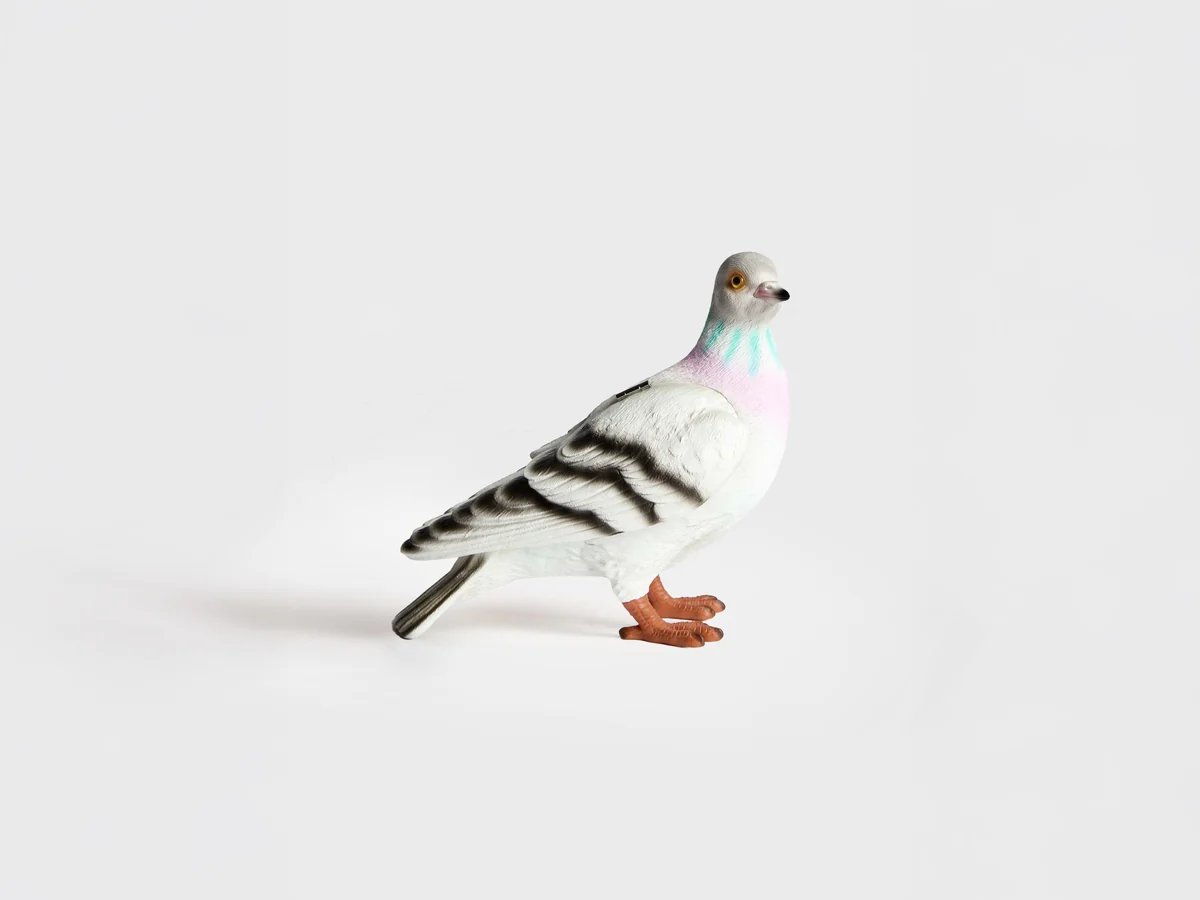
JW Anderson's Pigeon Clutch