
September 28, 2026
The issue of September 28, 2026
Every question from this issue, with the answers, the hints and the reading behind them.
Play the September 28, 2026 issue
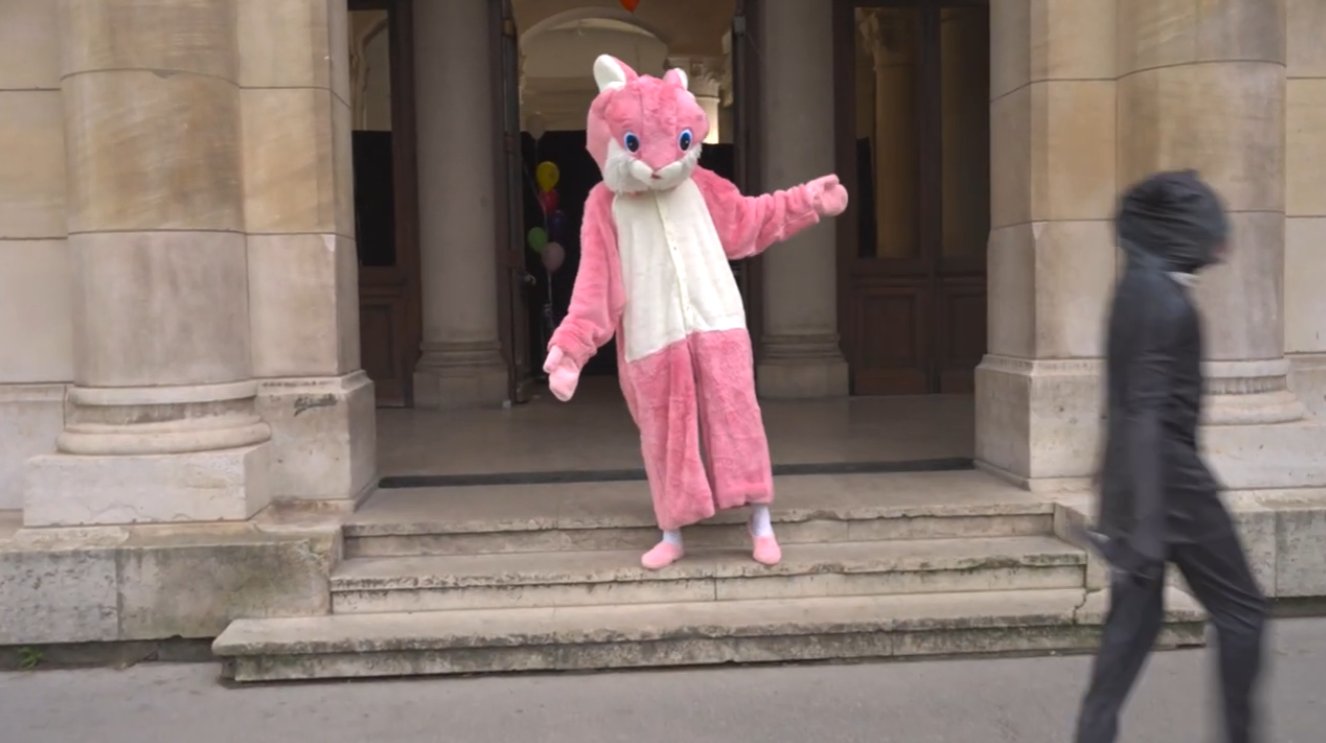
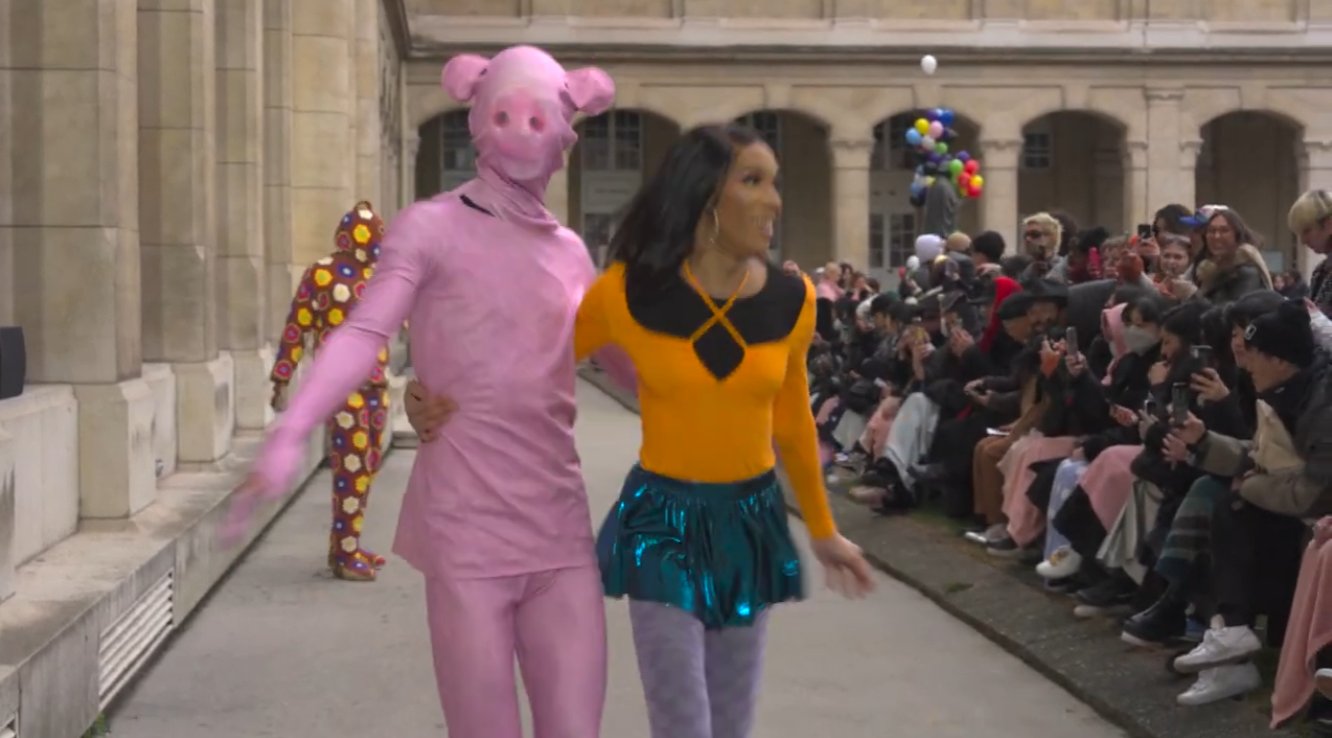
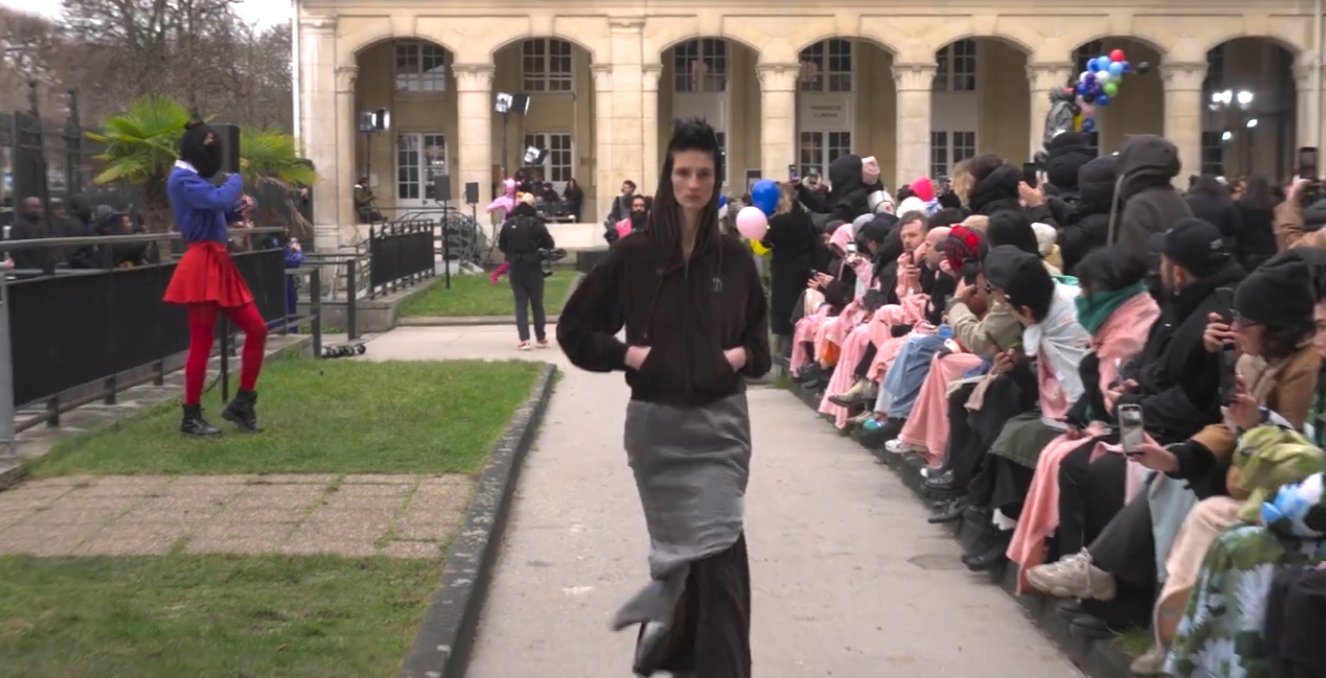
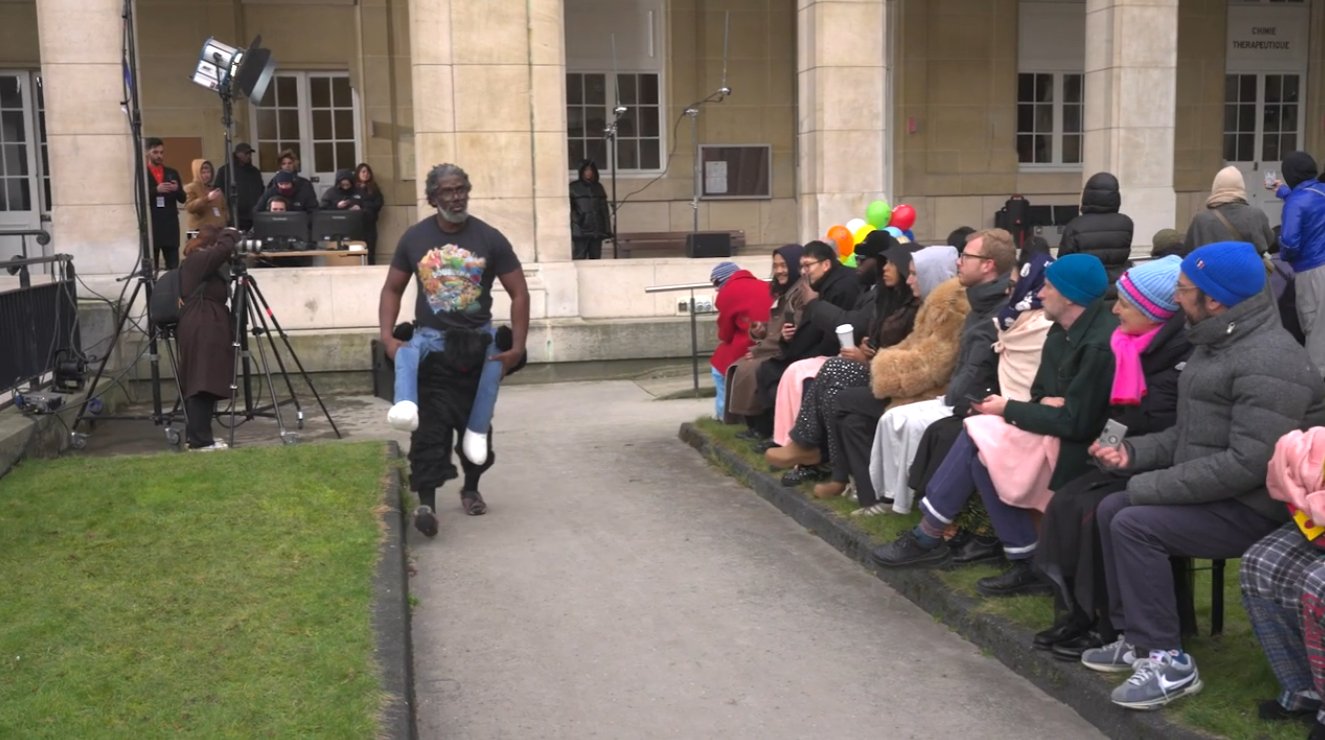
House: Doublet · Designer: Masayuki Ino · Season: Fall/Winter 2023-24
Doublet is pure fun and silliness. A YouTube commenter dubbed the brand "the Adult Swim of fashion," and I think that's the perfect way to describe it. I love fashion with a sense of humor, and Masayuki Ino doesn't cut corners on quality or craftsmanship either. Doublet always brings a smile to my face, and it's at the top of my list of shows I want to attend in person.
For Fall/Winter 2023-24, Ino turned Paris Fashion Week Men's into a theme park parade. The invitation was a brightly colored event ticket promising a "ticket to escape," and a theme-park-style announcement told the crowd the parade would start soon. Then the cast came rushing through an outdoor courtyard in bone-deep cold, dressed in a mix of everyday clothes and costume pieces, as if they'd been caught mid-change or out running errands still wearing a panda suit. FashionNetwork described Ino's concept as a freak show, a radical approach to inclusivity: a queer collective in latex animal costumes and cheerleader looks, led by a ringleader in a giant pink and white rabbit, carrying the rabbit's head under his arm after a sleepless night.
The clothes were just as wild. Hypebeast counted mice that vogue, sweatpants styled after Bigfoot, hairy Vans slip-ons, a Suicoke collaboration for monsters, dancers in tiger-print onesies, spiked sheer hoodies, skirts made from flipped rib-knit dresses, fleece joggers with lime green crocodile scales, and herringbone check coats with lapels pushed down to the navel. Even in all that chaos, the clothes got serious attention to detail, which is exactly the point.
Sources: Hypebeast · WWD · Fashion Network · i-D · Business of Fashion · Highestsnobiety
Answer: 11
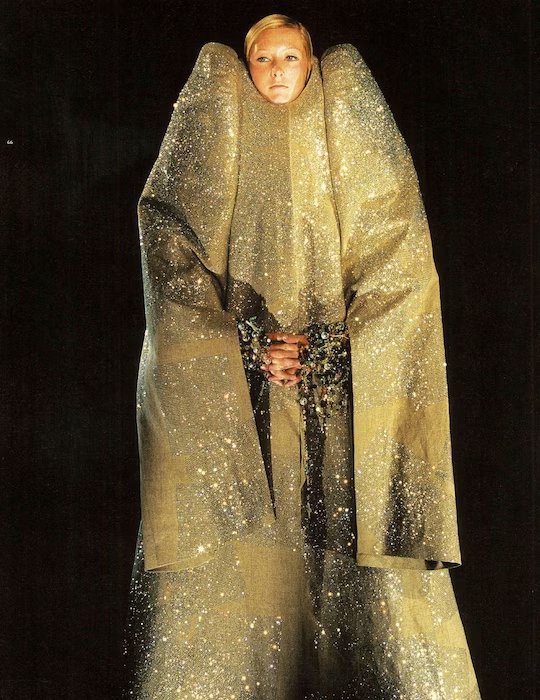
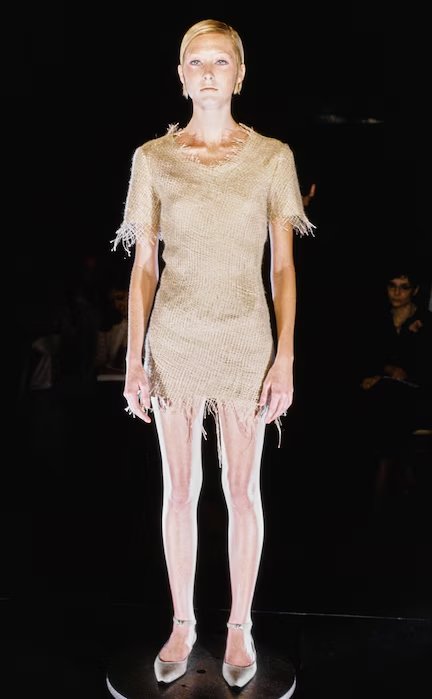
This performance opened Viktor & Rolf's Autumn/Winter 1999 haute couture show, nicknamed "Russian Doll" for its inspiration from Russian matryoshka nesting dolls. Model Maggie Rizer walked out on a rotating platform wearing nothing but a frayed minidress made of hessian sackcloth, her hair slicked back, before designers Viktor Horsting and Rolf Snoeren, dressed head to toe in black themselves, emerged and began dressing her live in front of the audience. Over the roughly 15-minute performance, they added ten new layers on top of that original dress, sequined gowns, printed dresses with micro-ruffles, and robes dripping in lace, diamante, and crystal, bringing her total to eleven garments by the end, engulfed in a thick, cocoon-like silhouette with shoulders as tall as her own head, evoking 15th-century Boyar royalty. The show was meant to symbolize the rampant consumerism of the fahsion industry, each new layer encumbering the model more and more until she could barely move. By the end, she was practically immobile, and the designers laid a floral garland around her in a circle before leaving the stage, a literal staging of a person being consumed by fashion itself. Andre Leon Talley reportedly called the whole collection "the Viagra of couture week." Horsting and Snoeren would revisit the same idea in reverse a decade later, peeling layers of clothing off models for their Autumn/Winter 2010 ready-to-wear show.
Sources: AnOther Magazine
Answer: Freedom, and his admiration for freedom fighters.
Presented in June 2001, months before the September 11 attacks, this collection became one of the most controversial and, in Simons's own telling, career-threatening moments of his life. He drew inspiration from freedom fighters, specifically the broader archetype of the "urban guerrilla" and anti-globalization resistance rather than any single named movement, sending models down the runway barefoot with their faces masked, wearing torn, shredded hooded sweatshirts stamped with inflammatory slogans like "We Are Ready and Willing to Ignite, Just Born Too Late." The Times called it a "terrorist-inflected collection."
The only difference between a terrorist and a freedom fighter is the amount of money an editor makes to change the word. The Times looked at barefoot models in torn hoodies covered in slogans, drawing from the same imagery Simons himself pointed to when he called it "about freedom," and reached for the most damning word available. Partisan groups fighting for their freedom, their sovereignty, and their very existence are a big thing in the world right now, and it's always important to keep track of our perspective and language, as the material conditions that bring about these people and their acts are often left out of the discussion. There are those who are willing to die for ideas others won't dare speak. Perhaps we take a moment to understand and examine the imaginations that hold the minds on one hand, and the entities that hold the tongue on the other.
Simons has said he genuinely believed his career was over in the aftermath, recalling that editors and supporters reached out privately just to reassure him they understood the work wasn't meant negatively. He's since directly rejected the widespread retrospective reading of the show as somehow predicting or referencing 9/11, stating plainly that his real intent was "the opposite of 9/11, it's about freedom." Because the show landed just months before the actual attacks, and one of its slogans, "KOLLAPS," feels grimly prescient in hindsight, it's frequently mythologized in fashion retrospectives as eerily prophetic, a reading Simons himself has pushed back against.
Sources: New York Times · Momu · AnOther Magazine · Boiler Room · Another Man Magazine
Answer: Tiffany & Co.
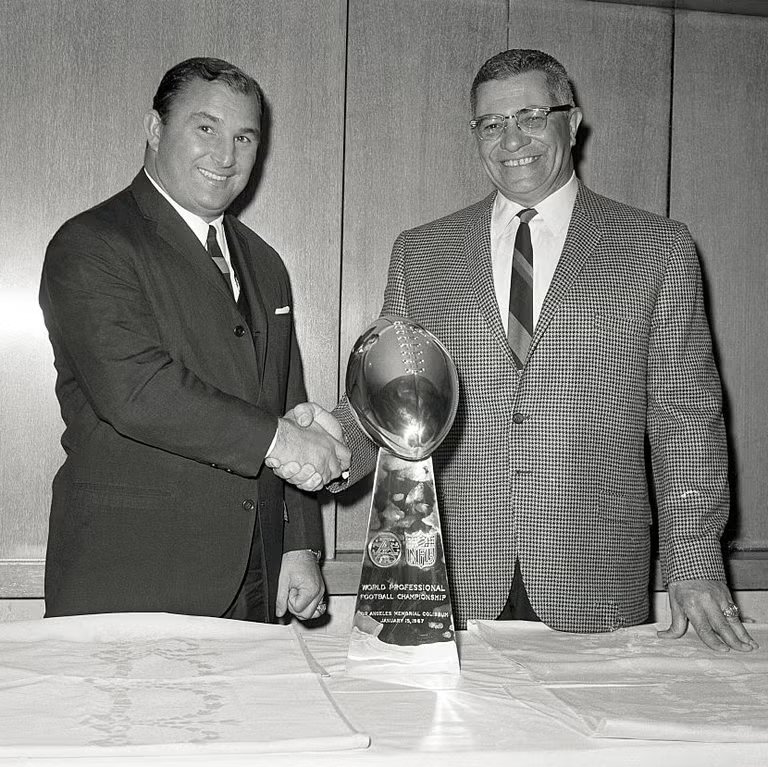
The Vince Lombardi Trophy has been designed and handcrafted by Tiffany & Co. since the very first Super Bowl in 1967. According to Tiffany, the design came out of a 1966 meeting between then-NFL commissioner Pete Rozelle and Oscar Riedener, a Tiffany vice president, who sketched the basic idea on a napkin: a regulation-size football in kicking position. Each trophy is sterling silver, 22 inches tall, and made from scratch every year by the craftspeople at Tiffany's hollowware workshop in Cumberland, Rhode Island, over roughly four months. After the game it goes back to the workshop to be engraved with the teams, date, and score. It was first called the World Championship Game Trophy and was renamed for Green Bay Packers coach Vince Lombardi, who won the first two Super Bowls, after his death in 1970. Tiffany also makes the Pete Rozelle Trophy for the Super Bowl MVP (since 1991) and the AFC and NFC championship trophies.
Sources: Tiffany · National Jeweler · WPRI
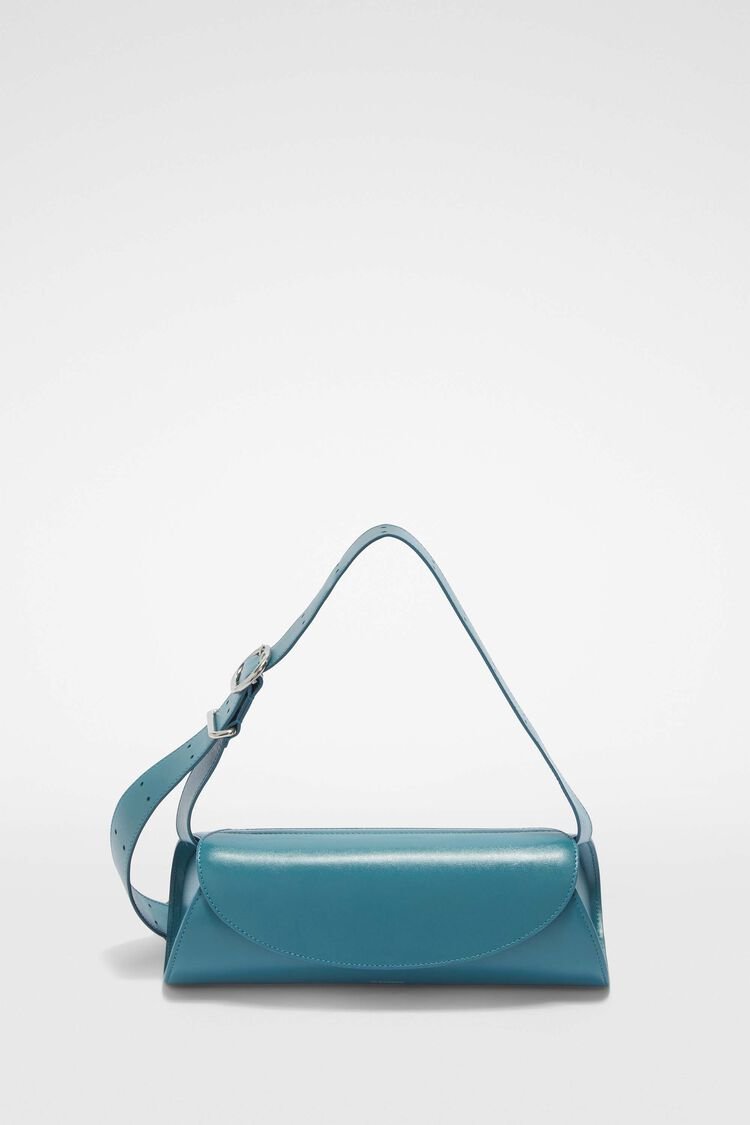
Jil Sander Cannolo Bag