September 26, 2026
The issue of September 26, 2026
Every question from this issue, with the answers, the hints and the reading behind them.
Play the September 26, 2026 issue
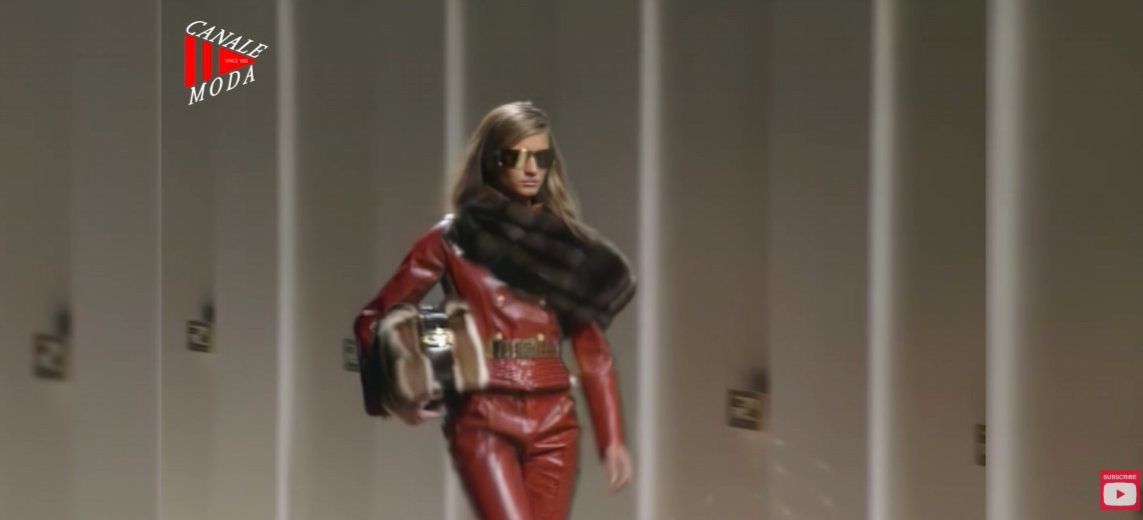
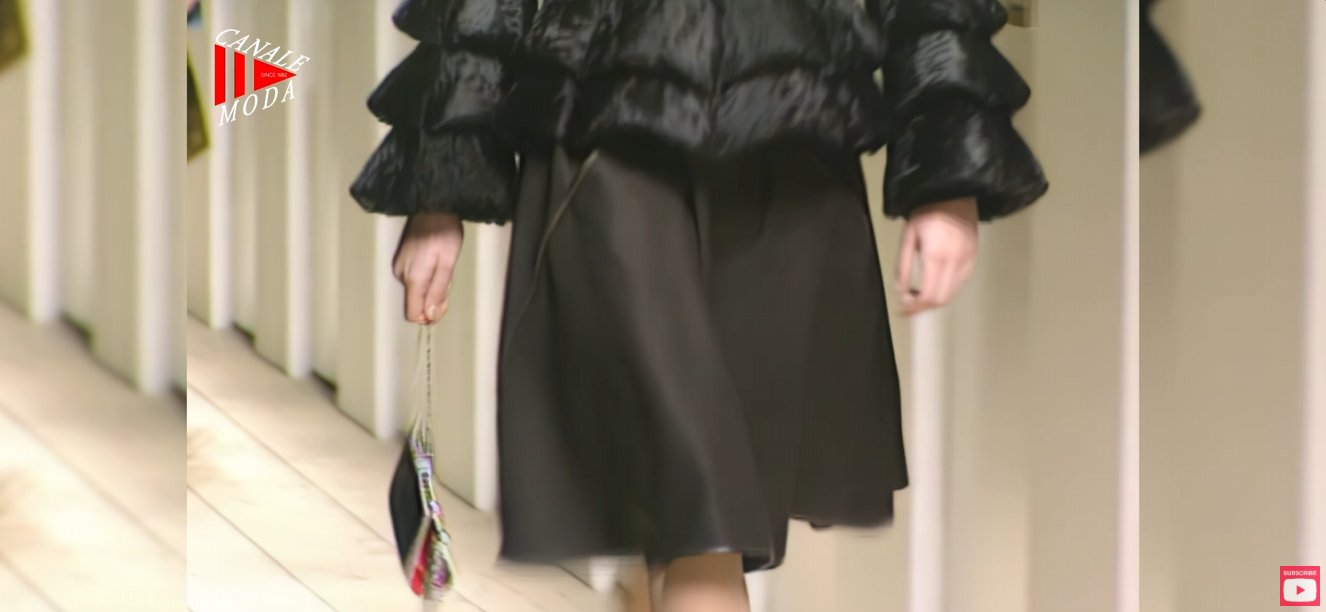
House: Fendi · Designer: Karl Lagerfeld · Season: Fall/Winter 2000
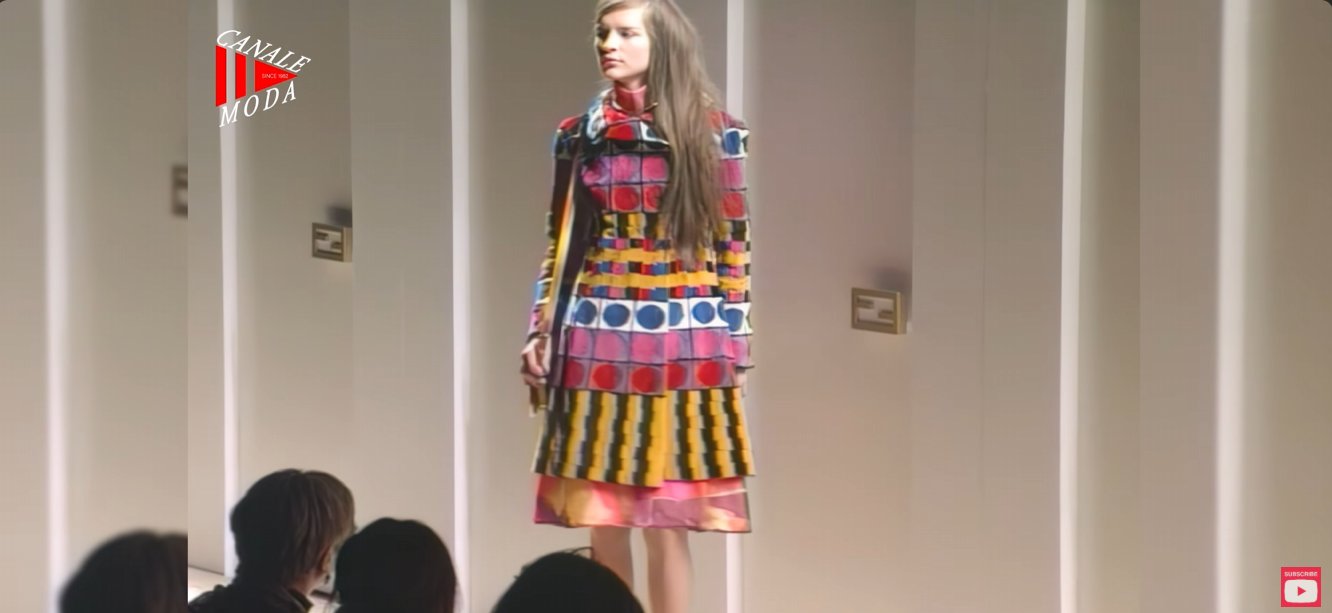
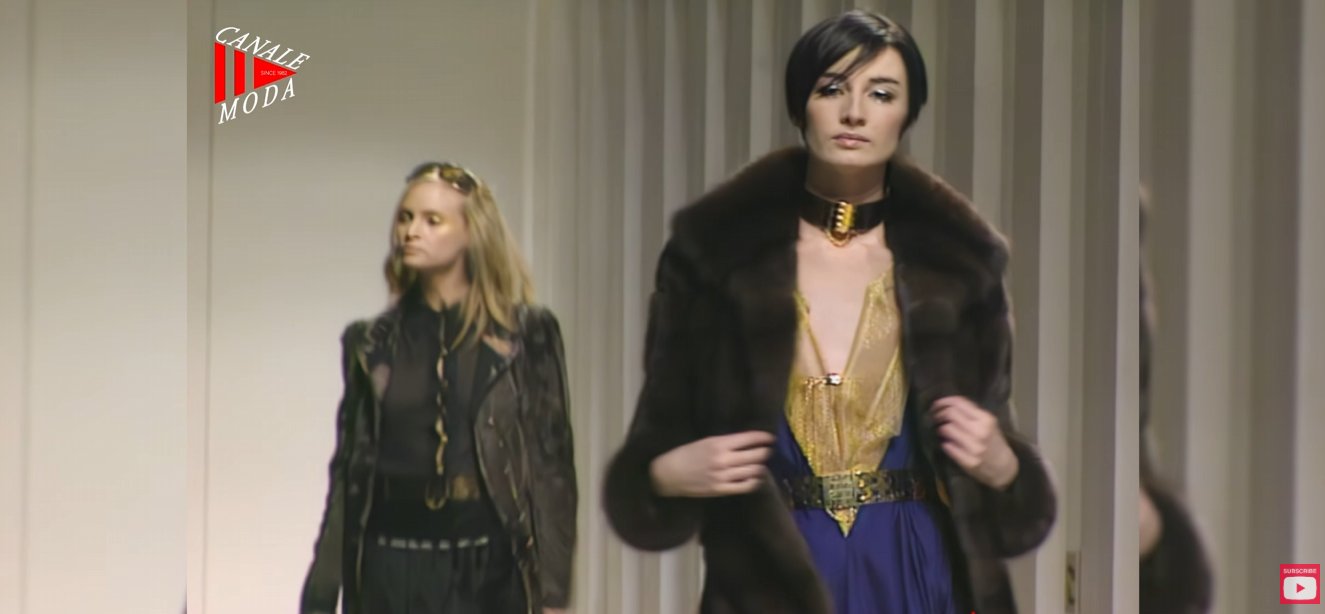
Opulence reigned supreme on the Fendi runway this season, per Vogue's contemporary review, published February 23, 2000. Optical-print dresses, A-line leather skirts, and color-splotched furs shared the runway with printed chiffon dresses, patent leather jackets, and tweed suits, most cinched at the waist with oversized gold belts. The overall mood pulled from three different decades at once: an 1980s decadence, prints lifted from the 1960s, and a glamorous 1970s attitude, yet somehow the collection never felt retro. Vogue credited the irreverent mixing of references and the skillful treatment of color and fabric as what made the collection feel entirely of its moment rather than a costume party through fashion history. The season's most enduring signature turned out to be its sheer silk chiffon, printed directly with Fendi's FF logo and glimpsed through dramatic thigh-high slits cut into seven-panel A-frame wool skirts.
- Vogue, 2000
This show looks like generational wealth to me. I've always said there were 3 parts to capitalism: Creation - The creation of goods and services. Innovation - improving on these goods and services and finding efficiencies and equilibrium in a market. And lastly, Consolidation - You didn't make all that money to have it legislated away, or for your wife to divorce you and take half, or for your kids to squander it all. So you scratch and claw and bribe whoever you can and break whoever you can't. And all you can hope is that you're not the one who's broken in the end, physically, emotionally, but most importantly, financially. Is the decadence deserved? Only if it's a punishment. Great show!
Sources: WWD · 1stDibs · Vogue · Malay Mail · Runway Magazine
Answer: Helmut Lang
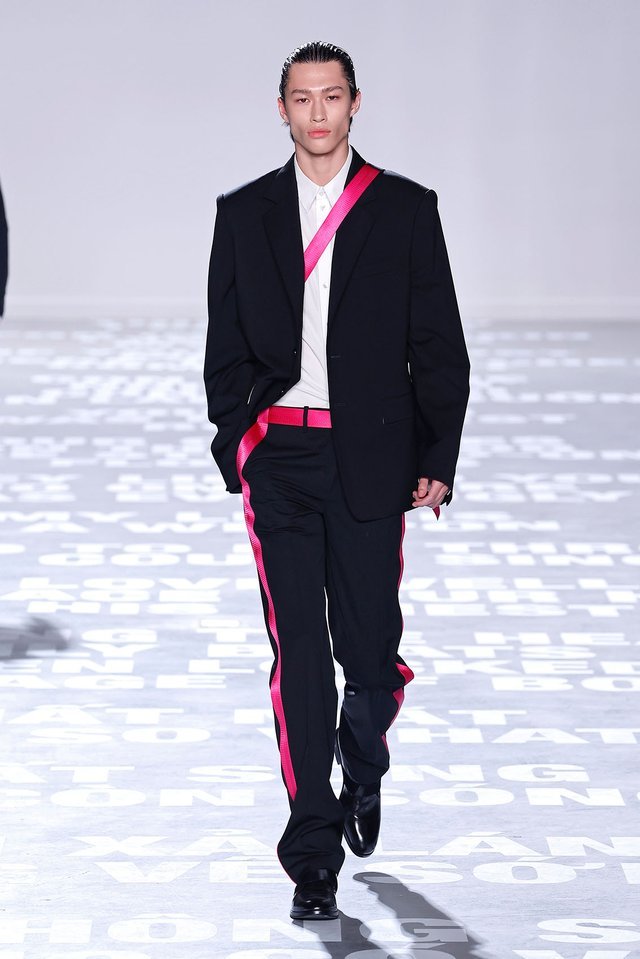
In May 2023, Peter Do was named creative director of Helmut Lang, tasked with reviving a brand that had gone without a permanent creative lead since 2014, nearly a decade of drift for a house once considered the defining force of 1990s minimalism. Do's debut Spring 2024 collection, staged at Skylight at Essex Crossing on New York's Lower East Side, leaned directly into his own Vietnamese heritage: he commissioned poet Ocean Vuong to contribute text that appeared printed on the concrete floor, on tank tops, and on high-necked white shirts, along with an opening letter played as audio, deliberately echoing Helmut Lang's own 1990s collaborations with artist Jenny Holzer. Despite the anticipation, Do's tenure was short-lived. He departed less than two years later, in November 2024, after his Spring 2025 collection was pulled from the New York Fashion Week schedule entirely. He's since refocused on his own eponymous label, founded in 2018, and its newer offshoot PD-168.
Sources: CNN · Fashionista · SHOWstudio
Answer: Dior, Alexander McQueen, Maison Margiela
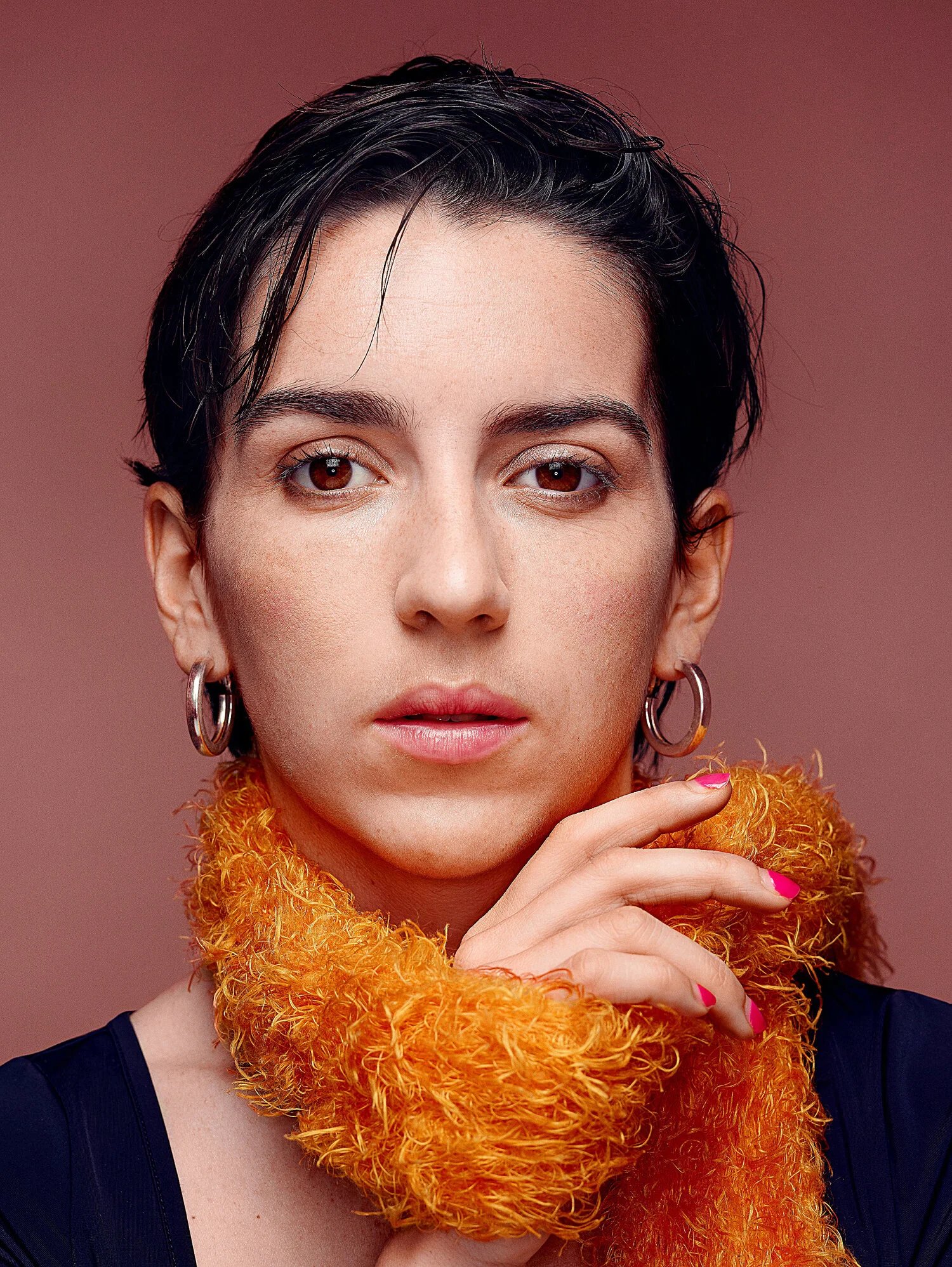
Before launching her own label, Marine Serre built an unusually stacked résumé across three major houses. At Dior, she worked under Raf Simons during his tenure as creative director. At Alexander McQueen, she worked under Sarah Burton. And at Maison Margiela, she worked under Matthieu Blazy, long before he became known for his later, high-profile stints at Bottega Veneta and Chanel. Chanel itself, though, was never one of her stops. Serre then went on to work at Balenciaga under Demna Gvasalia while simultaneously building her own label, which she launched after winning the 2017 LVMH Prize, before she'd even staged a single standalone runway show.
Sources: Jessica Michault · Complex · The Face
Answer: Antique and vintage textiles
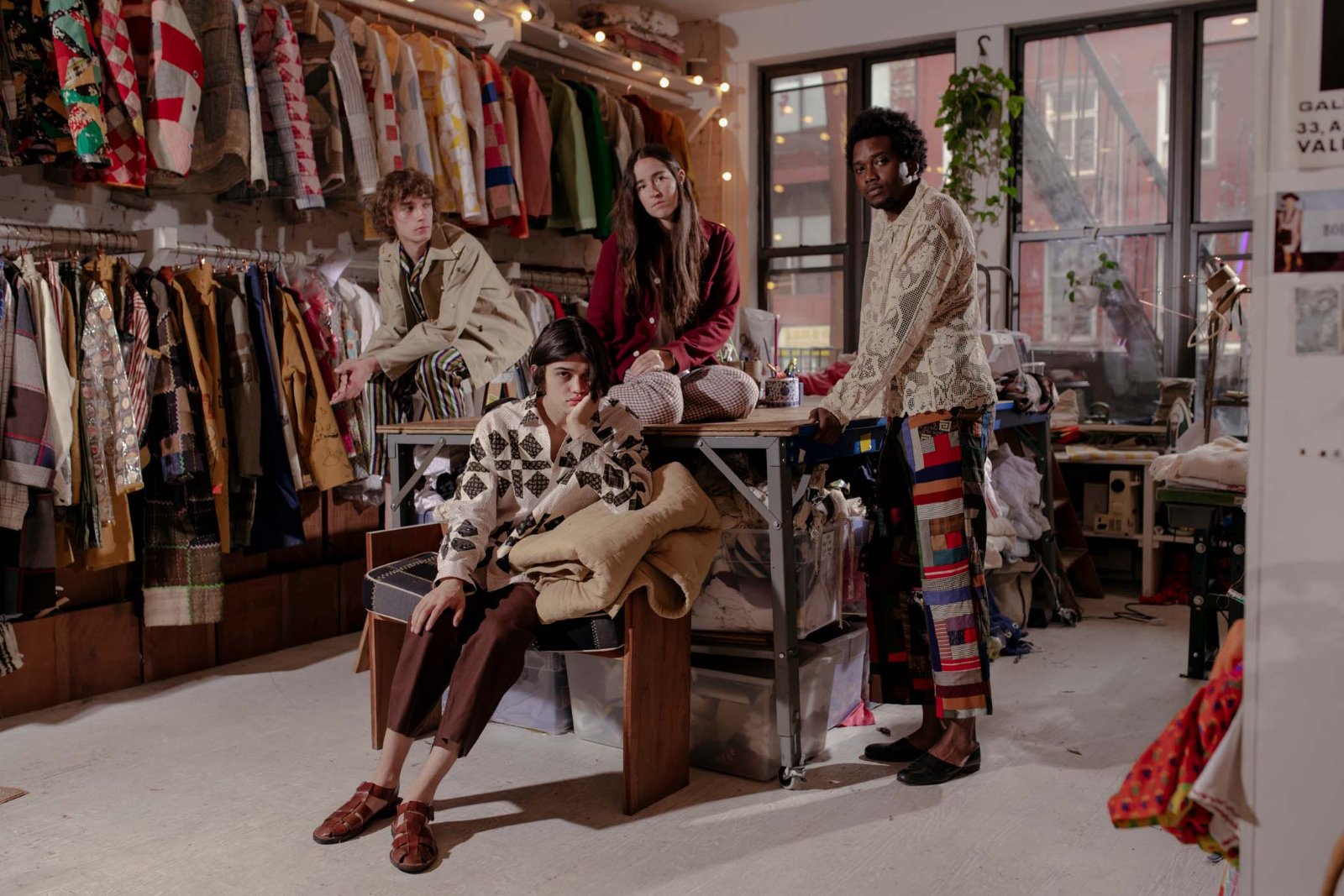
Emily Bode Aujla built Bode's entire design language around sourcing genuinely antique textiles, quilts dating back to the 1840s, grain sacks, vintage tablecloths, and bed linens, and reworking them into modern workwear-inspired garments. Rather than treating these materials as decoration, she applies traditional hand techniques to them: quilting, mending, appliqué, and Japanese methods like sashiko and boro. Because so much of the source material is genuinely one-of-a-kind, many early Bode pieces were literally unrepeatable, a single antique quilt could only ever become one jacket. The result is a brand built less around trend cycles and more around personal and historical storytelling: each Bode collection is grounded in a specific narrative, often drawn from Bode Aujla's own family history or American cultural memory.
Sources: The Catalyst News · Bode
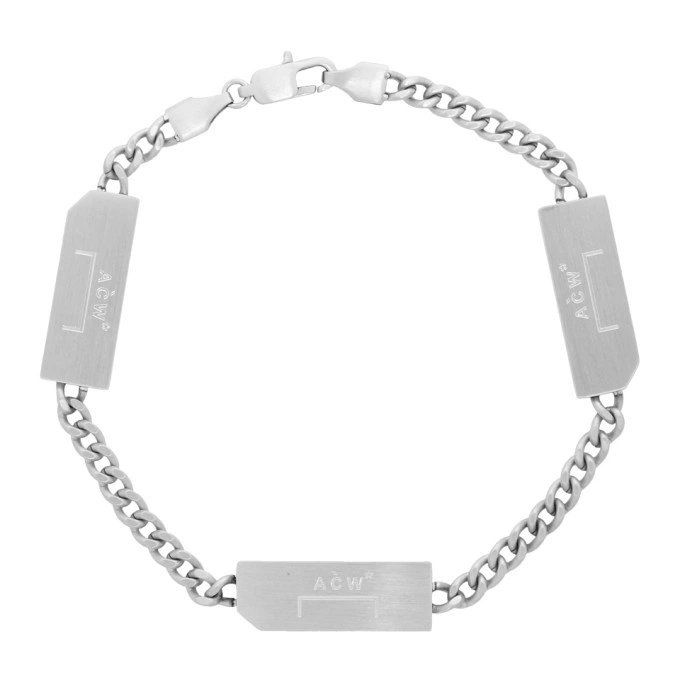
A-Cold-Wall* Silver Logo Bracelet