
September 25, 2026
The issue of September 25, 2026
Every question from this issue, with the answers, the hints and the reading behind them.
Play the September 25, 2026 issue
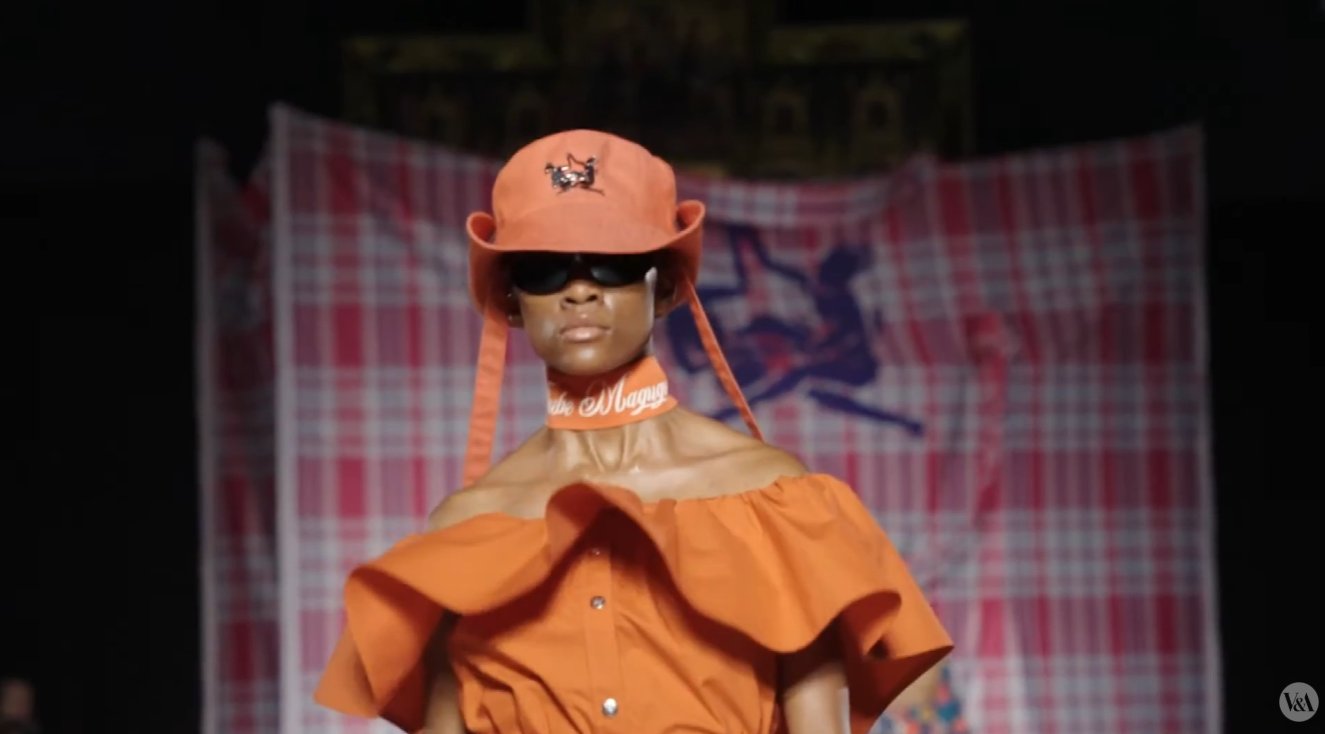
House: Thebe Magugu · Designer: Thebe Magugu · Season: Spring/Summer 2023 - 'Discard Theory'
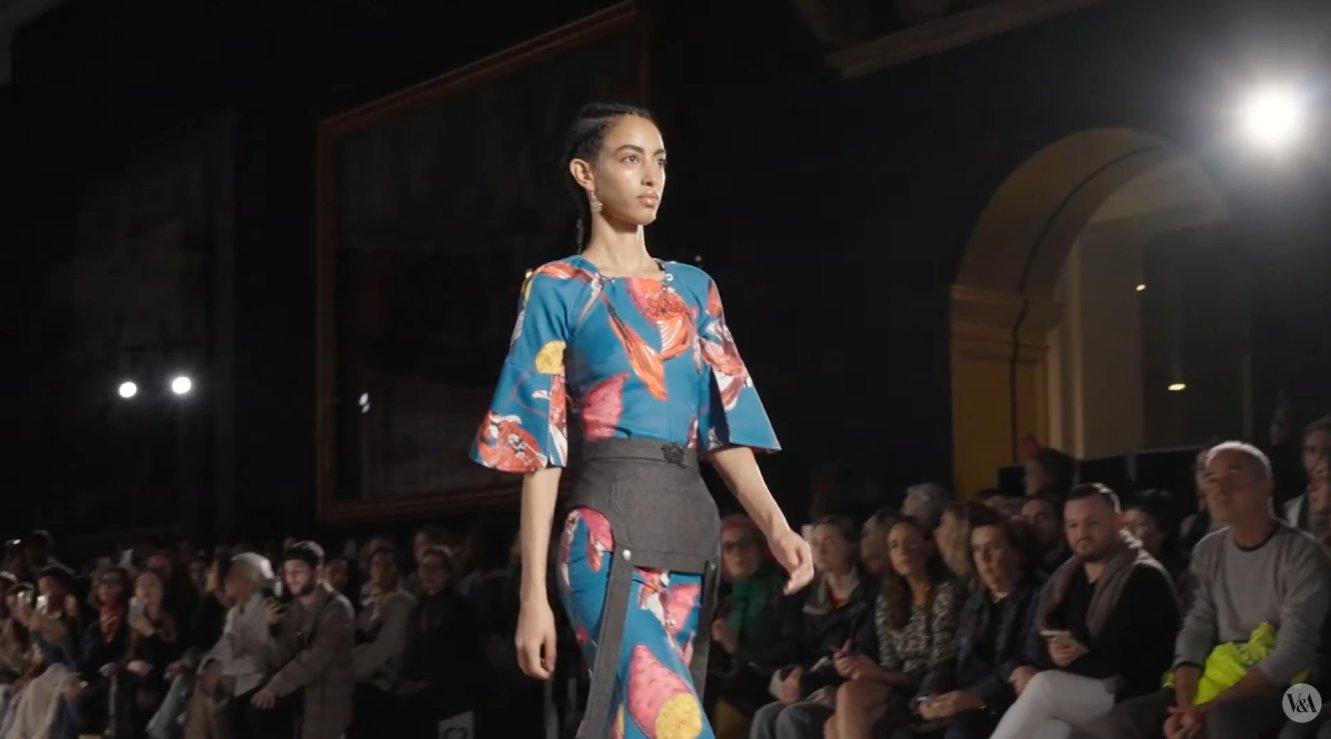
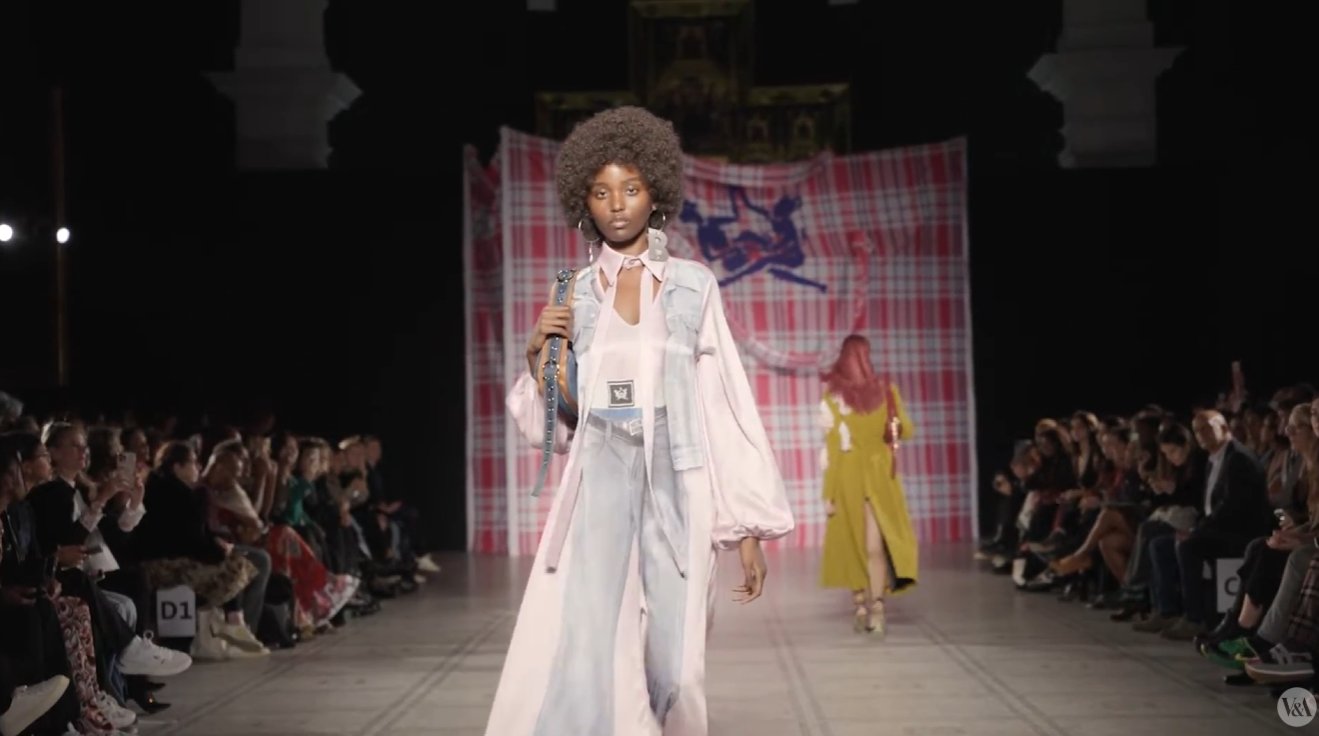
This idea of repurposing things, of adding to the lore of an item or a piece of fabric. The history travels through that garment, it carries all the love and stress of its wearer, and it gets stronger over time. "Discard Theory" started with Magugu rummaging through piles of clothing at Dunusa, an area in downtown Johannesburg where America and Europe dump secondhand, often soiled garments. He noticed a hybrid, unintentional dialogue playing out there: local women pairing traditional shweshwe-fabric wrap skirts, ordinarily reserved for special ceremonies, with promotional Vodafone or Manchester United polyester t-shirts. Magugu called this collision the start point of the whole collection.
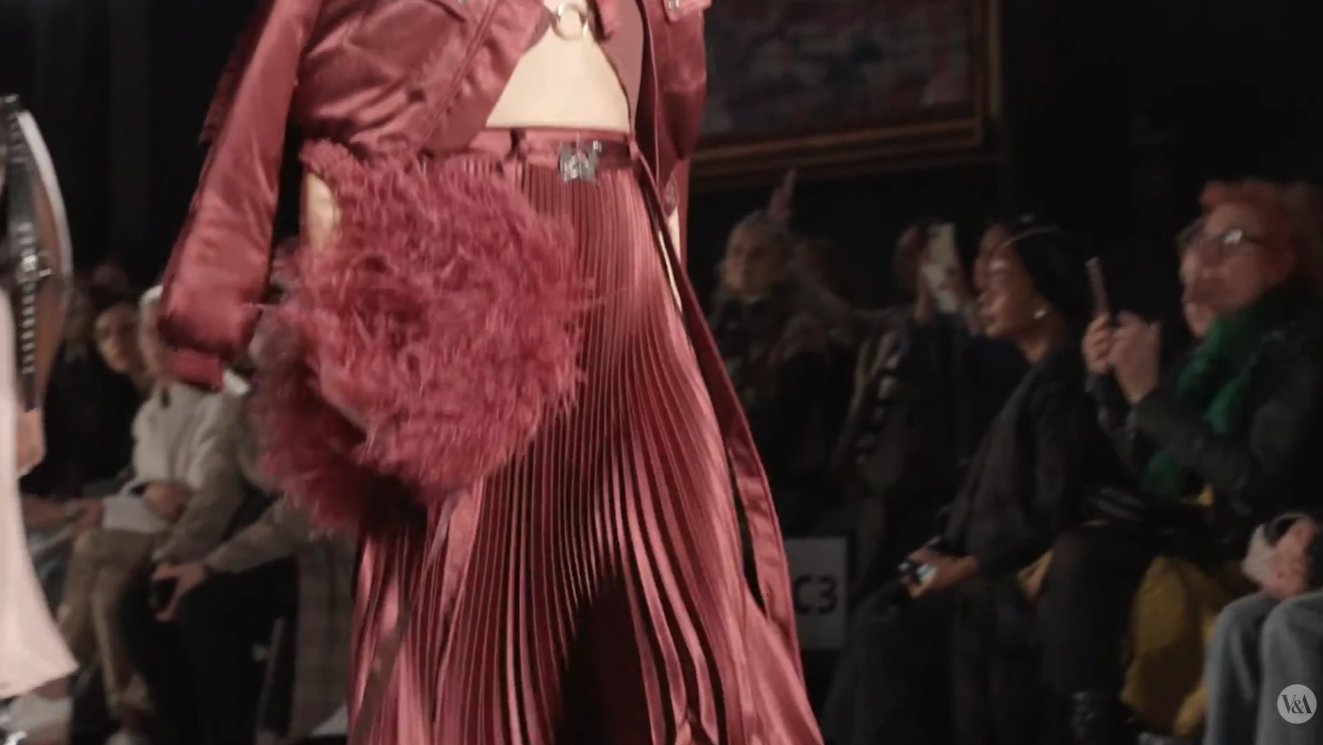
He built the twenty looks by sourcing directly from Dunusa, bringing the clothing back to his studio, analyzing the silhouettes and proportions, cutting into them, and refashioning the pieces in updated materials. The result carries what he describes as a "soft decay," fraying appliqué, gashes turned into slits, pleated skirts that look torn rather than sewn. This is reclaiming power from things no one saw value in. Structurally, the collection is a direct rebuttal to economist Thorstein Veblen's 1899 essay "The Theory of the Leisure Class," which argued that fashion trickles down from the wealthy to everyone else. Magugu flips that entirely: instead of tracing how trends fall from the top, he asks how items considered "old hat," discarded at the very bottom of that chain, can be shot back up into a luxury space. One of the best modern designers working today, and this collection is exactly why.
Sources: Thebe Magugu · Discard Theory Documentary · Victoria and Albert Museum
Answer: Asics
Shortly after graduating from Central Saint Martins in 2016, Kiko Kostadinov was approached by Asics, a bold move at the time, since designer sneaker collaborations with the Japanese sportswear brand were essentially unprecedented. Their partnership debuted with the Gel-Burz in 2018 and has continued for nearly a decade since, producing cult releases like the Gel-Kiril and Gel-Quantum Zientzia. The relationship deepened over time: Kostadinov and his design team, including womenswear designers Laura and Deanna Fanning, eventually moved into an advisory and curatorial role within Asics's SportStyle division, culminating in Novalis, his own dedicated sub-label operating fully inside the company. As Kostadinov put it himself, "From day one, Asics showed an openness and willingness towards the new ideas and new directions that the Kiko Kostadinov design team presented to them."

Sources: Sabukaru · Sneaker News · Kiko Kostadinov Wikipedia
Answer: Grace Wales Bonner
Grace Wales Bonner was born in South London to a Jamaican father and an English mother, and that dual heritage sits at the center of her design practice. She graduated from Central Saint Martins in 2014 (classmates with fellow designer Kiko Kostadinov) and launched her menswear label the same year, quickly earning attention for tailoring that explores Black male identity and sexuality through deep research spanning literature, critical theory, and history. In 2016, at just 25, she won the LVMH Prize, one of fashion's most prestigious awards, decided unanimously by a jury that included Karl Lagerfeld, Marc Jacobs, Riccardo Tisci, and Phoebe Philo. Philo described her clothes as immediately recognizable, "prim tailoring with an empire flare," and noted that even though the line was technically menswear, "everyone felt that women want to wear that stuff." The prize came with €300,000 and a year of mentorship from LVMH executives.

Sources: WWD · Grace Wales Bonner Wikipedia
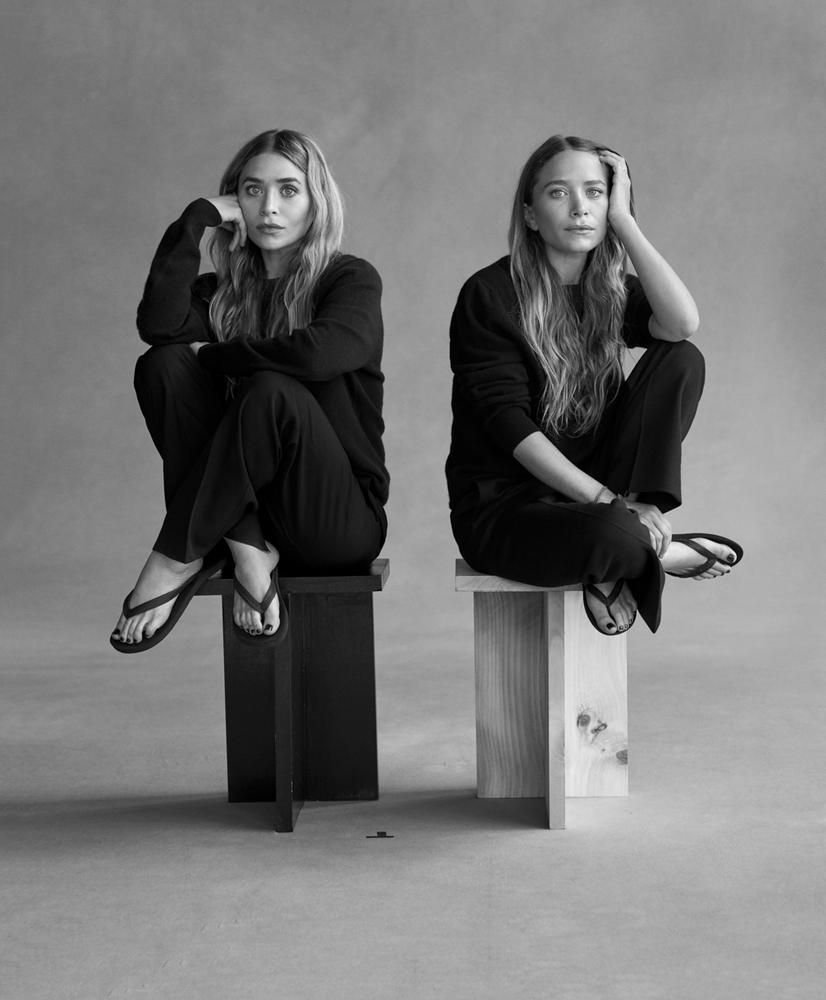
Answer: T-shirt
The Row's origin story is famously modest. At just 18, Ashley Olsen set out to design the perfect T-shirt, unsatisfied with what was already on the market. She tested prototypes on women ranging from ages 20 to 60, across a range of body types, trying to nail down the ideal fit before the concept expanded into leather leggings and eventually a full ready-to-wear line. Olsen and her twin sister Mary-Kate formally founded the brand in 2005, naming it after Savile Row, London's historic street of bespoke tailoring, a deliberate signal that the label was about construction and craft rather than celebrity branding. Barneys New York purchased their first collection of seven pieces, and The Row has since become one of the most respected examples of "quiet luxury" and minimalist design in the industry, with Mary-Kate serving as creative director and Ashley as CEO.
Sources: The Style Historian · LuxDetect
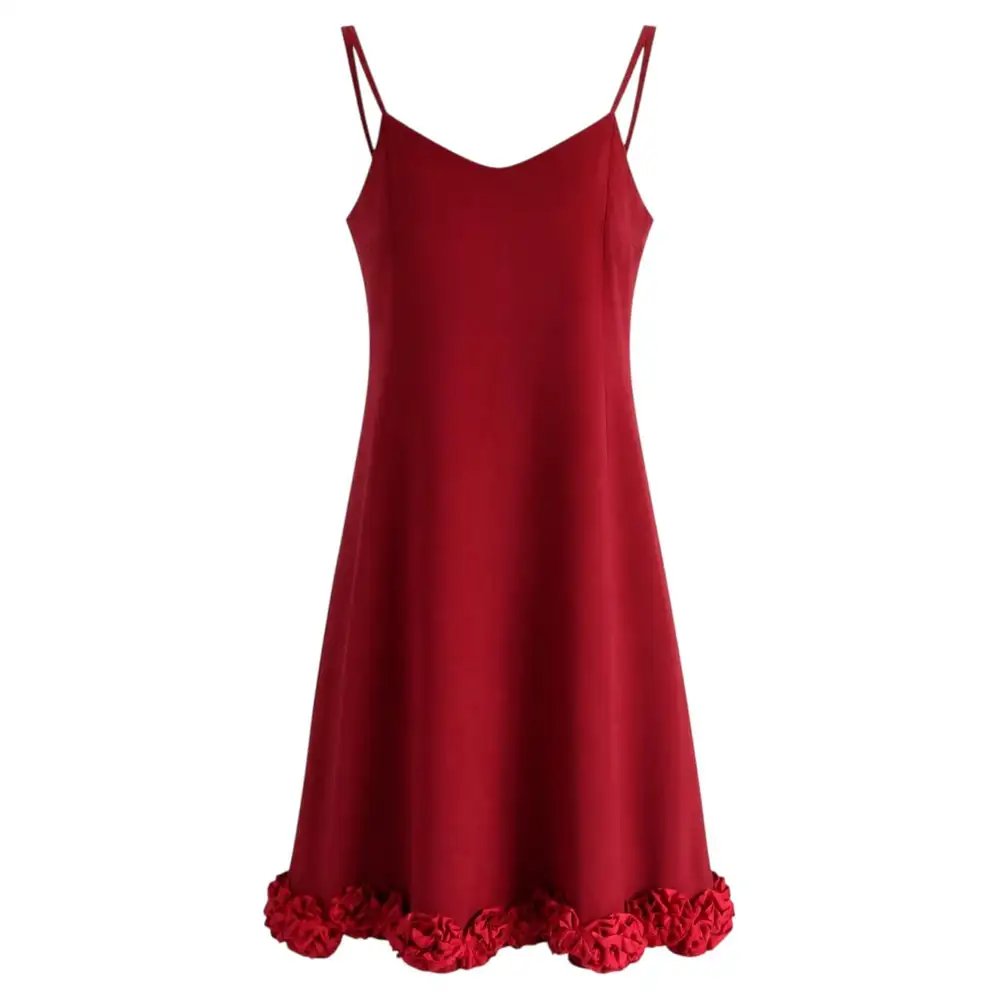
Dries Van Noten Vintage Fall 1999 Red Rose Rosette Trim Dress