September 24, 2026
The issue of September 24, 2026
Every question from this issue, with the answers, the hints and the reading behind them.
Play the September 24, 2026 issue
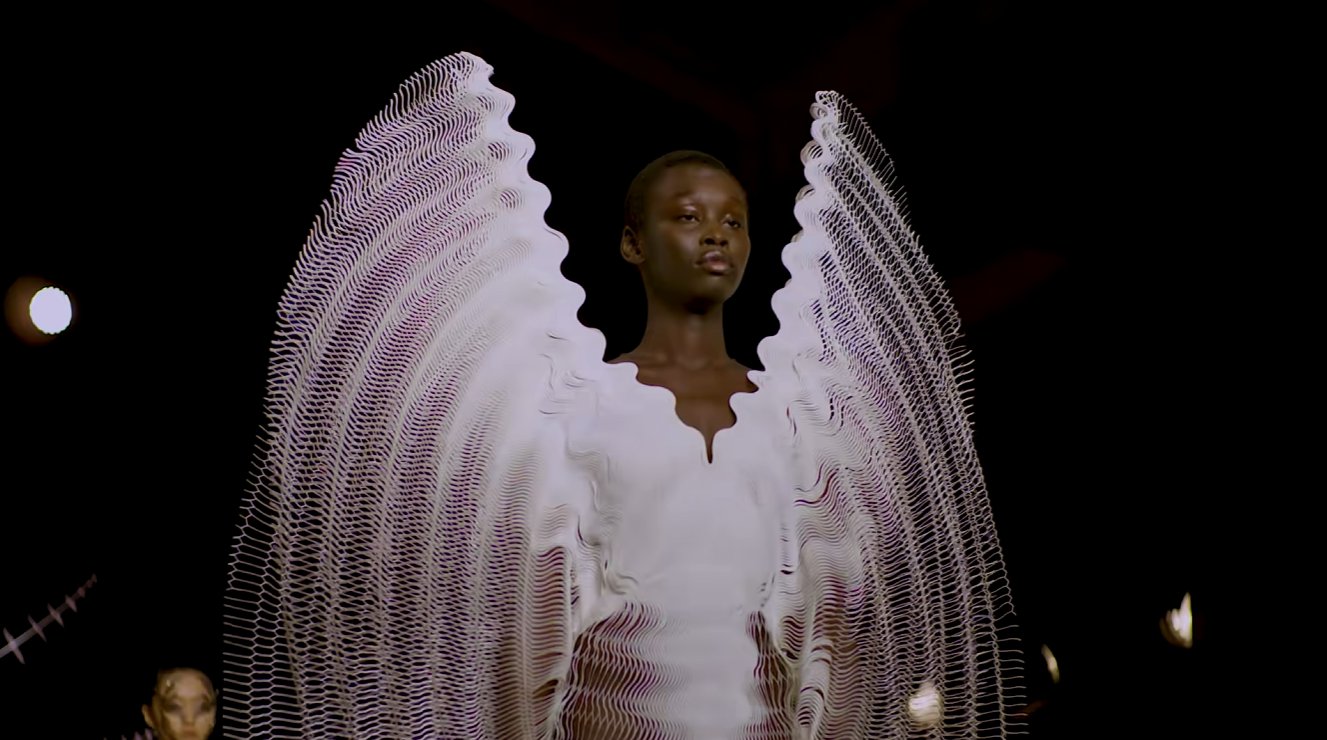
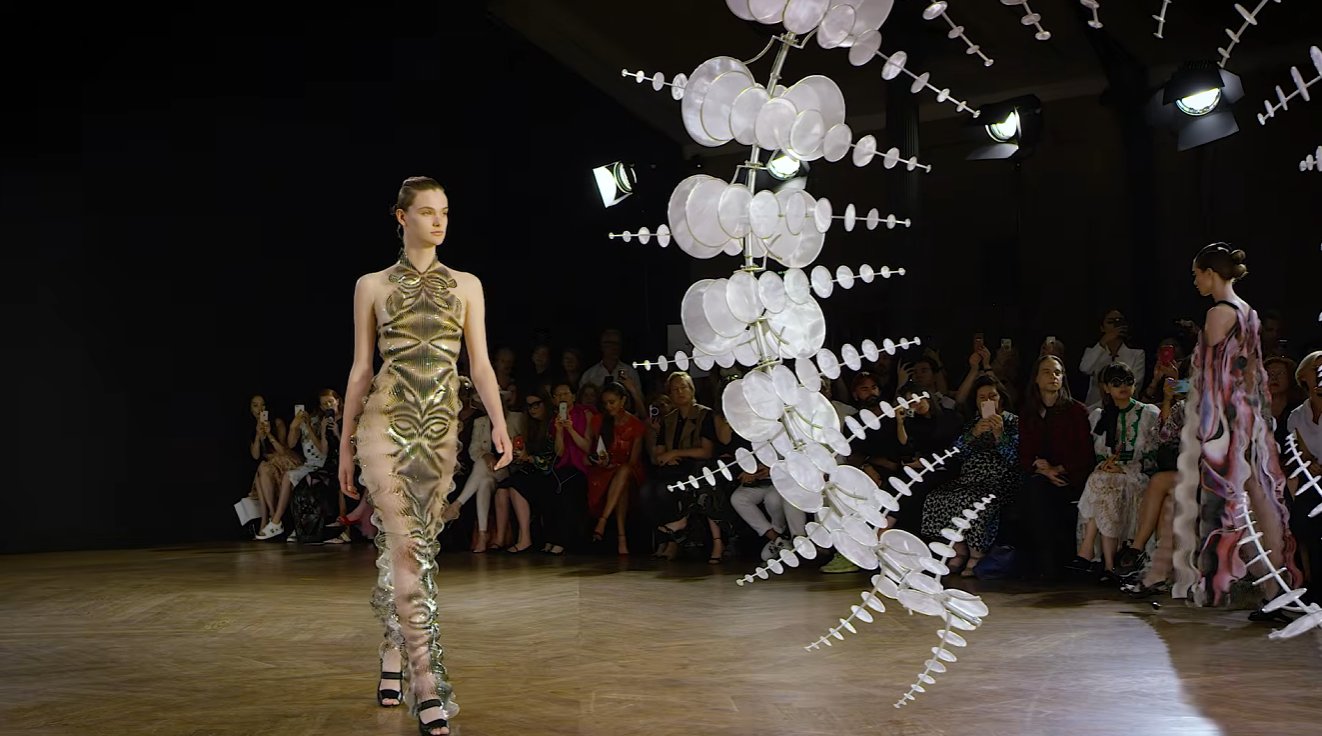
House: Iris van Herpen · Designer: Iris van Herpen · Season: Haute Couture Fall/Winter 2019-20
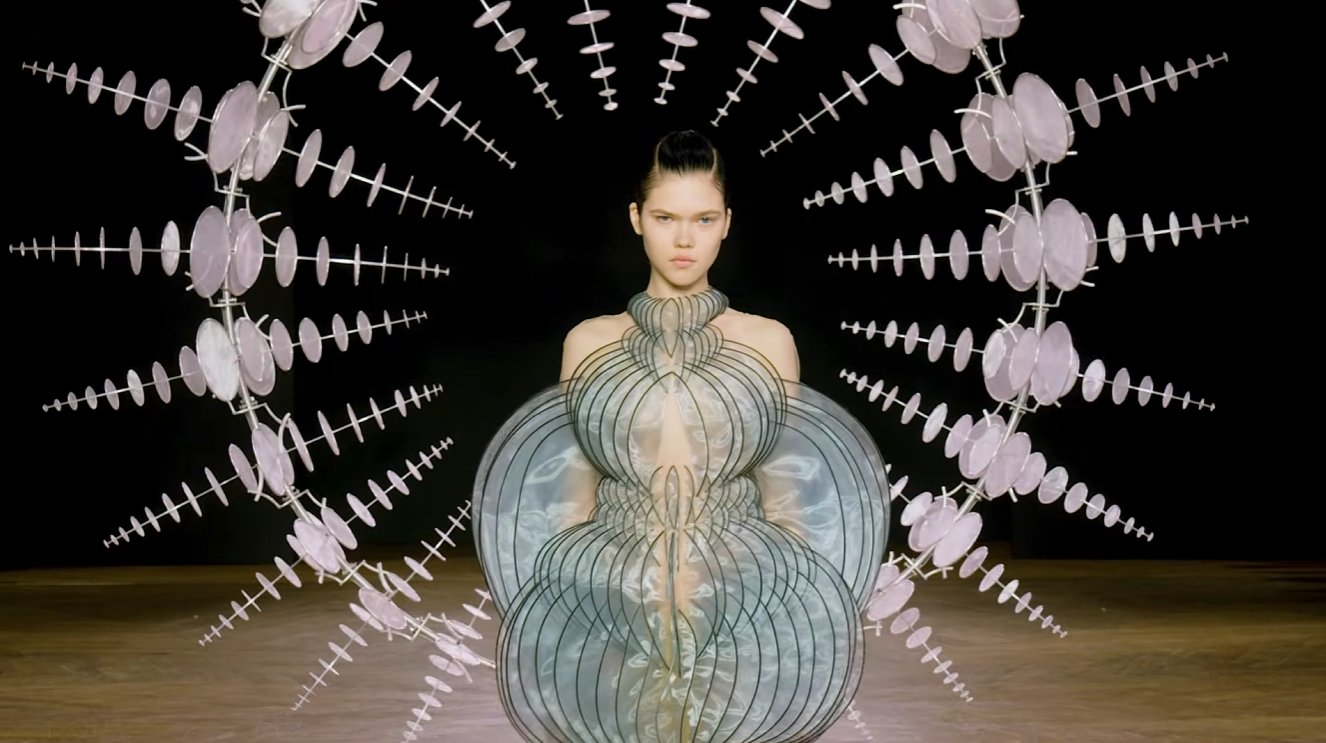
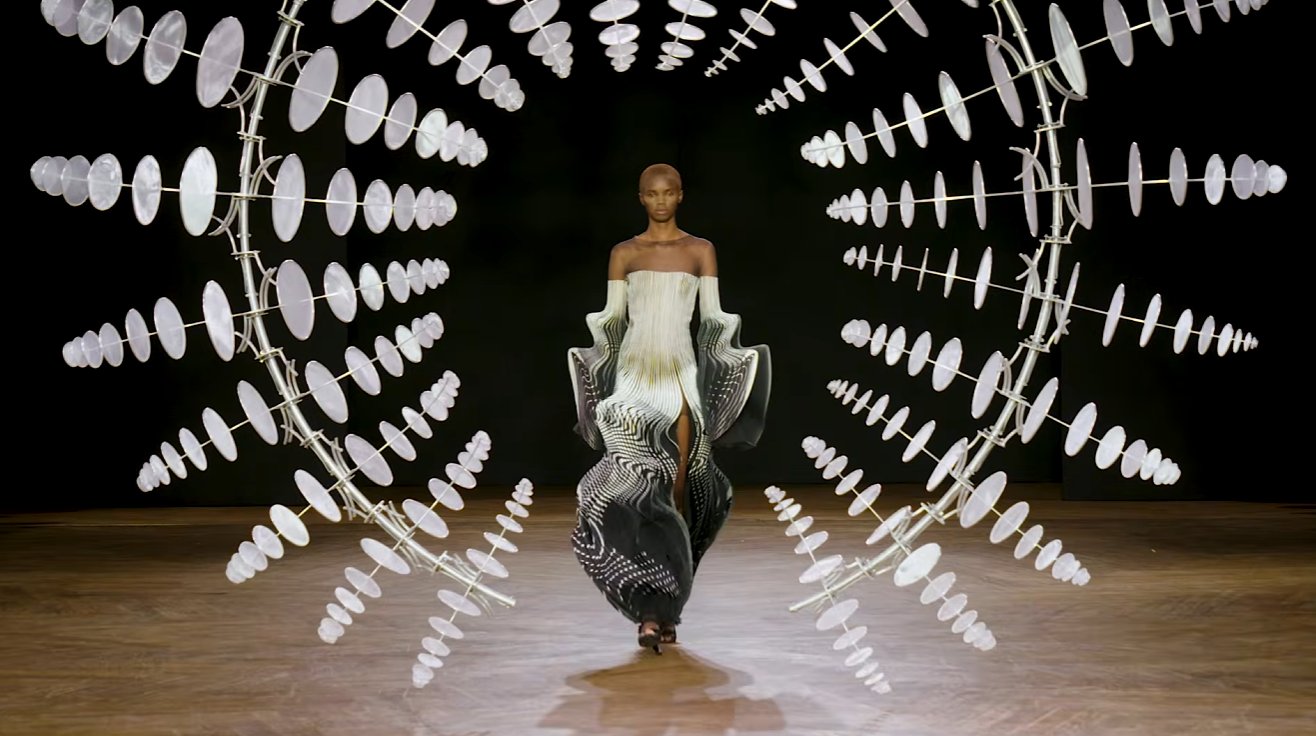
Symbiosis and synthesis. Systems and stasis. Sensational and stupefying. Clarity in Hypnosis. Presented July 1, 2019, at Élysée Montmartre in Paris, Iris van Herpen's "Hypnosis" collection took inspiration from the kinetic sculptures of American artist Anthony Howe, specifically his spherical "Omniverse" piece, which hung above the runway as a literal portal into the show. Howe's sculpture explores infinite expansion and contraction, a universal life cycle, and van Herpen constructed a collection around that very idea. Alien and earthly, atomic; models moving like microorganisms under a microscope.
The cycle of life, the ecosystem: each look here reaches its own kind of equilibrium, it's own kind of balance, like a flower using it's scent and sugar to trap insects, or an animal mimicking a flower to trick predators. Every breath we take is a revolution and revelation of the elements around us, and every look here perfectly captures the chemistry that funds all the life, death, and reincarnation the world has to offer.
Technically, the collection leaned on a technique developed with Professor Philip Beesley: tens of thousands of laser-plotted ripples, each just 0.8mm wide, cut into duchesse-satin so the fabric itself seemed to breathe and shift faster than the eye could track. The finale "Infinity" dress took this furthest of all, an engineered skeleton of aluminum, stainless steel, and bearings layered with feathers that rotated slowly around their own center, a mechanism captured perfectly, life, death, and reincarnation compressed into a single revolving silhouette.
Sources: Deezeen · V&A · designboom

Answer: 3% approach
Virgil Abloh called his editing philosophy the "3% approach," the idea that a design only needs to be altered by a small margin, around three percent, for it to register as new. He unveiled the concept publicly during a 2017 lecture at Harvard's Graduate School of Design, where it formed one part of a broader seven-point framework he called his "Personal Design Language." Speaking to the audience about his Nike collaboration, Abloh took off one of his own Air Force 1s to explain his thinking, telling the crowd, "I was only interested in restraining myself, and only editing it 3 percent." For Abloh, this wasn't a shortcut, it was a rejection of the idea that originality means inventing from nothing: everything references something, and the honest move is to acknowledge that reference rather than disguise it.
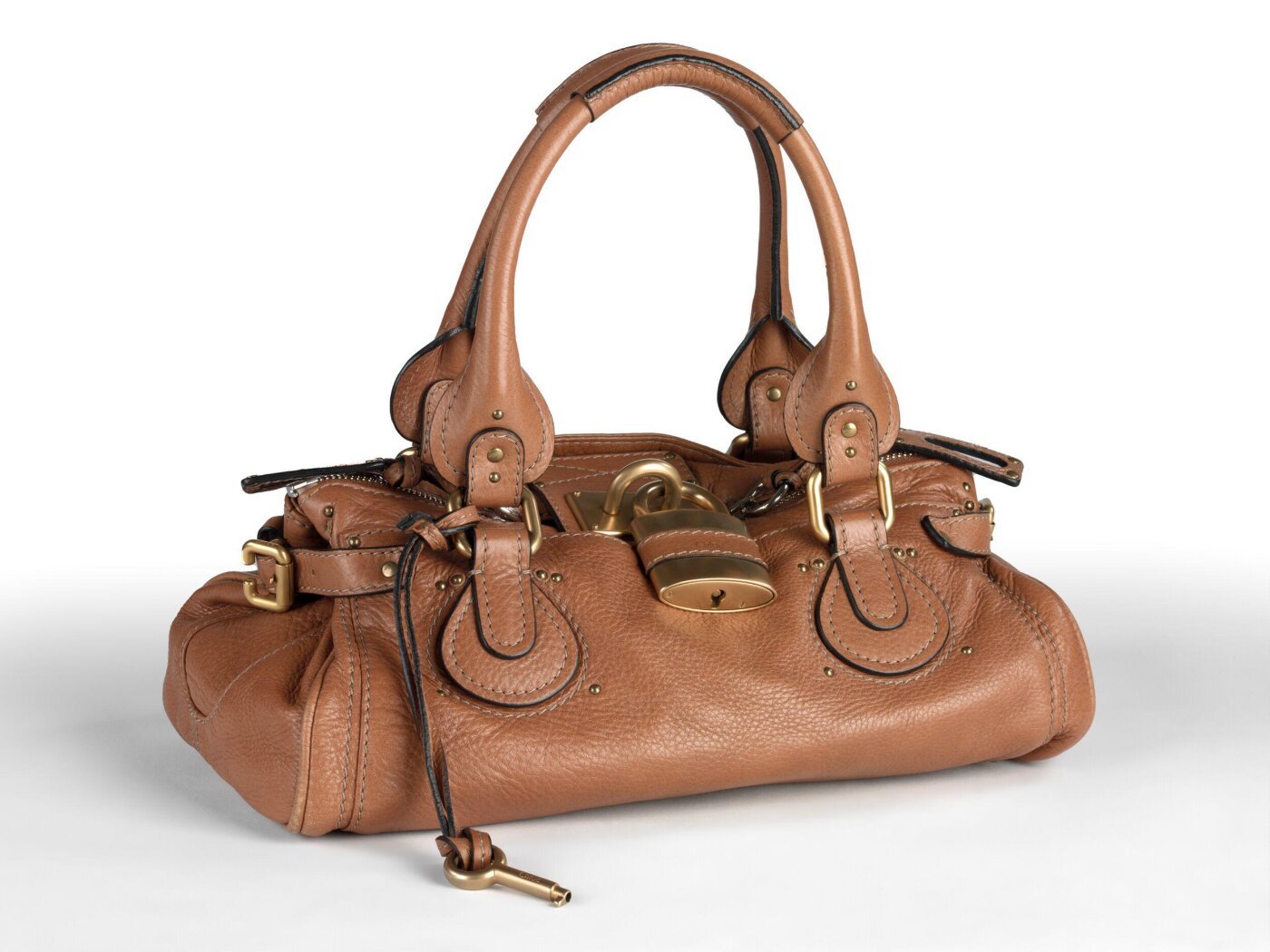
Answer: Paddington
In 2004, Phoebe Philo designed a bag for Chloé's Spring/Summer 2005 collection that would go on to define the entire "It bag" era of the mid-2000s. She named it the Paddington, after the London neighborhood she loved for its bohemian character, the same district that inspired author Michael Bond to name his fictional bear "Paddington" decades earlier, after the train station near his home. The bag's soft, slouchy leather and oversized brass padlock, weighing up to 500 grams, became instantly recognizable, and demand was so intense that the first 8,000 units sold out before they ever reached stores, with waiting lists forming immediately after. Kate Moss, Sienna Miller, Lindsay Lohan, and Mischa Barton were all photographed carrying it, cementing its status as one of the defining accessories of the decade. Two decades later, in 2025, current Chloé creative director Chemena Kamali reissued the Paddington on the runway, sparking a full-circle resurgence among a new generation.
Sources: South China Morning Post · Luxus + · V&A
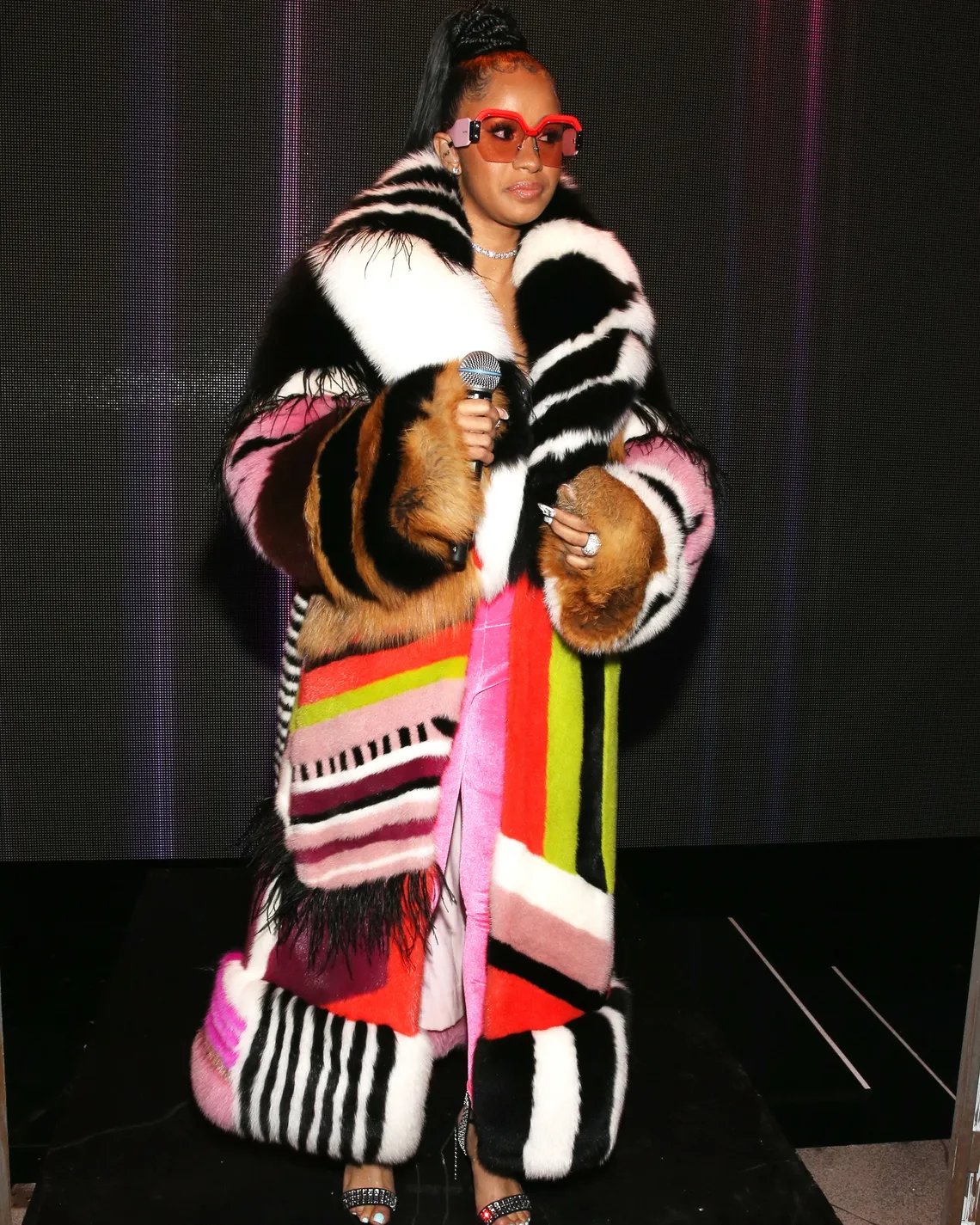
Answer: Cardi B
Christopher John Rogers grew up in Baton Rouge, Louisiana, drawing early design inspiration from Sunday mornings spent in a Baptist church, watching the monochromatic, meticulously coordinated silk-and-feather ensembles worn by the congregation. He studied at the Savannah College of Art and Design, and his senior thesis collection, drawing on artist Josef Albers's color theory and the ethnographic portraiture of photographers like Richard Avedon and Malick Sidibé, drew notice almost immediately: Cardi B wore the collection's "Eddie" coat to the 2017 BET Hip Hop Awards before Rogers had staged a single official runway show. Two years later, in 2019, he won the CFDA/Vogue Fashion Fund and its $400,000 prize, using it to hire his first full team. His client list has since grown to include Michelle Obama, Rihanna, Lizzo, and Tracee Ellis Ross.
Sources: W Magazine · CFDA · The Cut

Telfar Medium Shopping Bag | Orange