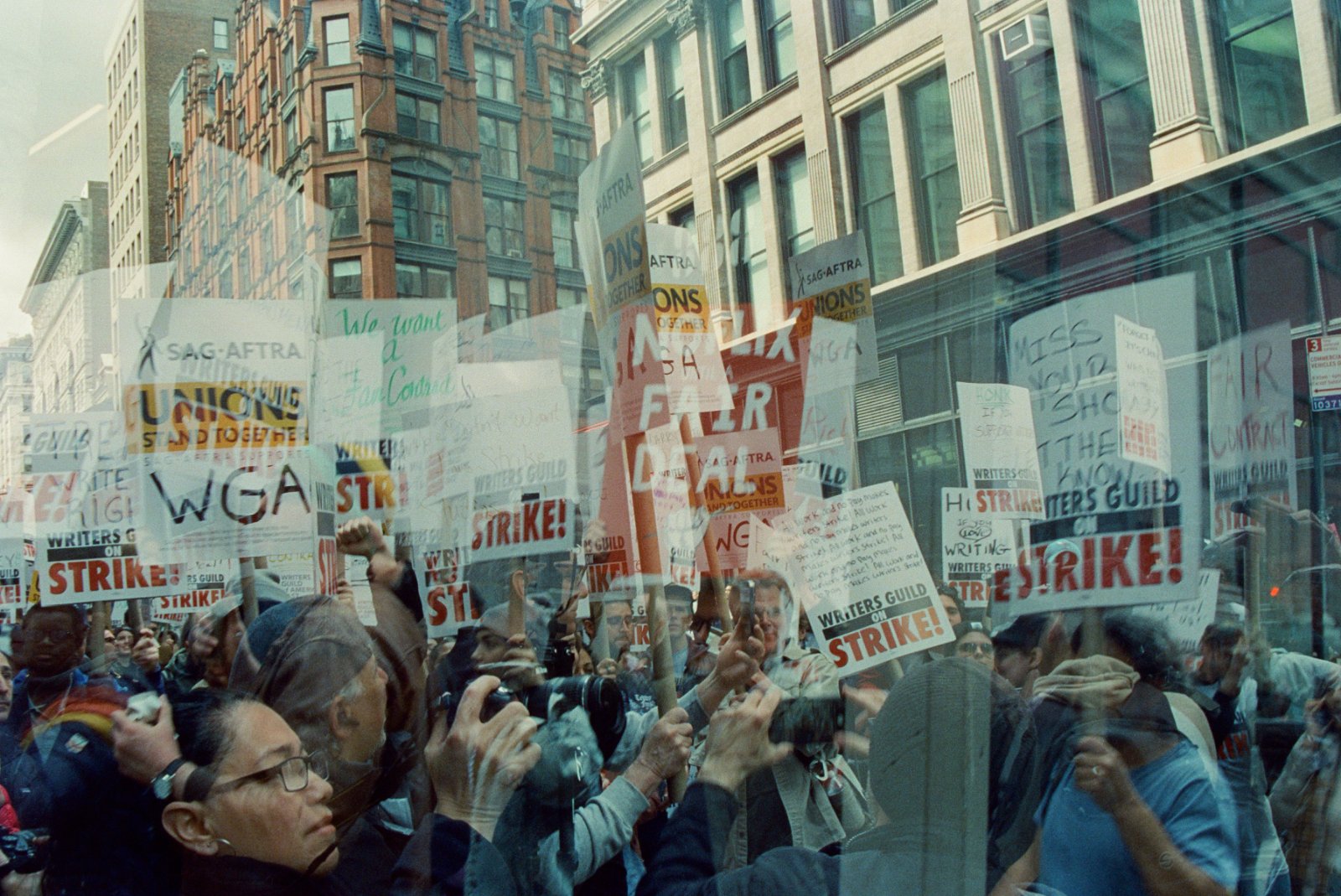
September 23, 2026
The issue of September 23, 2026
Every question from this issue, with the answers, the hints and the reading behind them.
Play the September 23, 2026 issue

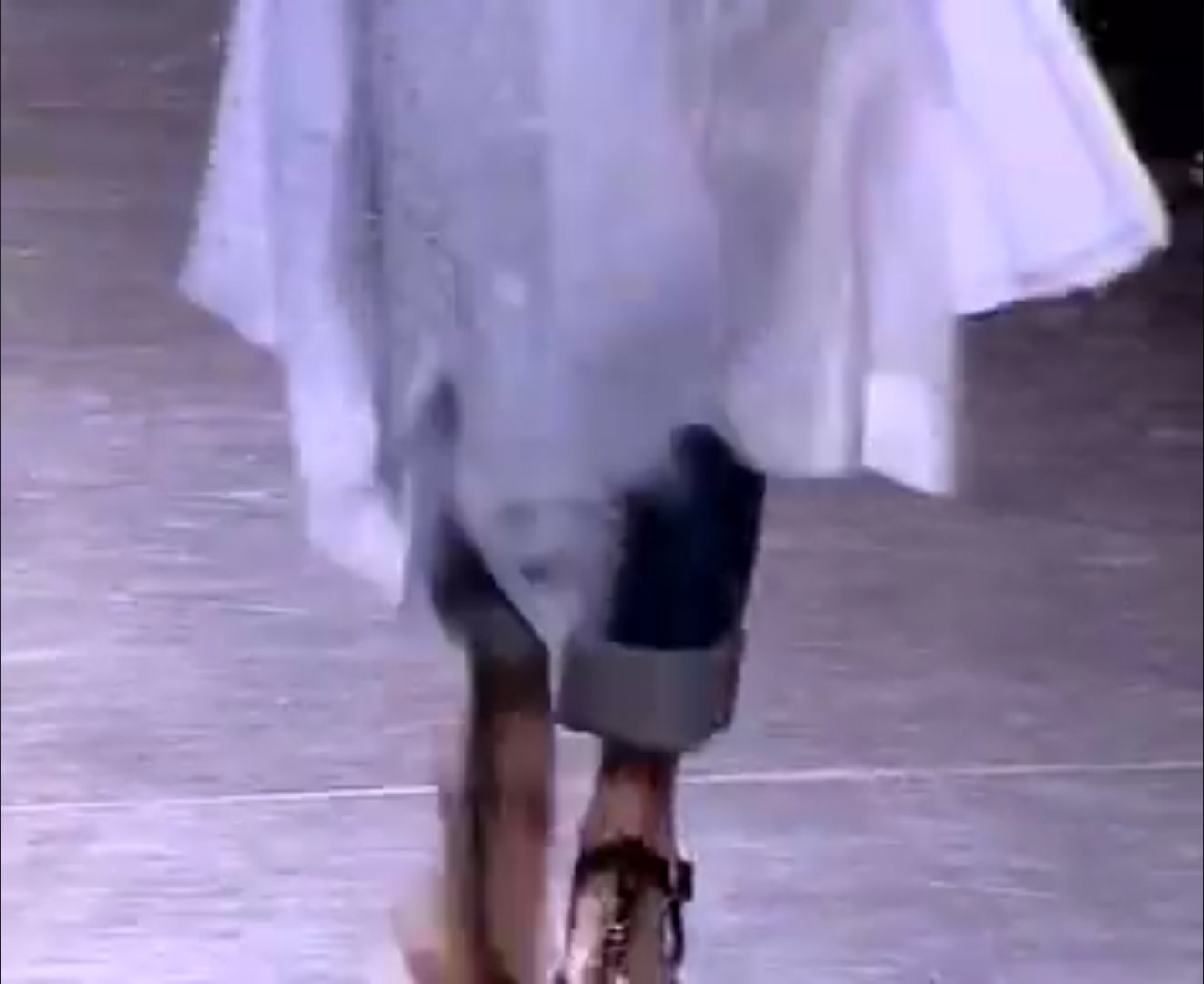
House: Junya Watanabe Comme des Garçons · Designer: Junya Watanabe · Season: Spring/Summer 2009
This collection saw Junya Watanabe turn to Africa for inspiration, and how graceful and wonderful a decision that was. You won't be able to tell since the video I got this screenshot from was shot through the lens of ripe plantain, but its overwhelming beauty still stood out to me. Tremendous craftsmanship, the blend of traditional African (I think West African) patterns mixed with all the folds and draping Watanabe is known for, makes for a really special collection. Vogue's Sarah Mower described it similarly, radiating a genuine, sunny calm rather than anxious escapism. Models carried sheaves of flowers under towering head wraps as birdsong played over the soundtrack. Watanabe folded colorful "African" prints, apples, hearts, and leaf motifs, into bunched, twisted, and draped tops, tunics, and dresses, then layered them against his own long-running signatures: faded denim, bright gingham, crisp eyelet, and sudden bursts of leopard print and neon. The look was rounded out with crisscross flat leather sandals, unusually comfortable footwear for a runway show by most critics' standards that season.


Sources: firstView (High Quality Images) · Part 2 of the Show (Equally Bad Quality) · Vogue · Sudden Chic · Denim Blog
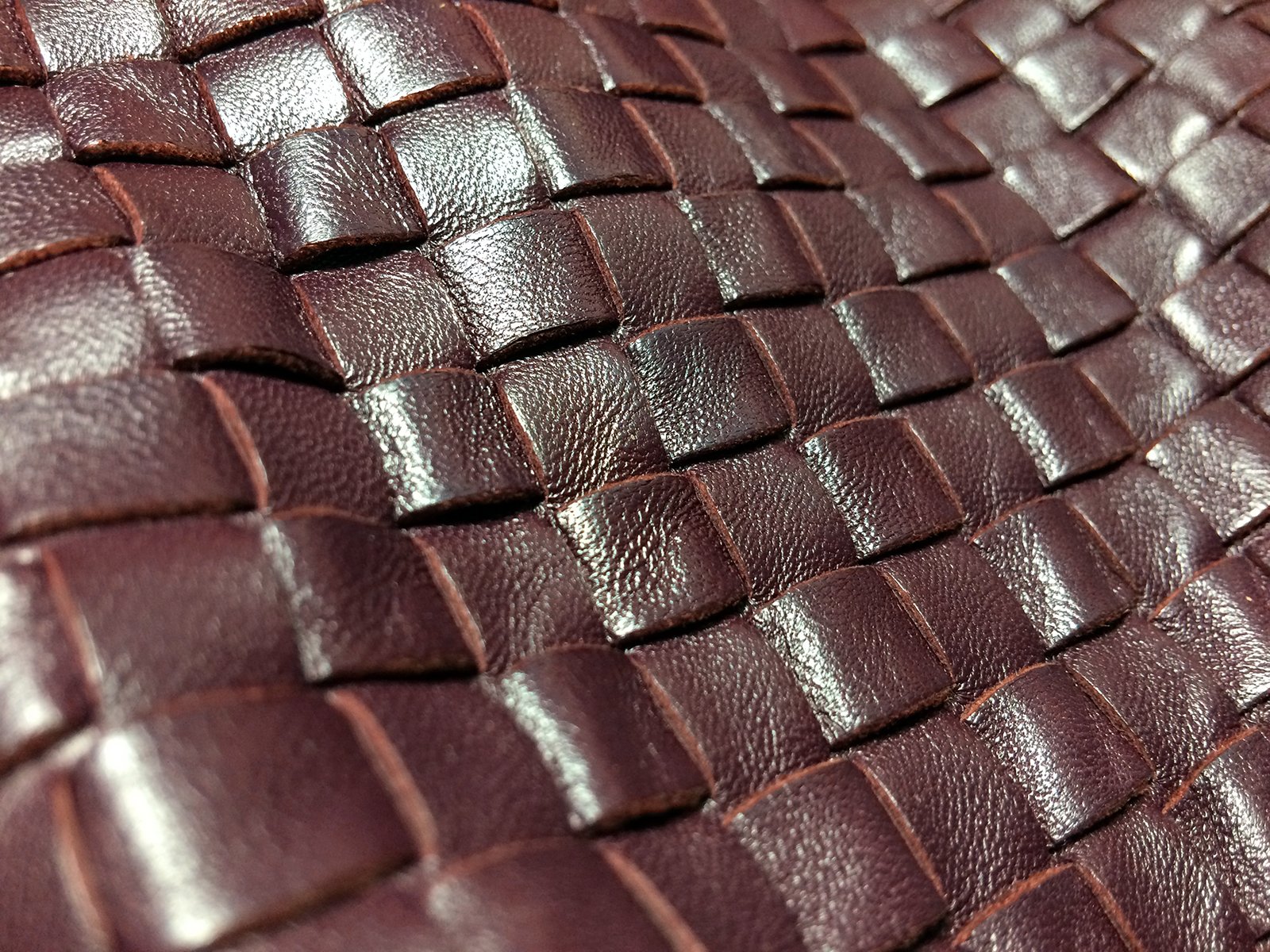
Answer: Intrecciato
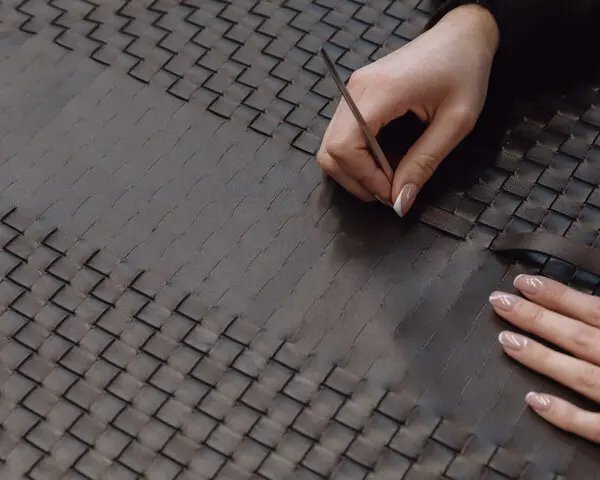
Bottega Veneta's founders, Michele Taddei and Renzo Zengiaro, launched their leather-goods atelier in Vicenza, Italy, in 1966. The local sewing machines available to them couldn't handle the thick hides typically used for handbags, so their artisans, working while standing, turned to thin, supple nappa leather instead, hand-weaving it into a durable, sculptural crosshatched pattern. That technique became known as intrecciato, Italian for "interwoven" or "braided," and it remains the house's defining signature over half a century later, expressed today through bags like the Cassette, Jodie, and Sardine. The house's philosophy of letting the weave itself carry the brand, with no visible logo required, became summed up in its unofficial motto: "When your own initials are enough."
Sources: 1st Dibs · Wanan Luxury
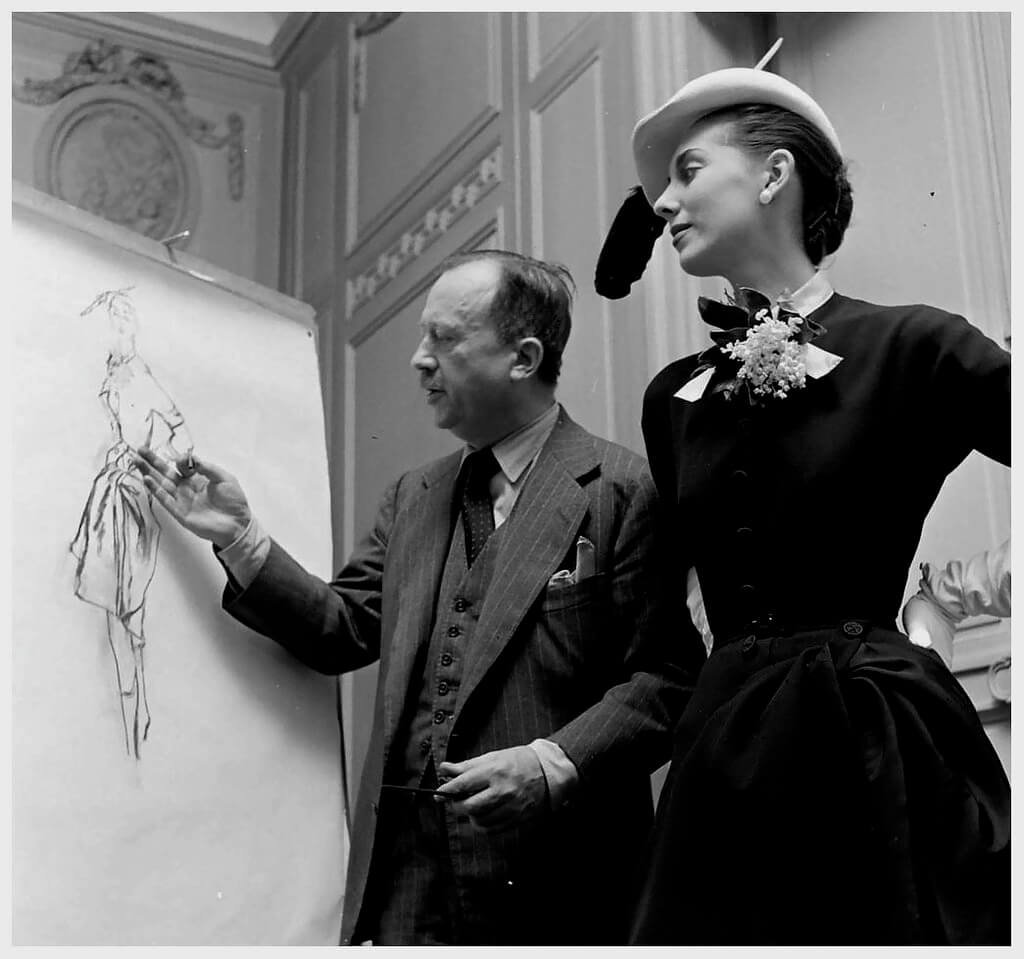
Answer: 1945 years
Pierre Balmain launched his namesake house on September 18, 1945, working out of a small Paris apartment at 44 Rue François 1er that had just been vacated by occupying German soldiers following the city's liberation the year before. His debut collection was defined by architectural tailoring, cinched waists, and strong shoulders, a silhouette shaped by his formal training in architecture. That aesthetic, later nicknamed "Jolie Madame" after his first fragrance, predated Christian Dior's "New Look" by two years, even though Dior is often credited as the one who popularized the post-war return to structured, feminine silhouettes.
Sources: WWD
Answer: New Balance 990
In 1982, New Balance released the 990, the first sneaker in history to carry a $100 retail price, a genuinely shocking figure at the time, when Nike and Adidas's most expensive shoes topped out between $60 and $80. That same year saw two other athletic-shoe landmarks: Nike's Air Force 1, designed by Bruce Kilgore as the first basketball shoe to use Nike's Air cushioning technology, and Reebok's Freestyle, the first athletic shoe ever designed specifically for women, which would go on to define the 1980s aerobics boom. But it was the New Balance 990's steep price that turned it into an instant status symbol, particularly in the DMV (Washington D.C., Maryland, Virginia), where it became closely tied to the region's go-go music scene and street culture throughout the '80s and '90s, long before the shoe found mainstream fashion appeal decades later.
Sources: DCist · Mr.Porter · Wikipedia for Reebok Freestyle · Wikipedia for Air Force One
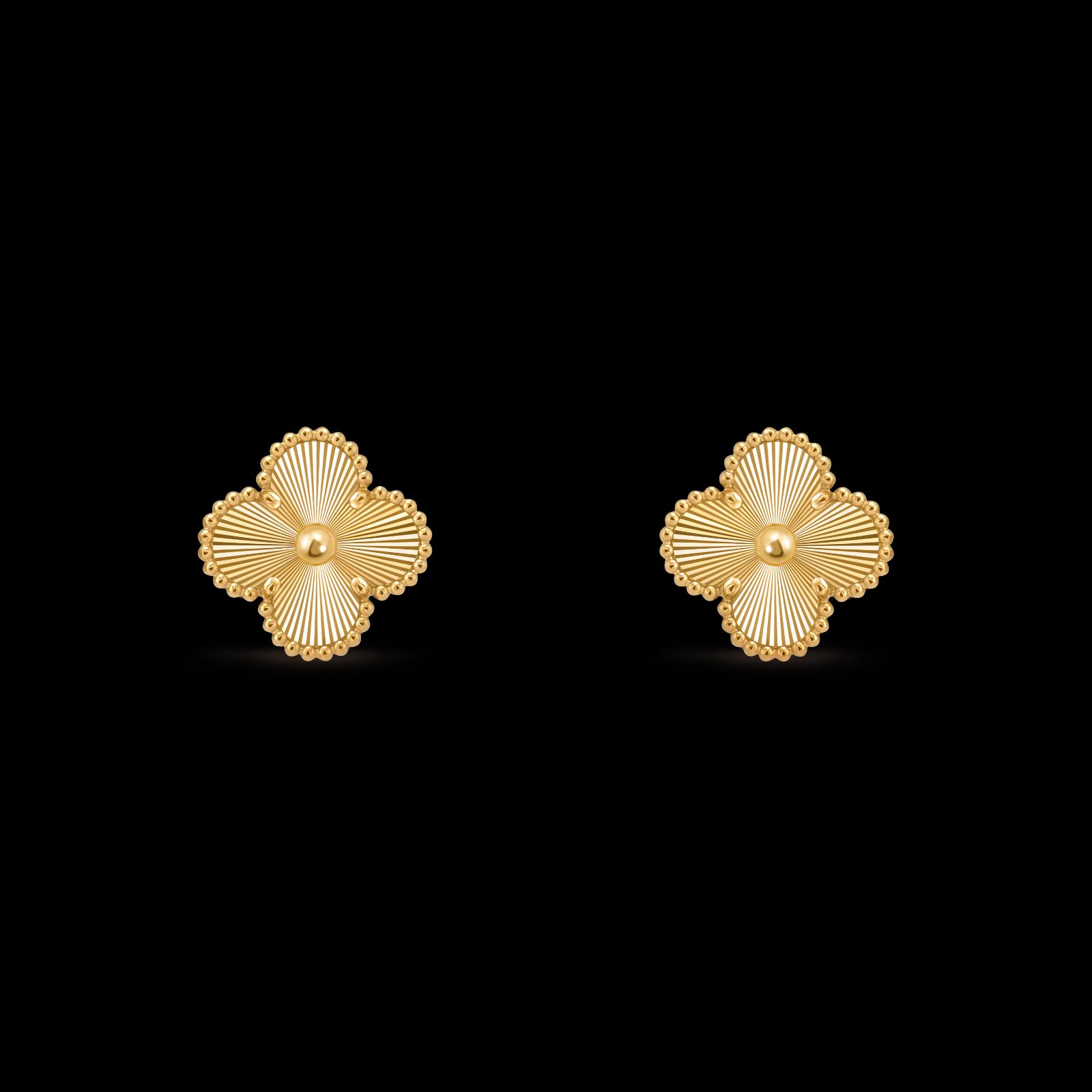
Van Cleef & Arpels, Alhambra Earrings