September 22, 2026
The issue of September 22, 2026
Every question from this issue, with the answers, the hints and the reading behind them.
Play the September 22, 2026 issue
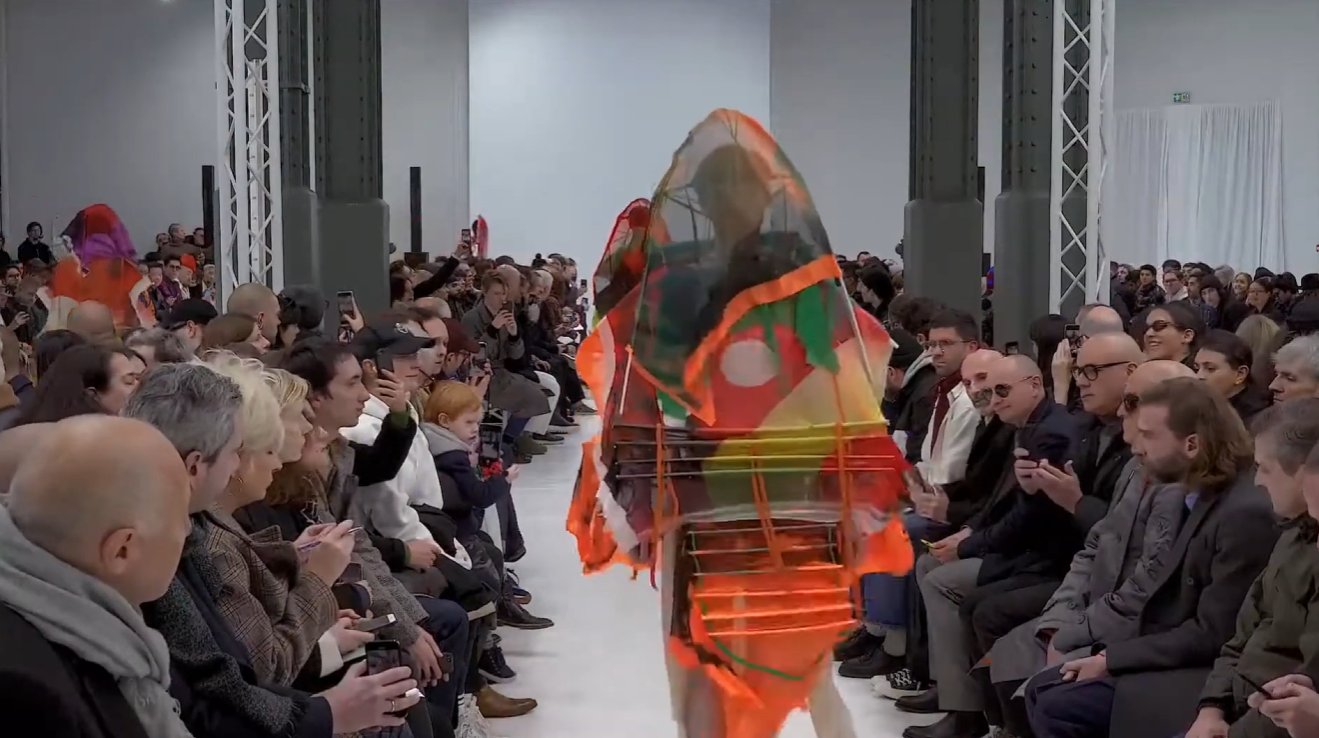
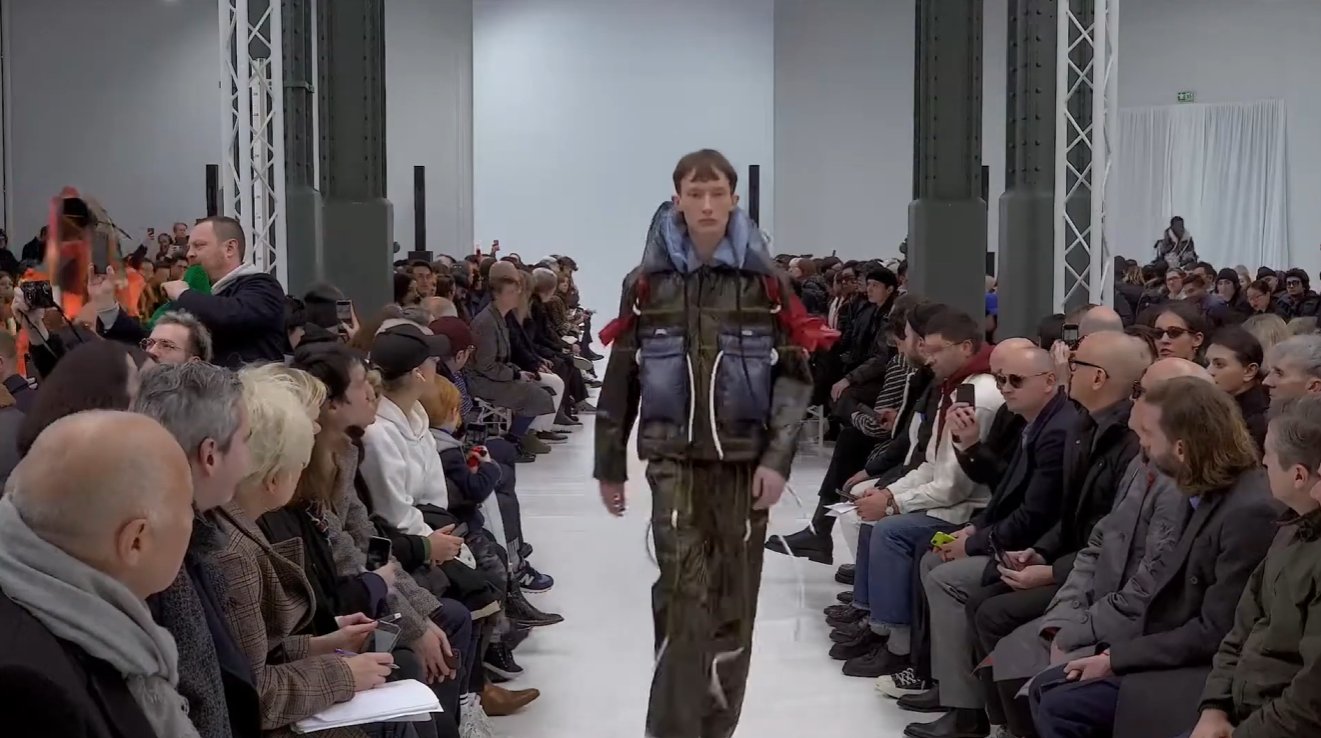
House: Craig Green · Designer: Craig Green · Season: Fall/Winter 2020
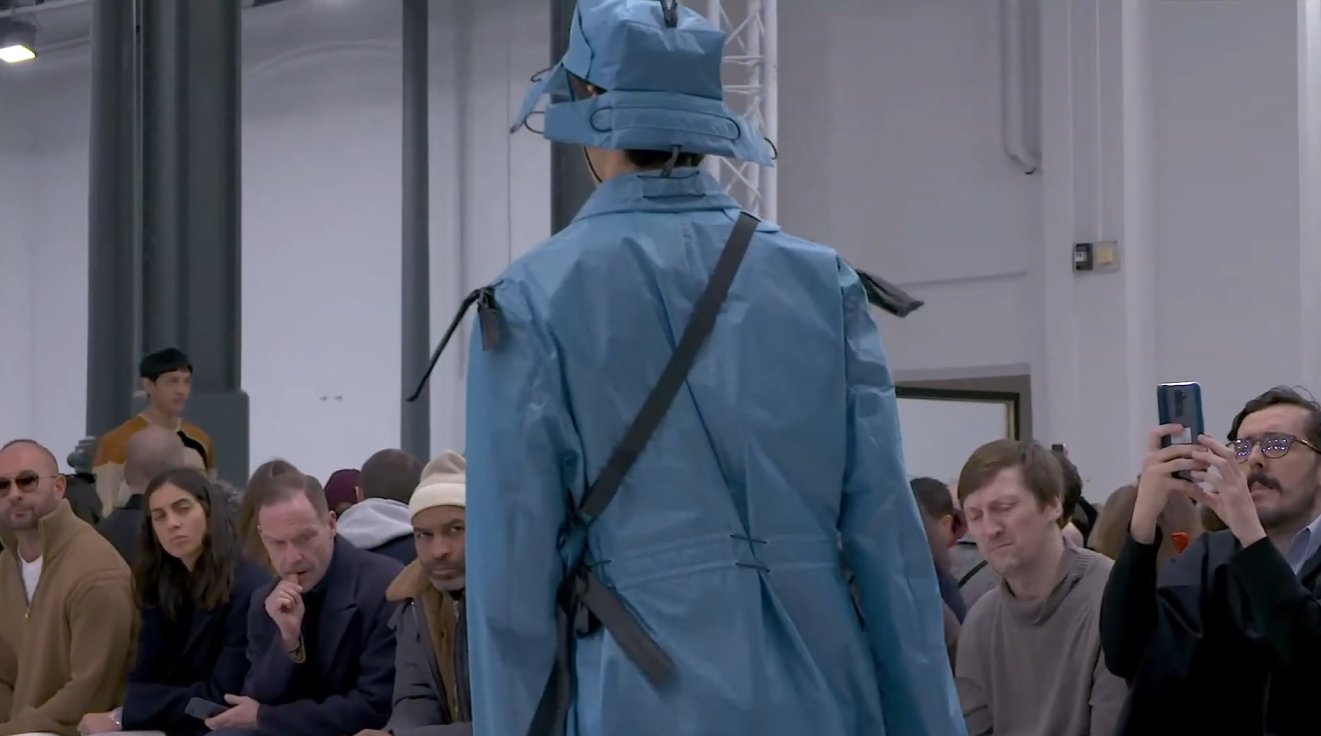
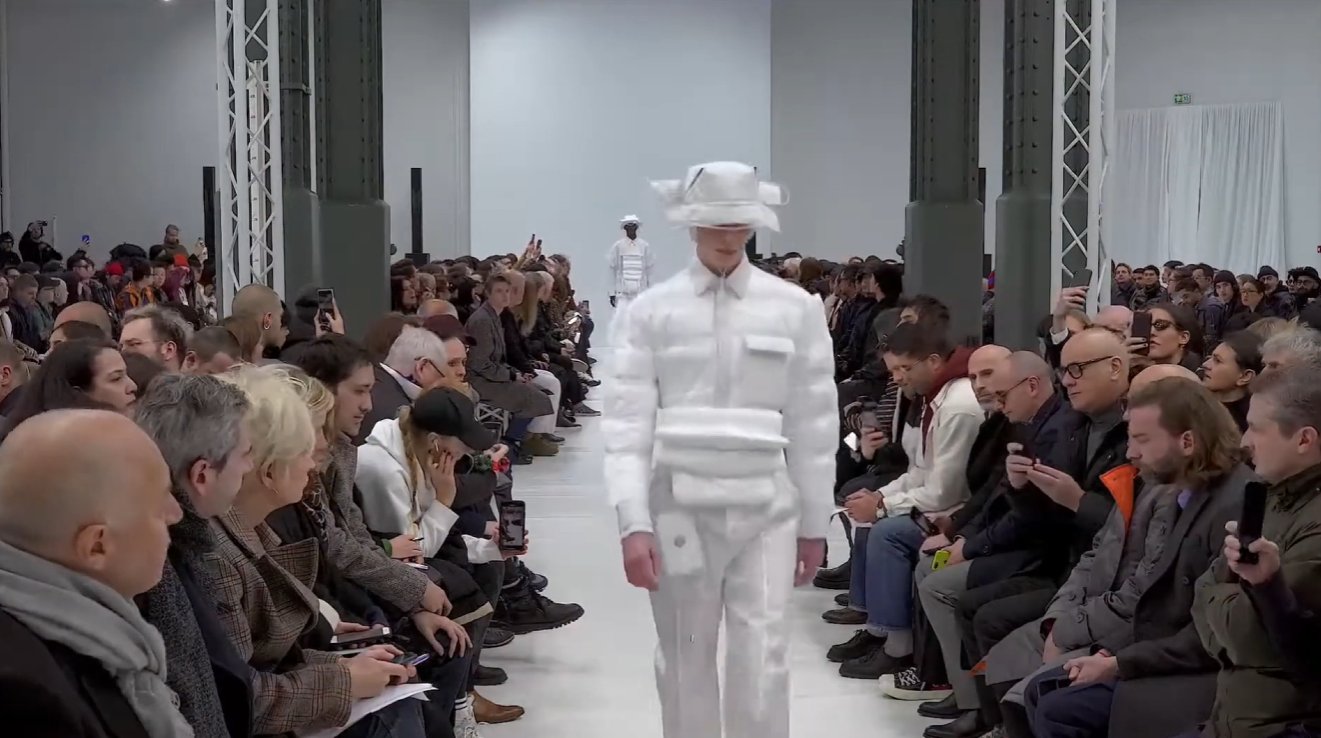
Craig Green debuted his Fall/Winter 2020 menswear collection on January 19, 2020, his first-ever Paris Fashion Week show after years of building his reputation in London. The idea of engineering, same with a designer like Chalayan, this very technical form of fashion, is my favorite. This show displays Green's mastery of material, all built around a packaging theme. "It started with this idea of packaging a person," Green said backstage. Instead of sleeping in the tent, what if you wore it? It's like leaving the tag on your clothes and using it as a surfboard, or donning the bubble wrap in your latest Amazon package like a bulletproof dress. This is the stuff I like most in fashion: its magical ability to make a spectacle out of the mundane. Are we wearing the air around us? It's like the fashion version of playing with the cardboard box instead of the toy inside of it, finding solace in imagination, to feel protected and preserved and delivered to our destination, no matter how many times we were left at the wrong door of our apartment building, or dropped from a plane onto sharp rocks before landing in a flowing river. This show is about baggage, how it's packaged, how it's transferred, how it's delivered, and how it's opened.
That idea ran through the actual clothes: ripstop nylon, normally used for wind sails, was cut into coats and trousers so they rustled as models walked. Tourniquet rubber, the material used to stop bleeding after a cut, or for slingshots, was hand-dyed and woven into what Green called "fruit packaging" wrapped around the models. Even the cashmere dresses that opened the show had a hidden protective layer sewn underneath, so the wearer was, in Green's words, "protected from you as much as you are restricted from feeling them."
Sources: WWD · Wallpaper · Highsnobiety
Answer: Metal, plastic, and paper
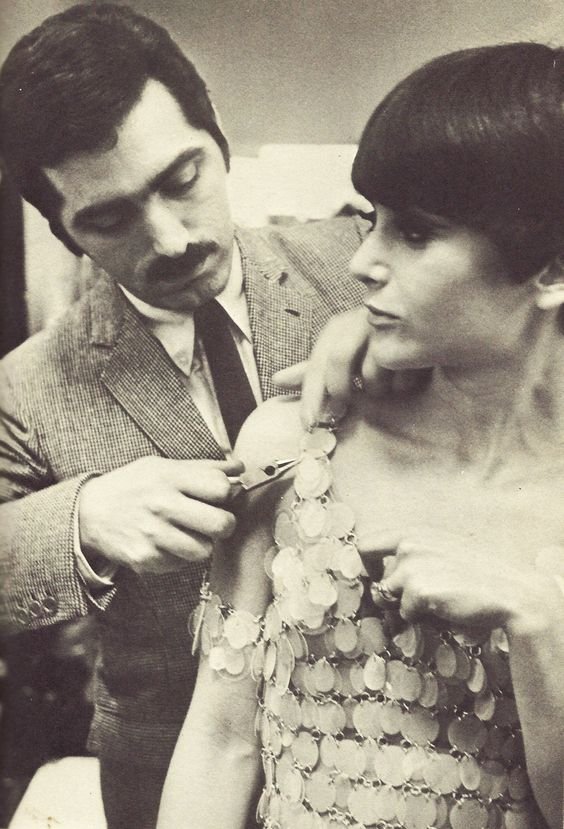
Maison Rabanne's very first show took place on February 1, 1966, at the Hôtel George V in Paris, built around a founding manifesto. The collection featured pieces made of rhodoid (a type of plastic) discs and lamella linked together by metal rings, giving birth to Rabanne's signature "assemblage" technique, alongside experiments in materials like paper. The show was groundbreaking beyond materials too: it was the first fashion show in history to feature Black models on the runway, and the first ever set to a musical composition, Pierre Boulez's "Le Marteau sans Maître," with models walking barefoot. Rabanne's fascination with unconventional materials, metal chief among them, earned him the nickname "the metallurgist of fashion" and a place alongside Cardin and Courrèges in fashion's "Space Age" movement. Coco Chanel, unimpressed, sniffed that "he's not a couturier, he's a metal worker," a jab Rabanne might have taken as a compliment. Two years later, he applied the same metal-and-plastic techniques to costume the 1968 sci-fi film Barbarella.
Sources: Rabanne · Laura Helms · Escama Studio
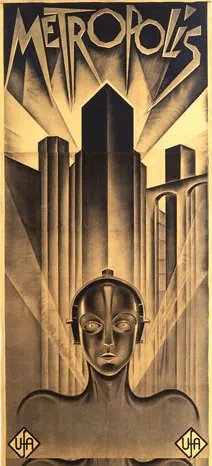
Answer: Metropolis
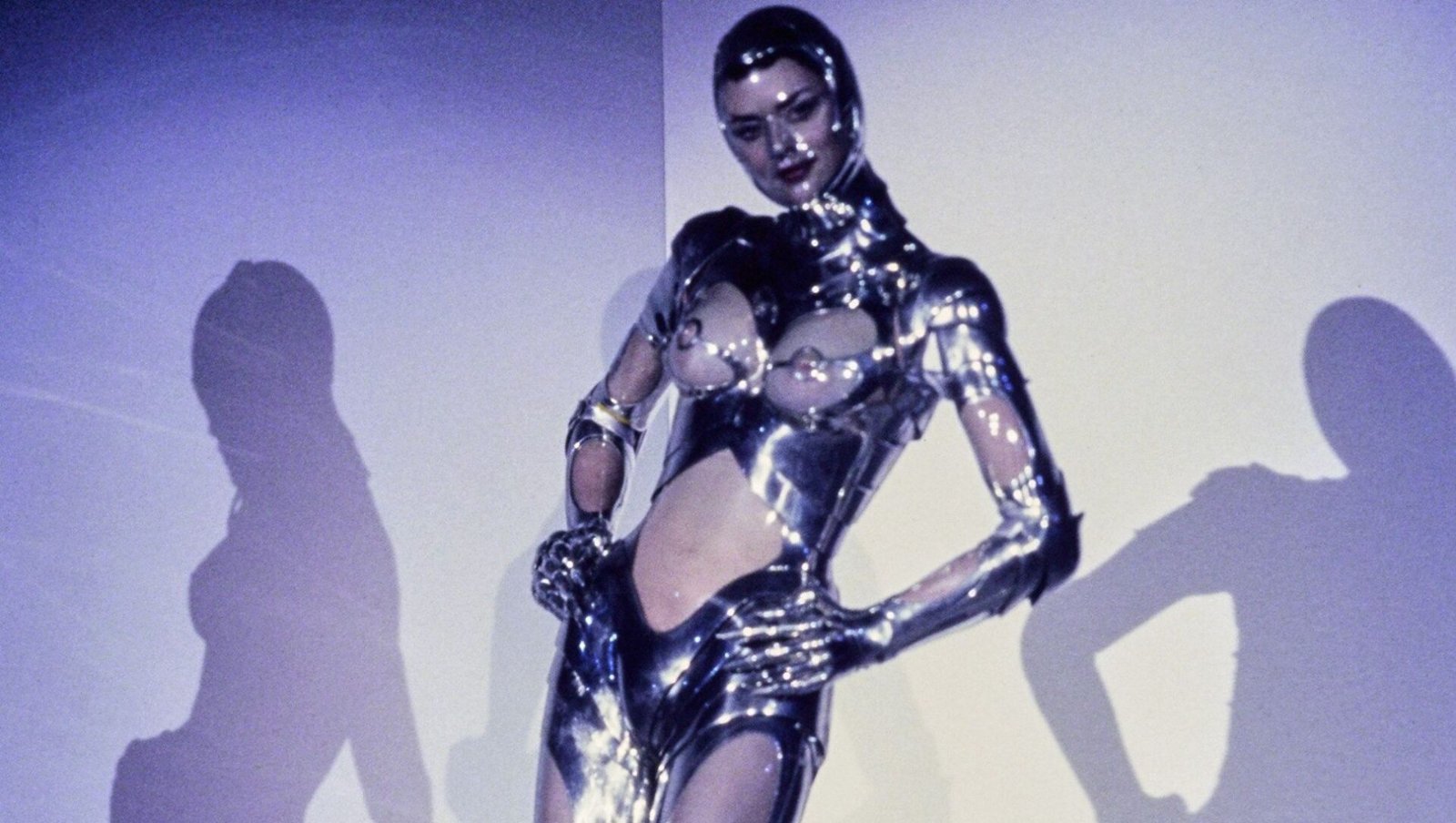
Thierry Mugler's 1995 "Robot Couture," officially titled Machinenmensch ("Machine Human"), was a metal-and-plexiglass cyborg bodysuit unveiled at his fashion house's 20th-anniversary haute couture show, modeled by Nadja Auermann. Mugler developed the suit over six months with artist Jean-Jacques Urcun and aircraft bodywork specialist Jean-Pierre Delcros, blending chrome-plated panels, sheer plexiglass inserts, and corset-like structuring so rigid it forced Auermann into a slow, mechanical "robotic striptease" down the runway. The piece paid tribute to Futura, the robotic character from Thea von Harbou's 1925 dystopian novel Metropolis, brought to the screen two years later in Fritz Lang's landmark 1927 silent film of the same name. The suit resurfaced decades later when Zendaya wore it to the Dune: Part Two premiere in 2024, styled by Law Roach.
Sources: Wikipedia · 29 Secrets · The Worley Gig · ITSLIQUID
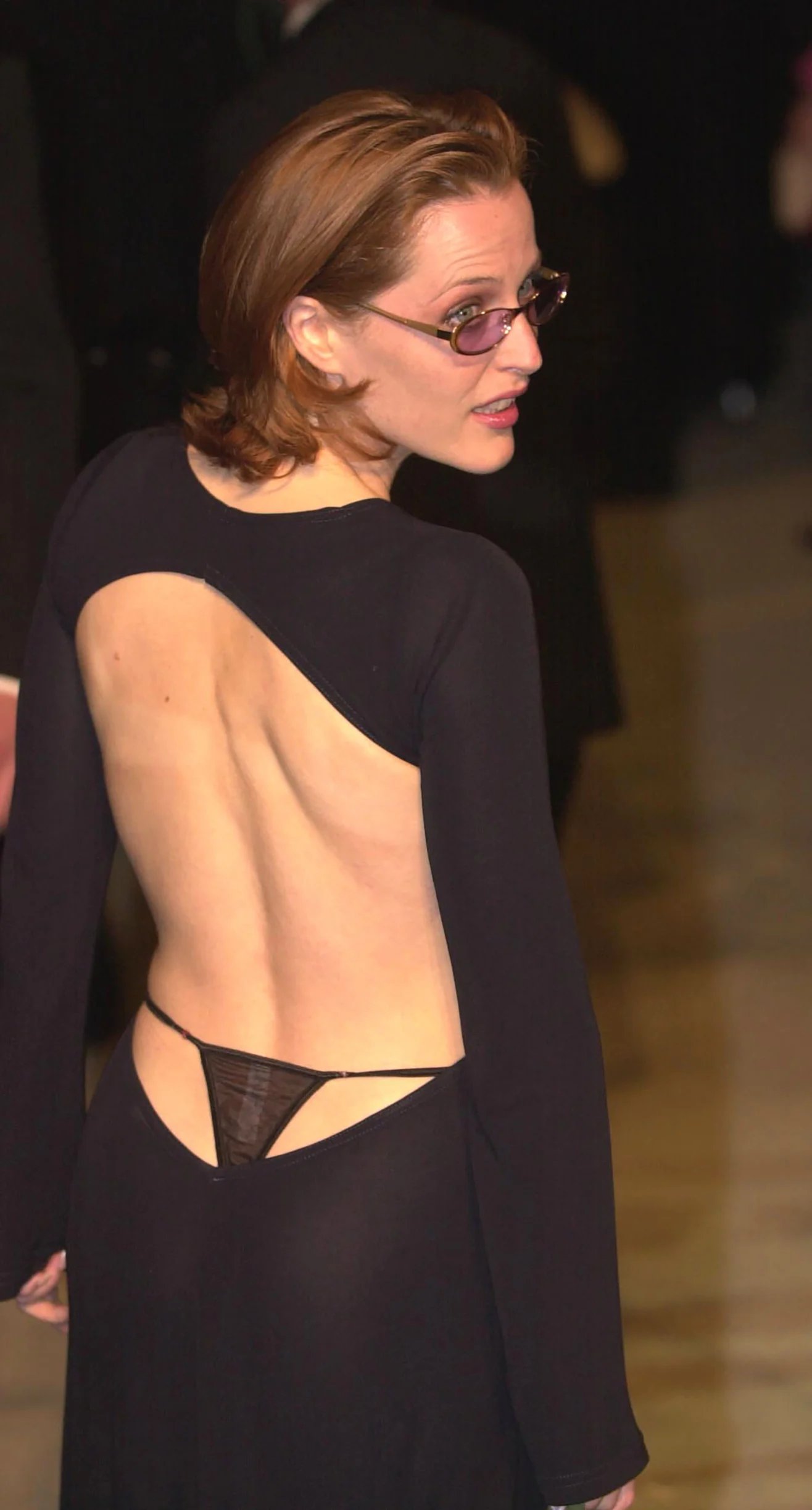
Answer: Eduardo Lucero
At an Oscars after-party in 2001, Gillian Anderson wore a long-sleeve minimal dress by Eduardo Lucero, bold cutouts exposing her bare back and a mesh thong, paired with just sunglasses as accessories. Nearly two decades later, Fashionista credited the look as a foundational moment for the modern "exposed thong dress" trend. Also, Crouching Tiger, Hidden Dragon cleared every movie nominated that year.
Sources: CNN · Oscars · Fashionista · Fashion Model Directory
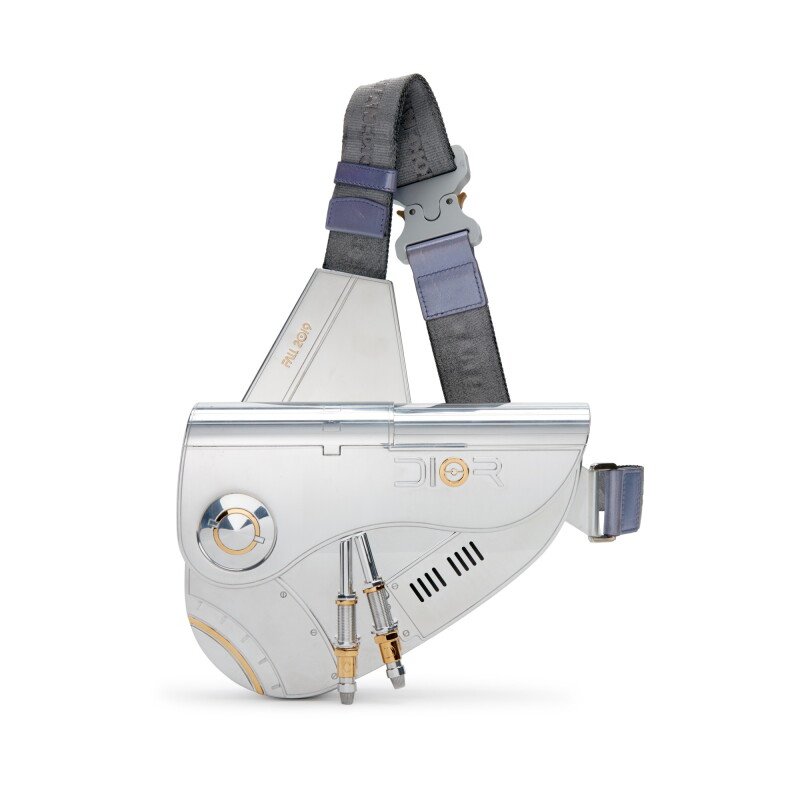
Christian Dior Silver and Gold Metal Sorayama Saddle Bag, 2019