September 21, 2026
The issue of September 21, 2026
Every question from this issue, with the answers, the hints and the reading behind them.
Play the September 21, 2026 issue
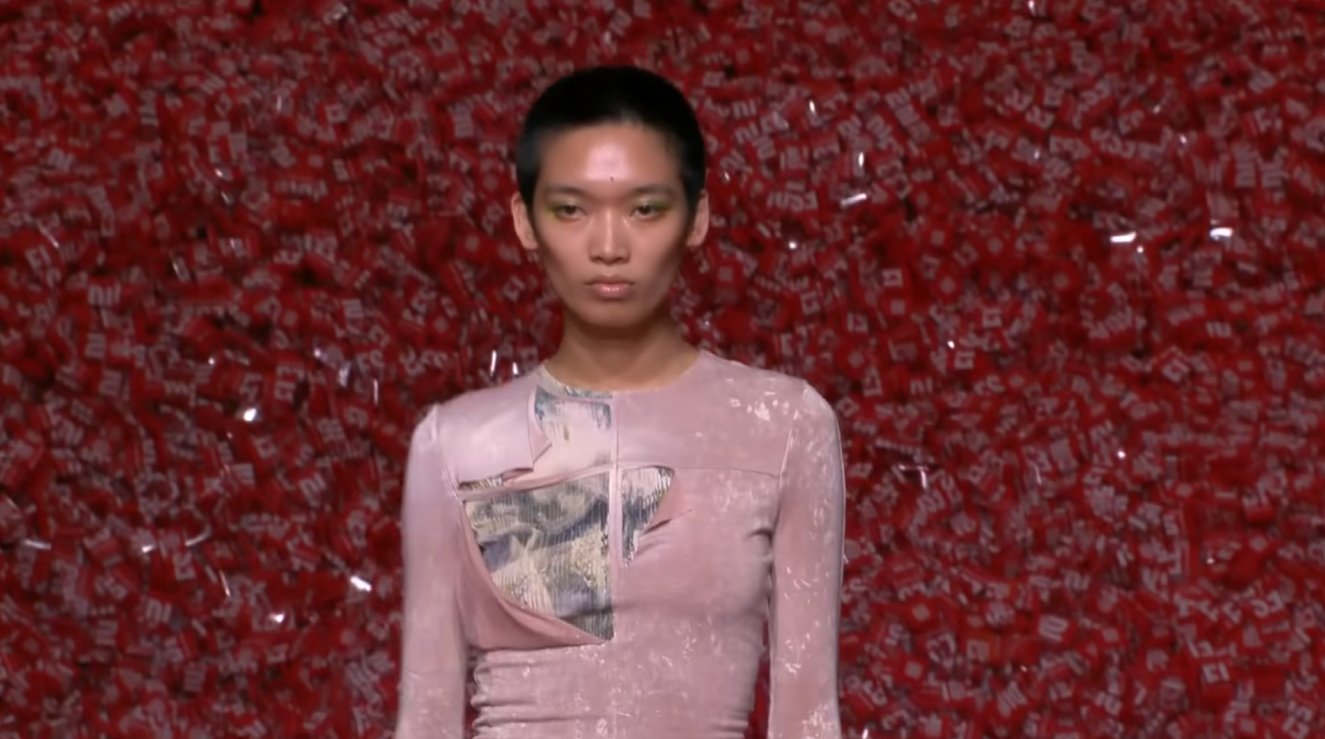
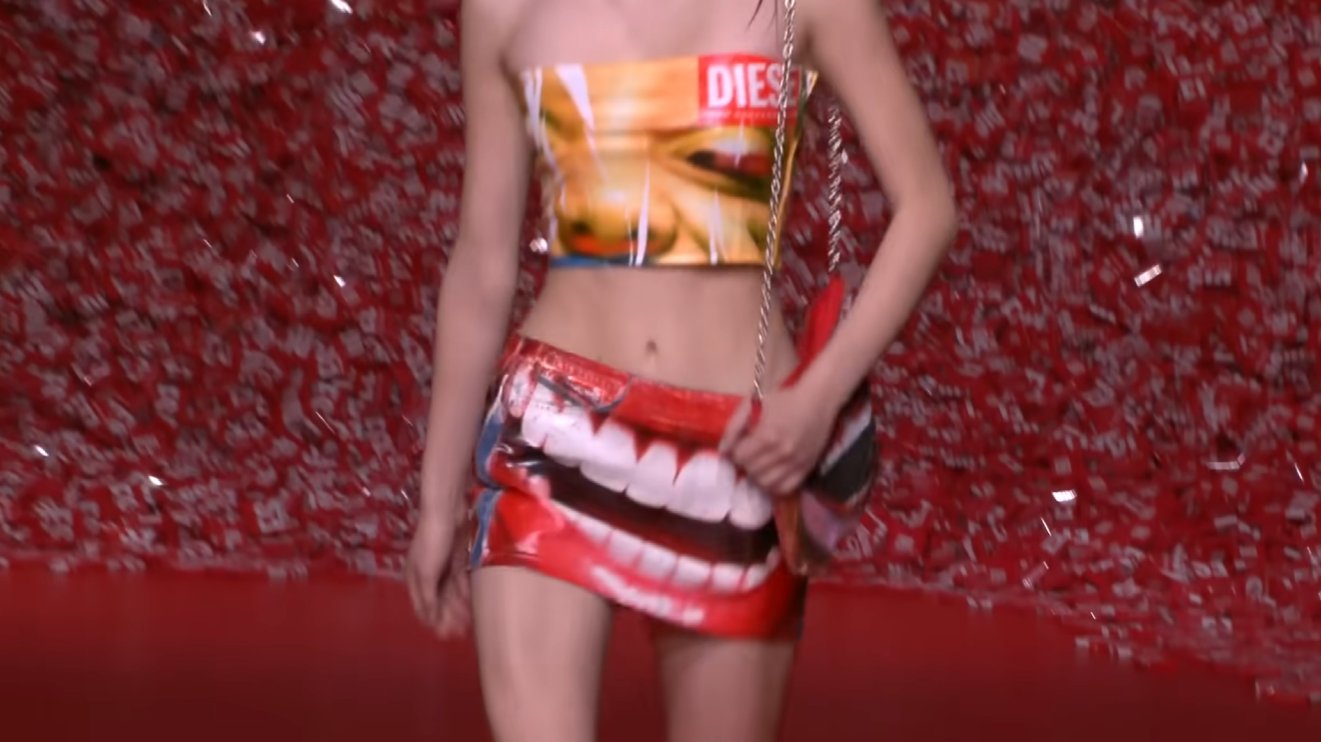
House: Diesel · Designer: Glenn Martens · Season: Fall/Winter 2023
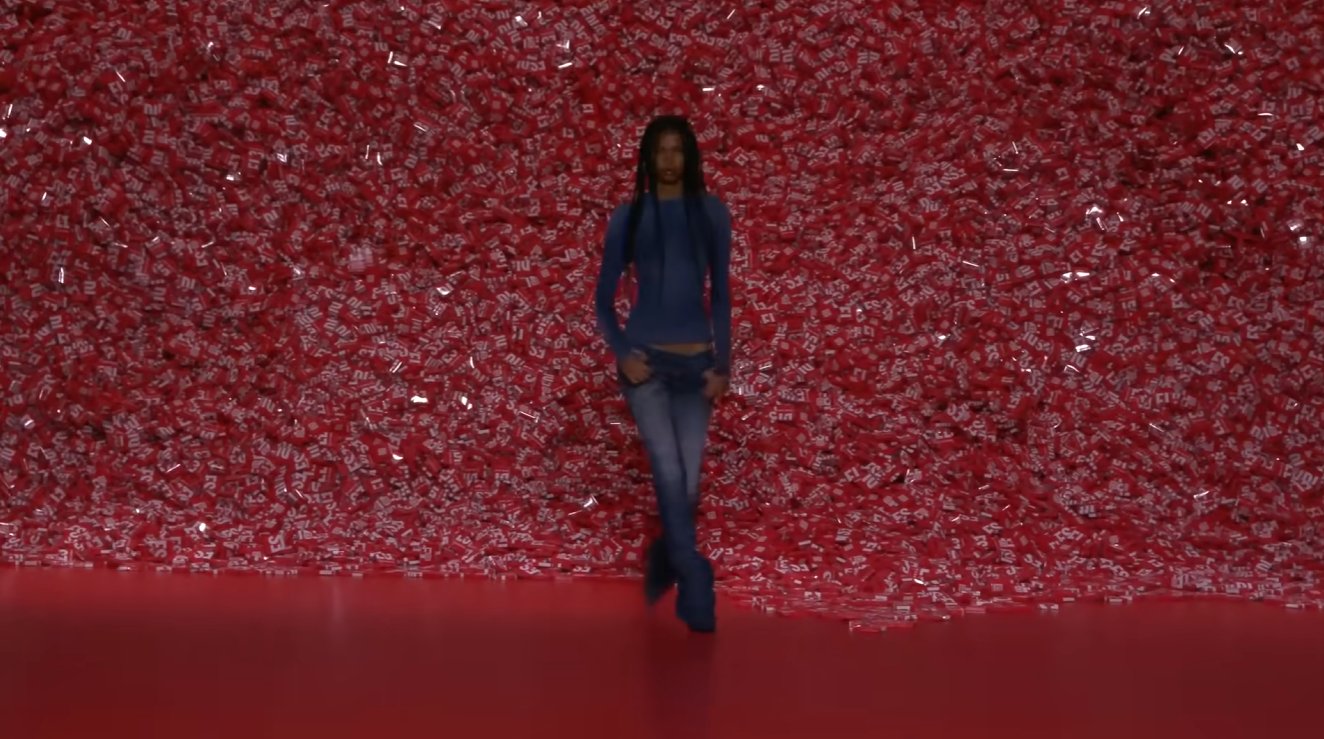
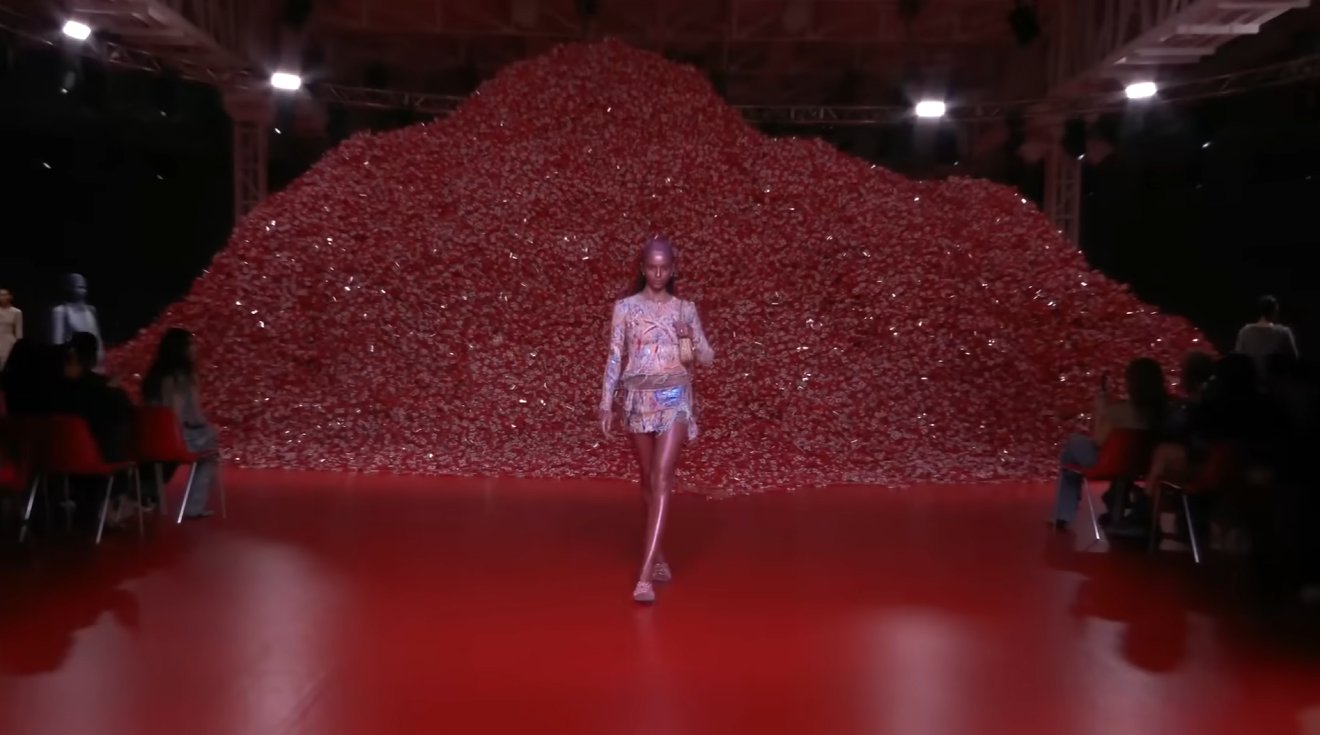
Diesel is a big topic right now, not for setting the runway on fire, but for burning a hole in people's pockets. Anyway, Diesel is also a famous fashion house, and today we're looking at their Fall/Winter 2023 show. This show features a mile-high pile of condoms (also ironic, but I won't double back on that), individually wrapped in the center of the set. Whether this presents a mountain to be climbed or an ore to be mined, this Diesel show is all about sex positivity and freedom. About 7 minutes in, the soundtrack briefly shifts into a moan and other adjacent sounds. As far as the actual fashion in the show, Creative Director Glenn Martens carried the concept straight into the clothes: denim was shredded into semi-sheer panels meant to evoke the barrier method itself, dresses ended in deconstructed, jellyfish-like hems, and coats were puffed up into an inflated silhouette. From what I see, there's a lot of shearing and ripping happening with the clothes. Are people being torn apart out of some carnal desire, or is there some malevolent force that claws into us to mark its territory? Diesel framed the whole collection around "freedom, pleasure, experimentation, and play," tying it to a real safe-sex initiative: a Durex x Diesel capsule collection launched the following April to promote sexual health awareness.
Sources: Fashionista · Hypebeast · Style Cartel · Vogue
Answer: Jean Paul Gaultier
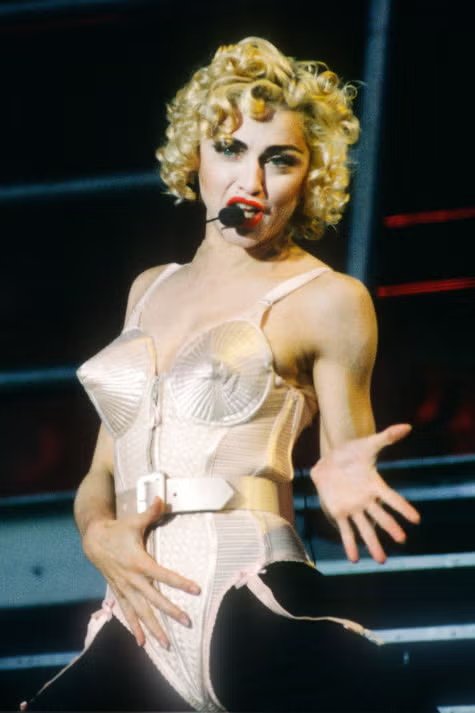
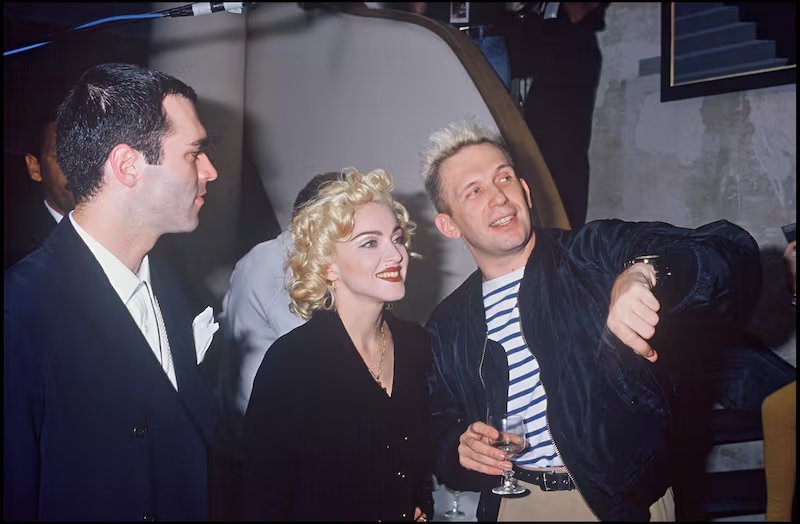
At Madonna's personal request, Jean Paul Gaultier designed the nude corset bodysuit and the rest of her wardrobe for the 1990 Blond Ambition World Tour, an outfit that came to define an entire era of her career and influenced fashion for decades. Gaultier had actually debuted the cone-bra concept on his own runway years earlier, in his 1984 "Barbès" collection.
Sources: The Looker · JPG Wikipedia · Fashion History Timeline · Elle
Answer: Starter, Champion, Nike
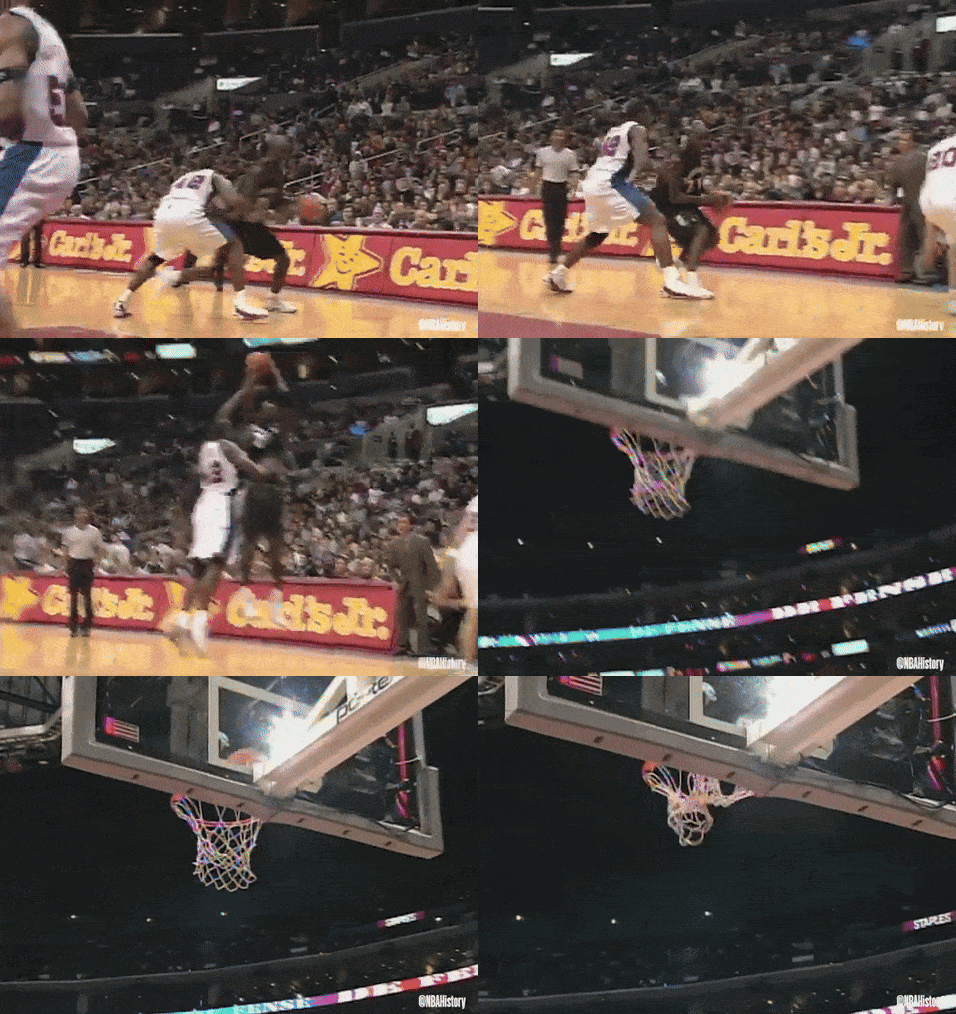
In the 1997–98 season, three companies split the NBA's on-court uniform licenses. Nike outfitted 10 teams, including the San Antonio Spurs. Starter outfitted 9 teams, including the New York Knicks and, that same season, the Minnesota Timberwolves. Champion outfitted the remaining 10 teams, including the Philadelphia 76ers, while also holding the exclusive league-wide license to produce replica jerseys for all 29 teams. Puma wasn't part of the mix yet, it only entered the NBA jersey business the following season, in 1999–2000, after Starter declared bankruptcy and Puma absorbed its contracts, which is why the Timberwolves jersey pictured here is credited to Puma for 1999–2001 rather than for the 1997–98 season in question.
Sources: Basketball Jersey Archive · Champion Blogger
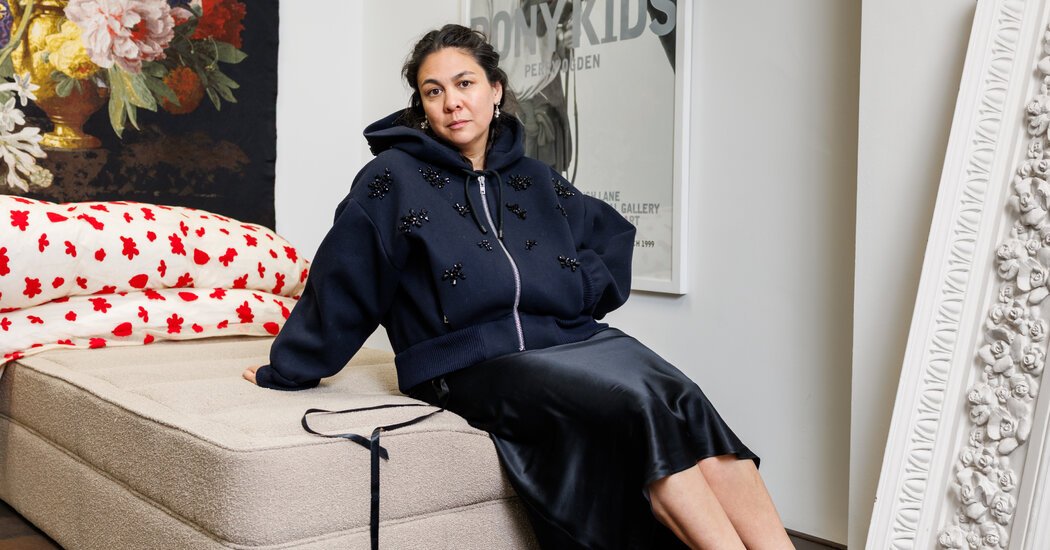
Answer: Simone Rocha
Simone Rocha is the daughter of John Rocha, an established Dublin-based fashion designer, which gave her early, close exposure to the industry. She graduated with an MA from Central Saint Martins in 2010 and launched her own eponymous label that same year, quickly building a devoted following, Dover Street Market's Adrian Joffe was an early champion. Her signature aesthetic blends pearls, tulle, and a Victorian-meets-punk romanticism, most iconically in her pearl-shaped handbags. She's dressed stars like Rihanna, FKA Twigs, Billie Eilish, and Chloë Sevigny, and extended her reach through collaborations with Crocs, H&M, Moncler, and J Brand, as well as serving as guest couturier for Jean Paul Gaultier's Spring/Summer 2024 haute couture show.
Sources: Fashion United · Simone Rocha Wikipedia
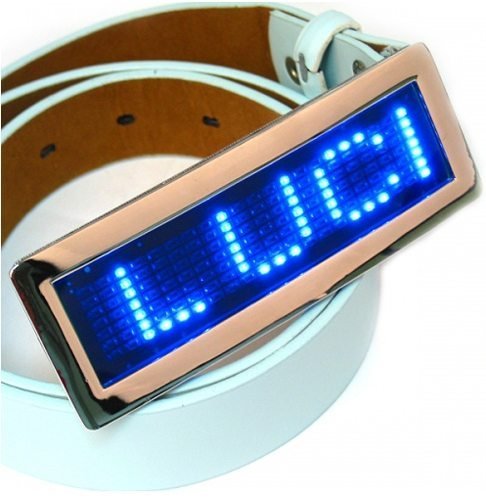
2000s LED Digital Belt