
September 19, 2026
The issue of September 19, 2026
Every question from this issue, with the answers, the hints and the reading behind them.
Play the September 19, 2026 issue
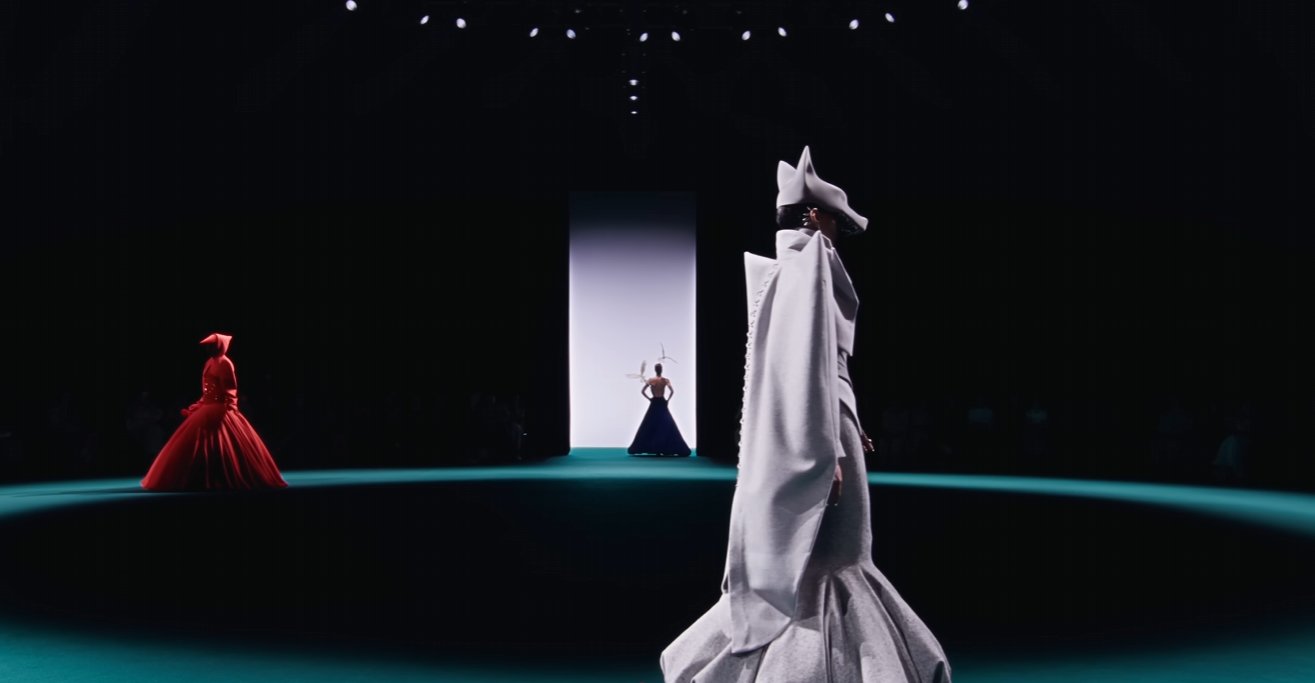
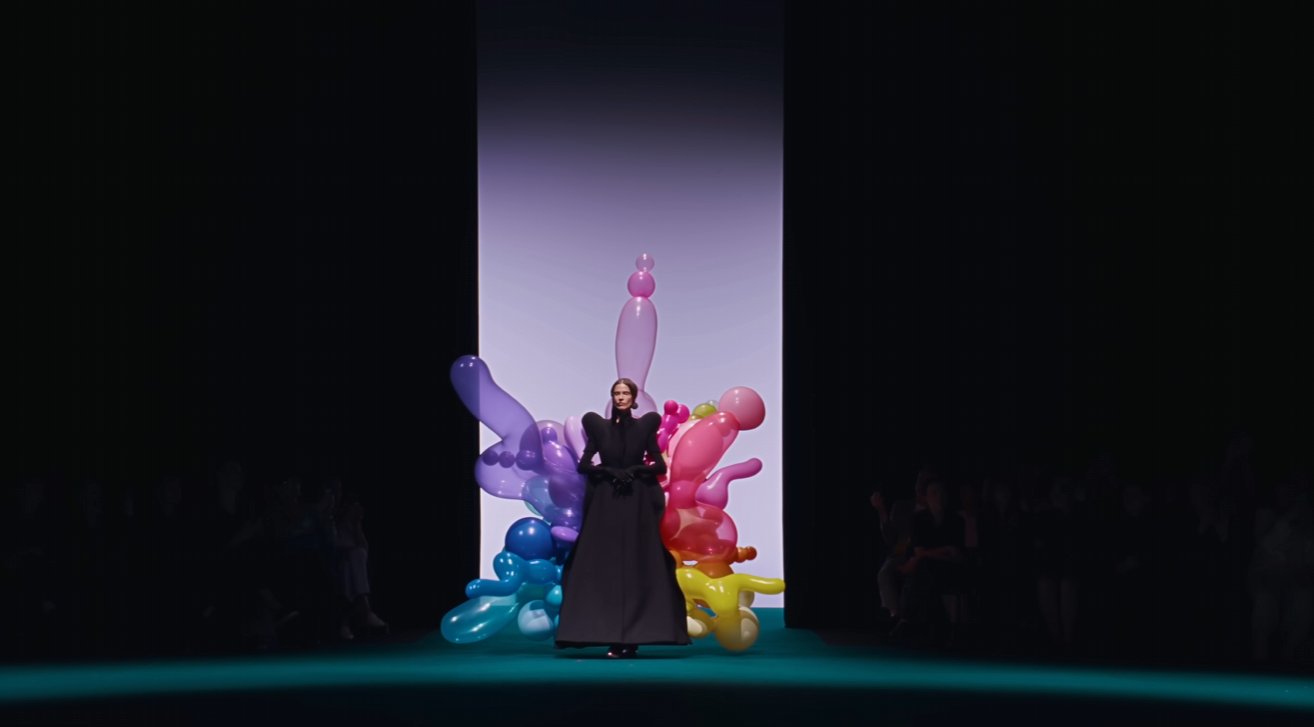
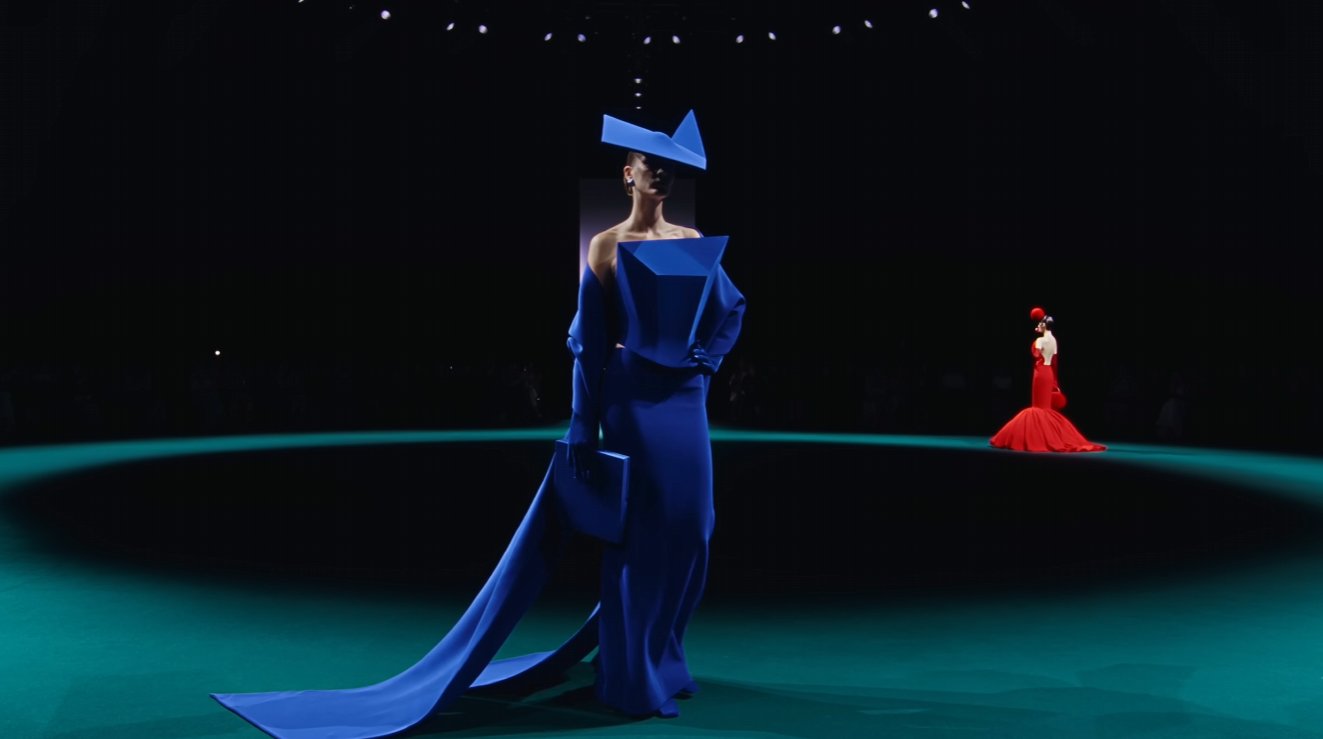
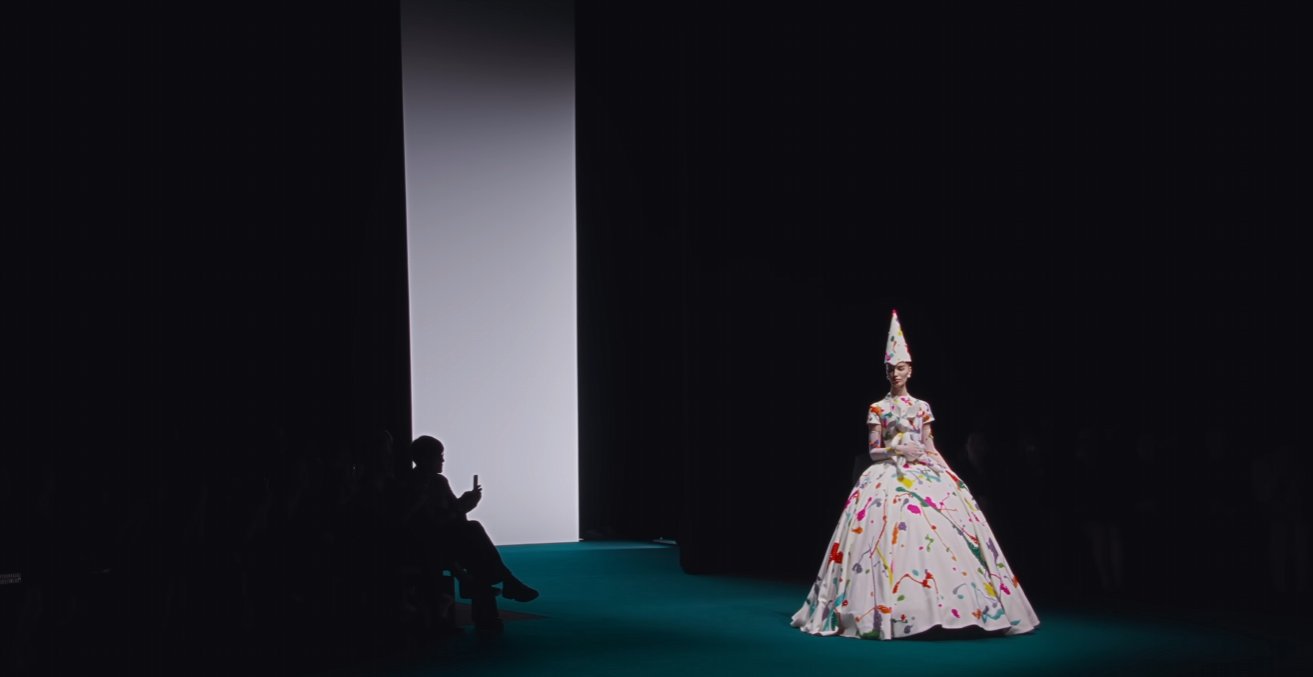
House: Robert Wun · Designer: Robert Wun · Season: Fall/Winter 2026-27 Haute Couture
This show reminds me of the toybox I had as a kid. A horde of random toys from an arsenal of IPs. I used to run a little wrestling promotion where John Cena would often fight Donkey Kong-the same Kong who had a frenemy thing going on with Mickey Mouse (whose finishing move was spearing his opponents with the magic hat stitched into his scalp. I used to play in zombie environment scenarios with Legos, an old Rav-4 toy car, and various toy soldiers. I had an unfinished Fantastic 4 jigsaw puzzle that I would use as carnage. I remember how sad I was when my mother threw Beary away, a little stuffed bear that had deteriorated into nothing, but had still meant something to me. I still have that toy box, hidden in the closet behind all those clothes (and a couple of pillows, and comforters, and god knows what else). Maybe my children will one day inherit this toy box and make a world of their own out of it.
Robert Wun, arriving after two and a half years of nonstop work and admitted exhaustion, built his Fall/Winter 2026-27 couture show, "Childsplay," out of that same impulse: turning childhood's raw material, half-remembered toys, cartoon logic, private mythologies, into something adult and monumental. He cited an interview with Hayao Miyazaki about creating worlds for children as a way to sustain belief in a better future. The result was a runway of teddy bears, wolves, deer, and space helmets, Disney heroines reimagined through Wun's surrealist lens, and one ballerina look topped with a spinning jewelry-box figurine. In the final stretch, tailored looks sprouted real balloons jutting out from the body, a moment Wun said left him and his stylist genuinely nervous right up until showtime. Staged at the Dôme de Paris, the show marked Wun's first collaboration with Pop Mart's Skullpanda, whose oversized inflatable dominated the venue, with a limited-edition collectible sent home with each of the 300 guests.
Sources: WWD · Blanc Magazine
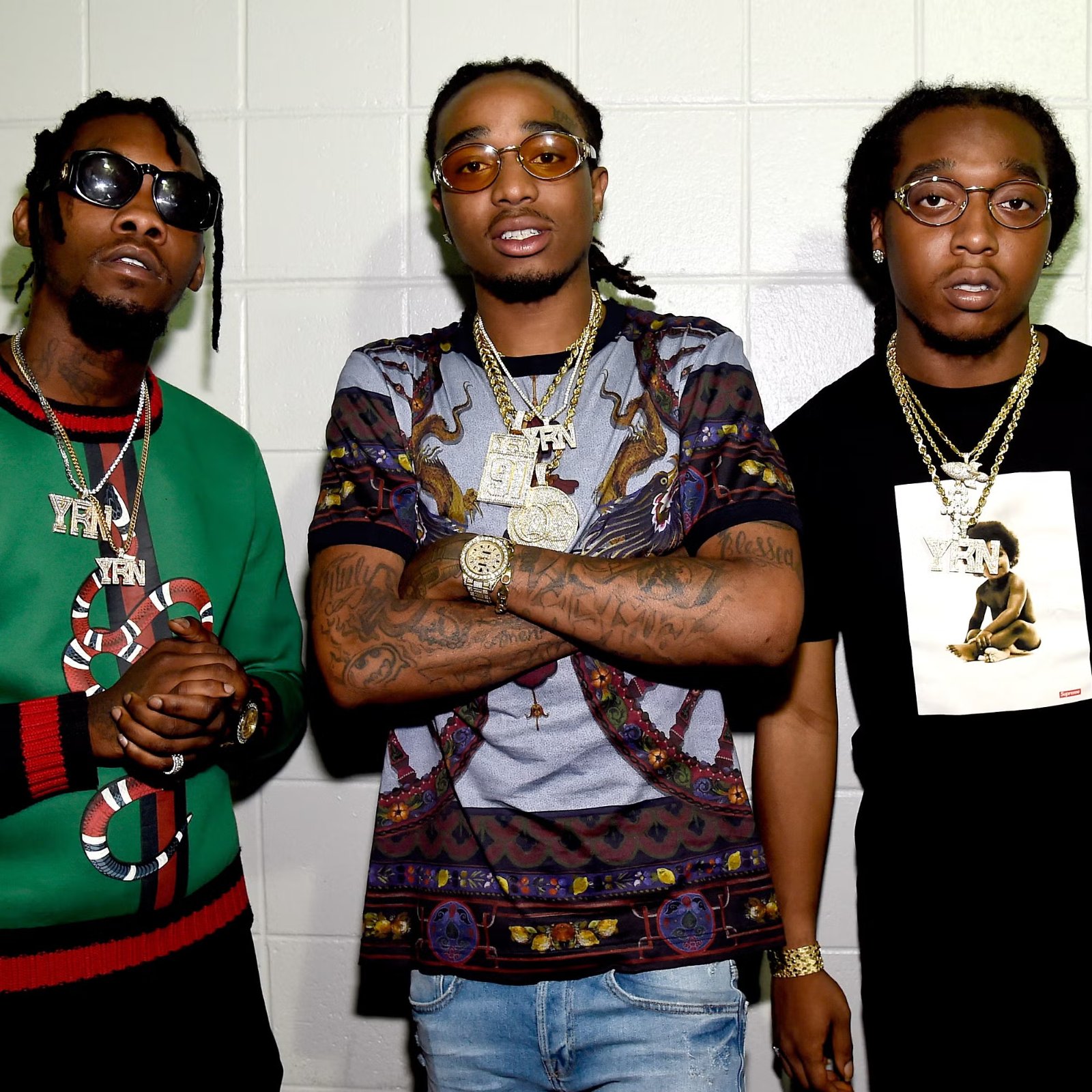
Answer: Versace
Originally a 2011 Soulja Boy song, "OMG Part 2," Zaytoven did what many producers do and recycled the beat around to different artists, putting feelers out there in hopes that maybe something would stick. Two years later, the beat would find itself in front of Migos, a newly emerging trio from Atlanta, who would not let the opportunity go to waste.
Quavo has since confirmed the timeline, telling Billboard, "Growing up, I think I heard the song, it was like an 'OMG' song. Then we ended up doing a harder record with some harder lyrics. Soulja most definitely influenced a lot of everybody's work."
Over the same illustrious keys from Zaytoven, Quavo built the hook around a single word, repeating "Versace" in a rapid, stuttering triplet flow, a style critics and hip-hop historians have traced back decades to groups like Three 6 Mafia and Bone Thugs-n-Harmony, though Migos themselves have pushed back on the idea that they were directly influenced, insisting they invented their own version of it: "Versace, Versace, Versaceversace... Versaceversace," a chant so simple and hypnotic it became the entire song's identity. Released July 8, 2013, on the mixtape Y.R.N., the song stayed a regional Atlanta hit until Drake heard it, hopped on a remix, and helped push it onto the Billboard Hot 100.
Sources: The Source · The Singles Jukebox · The Ringer
Answer: 1
The Chanel Classic Flap traces back to the original 2.55, introduced by Coco Chanel in February 1955 (hence the name: the 2nd month, '55). Chanel, tired of clutch bags occupying her hands, added a thin chain strap, inspired by the keychains worn by nuns at the orphanage where she grew up, so women could finally wear a bag rather than carry one. The diamond quilting was inspired by jockeys' jackets and the cushioned furniture in her Paris apartment. The original had no CC logo at all, just a rectangular "Mademoiselle" twist-lock. When Karl Lagerfeld took over as creative director in 1983, he reimagined it as the Classic Flap, adding the now-iconic interlocking CC turn-lock clasp and a leather-woven chain strap, turning a discreet design into one of fashion's most recognizable status symbols.
The other three bags shown are later Chanel icons: the Boy Bag (2011), named after Coco's great love Arthur "Boy" Capel, with a boxier, more androgynous shape; the Chanel 19 (2019), Lagerfeld's final design for the house before his death, with softer oversized quilting and mixed-tone hardware; and the Gabrielle (2017), named after Coco Chanel's actual first name, the only one of the four with no flap at all.
Sources: Sothebys · Dreweatts · Chanel · Britannica
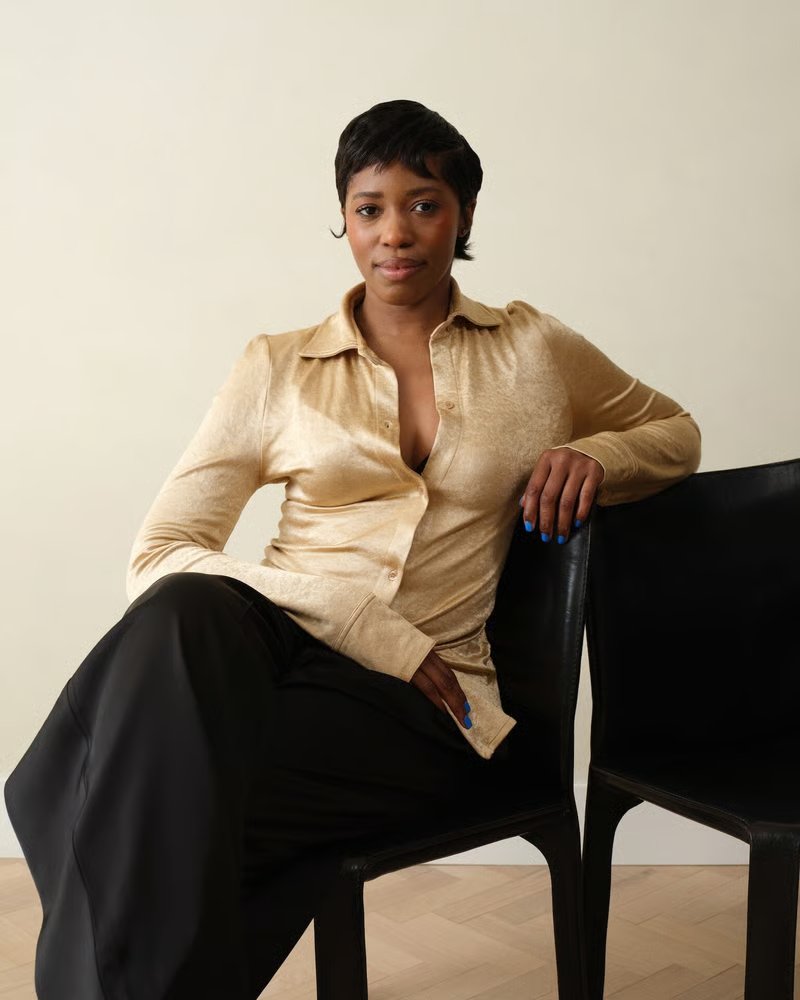
Answer: Jamaica
Bianca Saunders is a British designer of Jamaican descent, born and raised in South London. After completing her MA in menswear at the Royal College of Art, she launched her eponymous label in 2017, building a reputation for tailoring that reworks traditional menswear codes, twisted seams, rolled shoulders, draping pulled from womenswear, to explore Black masculinity and Caribbean diaspora identity. In 2021, she became the first Black woman to win the ANDAM Grand Prix, one of fashion's most prestigious awards, worth €300,000 plus a year of mentorship from Balenciaga's CEO. She's since won the New Establishment Menswear prize at the 2023 Fashion Awards, the BFC/GQ Designer Fashion Fund in 2024, and the BFC/Vogue Designer Fashion Fund in 2026.
Sources: Wikipedia · Business of Fashion
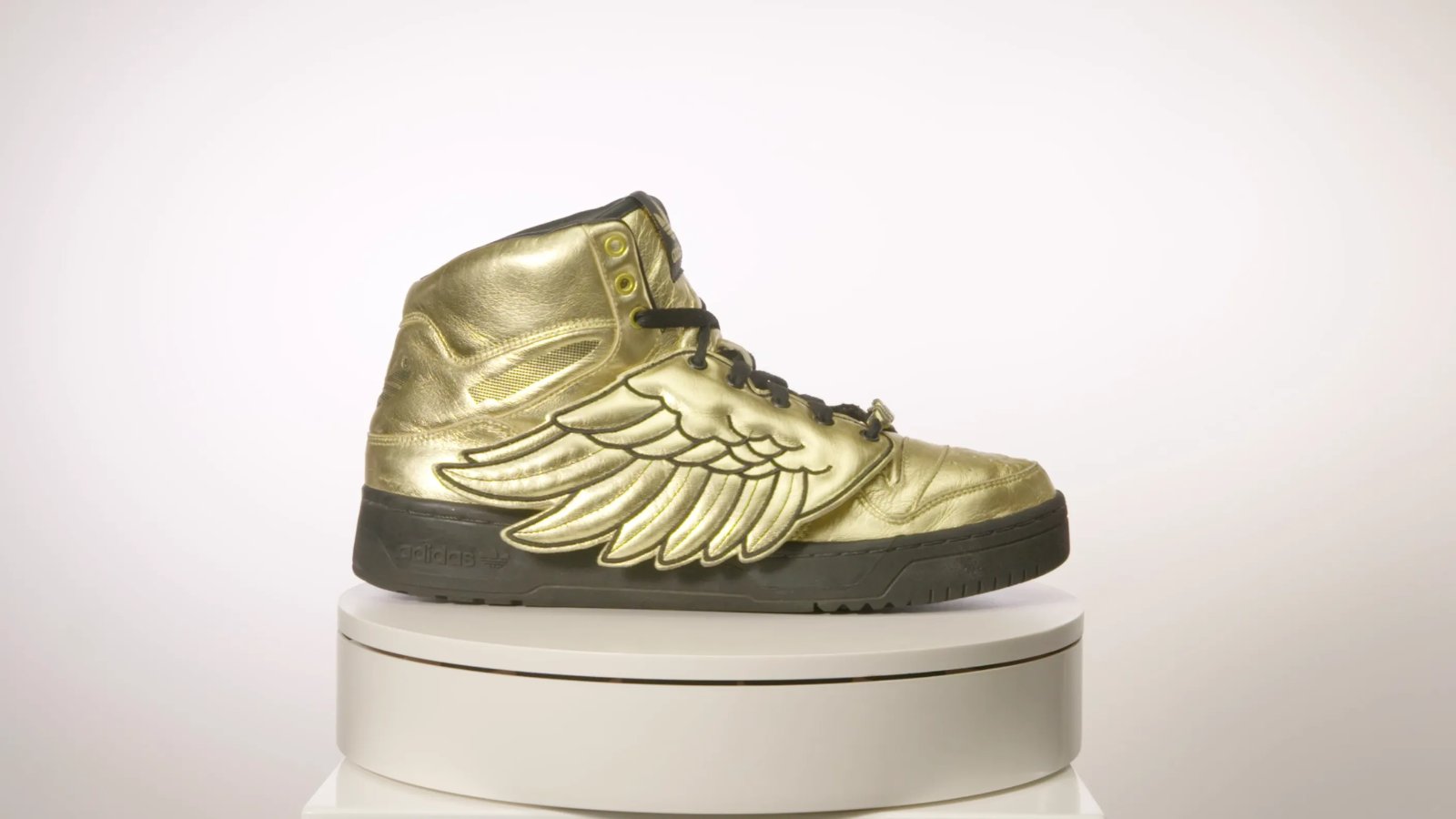
2009 Adidas Jeremy Scott Js 1.0 Wings Metallic Gold