
September 17, 2026
The issue of September 17, 2026
Every question from this issue, with the answers, the hints and the reading behind them.
Play the September 17, 2026 issue
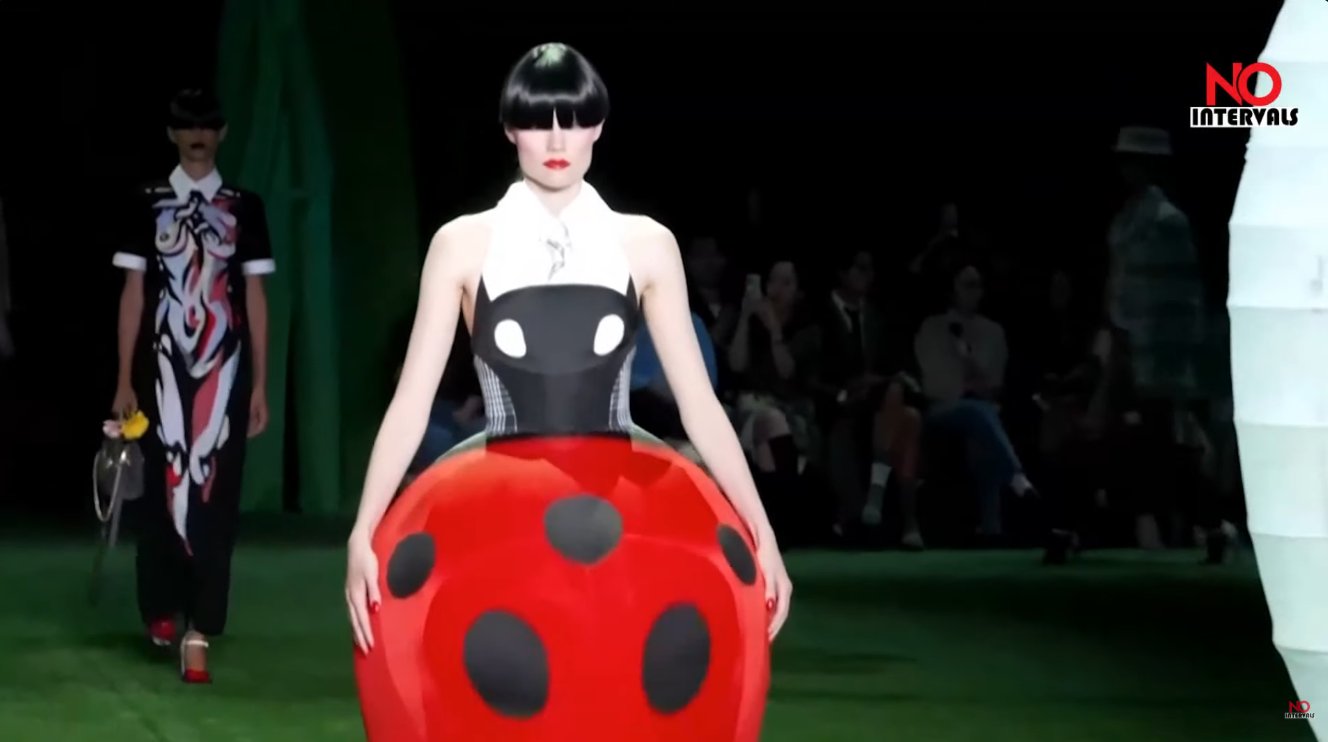
House: Thom Browne · Designer: Thom Browne · Season: Spring/Summer 2027
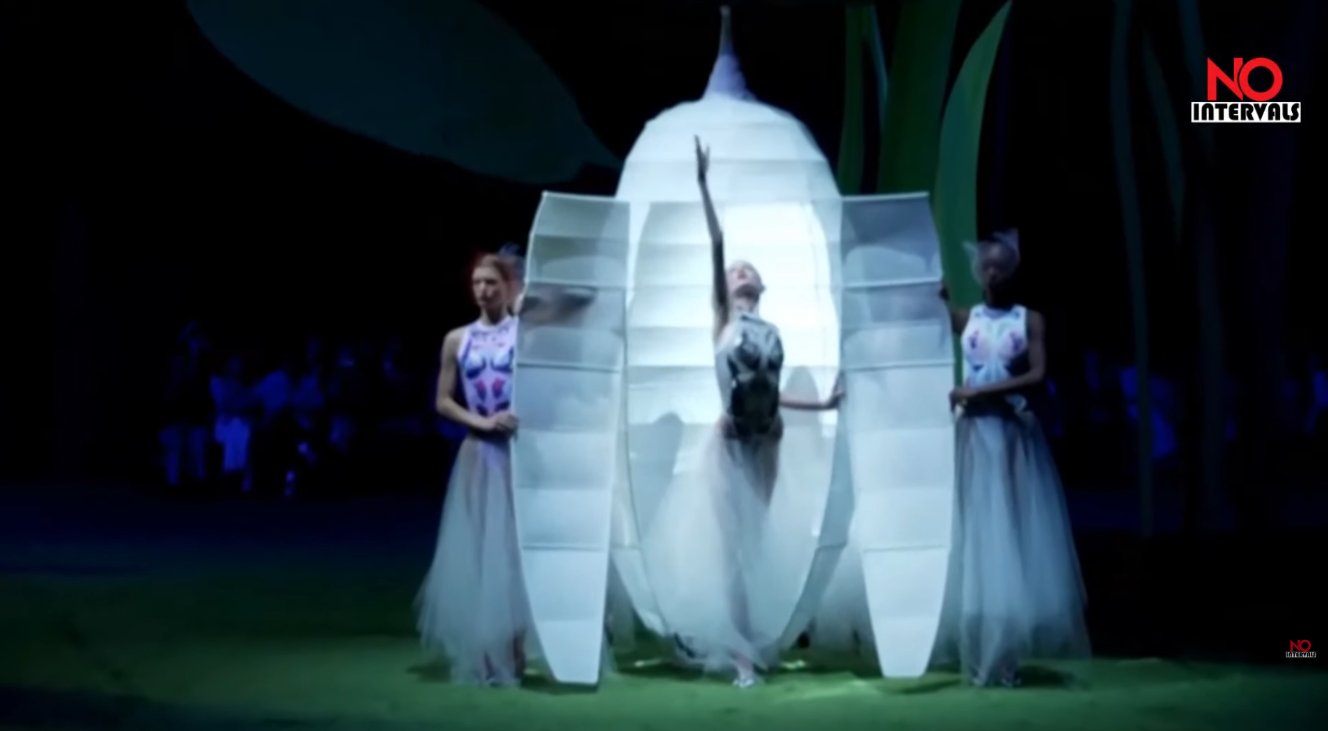
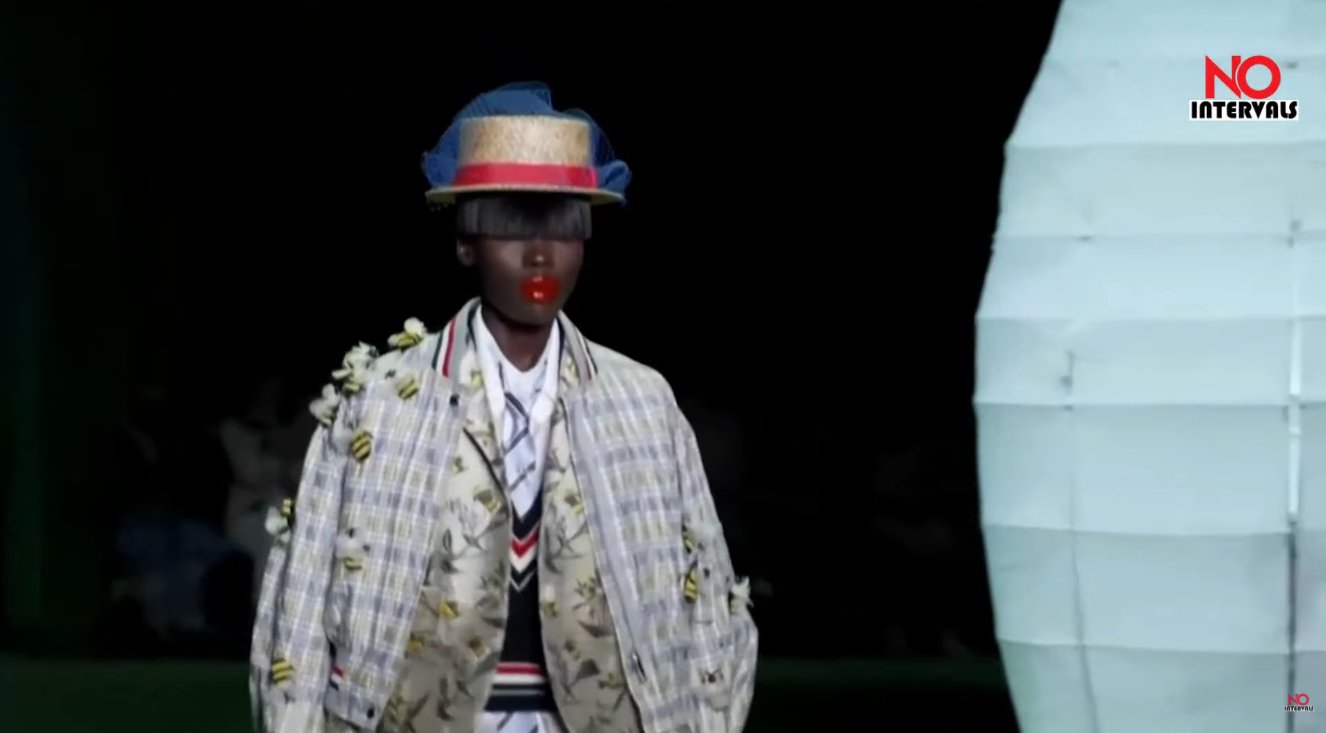
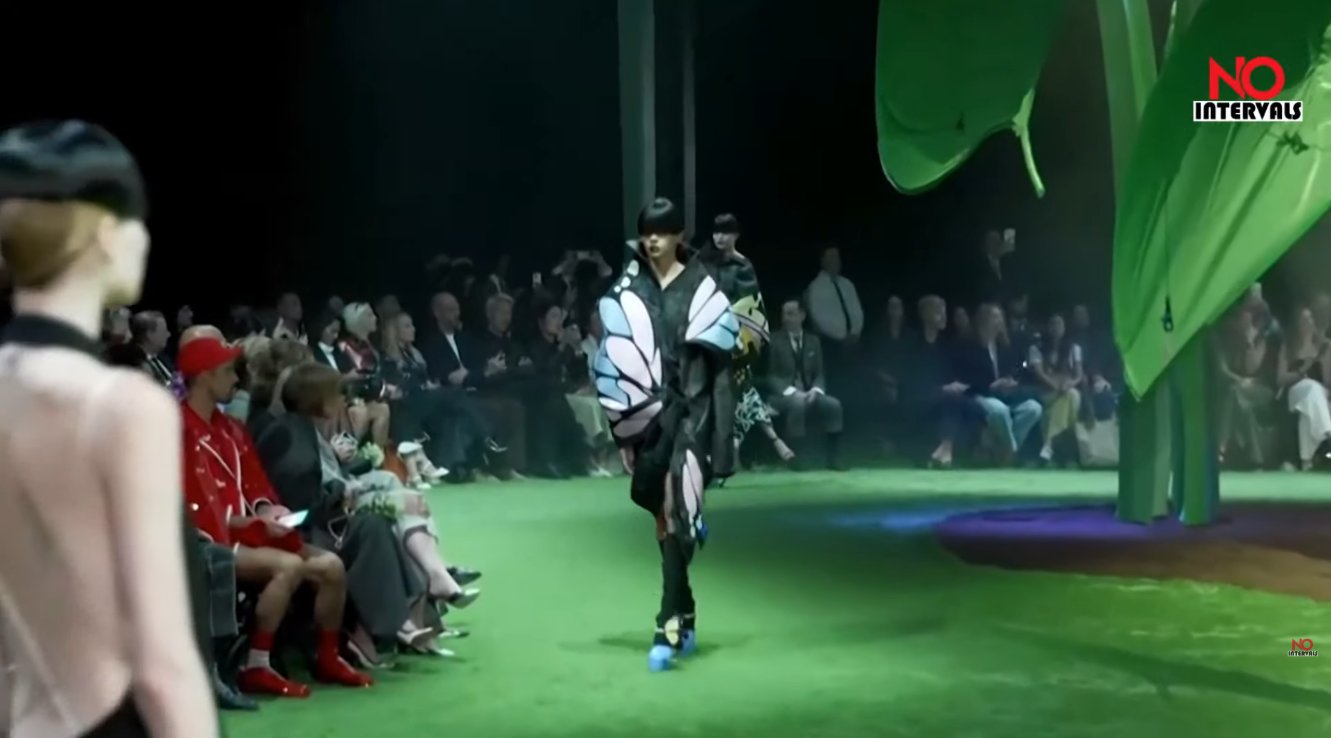
Thom Browne closed New York Fashion Week with his Spring 2027 show, "A Bug's Life" reimagined through his own lens: a garden ecosystem staged at The Shed in Hudson Yards, astroturf and dirt underfoot, giant leaves and daffodils looming overhead, and a massive chrysalis anchoring the runway. The show opened with models dressed as caterpillars, dancing in soft sheer skirts and greytone anatomical bodysuits, before one entered the cocoon and later emerged as a butterfly. Along the way came sequin flies and moths, jacquard grasshoppers, beetle-shell silhouettes, a ladybug bodice built like an actual shell, and a black widow who appeared in a black silk duchess gown.
It seems there was an insect theme. A theme of the kinds of creatures you would find in a garden, in an ecosystem. It kind of reminded me of Pokémon for some reason, when you would walk through the grass in the beginning of the game and have random battles with bug types. Some of the models and their hats reminded me of some of the other Pokémon trainers you would face in these areas. They would be called "Bug Catcher Rick" and so on. There were often times in the game where you would enter bug-catching competitions and have to catch as many as possible to get rewards. I don't know if this is what he was going for at all, but this show took me back to those Pokémon Gold on the Game Boy Color days. I didn't have bills back then.
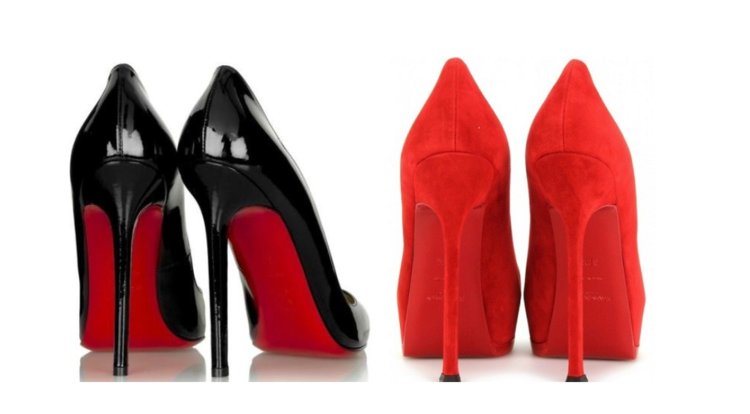
Answer: A split decision.
Christian Louboutin's trademark was upheld only for a red sole that contrasts with the rest of the shoe; Yves Saint Laurent could keep selling its all-red shoes since there was no contrast to protect. The case began in April 2011, when Christian Louboutin sued Yves Saint Laurent over its "Tribute" and "Tribtoo" monochrome pumps, part of a collection released in purple, green, yellow, and red, each shoe matching entirely in one color, sole included. Louboutin had held a federal trademark on his red lacquered sole since 2008, and demanded $1 million in damages. A district judge initially rejected Louboutin's request for an injunction, ruling that a single color could never be trademarked in fashion at all, but the Second Circuit Court of Appeals reversed that in 2012, carving out an exception: red soles could be trademarked, just only when they contrast against a different-colored upper. Both sides claimed victory, and both brands still sell red-soled shoes to this day.
Sources: The Fashion Law · Bloomberg
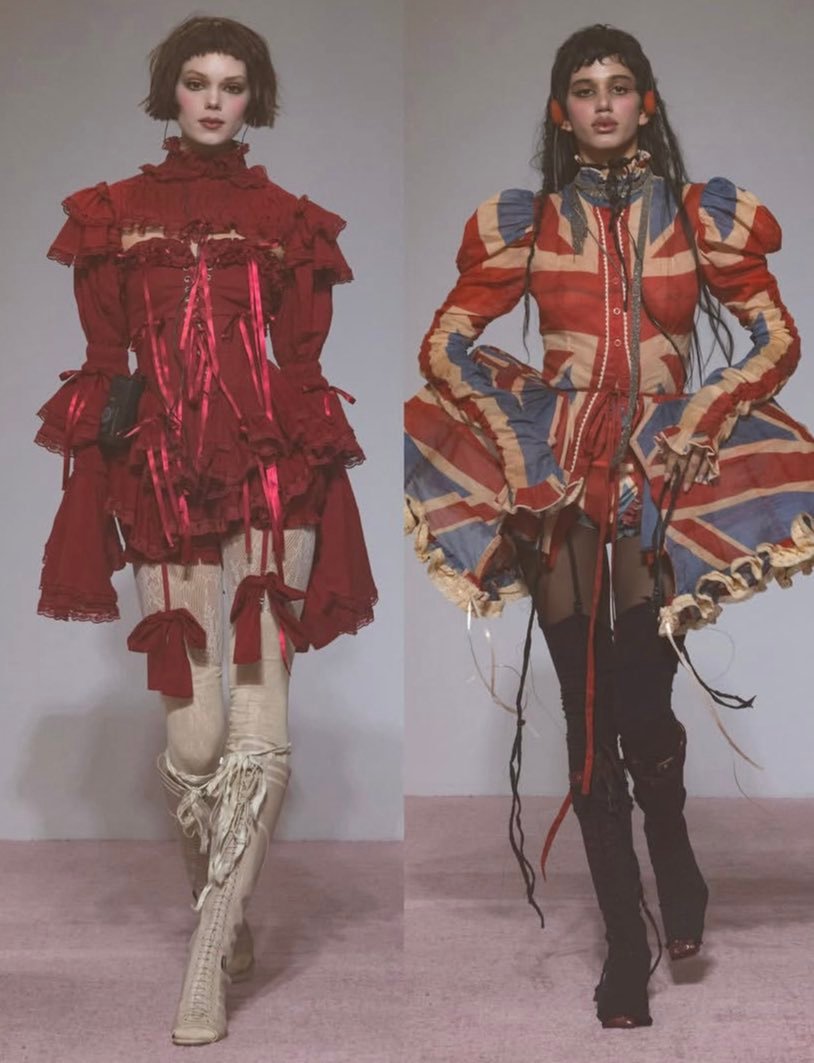
Answer: Wildfox
Kimberley Gordon co-founded Wildfox in 2007 with childhood friend Emily Faulstich, turning vintage-inspired tees and tie-dye sweatpants into a nearly $120 million-a-year phenomenon worn by Beyoncé, Taylor Swift, Miley Cyrus, and many other young women around the globe. But the two women only held a minority stake, and when Gordon's evolving, progressive, feminist vision clashed with majority owner Jimmy Sommers, Gordon was forced out in 2015. Wildfox never recovered, and it was sold off in a near-bankruptcy auction in 2020 for a fraction of its former worth.
Gordon spent three years rebuilding before launching Selkie alone in 2018, this time owning her vision outright. Nearly a decade later, her Fall 2026 collection, "The Ghost Ship," imagines a traveling pirate circus of "warrior girls" surviving an apocalypse through creativity and joy, drawing on Cheryl Strayed's essay of the same name. Gordon has said the theme is partly a response to years of online criticism over her choices: "I've made some controversial ones and I've regretted some of them," she admits, but rather than shrink from it, she leaned in: "why not put on the ultimate clown show then and embrace the fool?" For Gordon, the throughline from Wildfox's collapse to Selkie's pirate apocalypse is the same: "even at the end of the world, creativity and love survive."
Answer: Alessandra Facchinetti → Frida Giannini → Alessandro Michele → Sabato De Sarno → Demna
Alessandra Facchinetti (2004) held a brief, one-year transitional role after Tom Ford's departure. Frida Giannini (2006) followed for nearly a decade, softening the brand with romantic, equestrian-inspired designs. Alessandro Michele (2015) then reinvented Gucci entirely with a maximalist, gender-fluid aesthetic, growing revenue from $4.4 billion to $11.5 billion before stepping down in 2022. Sabato De Sarno (2023) followed with a more understated, quiet-luxury approach, departing in early 2025. Most recently, Demna (2025) arrived from Balenciaga to take the reins, marking Gucci's newest creative era.
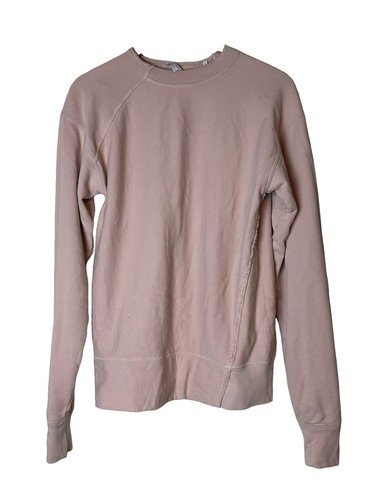
Vintage Helmut Lang, Pink Cotton Sweatshirt, A/W 1997