
September 15, 2026
The issue of September 15, 2026
Every question from this issue, with the answers, the hints and the reading behind them.
Play the September 15, 2026 issue
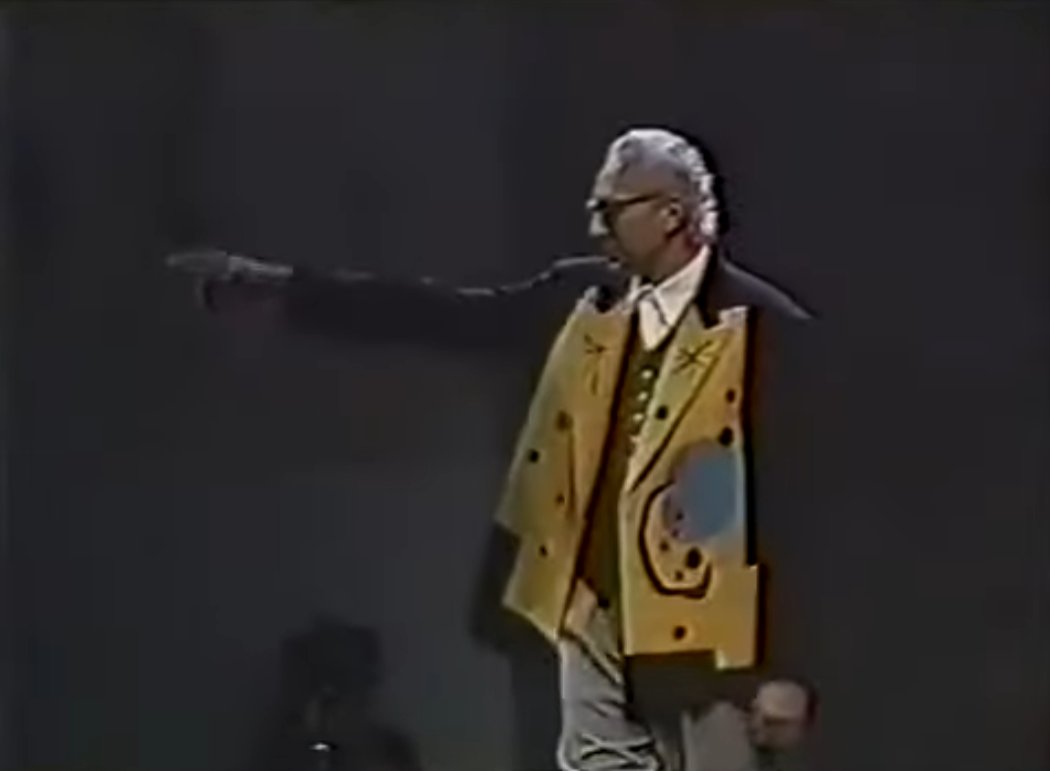
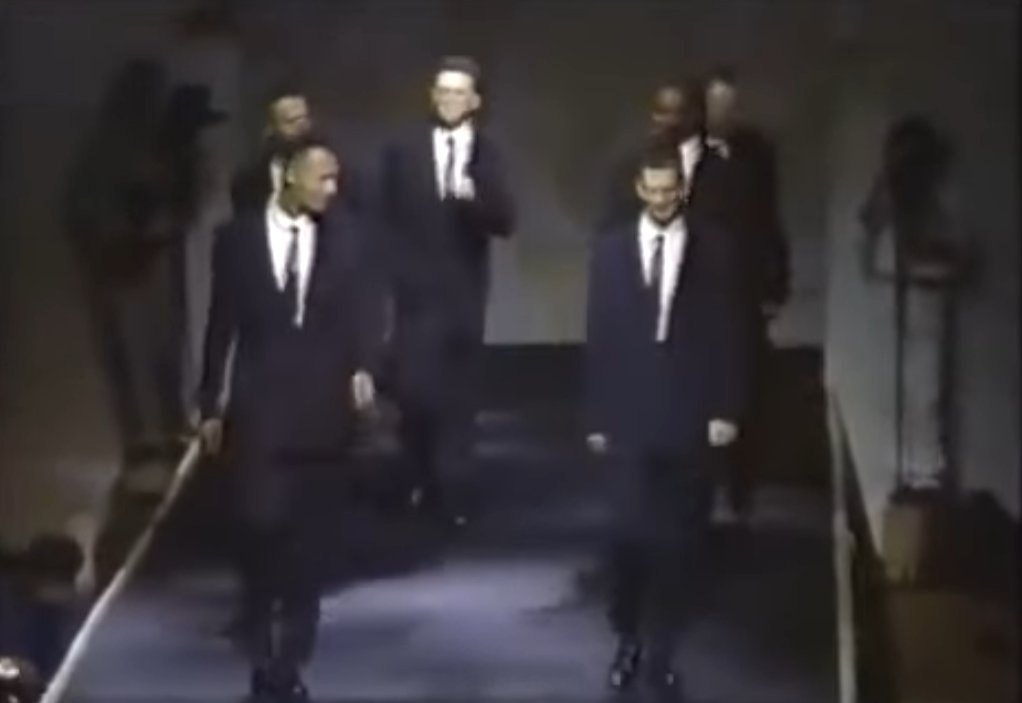
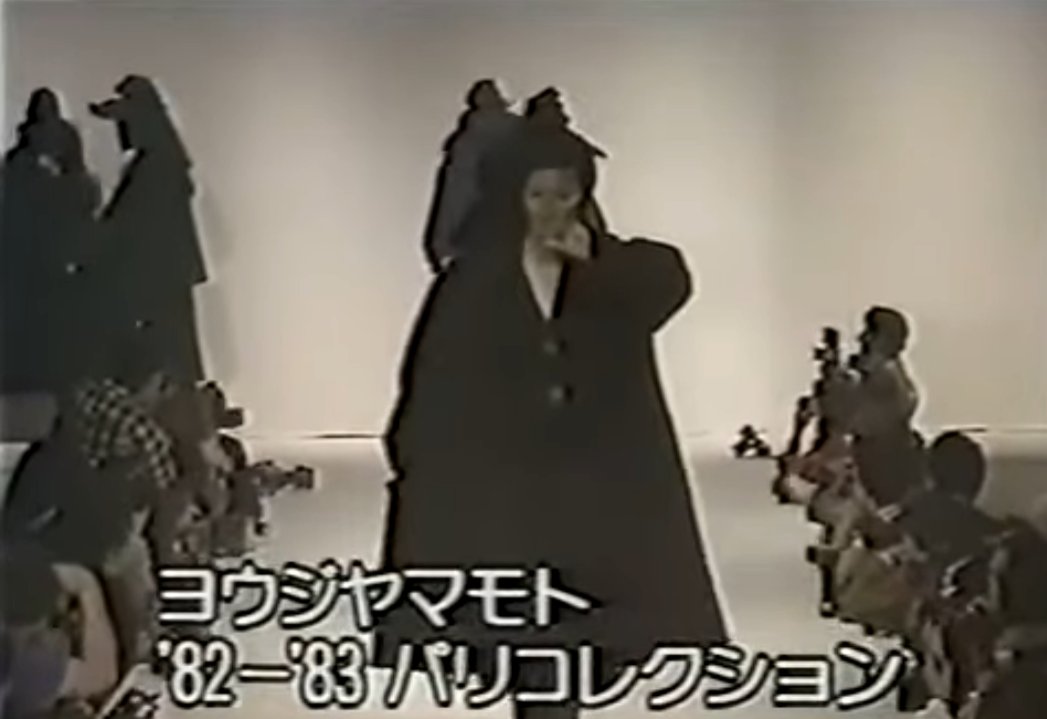
House: Comme des Garçons and Yohji Yamamoto · Designer: Rei Kawakubo and Yohji Yamamoto · Season: Autumn/Winter 1991
6·1 THE MEN: Comme des Garçons & Yohji Yamamoto (1991). This was the first time either designer had presented a menswear show in Japan, staged in Tokyo's Olympic swim stadium with the pool itself covered over to build the runway. It came together in response to the Gulf War after Iraq invaded Kuwait in August 1990. A 42-country coalition led by the US launched a massive air and ground campaign that February, decimating the country in front of millions watching at home in the first war broadcast live around the clock on CNN. So vividly so that it it earned the nickname "the Video Game War." The world watched it happen in real time, and the show, staged just months after the ceasefire, was a statement on the unifying power of fashion in that moment.
The "Men" from all walks of life, ricocheting off of all corners of the human experience, cast musicians, actors, and creatives instead of professional models, Dennis Hopper, Don Cherry, Charles Lloyd, and even a member of Yellow Magic Orchestra among them. There was song and dance during the show; Yohji, a guitarist himself, produced the soundtrack and rigged sound triggers along the runway so models could set off car crashes, glass breaking, and guitar riffs as they walked, and the models sang an antiwar song together at the finale. There was fighting; backstage, a British pop singer asked a French rapper to turn his boombox down, and the rapper responded with a punch that fractured the singer's jaw, sending him to the hospital and forcing a last-minute scramble to find someone else to wear his look. THE MEN, Man, finds a way to manumit himself from the malaise, and how we handle that liberation is the difference between engaging in war and engaging in a wardrobe. A wonderful, exciting show!

Sources: The Show and Description · Gulf War
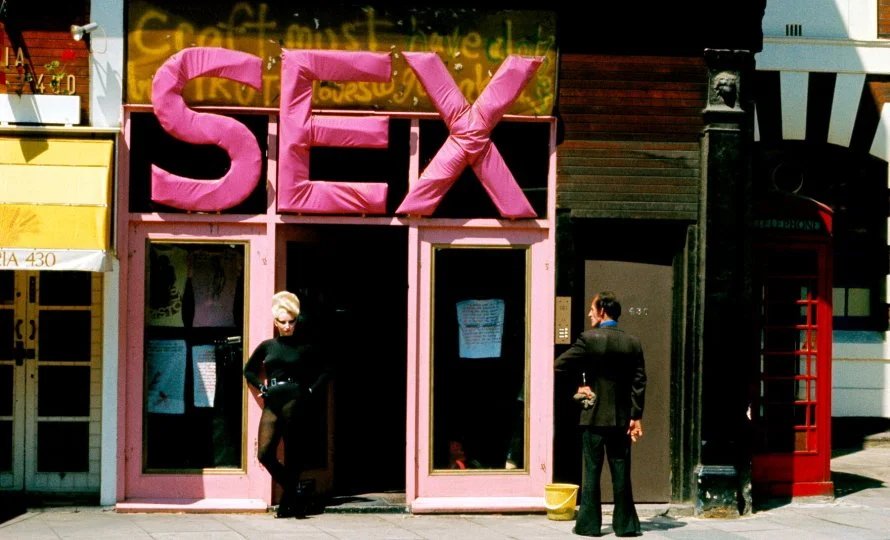
Answer: Let It Rock → Too Fast to Live, Too Young to Die → SEX → Seditionaries: Clothes For Heroes → World's End
Vivienne Westwood and Malcolm McLaren opened their boutique at 430 King's Road in 1971 as "Let It Rock", selling 1950s Teddy Boy clothing and rock 'n' roll records. A year later, Westwood's interests shifted toward biker culture, zips, and leather, and the shop was rebranded "Too Fast to Live, Too Young to Die", complete with a skull and crossbones. After the pair were prosecuted under the 1959 Obscene Publications Act for their increasingly provocative printed T-shirts, they doubled down rather than backing off, relaunching the shop in 1974 as "SEX", which became inseparable from the rise of the Sex Pistols and the birth of British punk. By December 1976, as the punk movement hardened politically, the shop transformed again into "Seditionaries: Clothes for Heroes", its interior redone to resemble the bombed-out ruins of Dresden. After the Sex Pistols collapsed and punk went mainstream, McLaren and Westwood ended both their romantic and business partnership; the shop reopened in 1979/1980 under its final name, "World's End", borrowed from the historic nickname for that specific stretch of Chelsea near the river (local buses used to display "World's End" as their destination), and it still stands at that address today, complete with a clock that runs backwards.
Sources: Source
Answer: Ye West → Yeezy Season 4 Mule Heels · Kai Cenat → VIVET 100mm Transparent Heel
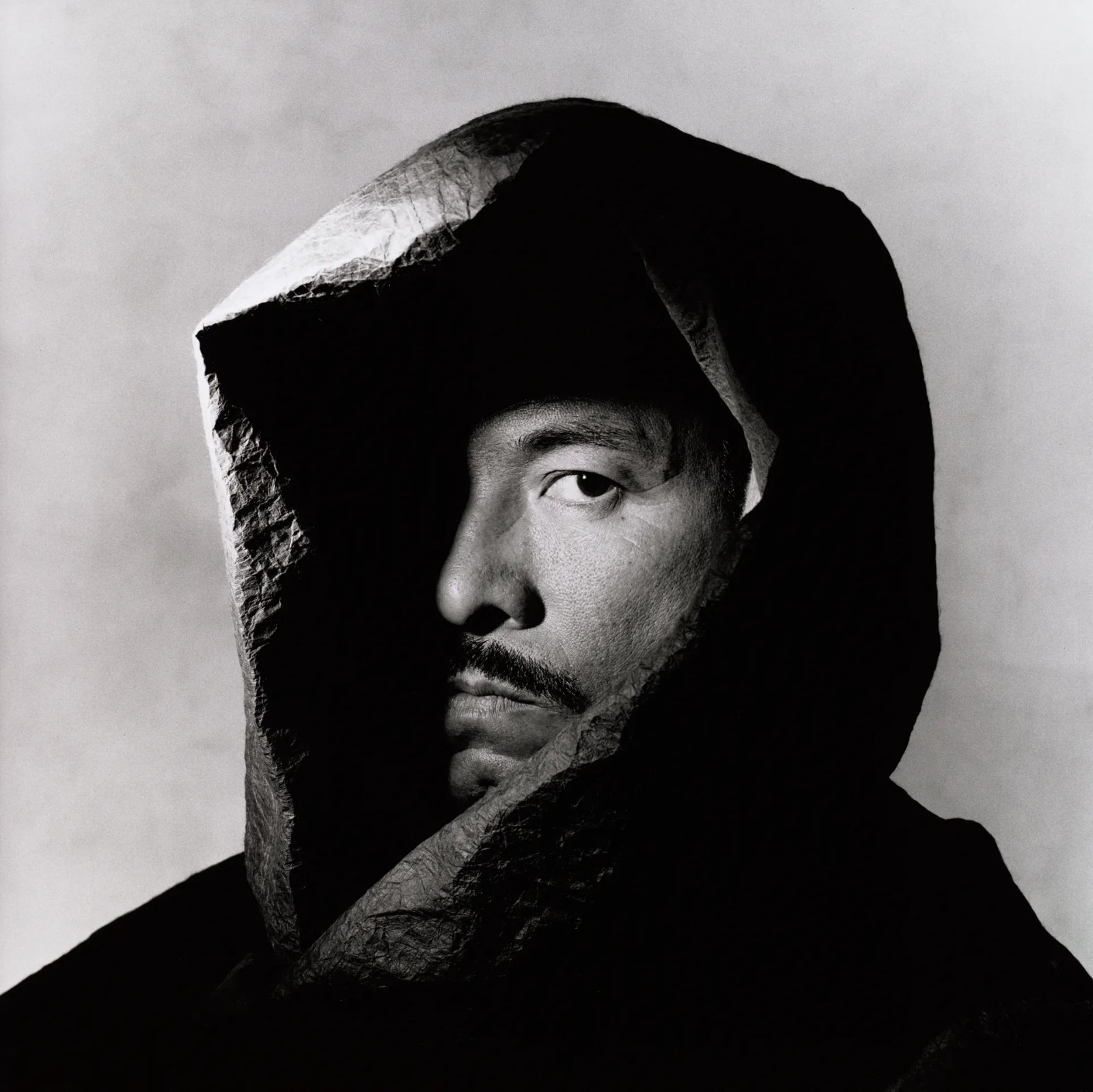
Answer: Top
A pleat is a fold pressed into fabric, but Issey Miyake flipped the usual process on its head. Normally, fabric is pleated first and then cut and sewn into a garment. Miyake did the reverse: garments were cut and sewn first, at roughly three times their finished size, then sandwiched between sheets of paper and heat-pressed into permanent pleats. Because the fabric was polyester, a material that can be reshaped at high temperatures, the pleats held their form permanently, through washing, scrunching, and packing, without ever needing an iron.
Miyake's fascination with pleats began in 1988 after an exhibition at the Musée des Arts Décoratifs in Paris, inspired by a folded polyester-silk scarf. Working with textile designer Makiko Minagawa, he refined the technique for years, testing early prototypes on dancers in William Forsythe's Frankfurt Ballet Company in 1991. Pleats Please launched as its own line in 1993, unveiled during the finale of Miyake's Spring/Summer 1994 Paris show, and became one of the most enduring things he ever created: lightweight, machine-washable, and designed to adapt to any body rather than one fixed size. Decades later, it remains a cult favorite, even seeing a resurgence among Gen Z shoppers on resale platforms like Depop.
Sources: Issey Miyake · Vogue UK
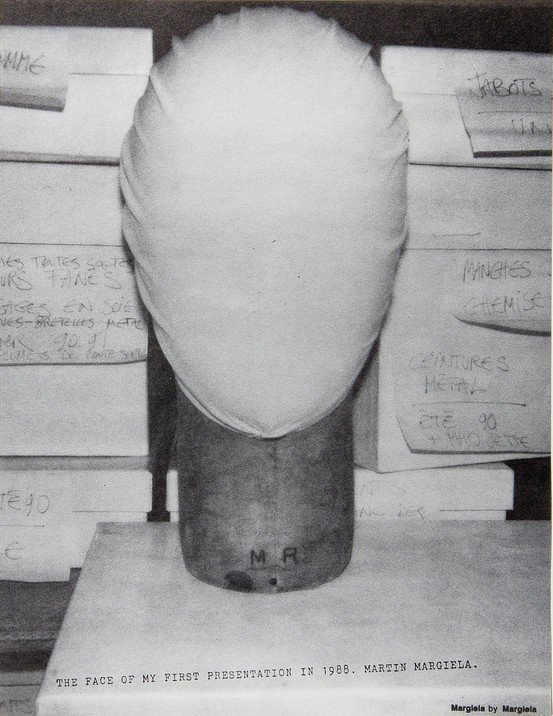
Spring/Summer 1989 Margiela Mask